As the Land of Enchantment’s cannabis industry continues to expand, understanding and complying with New Mexico cannabis packaging laws has never been more critical. Whether you’re a cultivator, manufacturer, or retailer, staying current on packaging and labeling regulations ensures product safety, protects consumers, and helps avoid costly penalties.
Regulatory Framework
New Mexico’s cannabis packaging and labeling guidelines are established under the Cannabis Regulation Act (CRA), enacted in 2021. The Cannabis Control Division (CCD), operating within the Regulation and Licensing Department (RLD), is responsible for enforcing these standards.
The detailed requirements are outlined in the New Mexico Administrative Code (NMAC), particularly in Chapter 16.8.3.
N.M. § 26-2C-17 – Mandates that cannabis product packaging must be child-resistant and resealable. It also empowers the CCD to establish rules consistent with industry standards for labeling and packaging requirements.
N.M. Admin Code § 16.8.3.12 – Specifies packaging requirements for cannabis finished products, including limitations on tetrahydrocannabinol (THC) content per serving and per package.
N.M. Admin Code § 16.8.3.9 – Details labeling requirements for cannabis finished products. Labels must include potency information, a warning statement, and a principal display panel with specific information (i.e. product identity and net quantity).
These regulations are designed to ensure consumer safety and prevent unauthorized access to cannabis products by minors. Compliance with these standards is mandatory for all cannabis businesses operating within New Mexico.
Packaging Requirements
New Mexico cannabis packaging compliance ensures safety and the prevention of appeal to minors.
General Standards
Cannabis product packaging must adhere to the following criteria:
Child-Resistant – Packaging must be difficult for children under five to open, complying with standards set by the U.S. Consumer Product Safety Commission.
Resealable – Multi-use products must be in containers that can be securely closed after each use.
Opaque – Edible cannabis products must not be visible through the packaging.
Eco-Conscious Materials – Packaging should be compostable, recyclable, or made from recycled materials whenever possible.
Restrictions to Protect Minors
To reduce the appeal of cannabis products to children, packaging must not include:
Cartoons or Animations – Any imagery that could attract children is prohibited.
Celebrities or Fictional Characters – Using well-known figures or characters is not allowed.
Candy or Snack Mimicry – Packaging must not resemble candy or snack products.
Labeling Requirements
New Mexico cannabis labeling requirements include:
Product Identity – Clearly state the product type, such as “Cannabis-Infused Chocolate Bar.”
Net Weight or Volume – Specify the amount per serving and per package.
Ingredient List – Include all ingredients, highlighting any potential allergens.
Manufacture and Expiration Dates – Provide the dates of production and when the product should be used by.
Manufacturer Details – List the name and license number of the manufacturer.
Pesticide Disclosure – If applicable, disclose any pesticides used.
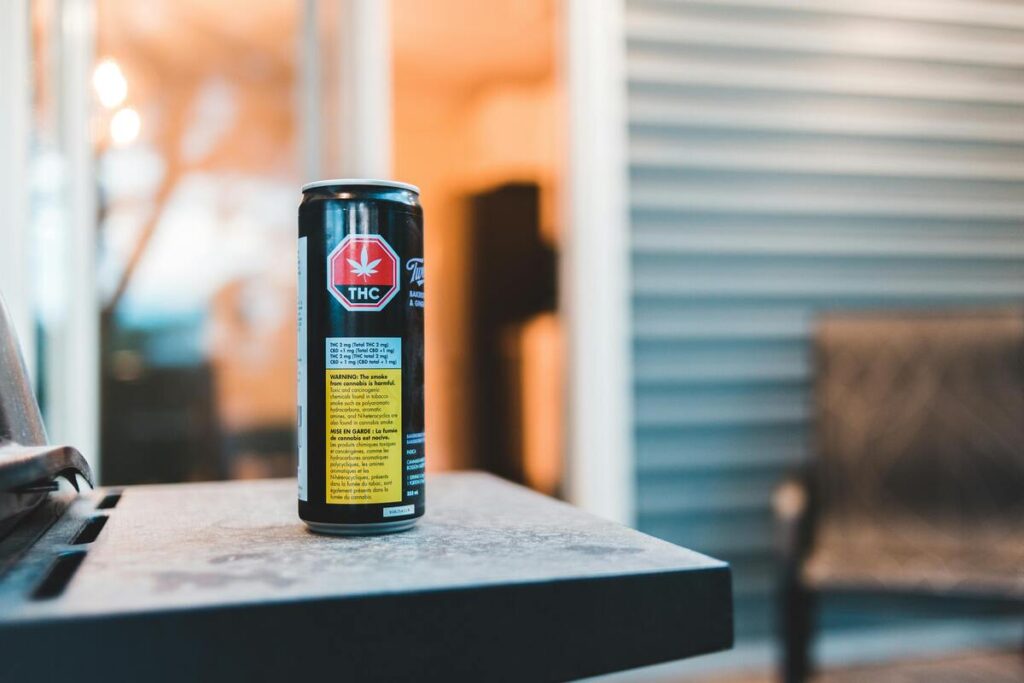
Warning Statements – Include the following in bold font:
“For use only by adults 21 and older. Keep out of reach of children. Do not drive a motor vehicle or operate machinery while under the influence of cannabis. BE CAUTIOUS. Cannabinoid edibles can take up to two hours or more to take effect.”
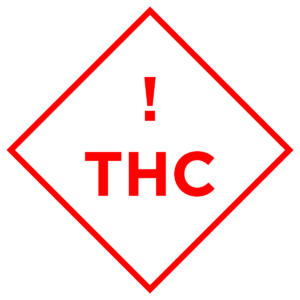
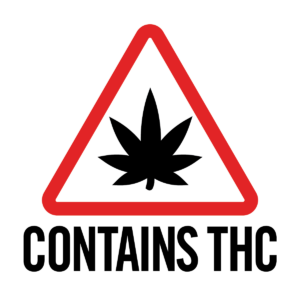
New Mexico THC Warning Symbol – Display the universal THC warning symbol, reproduced at a minimum size of ½ inch by ½ inch.
Additional Labeling Standards
Font Size – All label text must be in a font size no smaller than 1/16 of an inch, measured by the height of a lowercase letter “o.”
Intended Use – Labels must identify the intended use and provide directions. If a product has multiple intended uses, each must be clearly stated, and the most restrictive labeling requirements apply.
Prohibited Content – Labels must not contain untruthful or misleading statements, health or benefit claims, advertising, or content appealing to minors.
Specific Product Guidelines
New Mexico enforces detailed regulations for cannabis products to ensure safety and compliance. These guidelines vary based on the product type and intended use.
Edible Cannabis Products
THC Limits for Recreational Use – Maximum of 10mg of total THC per serving and 100mg per package.
THC Limits for Medical Use – Up to 50mg of total THC per serving.
Multi-Serving Products
Divisibility – Solid edibles must be easily separable, allowing an average adult to divide individual servings with minimal effort.
Scoring – Products must be permanently scored to identify individual servings.
Cannabis Symbol – Each serving must have a cannabis symbol provided by the division, measuring at least ½ inch by ½ inch.
Liquid Cannabis Products
Single-Serving Requirements – Liquid cannabis products are generally required to be single-serving.
Multi-Serving Exceptions – If a liquid product contains multiple servings, it must:
Be in a container that is both child-resistant and resealable.
Include a built-in measuring mechanism within a child-resistant cap or closure to ensure accurate dosing.
Topical Cannabis Products
Packaging Standards – Topical products must be packaged in containers suitable for their intended use, ensuring they do not impart any toxic or harmful substances to the product.
Contamination Prevention – Packaging must prevent contamination and ensure safe, hygienic application.
Recent Legislative Updates
In 2024, New Mexico enacted significant legislation to enhance cannabis packaging and labeling regulations:
Senate Bill 6 (Signed March 1st, 2024)
Senate Bill 6 expanded the enforcement authority of the Cannabis Control Division (CCD). Key provisions include:
Enhanced Enforcement Powers – The CCD can now seize and destroy illegal, adulterated, or misbranded cannabis products, strengthening efforts against unlicensed and illicit market activities.
Packaging Requirement Revisions – The bill introduced stricter packaging guidelines to further protect youth from accessing cannabis products.
House Bill 64 (Effective August 1st, 2024)
House Bill 64 amended Section 26-2C-17 of the Cannabis Regulation Act to clarify packaging requirements, emphasizing child safety. Key mandates include:
Opaque Packaging – All cannabis products must be opaque to prevent the contents from being visible.
Prohibition of Youth-Appealing Imagery – Packaging and labeling must not mimic products safe for child consumption or include cartoons, symbols, or images resembling cartoon characters.
Celebrity Likeness Restrictions – Packages cannot feature depictions of celebrities or celebrity likeness commonly used to market to minors.
Pictorial Warnings – All products must include a pictorial warning indicating that the cannabis product should not be consumed by minors.
Compliance and Enforcement
Adhering to New Mexico’s cannabis packaging and labeling laws is crucial for maintaining licensure and ensuring consumer safety. The CCD actively monitors compliance and enforces regulations to uphold industry standards.
Penalties for Non-Compliance
The CCD issues a Notice of Contemplated Action (NCA) to initiate formal proceedings against non-compliant businesses. Failure to comply with packaging and labeling requirements can result in:
Product Recalls – Non-compliant products may be removed from the market.
Monetary Fines – Businesses may face substantial fines or violations.
License Suspension or Revocation – Persistent non-compliance can lead to suspension or loss of licensure.
Cease of Operations – Businesses may be required to halt operations until compliance is achieved.
Criminal Charges – In severe cases, formal criminal charges may be filed against business owners.
Best Practices for Compliance
To maintain compliance with New Mexico’s cannabis packaging regulations:
Stay Informed – Regularly review updates from the CCD to stay current with regulatory changes.
Consult Professionals – Engage legal or compliance experts to ensure adherence to all requirements.
Conduct Internal Audits – Implement regular reviews of packaging and labeling processes to identify and rectify potential issues.
As cannabis continues to evolve into a mainstream industry in the Enchantment State, so does the regulatory environment. Following New Mexico cannabis packaging laws is not just about compliance; it’s about building trust with consumers, ensuring public safety, and maintaining the long-term sustainability of your business.
Are you interested in developing custom cannabis packaging in New Mexico, but unsure where to begin? Custom 420 Supply is here to help! Our team develops high-quality packaging and labeling for cannabis products that are 100% compliant with New Mexico’s regulations.
Interested in learning more? We invite you to reach out through our contact page.
Frequently Asked Questions (FAQs)
Are cannabis packaging and labeling requirements the same for all product types in New Mexico?
No. While general rules apply to all products, specific guidelines vary. Edibles, topicals, and liquids each have their own packaging and THC content rules.
Can New Mexico cannabis packaging feature any graphics or designs?
Yes, but with limits. Graphics must not appeal to children (i.e. no cartoons, celebrities, or candy-like branding).
What kind of warning labels are required on cannabis packaging in New Mexico?
Packaging must include a standard cannabis warning, the New Mexico THC symbol (at least ½ inch by ½ inch), THC/CBD content, and product details like ingredients and expiration date.
As the Treasure State’s cannabis market continues to grow, staying compliant with state packaging and labeling regulations is essential for licensed operators. Whether launching a new product or updating existing packaging, understanding Montana cannabis packaging rules will help you avoid costly penalties and ensure consumer safety.
In this article, we’ll break down the current packaging and labeling requirements, the application process, and best practices to keep your products compliant.
Regulatory Oversight
In Montana, the packaging and labeling of marijuana products are regulated by the Cannabis Control Division (CCD), a branch of the Montana Department of Revenue.
These rules are based on two legal sources:
Montana Code Annotated (MCA) Title 16, Chapter 12 – This state law outlines the foundation for Montana’s cannabis program. It defines who can grow, sell, and use cannabis, and sets rules for licensing, testing, advertising, packaging, and labeling.
Administrative Rules of Montana (ARM) Sections 42.39.314 to 42.39.322 – These rules provide specific guidance on packaging and labeling. They explain what must appear on each product’s label, such as tetrahydrocannabinol (THC) content, warnings, and tracking information.
These regulations apply to both adult-use and medical cannabis. Every cannabis product sold in Montana must follow these standards.
Application Process for Approval
Before any cannabis product can be sold in Montana, its packaging and labeling must be submitted for review. Businesses must apply for licensing and compliance through the TransAction Portal (TAP), the state’s official online system.
Each product type (i.e. flower, concentrates, or edibles) requires its own application. This means you must submit separate forms and materials for each variation you plan to sell.
No product can enter the market until it has received full approval through TAP.
Packaging Requirements
General Packaging Standards
Montana cannabis packaging compliance must meet the following standards:
Product name, strain, and type (i.e. Indica, Sativa, or Hybrid)
A unique ID number from the state’s seed-to-sale tracking system
The harvest or manufacture date
Net weight or volume listed in both U.S. and metric units
The number of servings, if the product contains more than one
A QR code linking to the product’s Certificate of Analysis (CoA)
The statement: “This product has been tested and meets the requirements of the state of Montana.”
The state-mandated THC universal symbol.
Mandatory Warnings
All labels must also include these warning statements:
“Keep out of reach of children and pets.”
“This product may be addictive.”
“This product may have intoxicating effects. Do not drive while under the influence of marijuana.”
Font and Language Rules
To ensure readability, labels must follow these standards:
Use common fonts like Times New Roman, Arial, or Helvetica
Maintain a minimum font size of 6 points
Labels must be written in English (additional languages may be included)
Product-Specific Labeling Rules
Montana sets extra labeling rules for certain product types to help consumers use them safely.
Labels for edibles and tinctures must include:
The phrase “BE CAUTIOUS” in bold, all-capital letters.
A warning that effects may be delayed up to 2 hours.
A clear list of all food ingredients and any allergens.
Labels for concentrates and extracts must include:
The phrase “DO NOT EAT” in bold, all-capital letters
The extraction method used and a list of any solvents
These extra rules help prevent misuse and provide critical safety details to buyers.
Packaging and Labeling Application Process
Before any cannabis product reaches the shelf, its packaging and labeling must be approved by the Cannabis Control Division (CCD). Here’s what to include in your application.
Submission Requirements
Each product type must be submitted as a separate application.
You may use generic packaging or custom designs, but:
Generic packaging still needs individual product labels.
Custom packaging must include mockups or sample images.
Fees
Montana charges the following application fees:
$10 per application for exit packaging
$10 each for custom packaging
$25 each for custom labels
What to Include in Your Application
To complete your submission, you must provide:
Clear photos or digital images of the package
PDF files of the label designs
Child-resistance certification for each packaging type
A product information sheet with relevant details
Once approved, packaging and labeling stay valid unless you make changes. Any updates require a new submission and fresh approval.
Styling Compliant: Penalties and Best Practices
Failing to follow Montana cannabis packaging rules can lead to serious consequences. If your products don’t meet state standards, you may face:
Product recalls that remove items from the market.
Fines for each violation.
Suspension or loss of your cannabis license.
Protect your business by following these key steps:
Check Montana’s cannabis regulations often to stay current with any rule changes.
Work with experienced packaging designers who understand state requirements.
Keep clear records of all packaging and label submissions and approvals.
Use the same language, fonts, and symbols across all product lines for consistency.
Final Word
Navigating Montana’s cannabis packaging rules can be complex, but it’s critical for ensuring product safety and business success.
Are you a cannabis business owner in Montana and unsure where to begin? Custom 420 Supply is here to help!
Our in-house team of packaging experts and labeling designers is here to ensure your packaging meets Montana’s compliance standards. Want to get started? We invite you to reach out through our contact page.
Frequently Asked Questions (FAQs)
Are there specific color restrictions for cannabis packaging in Montana?
Montana does not explicitly restrict specific colors on cannabis packaging. However, packaging must not be attractive to children, which typically excludes bright, neon, or candy-like color schemes. The overall design should be professional, neutral, and not mimic non-cannabis consumer products like candy or snacks.
Do cannabis edibles in Montana need special packaging?
Yes. Cannabis edibles in Montana must be packaged in child-resistant, resealable, and opaque containers. The packaging must also include specific warnings, such as “BE CAUTIOUS” and information about delayed effects (up to two hours). Furthermore, ingredients and allergens must be clearly listed.
Can cannabis packaging in Montana include logos or branding?
Yes, cannabis packaging in Montana can include logos and branding, as long as the design does not appeal to children or resemble non-cannabis products. Branding must also comply with general labeling standards, including font guidelines, required warnings, and proper placement of mandatory information.
The Show-Me State’s cannabis market is growing quickly, and the rules are changing just as fast. One of the most important areas of regulation is Missouri marijuana packaging laws, which set clear standards for how cannabis products must be packaged and labeled.
These rules help protect consumers, limit access for children, and promote honesty in product information.
If you’re a dispensary owner or cannabis producer, knowing these rules is key. Understanding Missouri cannabis packaging compliance helps you stay compliant and make smart decisions in a changing industry.
These agencies oversee the rules to ensure all cannabis products meet state standards for health and safety. After voters approved Amendment 3, which legalized adult-use cannabis, the state updated its key regulations to prevent risks, especially for children and teens.
Packaging and Labeling Requirements
Understanding Missouri marijuana packaging laws means knowing the specific design, safety, and labeling rules that apply to every product.
Child Safety Comes First
All marijuana packaging must be child-resistant. It should be difficult for children under five to open, but still usable by adults.
Packaging must also be opaque and resealable to prevent accidental ingestion and preserve product quality.
Products must not be shaped like animals, cartoon characters, or fruits. This rule helps reduce the appeal to minors.
Any artistic, caricature, or cartoon-like renderings are strictly prohibited.
Strict Design Limitations
Packaging is limited to one primary color, plus black and white.
Logos or symbols must not be larger than the word “marijuana” or “marijuana-infused product”.
All text must appear in black or white, using plain, non-decorative fonts.
No flashy designs, textures, or gimmicks that could attract children.
Warning labels are mandatory, including tetrahydrocannabinol (THC) content and potential side effects.
Materials used for packaging must be FDA-approved for food contact.
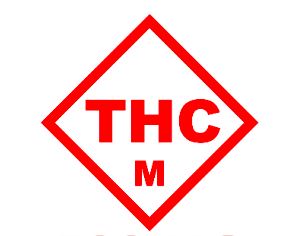
A diamond symbol with “THC” (see below) and the exact milligrams inside.
Serving size and total THC content per package.
A complete ingredient list and allergen warnings.
A unique batch number or identifier.
The license number of the manufacturer and testing facility.
The state-wide track and trace system tag number is connected to product testing.
Missouri prohibits strain names and terpene profiles on product labels. However, a 2023 variance allows manufacturers to note strain or flavor details when using the same packaging for different products.
Approval Process and Industry Impact
The Missouri marijuana packaging approval process is crucial if you’re a business aiming to remain compliant and operational.
Pre-Approval Requirements
Before any marijuana product can be sold in Missouri, its packaging must be submitted to the Department of Health and Senior Services (DHSS). The goal is to ensure each package meets safety, labeling, and design standards.
Since the updated regulations were launched, the state has received nearly 150,000 packaging design submissions. About half of these came in during the first two months alone. While the Division of Cannabis Regulation (DCR) aims to process each submission within 60 days, the high volume has caused delays, with some businesses having to wait up to four months for a response.
Impact on Cannabis Businesses
These slowdowns have real consequences. Retailers and producers are struggling with inventory shortages, as products cannot be sold until their packaging is approved. Each variation of a product, such as a different flavor or potency, requires a separate submission. This increases both costs and administrative work.
Furthermore, the strict rules surrounding packaging design (such as limited use of font styles and colors) have frustrated many business owners. They argue that the lack of creative freedom makes it harder to build brand identity in a competitive market.
Consumer Transparency and Concerns
Missouri’s cannabis packaging laws aim to protect consumers, but some worry the regulations reduce transparency.
One major change is the removal of the requirement for product packaging to display a Certificate of Analysis (CoA) link. Previously, this link allowed consumers to easily access detailed lab results, including potency and contaminant testing. Without it, many customers have less direct insight into the safety and quality of the products they purchase.
Furthermore, the prohibition on listing strain names and terpene profiles on packaging limits the information available to consumers. These details often help buyers understand the expected effects and flavor profiles of cannabis products.
Consumers find it harder to choose products that match their preferences or needs without them. Critics argue that this lack of information could reduce confidence and make the buying experience less personalized.
While these rules prioritize safety and standardization, they also raise important questions about how to balance regulation with consumer knowledge and trust in Missouri’s cannabis market.
Final Word
The Missouri marijuana packaging laws show the state’s careful stance on cannabis legalization. Though focused on protecting public safety, these rules create distinct challenges for both businesses and consumers.
Still, Missouri gets a lot wrong that other states get right. We expect these laws to change as the industry continues to mature.
If you want to stay up-to-date on all industry regulations and ensure your cannabis packaging meets Missouri requirements, Custom 420 Supply can help. Want to learn more? We invite you to reach out through our contact page.
Frequently Asked Questions (FAQs)
What are the new packaging requirements for marijuana products in Missouri?
Packaging must be child-resistant, contain minimal design elements (one primary color plus black and white), and avoid graphics or shapes that appeal to children. Warning labels and THC content symbols are required.
Do marijuana product labels in Missouri require pre-approval?
Yes, all packaging and labeling designs must be submitted to the Missouri Department of Health and Senior Services for review and approval before being used commercially.
What information must be included on marijuana product labels in Missouri?
Labels must include THC content in milligrams, a warning symbol, ingredients, allergen information, a batch number, and serving size. However, strain names and terpene details are not permitted.
As Delaware marijuana packaging requirements evolve with the expansion of both medical and adult-use cannabis, cultivators, processors, and dispensaries need to stay informed.
Proper packaging helps ensure product safety, supports legal compliance, and builds trust with consumers. This guide explains the key rules and updates for Delaware marijuana packaging and labeling guidelines.
Tetrahydrocannabinol (THC) and cannabidiol (CBD) per serving and per packaging
Serving size and number of servings
Net weight or volume (in metric units)
Complete ingredient list
Allergen information
Nutrition facts for edibles
Batch number, manufacturing date, and expiration date
Lab testing results from certified laboratories
Manufacturer’s name, contact details, and product origin statement
Universal Cannabis Symbol
Delaware requires the Universal Cannabis Symbol to be clearly on all retail marijuana packaging.
The symbol must be at least 1 inch wide to ensure visibility. It should also appear in colors that contrast with the rest of the packaging, making it easy for consumers to identify at a glance.
This requirement helps signal that the product contains cannabis and supports informed, responsible use.
“WARNING: Cannabis use can impair your ability to drive or operate machinery. Keep out of reach of children.”
“This product has not been evaluated by the FDA and is not intended to diagnose, treat, cure, or prevent any disease.”
Prohibited Packaging Features
To reduce youth appeal and prevent misleading branding, Delaware prohibits the following packaging elements:
Neon or brightly colored designs that may attract children.
Cartoons, animals, or toy-like shapes that are commonly associated with kids.
Replicas of popular non-cannabis brands, including candy or snack packaging.
Use of celebrities or their likeness to promote products.
These rules help maintain responsible marketing and consumer safety.
Product-Specific THC Limits
Delaware sets clear limits on THC content based on the type of cannabis product to help prevent overconsumption.
Edibles – Maximum of 10mg THC per serving, with no more than 5 servings in a package.
Beverages – Maximum of 10mg THC per serving, and a total of 50mg THC per package.
Tinctures – Maximum of 300mg THC per entire package.
These limits must be clearly shown on the product’s label to ensure consumer safety.
Compliance and Enforcement
Delaware’s cannabis packaging rules are enforced through inspections carried out by the Division of Public Health and the Office of the Marijuana Commissioner (OMC). These inspections can happen before a business starts operating or as unannounced visits during normal operations.
If a business fails to meet the Delaware marijuana packaging requirements, it may face serious penalties. These include product recalls, fines, and even license suspension or revocation.
Keeping up to date with packaging rules helps cannabis businesses avoid these costly consequences and maintain smooth operations.
Final Word
Following Delaware marijuana packaging requirements is essential for legal compliance and building consumer trust. When your business meets the latest rules, it operates safely and responsibly.
Are you a cannabis business in Delaware and unsure where to begin with your cannabis packaging? Custom 420 Supply is here to help! Our team of experts helps you craft packaging and labels that meet Delaware’s guidelines.
Want to get started? We invite you to reach out through our contact page.
Frequently Asked Questions (FAQs)
Who enforces marijuana packaging regulations in Delaware?
The Office of the Marijuana Commissioner (OMC) and the Delaware Department of Health and Social Services (DHSS) jointly oversee and enforce packaging regulations.
Can Delaware cannabis packaging include graphics and colorful branding?
Packaging must avoid bright/neon colors, cartoon imagery, or anything appealing to children. Professional branding is okay but must comply with these guidelines.
Do marijuana products in Delaware need to include dosage information?
Yes. All cannabis products must list THC and CBD content per serving and per package, along with clear serving sizes and total servings.
The Constitution State’s adult-use cannabis market is growing fast. And if you’re part of the industry, compliance with Connecticut cannabis packaging laws is non-negotiable. These laws are designed to protect public health, especially children, and ensure product transparency for consumers.
Whether you’re a grower, processor, or dispensary, understanding the ins and outs of these regulations can save you from hefty fines and reputational damage. Here’s what you need to know.
These rules follow state legislation and align with federal child-safety protocols. This oversight helps ensure cannabis products are clearly labeled, securely packaged, and safe for public use, especially in homes with children.
Packaging Requirements
Understanding Connecticut cannabis packaging compliance is key for staying within legal limits and protecting consumers. The state outlines clear rules for how products must be packaged, covering both required features and design restrictions.
Mandatory Packaging Features
All adult-use cannabis products in Connecticut must follow features:
Additionally, all packaging must meet federal safety standards under 16 CFR §1700, which cover poison prevention and general consumer protection.
What’s Prohibited?
To prevent attraction to children, Connecticut cannabis packaging laws ban certain designs and materials in adult-use products, including:
Bright colors or holographic finishes
Use of cartoons or mascots
Packaging that copies candy or snack brands
Transparent windows or visible product images (with limited exceptions for flower products)
Connecticut also requires monochromatic packaging for certain product types (see more below). For example, edibles and beverages must use white packaging with black text, with minimal branding allowed.
Labeling Requirements
Connecticut cannabis labeling requirements require product labels to include clear and complete information. This ensures buyers know exactly what they are purchasing and how to use it safely. Labels must include:
Product name and type
THC/CBD content (per serving and per package)
Dates of cultivation, manufacture, and packaging
Expiration or best-by date
Batch number and barcode
Producer or brand name with contact details
Serving size and usage directions (for edibles and tinctures)
Health and safety warnings are also required. These include:
“Keep out of reach of children”
“For use by adults 21 years or older”
“Do not use if pregnant or breastfeeding”
Some items must also feature QR codes that link to certified third-party lab results. All labels must list lab testing information, including any failed test outcomes when applicable. This level of detail supports consumer safety and full transparency.
Furthermore, for adult-use products specifically, the brand logo cannot exceed 1” x 1” in size, a rule meant to minimize visual appeal to minors.
Medical vs. Adult-Use Cannabis Packaging
While much of Connecticut’s cannabis packaging law applies across the board, there are key differences between medical and recreational (adult-use) regulations:
Medical cannabis packaging may allow more flexibility in design and branding, provided it doesn’t target minors.
Adult-use products are far more restricted in terms of packaging color, logo size, and visual presentation.
Medical products are often sold in pharmacy-like environments and may not be subjected to monochrome requirements, as seen with edibles in the adult-use market.
Special Rules for Different Product Types
Connecticut marijuana packaging regulations include specific guidelines based on product category. Each type has limits and packaging standards to ensure safety and consistency.
Edibles
Maximum 5mg of THC per serving
Portions must be clearly separated
Packaging must use only black and white colors with minimal branding
Concentrates and Cartridges
THC content is limited to 60%, with some exceptions for vape cartridges
Labels must include instructions for use and proper storage
Cannabis Flower
THC content cannot exceed 30%
Must be packaged in odor-proof, resealable containers to maintain freshness and reduce scent exposure
Penalties for Noncompliance
Failure to meet Connecticut cannabis packaging and labeling guidelines can result in heavy fines and product seizures.
In late 2024, multiple smoke shops in Danbury and Stamford were raided, with authorities confiscating over 50 pounds of illegal cannabis products (many of which were packaged in violation of state laws).
In East Haven, one retailer was fined $4.93 million, marking one of the largest penalties to date. The violations involved repeated use of packaging and labels that failed to meet state safety and marketing standards.
These incidents show that enforcement is active and ongoing. Businesses must follow all packaging and labeling rules to avoid legal and financial risk.
Industry Feedback and Policy Updates
Some licensed businesses believe Connecticut cannabis packaging laws are too restrictive, particularly around branding and product visibility. Operators argue that strict design limits make it harder to build customer recognition and compete with illicit sellers.
In response, the Connecticut DCP has made small changes, such as allowing limited product display in dispensaries. However, most marketing and visual design elements are still tightly regulated, with little room for custom packaging or colorful branding.
More updates may follow as the market matures and state officials review feedback from the industry.
Final Word
Understanding and adhering to Connecticut cannabis packaging laws is critical for every cannabis business in the state.
Are you a CT cannabis business and unsure if your packaging meets regulations? Custom 420 Supply is here to help! Our operations provide you with high-quality, compliant packaging that ensures product freshness and customer satisfaction.
Want to know more? We invite you to reach out through our contact page.
Frequently Asked Questions (FAQs)
Can Connecticut cannabis packaging include branding and logos?
Yes, but with restrictions. Logos must be minimal in size, and branding cannot include images that appeal to minors, such as cartoons or bright colors. For certain products like edibles, branding must be in black and white only.
Are there packaging requirements for different cannabis product types in Connecticut (e.g., edibles, concentrates)?
Absolutely. Edibles must be individually dosed (max 5mg THC per serving) and come in black-and-white, child-resistant packaging. Concentrates and vape products are subject to THC limits and labeling rules that include instructions for use.
Does Connecticut require QR codes or lab testing info on cannabis packaging?
Yes. All cannabis products must include lab testing results, either directly on the label or accessible via a QR code. This includes information on potency, contaminants, and any failed tests.
When it comes to selling marijuana products in the Last Frontier, understanding Alaska cannabis packaging laws is essential for maintaining compliance and avoiding costly penalties. Whether you’re a grower, processor, or retailer, proper packaging not only safeguards consumers but also ensures your business aligns with state regulations.
In this article, we’ll break down everything you need to know about the packaging rules in Alaska’s cannabis industry, from general guidelines to labeling mandates.
Regulatory Authorities and Legal Framework
Cannabis packaging in Alaska is regulated by the Alcohol and Marijuana Control Office (AMCO). The AMCO operates under the state’s Marijuana Control Board (MCB). Packaging rules are outlined in Title 3 of the Alaska Administrative Code (AAC), including:
3 AAC 306.345 – General packaging and labeling requirements.
3 AAC 306.565 – Standards for packaging marijuana products.
All licensed marijuana businesses must follow Alaska’s AMCO cannabis packaging standards to stay compliant and ensure customer safety.
Packaging Requirements
To meet Alaska dispensary packaging compliance standards, all products must follow strict rules that ensure safety, prevent appeal to minors, and support secure transport.
General Packaging Standards
All cannabis products in Alaska must follow strict rules for safety and compliance. Packaging must be:
According to 3 AAC 306.565(a), the packaging must be designed to be “significantly difficult for children under five years of age to open,” while remaining “not difficult for normal adults to use properly.”
This applies whether you’re selling flower, concentrates, or infused products. Every product must be sold in its final, sealed packaging before leaving the dispensary.
Edible Product Specifics
The packaging rules for edibles in Alaska ensure products avoid anything that could appeal to minors. This includes:
Cartoons or bright colors
Candy-like shapes or toy-inspired designs
Packaging that looks like common snack brands
If a product has multiple servings, each serving must be clearly marked. This can be done by wrapping, scoring, or separating each portion.
Wholesale Packaging Guidelines
Wholesale cannabis transfers also have specific rules:
No more than 10 pounds of concentrate per package
All containers must be tamper-evident
Every shipment must include a transport manifest
These guidelines help maintain secure handling and clear tracking through Alaska’s cannabis supply chain.
Labeling Requirements
Alaska marijuana labeling laws require every cannabis product label to have specific information, including:
Mandatory Label Information
Product name and net weight/volume
THC (tetrahydrocannabinol) and CBD (cannabidiol) content per package and per serving
The universal marijuana symbol
Ingredient list in descending order by weight
Allergens (if applicable)
Manufacturer’s name and license number
Instructions for use (if necessary)
Laboratory test results
The following statements:
“For use by adults twenty-one and older. Keep out of reach of children.”
“This product has not been approved by the FDA.”
Prohibited Labeling Practices
Cannabis product labels cannot:
Use the term “organic” unless USDA-certified (which is currently not available for cannabis)
Include false, misleading, or unverified claims, such as “cures cancer”
Make health or medical claims without FDA approval
Health and Safety Warnings
All labels must include specific warnings, including:
“Marijuana has intoxicating effects and may be habit-forming and addictive.”
“Do not operate a vehicle or machinery under the influence.”
“Health risks may be associated with consumption.”
“Not recommended for women who are pregnant or breastfeeding.”
Testing and Quality Assurance
To meet Alaska’s cannabis packaging and labeling rules, all cannabis products must go through lab testing at a state-licensed facility. Each product must be tested for:
THC and CBD potency
Pesticides
Residual solvents
Heavy metals
Microbial contaminants
Test results must appear on the product label. This helps ensure transparency, safety, and consumer trust.
Serving Size and Potency Limits
Alaska requires strict limits for edible dosages. These include:
Maximum 10mg THC per serving
Maximum 100mg THC per package
Labels must also advise: “Wait at least one hour before consuming more to feel the full effects.” These rules help protect consumers and prevent accidental overconsumption.
Compliance and Enforcement
Alaska’s cannabis packaging and labeling rules are actively monitored by the AMCO. This conducts routine inspections and audits of licensed cannabis businesses to verify that packaging and labeling meet state regulations. These inspections may be scheduled or unannounced.
Common violations include:
Missing or incorrect warning labels
Non-compliant packaging (i.e. not child-resistant)
Inaccurate potency claims
Improper use of graphics or prohibited terms
Penalties for violations can include:
Monetary fines
Mandatory product recalls
Temporary suspension of operations
Revocation of the business license in severe cases
Staying compliant is essential. AMCO takes enforcement seriously to protect public health, especially minors, and to ensure that all cannabis products in Alaska meet safety and transparency standards.
Best Practices for Cannabis Businesses
Following Alaska cannabis packaging laws helps avoid penalties and builds customer trust. To stay compliant:
Track AMCO updates regularly to stay updated on regulation changes.
Consult with legal or compliance experts for guidance.
Use internal audits and checklists to catch mistakes before inspections.
Train your staff, especially those handling packaging, labeling, and shipping.
Make compliance part of your brand — safe, accurate packaging shows responsibility.
Strong packaging practices protect your license and help your business grow with confidence.
Final Word
Alaska’s cannabis packaging rules are built around one simple goal: protecting public health and safety. Whether you’re launching a new product or scaling up production, make packaging compliance a core part of your operations.
Unsure where to begin? Custom 420 Supply is here to help. We offer cannabis packaging that’s 100% compliant with Alaska’s guidelines, including an in-house team of designers to create labels and other elements of brand identity.
Want to get started? We invite you to reach out through our contact page today!
Frequently Asked Questions (FAQs)
What are the labeling requirements for cannabis products in Alaska?
Cannabis labels in Alaska must include product type, THC/CBD content, ingredient list, batch number, manufacturer details, mandatory warning statements, and the universal THC symbol.
Does Alaska require child-resistant cannabis packaging?
Yes. Alaska mandates that all cannabis products, including edibles, concentrates, and topicals, must be sold in child-resistant packaging to protect minors.
Who regulates cannabis packaging laws in Alaska?
The Alaska Alcohol and Marijuana Control Office (AMCO) is the official regulatory body overseeing cannabis packaging and labeling compliance across the state.