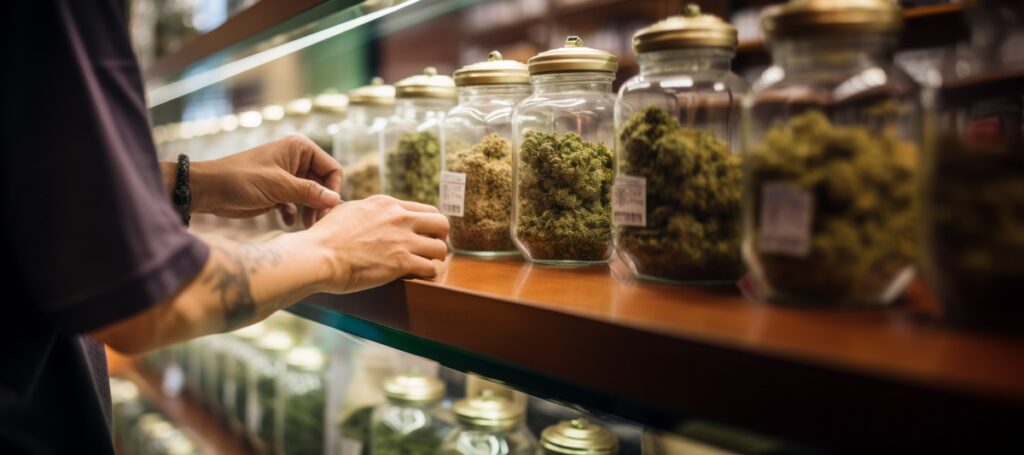
Rhode Island marijuana packaging regulations are evolving as the state refines its approach to cannabis safety, transparency, and consumer protection. Business owners need to understand these packaging rules to stay compliant in the Ocean State’s growing cannabis market.
Rhode Island’s packaging regulations focus on protecting consumers and promoting safe cannabis use. All cannabis products must follow these guidelines:
Not attractive to minors, avoiding cartoon characters, bright colors, or playful designs.
These standards help maintain product integrity and reduce risk for households, especially those with children or pets.
Rhode Island Cannabis Labeling Requirements
Cannabis labeling guidelines aim to provide consistent product information across all cannabis items. Each label must include:
Tetrahydrocannabinol (THC) and cannabidiol (CBD) content per serving and per package.
Serving size and total number of servings.
Full list of ingredients and allergens.
Manufacturing date, batch number, and expiration/use-by date.
Required warnings:
“Keep out of reach of children.”
“For adult use only.”
These rules help consumers make informed decisions and promote transparency in the legal cannabis market.
Updated Labeling Guidelines
Rhode Island has recently introduced a new set of labeling guidelines for all cannabis products, requiring specific warnings, formatting standards, and important contact information. These updates support safety, especially for consumers with limited cannabis experience.
All product warnings must be printed in bold text, using no smaller than 8-point font in Times New Roman, Calibri, Arial, or Helvetica.
To begin, all retail-ready cannabis products must have the following statement, preceded by the term “Warning”:
“This product contains cannabis. Store securely locked away from children.”
“It is unlawful to transport this product outside of Rhode Island.”
“Cannabis use may impair your ability to operate a motor vehicle or machinery.”
“Consumption while pregnant or breastfeeding may be harmful.”
Specific Product Warnings
Further exact warnings depend on the type of cannabis product and may look as follows:
For products meant to be smoked or vaporized: WARNING: This product contains cannabis. Store securely locked away from children. It is unlawful to transport this product outside of Rhode Island. Cannabis use may impair your ability to operate a motor vehicle or machinery. Consumption while pregnant or breastfeeding may be harmful. Smoking and Vaping is hazardous to your health.
For cannabis-infused edibles and ingestible products: WARNING: This product contains cannabis. Store securely locked away from children. It is unlawful to transport this product outside of Rhode Island. Cannabis use may impair your ability to operate a motor vehicle or machinery. Consumption while pregnant or breastfeeding may be harmful.
Effects of this product may be delayed.
For cannabis-infused topical products: WARNING: This product contains cannabis. Store securely locked away from children. It is unlawful to transport this product outside of Rhode Island. Cannabis use may impair your ability to operate a motor vehicle or machinery. Consumption while pregnant or breastfeeding may be harmful.
For Topical Application – Do Not Eat or Smoke.
Note that the statements “Effects of this product may be delayed” and “For Topical Application – Do Not Eat or Smoke” are boldened and with a 1pt font increase. This is how the statements need to appear on packaging.
In addition to the above warnings, all packaging must include two required statements, printed in at least 6-point font and placed anywhere on the package where it fits best:
American Association of Poison Control Center (800) 222-1222
The cannabis in this product has been tested by a regulated cannabis testing facility and has passed all required contaminant tests.
THC Warning Symbol Update
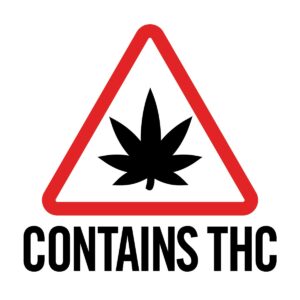
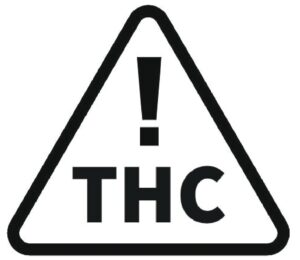
One of the most significant updates to Rhode Island’s cannabis packaging laws is a reduction in the required size of the universal THC warning symbol.
Previously, this symbol had to match the size of the brand logo, often leading to oversized or awkward designs that compromised branding. Now, the symbol only needs to be 1 inch by 1 inch, and it must appear on the front or most prominent part of the package.
This adjustment creates a major opportunity for cannabis companies to improve brand presentation while still complying with safety standards. Smaller warning labels mean cleaner designs, better logo visibility, and more flexibility in packaging aesthetics.
Proposed Changes to Rhode Island Marijuana Product Packaging
Rhode Island is reviewing its cannabis packaging laws to better reflect the needs of a growing market.
One proposed update focuses on easing Rhode Island marijuana packaging color restrictions, which currently require neutral tones to reduce appeal to minors. If this change is approved, cannabis brands can use a broader range of colors in their designs, as long as they avoid fluorescent or neon shades.
This shift could give businesses more room for creative branding while still meeting safety standards.
Regulators are also considering the use of QR codes on packaging. These codes would give consumers access to detailed lab results, cannabinoid profiles, and other key product information.
In addition, upcoming changes may expand labeling rules to include a wider range of cannabinoids beyond THC and CBD. This would offer a more complete view of each product’s chemical makeup.
Together, these updates are meant to modernize Rhode Island cannabis packaging and labeling guidelines, supporting both consumer transparency and industry growth.
Compliance Deadlines and Enforcement
Once new rules are finalized, licensed cannabis businesses will have a 90-day period to update existing products and meet the new requirements. During this transition, all packaging (whether updated or from older stock) must follow Rhode Island cannabis packaging standards and be submitted for approval before sale.
The Cannabis Control Commission monitors compliance closely. Products with non-compliant packaging can face enforcement actions, including fines, delayed product launches, or removal from dispensary shelves.
Final Word
Adhering to Rhode Island’s cannabis packaging and labeling regulations not only ensures legal compliance but also promotes consumer safety and trust.
Are you a cannabis business in Rhode Island ready to develop your cannabis packaging? Not sure where to begin?
Custom 420 Supply offers fully compliant cannabis packaging and labeling, following Rhode Island’s strict guidelines. If you’d like to learn more, we invite you to reach out through their contact page.
Frequently Asked Questions (FAQs)
What type of packaging is required for marijuana edibles in Rhode Island?
Marijuana edibles must be sold in child-resistant, tamper-evident, opaque packaging that clearly states dosage per serving, total THC/CBD content, ingredient list, and all required warnings.
Are there restrictions on cannabis product labeling in Rhode Island?
Yes. Labels must not include false health claims, cartoon imagery, or designs attractive to minors. Fonts must be legible, and content must include key data such as cannabinoid content, ingredients, and mandatory warnings.
What are the general requirements for cannabis packaging in Rhode Island regarding child resistance?
All cannabis packaging (both primary and exit packaging) must meet child-resistant standards as defined by the Poison Prevention Packaging Act. This means packaging must be difficult for children under five to open but accessible to adults.
As Virginia prepares to launch its recreational cannabis market in May 2025, understanding Virginia cannabis packaging regulations is critical for businesses aiming to enter the space compliantly.
From child-resistant packaging to strict labeling protocols, these guidelines help ensure consumer safety, product transparency, and prevent appeal to minors.
Whether you’re a processor, distributor, or future dispensary operator, staying up-to-date with the Virginia cannabis packaging regulations is a must.
Regulatory Authorities and Legal Foundations
Cannabis packaging regulations in the Old Dominion State are set by the Virginia Cannabis Control Authority (VCCA) and the Board of Pharmacy. These two agencies manage and enforce packaging and labeling laws based on the Virginia Administrative Code and the Code of Virginia.
Cannabis businesses must comply with two key legal references:
Title 3, Agency 10, Chapter 70: Packaging and Labeling Standards – This section outlines how cannabis products must be packaged to ensure consumer safety and product integrity.
§ 4.1-1603.1 of the Code of Virginia – This statute details specific packaging and labeling rules for cannabis products, including requirements for child-resistant containers and clear product information.
Both sets of rules aim to support safe cannabis use, reduce risk to minors, and provide clear guidance to licensed operators in Virginia.
Core Packaging Requirements
All cannabis products sold in Virginia must follow strict requirements to ensure safety and meet legal standards. These rules apply to both medical and adult-use cannabis products.
Child-resistant – Packaging must meet standards set by the Poison Prevention Packaging Act, helping to prevent accidental ingestion by children.
Tamper-evident and light-resistant – These features help protect the product from contamination and light exposure, which can degrade quality.
Opaque – Cannabis packaging in Virginia mandates that the contents are not visible, which helps reduce appeal and maintain privacy.
No appeal to minors – Packaging and branding cannot imitate candy, snacks, or drinks. It must avoid cartoons or imagery that could attract children or teenagers.
Following these rules helps businesses stay compliant and reinforces public health and safety efforts across the state.
Labeling Standards
To meet Virginia cannabis labeling standards, each cannabis product must include clear, detailed information to help consumers make informed decisions. Labels must include:
Processor’s name and address
Registered product name and description
Dosage instructions and the amount of product
Batch and serial numbers for traceability
Date of testing and packaging
Expiration date (limited to 12 months unless extended by stability testing)
Cannabinoid content – including THC, THCa, CBD, and CBDa
Terpene profile
List of active and inactive ingredients
Safety instructions and required Virginia cannabis product warnings
Lab analysis pass/fail results
All products must also display the universal cannabis symbol in Virginia, which signals that the item contains cannabis.
Bulk Product Labeling
Cannabis oil, botanical cannabis, and other bulk-packaged products in Virginia must follow specific bulk product labeling rules when they are not prepared for final sale.
Each bulk package must include:
Name and addresses of both the distributing and receiving processors
Product weight or quantity
Contents and strain name
A clear “Not Packaged for Final Sale” statement
A unique serial number for tracking
Harvest and packaging dates
These labels help maintain product traceability and ensure that bulk items are handled properly before retail packaging.
Dispensing Labels from Pharmacists
For dispensary cannabis in Virginia, pharmacists must add a separate dispensing label that gives patients clear and accurate product information. This label must include:
Serial number
Strength and amount of the product
Dispensing date
Patient name and prescribing doctor’s name
Usage directions
Storage requirements
Expiration date
Full terpene and cannabinoid profile
Testing results
These labels ensure patients receive safe, consistent products with proper guidance for use.
Special Rules for Hemp-Derived Products
Hemp-derived products (i.e. CBD oil) must also meet strict packaging rules under Virginia law. Still, these are similar to the above-mentioned regulations:
Child-resistant and tamper-evident features
A complete ingredient list
Clear display of THC content per serving and per package
Defined serving size
A visible statement: “Product may not be sold to persons younger than 21 years of age.”
A certificate of analysis (CoA) from an accredited lab confirming safety and compliance
Storage and Disposal Guidance
To follow cannabis packaging regulations, proper storage and disposal practices are mandatory for safety and legal compliance.
Store all cannabis products in a secure location, out of reach of minors.
To dispose of expired or unused products, mix them with undesirable substances like dirt or coffee grounds. Then, seal the mixture in a container before placing it in the trash.
Usable cannabis must be discarded within ten days after a patient’s certification expires.
These steps help prevent misuse and reduce accidental exposure, especially for children and pets.
Final Word
As Virginia’s cannabis industry continues to grow, staying informed about evolving packaging and labeling restrictions is crucial for compliance and consumer safety.
If you’re a cannabis business in Virginia and unsure where to begin, Custom 420 Supply has you covered. We offer fully compliant cannabis packaging and label/brand design to ensure you stand out and maintain legal standards.
Interested in starting? We invite you to reach out through our contact page today!
Frequently Asked Questions (FAQs)
Can cannabis products in Virginiamarketthrough their packaging?
To a degree. Packaging cannot be designed to appeal to children or mimic commercially available snacks, candies, or beverages. Any form of marketing through packaging that could attract minors is prohibited.
Are there any special requirements for packaging cannabis edibles in Virginia?
Yes. Edibles must be in child-resistant, opaque, and tamper-evident packaging. They must not resemble familiar food brands and clearly indicate THC content, dosage, and include all required warnings and the universal cannabis symbol.
How do you test for cannabis product compliance with Virginia’s packaging regulations?
Packaging and labeling are reviewed by the Virginia Cannabis Control Authority to ensure they meet all legal standards.
As the North Star State expands its legal cannabis framework, understanding the intricacies of Minnesota cannabis packaging regulations is essential for businesses and consumers alike. Whether you’re a medical cannabis provider, a hemp-derived product manufacturer, or part of the growing adult-use market, compliance starts with how you present your product.
This article outlines the latest Minnesota cannabis packaging requirements and labeling standards to help you stay on the right side of the law.
Overview of Minnesota’s Cannabis Regulatory Environment
Minnesota has made clear progress in shaping its cannabis industry. In 2023, the state legalized adult-use cannabis, building on its medical program that has been in place since 2014.
This shift introduced a formal structure of rules that focus on how cannabis products must be packaged and labeled, with an emphasis on consumer safety, child protection, and transparency.
Two agencies are responsible for overseeing these regulations:
This dual-agency oversight ensures that both sectors of the cannabis market operate under clear, consistent rules.
Packaging Requirements
Minnesota’s cannabis packaging rules are divided by product category, with separate guidelines for medical and adult-use cannabis. While both follow strict safety and labeling standards, each category has specific requirements based on how the product is used and distributed.
Medical Cannabis Packaging
Minnesota mandates that medical cannabis packaging adhere to specific design standards to ensure safety and prevent appeal to children. Containers must be:
Plain, without unnecessary branding or images, except for the manufacturer’s business name or logo.
Tamper-evident, to indicate if the package has been opened before purchase.
Child-resistant, meeting the same standards as prescription containers.
Designed to maximize shelf life, ensuring product stability over time.
Adult-Use and Hemp-Derived Packaging
For adult-use cannabis and hemp-derived cannabinoid products, Minnesota enforces similar packaging requirements:
Opaque, preventing visibility of the product inside.
Tamper-evident and child-resistant, ensuring product integrity and safety.
Prohibition of packaging that resembles commercial candy or snack brands, to avoid appeal to children.
Ban on the use of perfluoralkyl substances (PFAS) in packaging materials.
There’s one exception to these rules: low-potency hemp edibles intended for consumption as beverages are not required to have child-resistant closures, but still must be sealed and opaque to comply with tamper-evident cannabis packaging in Minnesota.
Labeling Requirements
Labeling is a critical component of Minnesota’s cannabis product compliance. Distinct requirements apply depending on the type of cannabis product:
Medical Cannabis Labeling
Medical cannabis products in Minnesota must include the following information on their labels:
Patient’s registry identification number, name, and date of birth.
Designated registered caregiver’s name and date of birth, if applicable.
The patient’s parent or legal guardian’s name, if listed on the registry verification.
Patient’s address.
Name and address of the medical cannabis manufacturer.
Chemical composition of the medical cannabis.
Recommended dosage.
Directions for use.
All ingredients, listed with common or usual names, including any colors, artificial flavors, and preservatives, in descending order by weight.
Date of manufacture and batch number.
Additionally, labels must not include any false or misleading statements regarding health or physical benefits to the patient.
Adult Use and Hemp-Derived Labeling
For adult-use cannabis and hemp-derived cannabinoid products, Minnesota requires labels to include:
Product name, type, and net weight or volume.
Exact amount of cannabinoids, including tetrahydrocannabinol (THC) and cannabidiol (CBD) per serving and in total.
Complete list of ingredients, including any major allergens.
Manufacturer’s name, license number, and contact information.
Production and expiration dates.
A clearly printed warning: “Keep this product out of reach of children.”
Universal Cannabis Symbol Requirement
Minnesota law mandates that all cannabis flower, cannabis products, lower-potency hemp edibles, and hemp-derived consumer products display a universal symbol on their packaging. This symbol, established by the Office of Cannabis Management, signifies that the product contains cannabis or hemp-derived cannabinoids.
The universal symbol must be clearly visible on the product’s packaging, ensuring consumers can easily identify regulated cannabis items. This requirement applies across both medical and adult-use markets, promoting transparency and safety in Minnesota’s cannabis industry.
Branding and Marketing Restrictions
Minnesota enforces strict regulations on cannabis branding and marketing to protect public health and prevent appeal to minors.
Prohibited Branding Elements
Imitating existing food and beverage trademarks, especially those marketed to children.
Using imagery that appeals to individuals under 21, such as cartoons, bright colors, or characters.
Suggesting that medical cannabis products are for recreational use.
Including false or misleading health claims.
Product Naming Requirements
Names must clearly indicate that the product contains cannabis and specify whether it is for medical or adult use.
Strain names likely to appeal to children may only be used on the manufacturer’s website and in distribution facilities.
THC Limits and Serving Sizes
Minnesota enforces strict dosage limits on cannabis products to prevent accidental overconsumption:
Maximum 5mg THC per serving
Maximum 50mg THC per package
If a product cannot be divided into discrete servings, it must be packaged and sold as a single serving. These limits apply to both hemp-derived and adult-use products.
Resources for Compliance
Staying compliant with Minnesota’s cannabis packaging and labeling regulations is essential for businesses in this sector. To assist, the state provides several guidance documents:
These resources are invaluable for businesses aiming to ensure their products meet Minnesota’s cannabis compliance standards.
Final Word
Navigating Minnesota cannabis packaging regulations is essential for operating legally and responsibly within the state’s growing industry.
Not sure where to get started? Custom 420 Supply is here to help!
All our cannabis packaging is designed to ensure you follow the North Star State’s cannabis compliance guidelines. Want to learn more? We invite you to reach out through our contact page.
Frequently Asked Questions
Does Minnesota require specific packaging for medical cannabis products?
Yes. Medical cannabis packaging must be plain, child-resistant, tamper-evident, and not designed to appeal to children or mimic non-cannabis consumer products.
What are the labeling requirements for edible cannabis products in Minnesota?
Edible cannabis products must be labeled with serving size, cannabinoid content per serving and package, full ingredient list (including allergens), manufacturing info, and a warning to keep out of children’s reach.
Are there any penalties for non-compliance with cannabis packaging regulations in Minnesota?
Yes. Violating cannabis packaging and labeling laws can result in product recalls, fines, license suspensions, or even revocation by regulatory bodies, like the OCM and MDH.
The cannabis industry is booming, but staying compliant with Arizona marijuana packaging laws is critical for dispensaries and product manufacturers alike. As marijuana is legal for both medical and recreational use in the state, Arizona enforces strict guidelines to ensure consumer safety, product transparency, and responsible marketing.
This guide breaks down the current laws surrounding marijuana packaging in Arizona, helps you understand what’s required, what’s restricted, and how to stay compliant.
Legal Framework Governing Packaging & Labeling
Arizona’s cannabis packaging and labeling laws are set by the Arizona Revised Statutes (A.R.S.) and further defined through the Arizona Administrative Code (A.A.C.). These laws apply to both medical and recreational marijuana products.
Under A.R.S. § 36-2854.01, the state outlines general labeling and packaging requirements, including clear visibility of product details and health warnings. A.R.S. § 36-2860 restricts how marijuana products can be packaged and appear, including rules to prevent marketing to minors or imitating commercial food brands.
The A.A.C., specifically R9-18-310, goes further by listing exact labeling and packaging standards, while R9-18-309 governs the lawful sale or transfer of marijuana products, including how they’re labeled at the distribution point.
The Arizona Department of Health Services (ADHS) enforces these rules. Failure to comply may result in fines, license suspensions, or permanent license revocation.
Packaging Requirements in Arizona
Arizona has clear rules for how marijuana products must be packaged before sale. These rules are in place to protect consumers, especially minors, and ensure that products are stored and presented safely. They include:
This is a part of the child-resistant packaging requirements in Arizona, aimed at reducing the risk of accidental ingestion by minors.
Acceptable Packaging Materials
Arizona requires the use of safe, non-toxic materials that do not interact with or leak chemicals into cannabis products. Containers must also be opaque or concealed so the product is not visible to the consumer. This helps prevent misuse and supports proper storage.
Prohibited Packaging Practices
Arizona law bans packaging that targets or attracts children. This includes using cartoon characters, toy-like shapes, or designs that copy popular snacks or commercial items. These restrictions fall under prohibited imagery on Arizona cannabis packaging and are closely monitored by state regulators.
Labeling Requirements
Arizona requires cannabis product labels to include specific information to ensure consumer safety and regulatory compliance.
What Labels Must Include
Under Arizona cannabis labeling regulations, labels must display:
The name and license number of the marijuana establishment
The net weight or volume of the product
A full ingredient list in descending order for infused products
The strain name, batch number, and product form
Potency information, including THC and CBD content labeling in Arizona
The expiration date
The Arizona marijuana product warning statement mandated by state law, which says:
“ARIZONA DEPARTMENT OF HEALTH SERVICES’ WARNING: Marijuana use can be addictive and can impair an individual’s ability to drive a motor vehicle or operate heavy machinery. Marijuana smoke contains carcinogens and can lead to an increased risk for cancer, tachycardia, hypertension, heart attack, and lung infection. Marijuana use may affect the health of a pregnant woman and the unborn child. KEEP OUT OF REACH OF CHILDREN.”
Universal Warning Symbol
Arizona also mandates the inclusion of a universal cannabis symbol on all marijuana product packaging. This symbol must be prominently displayed to clearly identify items containing tetrahydrocannabinol (THC). The requirement ensures that consumers can easily recognize cannabis products, thereby reducing the risk of accidental ingestion, especially by children.
QR Code Compliance
Labels must include a scannable QR code that links to detailed product information, a requirement specific to quick response codes on Arizona cannabis packaging. This must include:
Lab test results
THC extraction method
Manufacturing and harvest dates
Warning about marijuana use during pregnancy
Distribution and transportation history
Differences Between Medical & Recreational Labeling
While there’s a shared set of Arizona marijuana packaging laws across all cannabis products, there are key differences between medical and recreational labeling. These differences help consumers make informed choices based on their use and needs.
Medical marijuana products must include extra details that support patient use. This includes precise dosage information, which outlines how much THC or CBD is in each serving, and a clearly marked expiration date to ensure the product is used while still effective.
Recreational cannabis products, on the other hand, follow more standardized language. They are not required to display dosage per use unless the product is also sold for medical purposes. However, recreational labels still need to meet the same rules for safety, ingredient listing, and transparency.
Enforcement & Penalties
The Arizona Department of Health Services (ADHS) oversees compliance with cannabis packaging and labeling rules. The department regularly inspects licensed facilities and reviews packaging to ensure all products meet legal standards for safety, transparency, and consumer protection.
If a marijuana establishment fails to comply with Arizona marijuana packaging laws, it may face serious consequences, including:
Civil penalties and fines for each violation.
Product recalls requiring the removal of non-compliant items from retail shelves.
Suspension or revocation of a business’s cannabis license, which can halt operations entirely.
ADHS treats violations seriously, especially those that could pose risks to public health or safety, such as mislabeled potency or packaging that appeals to children.
Best Practices for Staying Compliant
Cannabis businesses should take a proactive approach to complying with Arizona cannabis packaging laws and avoiding penalties. These practices help ensure ongoing compliance as regulations shift.
Audit your packaging frequently to confirm it meets current legal standards. Regular reviews can catch issues before products reach the market.
Train your team on new and existing regulations so that everyone involved in production, packaging, and sales understands the rules. Clear training reduces the chance of unintentional errors.
Work with legal counsel or compliance experts who understand Arizona cannabis laws. Their guidance can help you avoid violations that could lead to product recalls or license suspensions.
Monitor updates from the Arizona Department of Health Services, as the state may adjust labeling or packaging rules in response to public health data or legislative changes.
Final Word
As the cannabis industry matures in the Grand Canyon State, Arizona marijuana packaging laws play a vital role in shaping a safe and transparent marketplace. For businesses, staying compliant isn’t just about avoiding penalties; it’s about building trust with customers and setting a standard for quality.
Are you a cannabis business owner in the state of Arizona and unsure how to navigate packaging compliance? Custom 420 Supply is here to help! We invite you to reach out through our contact page to learn more about what we can offer your organization.
Frequently Asked Questions (FAQs)
Are there restrictions on the appearance of marijuana products and their packaging in Arizona?
Yes. Arizona prohibits packaging that appeals to minors, including the use of cartoons, toys, and product mimicry. Packaging must not resemble commercially available non-cannabis items and must be child-resistant and opaque.
What are the child-resistant packaging requirements for cannabis products in Arizona?
All cannabis products sold in Arizona must be packaged in child-resistant containers that are significantly difficult for children under five to open, but easy for adults to use. Reusable packaging must maintain child-resistance after repeated use.
As the Silver State’s cannabis market expands, staying compliant with state regulations becomes important—especially when it comes to Nevada marijuana packaging requirements. Proper packaging supports safety, improves transparency, and helps prevent products from appealing to minors.
Whether you’re building a cannabis business or learning more about this industry, this guide breaks down key Nevada cannabis packaging compliance guidelines and how to avoid costly errors.
Understanding Nevada’s Regulatory Framework
Packaging and labeling rules are governed by the Nevada Cannabis Compliance Board (CCB) and detailed under NRS Chapter 678D and NAC Chapter 453D. These statutes aim to protect consumers and establish clear expectations for cannabis businesses.
NRS 678D outlines the legal requirements for adult-use cannabis, including packaging and labeling standards. For instance, it specifies tetrahydrocannabinol (THC) content limits per package and mandates clear labeling of THC servings.
NAC 453D provides detailed regulations on packaging materials, labeling procedures, and storage requirements. It emphasizes the need for child-resistant packaging, proper labeling of THC content, and prevention of packaging that appeals to children.
Compliance with these regulations is crucial for operating legally and responsibly in Nevada’s cannabis market.
Packaging Requirements for Nevada Cannabis Products
Cannabis products must adhere to specific packaging standards to ensure safety and compliance.
For example, it’s required to have child-resistant packaging for marijuana products in Nevada. This means it’s difficult for children under five to open these products while remaining accessible to adults.
For multi-use items, the packaging must be resealable to maintain its child-resistant properties after initial opening. Furthermore, if the product is not individually wrapped, the packaging must be opaque to prevent visibility of the contents.
On top of this, all cannabis items must be placed in tamper-evident marijuana packaging in Nevada. This includes mechanisms such as seals, shrink bands, or breakable closures that clearly indicate if the product has been previously opened.
These measures not only assure consumers but also comply with legal requirements to ensure product safety throughout the supply chain.
Nevada Cannabis Labeling Requirements
Nevada cannabis labeling requirements mandate that all cannabis products carry clear and accurate labels to ensure customer safety and informed usage. Labels must be easy to read and include the following:
Business name and license number of the manufacturer.
Batch ID and production run number to trace product origin.
Name and address of the dispensary where the product is sold.
Dates of manufacture, packaging, and expiration or best-use date to inform consumers of product freshness.
THC and cannabidiol (CBD) content, specified in milligrams per serving and per package (more on this below).
List of ingredients and major allergens, as identified in 21 U.S.C. § 343.
Net weight or volume of the product.
Instructions for use, if applicable.
These requirements help consumers make informed decisions and minimize risks related to dosing or allergens.
Under THC and CBD content labeling laws in Nevada, products must clearly display the cannabinoid content as follows:
Per serving, with each serving containing no more than 10 milligrams of THC.
Per package, with a maximum of 100 milligrams of THC for edible products.
Optionally, by individual cannabinoids, such as delta-9 THC or cannabidiolic acid (CBDa).
Warning Statements and Imagery Restrictions
In addition to the previously mentioned labeling requirements, Nevada mandates a universal warning label for cannabis products. This label appears as follows and can be downloaded through the CCB’s website.
Furthermore, Nevada law mandates the following cautionary statements on all cannabis product packaging:
“THIS IS A MARIJUANA PRODUCT.”
“Keep out of reach of children.”
“This product may have intoxicating effects and may be habit forming.”
“Caution: When eaten or swallowed, the intoxicating effects may be delayed by 2 or more hours.”
“This product may be unlawful outside the State of Nevada.”
These statements must be clearly visible and legible, often printed in bold or capital letters, to ensure consumer awareness and safety.
On top of these warning labels, there’s prohibited imagery on Nevada cannabis packaging to protect minors and prevent misleading marketing. These include:
Cartoon characters
Toy-like fonts or mascots
Packaging resembling candy, snacks, or soda
Designs appealing to children or teens
Violating these rules can result in license suspension or significant fines. Companies must review all designs for compliance to avoid penalties.
Edibles and Multi-Serving Packaging Rules
Nevada enforces specific packaging requirements for cannabis edibles and multi-dose products (i.e. tinctures) to ensure consumer safety and compliance:
Separation of Servings – Each serving must be clearly separated, scored, or individually wrapped to facilitate accurate dosing.
Child-Resistant and Resealable Packaging – Packages must be resealable and child-resistant, maintaining their effectiveness for multiple openings.
THC Limits:
Per Package – A single package must not contain more than 100 milligrams of THC.
Per Serving – Each serving must not exceed 10 milligrams of THC.
Alternative for Impractical Separation – If separation isn’t feasible (for example, with infused drinks or sauces), the product must not exceed 10 milligrams of THC per package.
These regulations promote responsible consumption and prevent accidental overconsumption, particularly among inexperienced users.
Packaging Pre-Approval and Compliance Procedures
Before launching any cannabis product in Nevada, packaging and labeling designs must receive pre-approval from the Cannabis Compliance Board (CCB). This process ensures that all materials comply with state regulations and helps prevent costly product recalls or delayed market entry.
As part of the Nevada cannabis packaging compliance guidelines, companies must:
Submit Packaging and Labeling Designs for Review – All packaging and labeling materials must be submitted to the CCB for approval prior to use. Only licensed establishments and their designers may request approval for packaging. For additional guidance, email [email protected].
Maintain Records of Compliance Documentation – Companies must keep detailed records of all packaging and labeling approvals, including design submissions and correspondence with the CCB.
Update Materials Regularly Based on Evolving Regulations – The cannabis industry is subject to changing laws and regulations. Companies must ensure that their packaging and labeling materials are updated to reflect any new requirements.
Final Word
Following Nevada marijuana packaging requirements is essential for legal operation and consumer safety. These rules help prevent underage access, ensure accurate product information, and maintain public trust.
Do you own a cannabis business in Nevada and are unsure if your packaging and labeling are compliant? Custom 420 Supply is here to help!
We develop packaging and labeling that’s 100% legal under Nevada’s regulations. Want to learn more? We invite you to reach out through our contact page.
Frequently Asked Questions (FAQs)
What information must be included on cannabis product labels in Nevada?
Labels must show the business name and license number, batch ID, dispensary details, manufacture and expiration dates, THC/CBD content, ingredients, allergens, weight or volume, and use instructions.
What imagery is prohibited on cannabis packaging in Nevada to prevent appeal to children?
Nevada bans cartoon characters, toy-like fonts, mascots, and packaging that mimics candy, soda, or snacks to prevent marketing to minors.
Are there specific labeling requirements for THC and CBD content on cannabis products in Nevada?
Yes. Labels must clearly list THC and CBD content per serving and per package. Each serving must not exceed 10mg of THC, with a maximum of 100mg per package.
As the Buckeye State’s cannabis industry grows, businesses must understand Ohio cannabis packaging regulations to stay compliant and protect their customers. Following these rules helps ensure product safety, supports public health, and strengthens consumer confidence. Proper packaging is required by law and plays a key role in building a responsible brand.
Regulatory Authorities and Relevant Legislation
The Ohio Medical Marijuana Control Program (MMCP), overseen by the Ohio Department of Commerce, sets forth the primary cannabis packaging regulations. Several key administrative codes guide the packaging and labeling requirements for cannabis cultivators, processors, and dispensaries:
Rule 3796:2-202 – Governs packaging and labeling for cultivators and plant-only processors.
Rule 3796:3-2-02 – Details requirements of cannabis product processors.
Rule 3796:6-3-09 – Addresses dispensary responsibilities, including final packaging before sale.
Packaging Requirements
Compliance with Ohio cannabis packaging regulations is crucial for businesses to maintain legal operation and consumer trust. These regulations protect public health and prevent unintended use, especially among children. Key packaging requirements include the following:
Child-Resistant Design – Packaging must be difficult for children under five to open, reducing the risk of accidental ingestion.
Contamination Prevention – Materials used must protect the product from contamination during storage and handling, ensuring product integrity.
Opaque or Light-Resistant Materials – Packaging should shield contents from light exposure to preserve product quality.
Physical and Environmental Protection – Packaging must safeguard the product from physical damage and environmental factors during storage and transportation.
Tamper-Evident Features – Packages should have indicators or barriers to entry that provide visible evidence if the product has been tampered with.
Furthermore, Ohio has some restrictions to prevent appeal to children:
Prohibited Imagery and Branding – Packaging must not use cartoons, mascots, or any imagery that could attract minors.
Avoidance of Product Mimicry – Designs should not imitate existing non-cannabis products, especially those commonly consumed by children (i.e. candies or snacks).
Plain and Clear Labeling – Packaging should avoid flashy designs and clearly state that the product contains cannabis, aiming to minimize appeal to underage individuals.
Adhering to these regulations is not only a legal obligation but also a commitment to consumer safety and responsible business practices. Regularly reviewing and updating packaging in line with Ohio cannabis packaging laws will help businesses remain compliant and protect their customers.
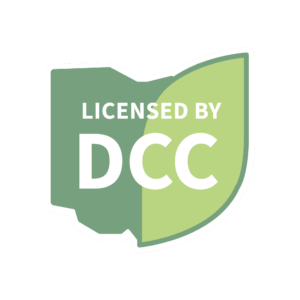
DCC Packaging Seal
The Ohio Division of Cannabis Control (DCC) Packaging Seal shows a product is licensed, tested, and regulated. It helps protect patients and consumers by marking legal products.
Licensees must:
Place the seal on the front or main panel
Use a minimum size of 1/4 inch by 1/4 inch
Print it in the exact colors and design provided—no changes allowed
The seal can be printed or used as a secure sticker. If you require this seal, you can find download options here.
Labeling Requirements
Ohio cannabis labeling guidelines are set to provide patients with clear and accurate product information. The Ohio Administrative Code outlines specific labeling requirements as follows:
Product Identity – Clearly state the product type (i.e. “medical marijuana flower”)
Net Weight or Volume – Indicate the exact weight or volume of the product.
Concentration of THC and CBD – Provide precise measurements of tetrahydrocannabinol (THC) and cannabidiol (CBD) content per dose and per package.
Batch Number – Assign a unique batch number for tracking and quality control.
Unique Identification Number – Include the unique ID from the seed-to-sale tracking system for traceability.
Warnings – Display essential warnings, including “Keep out of reach of children” and “For medical use only.”
Additionally, labels must feature:
Cultivator Information – Name and license number of the cultivator.
Dispensary Details – Name, address, and license number of the dispensing facility.
Patient Information(for medical marijuana) – Patient’s name and registration number.
Adhering to these Ohio medical marijuana labeling rules ensures transparency, enhances patient safety, and maintains compliance with state regulations.
Dispensary Packaging Standards
Ensuring compliance with Ohio dispensary packaging standards is essential for dispensaries to maintain product integrity and consumer safety. Key packaging compliance steps include the following:
Verify Proper Sealing – Ensure all products are securely sealed in child-resistant, tamper-evident, and light-resistant packaging approved by the Ohio Department of Commerce.
Ensure Compliance of Secondary Packaging – Confirm that secondary packaging (i.e. exit bags) complies with Ohio’s regulations, including restrictions on promotional designs and cartoons that may appeal to children.
Avoid Misleading Imagery – Packaging must not feature designs or images that could mislead consumers or appeal to children, in line with Ohio’s guidelines to prevent such content.
By meticulously following these steps, dispensaries can ensure Ohio marijuana packaging compliance, safeguarding both consumers and their business operations.
Common Compliance Pitfalls
Navigating Ohio’s cannabis regulations requires attention to detail. Therefore, it’s in your interest to ensure your packaging doesn’t encounter the following compliance challenges:
Using Unapproved Packaging Designs – Opting for packaging that does not meet state standards can lead to regulatory issues. For instance, the Ohio Department of Commerce issued a consumer alert about products with packaging resembling children’s snacks, highlighting significant safety concerns.
Incomplete Product Information – Failing to provide comprehensive details on product labels (i.e. cannabinoid content and batch numbers) can result in non-compliance. The Ohio Administrative Code mandates that labels include specific information (see above) to ensure transparency and traceability.
Inconsistent Use of State-Mandated Warning Signs – Neglecting to display required warnings, like “Keep out of reach of children” and “For medical use only,” can lead to safety risks and legal repercussions. Recent alerts emphasize the importance of adhering to these labeling standards to protect consumers.
Non-Compliant Child-Resistant Features – Utilizing packaging that lacks child-resistant mechanisms fails to meet safety requirements, potentially resulting in accidental ingestion by minors. Ensuring that all products are sealed in child-proof, tamper-evident, and light-resistant packages is essential for compliance.
It’s important to regularly review official communications to stay on top of Ohio cannabis packaging regulations. Furthermore, you’ll want to consult legal experts to avoid costly fines, license suspensions and ensure the safety and satisfaction of consumers.
Final Word
Compliance with Ohio cannabis packaging and labeling regulations is essential for businesses to ensure product safety, transparency, and legal operations.
Not sure where to begin? Custom 420 Supply is here to help! We offer custom packaging that adheres to all packaging and labeling laws in Ohio.
Want to learn more? We invite you to reach out through our contact page!
Frequently Asked Questions (FAQs)
What are the key packaging requirements for cannabis products in Ohio?
Cannabis products must be in child-resistant, tamper-evident, and opaque packaging. Designs must not appeal to children, and packaging must protect products from contamination and damage.
What labeling information must appear on cannabis packaging in Ohio dispensaries?
Labels must include the product name, net quantity, THC and CBD content, batch number, seed-to-sale ID, and state-mandated warnings.
Are there any restrictions on cannabis packaging design in Ohio?
Yes. Packaging cannot feature cartoons, bright colors that appeal to minors, or misleading claims. All designs must comply with MMCP rules to avoid regulatory issues.