by Scott Katz | Oct 25, 2023 | Cannabis Branding, Cannabis Packaging
Marijuana packaging types (or cannabis packaging) have witnessed tremendous transformations over the years. Beyond its growth, use, and legal status, an often overlooked but pivotal facet of its journey has been the evolution of marijuana packaging.
As industries mature, the sophistication and functionality of their packaging evolve, and the cannabis industry is no exception. Let’s journey to understand this evolution from then to now!
Historical Roots: Simple and Stealthy
Historically, marijuana packaging types were rudimentary, often prioritizing stealth and discretion. During the times when cannabis was frowned upon or illegal in many regions, the primary objective was to mask its scent and make its transport and storage inconspicuous. The most common forms were:
- Brown paper packages
- Glass jars
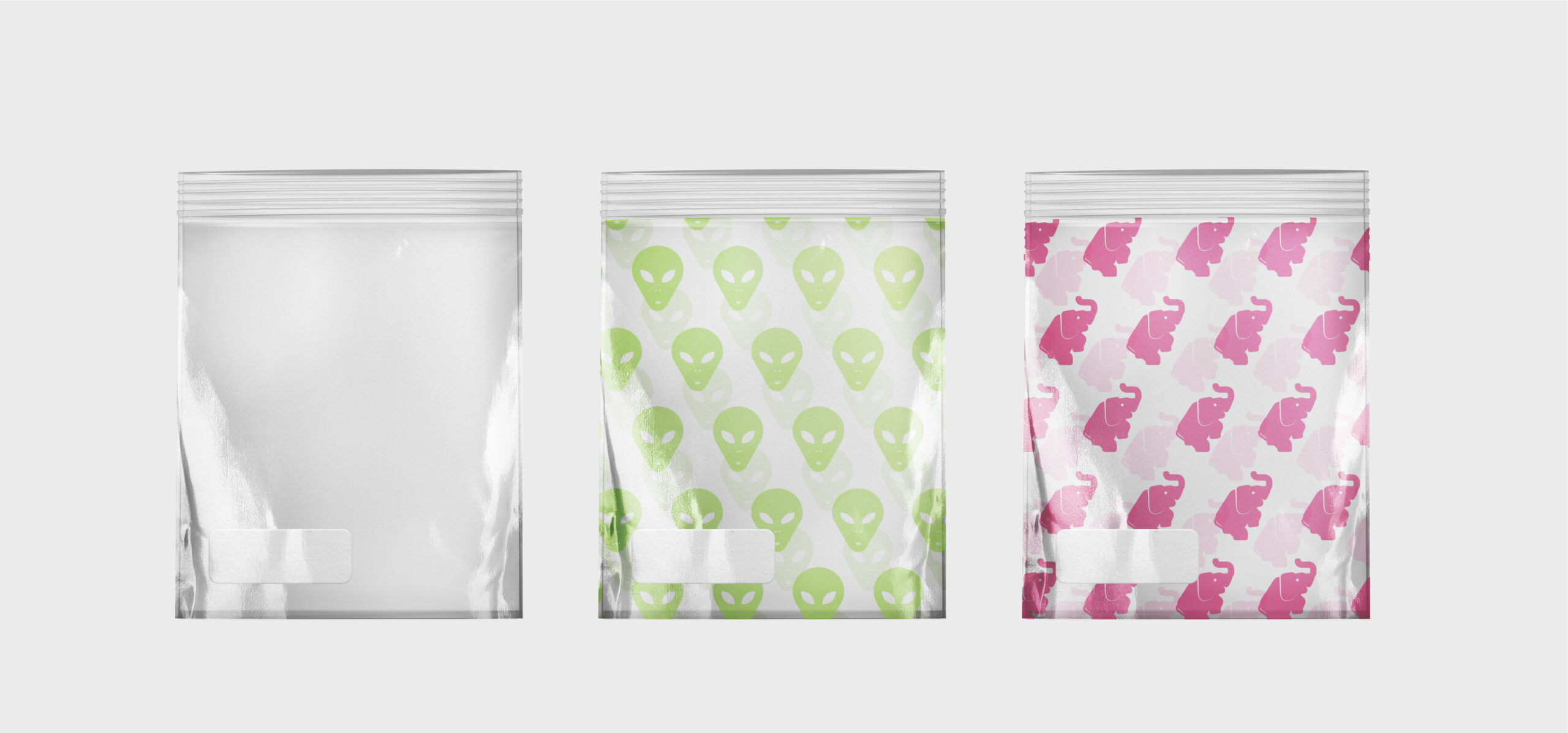
- Zip-lock bags
These methods were efficient in keeping the herb dry. However, they did little to preserve its potency or aroma over time.
Rise of Legalization: Emphasis on Compliance and Safety
As countries and states began legalizing medicinal and recreational marijuana, a surge in demand led to the industry scaling rapidly. With legalization came the need for regulation and standardization.
Packaging evolved to meet stringent guidelines that require child-resistant containers, opaque materials, and clear labeling indicating tetrahydrocannabinol (THC) content and other relevant information. The days of packaging in dime baggies were officially over.
Moreover, as marijuana products diversified (with edibles, tinctures, and concentrates), specialized packaging solutions arose. For instance, edibles require a package that keeps products fresh and communicates dosage.
Branding and Market Differentiation
In recent years, as the stigma surrounding marijuana continues to wane and the market becomes saturated, brands have recognized the need to differentiate themselves from competitors. This brought about a new era in marijuana packaging design, where aesthetic appeal, branding, and user experience became paramount.
Now, brands vie for consumer attention with innovative packaging designs that convey their ethos, story, and product quality. From eco-friendly materials to intricate designs and luxury finishes, marijuana packaging has become an art form in and of itself.
Sustainability: A Shift Towards Eco-Friendly Packaging
The global push towards sustainability has also made its mark on marijuana packaging. Brands now opt for biodegradable, recyclable, or compostable materials to reduce their carbon footprint. This shift caters to environmentally conscious consumers and aligns with many regulatory bodies advocating for sustainable packaging solutions.
The Future: Smart Packaging and Tech Integration
Looking ahead, marijuana packaging is set to embrace technology integration. With the advent of smart packaging, brands can include QR codes for consumers to verify product authenticity, access strain-specific information, or even get personalized consumption recommendations.
Additionally, tech-driven solutions like humidity control and UV protection promise to keep marijuana products fresh for longer. This enhances the overall consumer experience.
Conclusion: A Reflection of Broader Industry Trends
The evolution of marijuana packaging mirrors the broader shifts in the cannabis industry and society at large. From simple, clandestine methods to sophisticated, branded, and sustainable solutions, marijuana packaging has come a long way.
As the industry grows and matures, we can anticipate further innovations that prioritize user experience and environmental responsibility. If you have needs for specific packaging types or need help staying compliant, contact us today!

by Scott Katz | Oct 13, 2023 | Cannabis Packaging, Cannabis Packaging Manufacturing
We delve deep into the Chinese New Year, an event rich in tradition/cultural significance and tangible impacts on global supply chains. The festival is celebrated in China and by Chinese communities worldwide. It’s synonymous with family gatherings, delectable cuisines, and vibrant displays. Yet, beneath the surface of celebrations, lies a pivotal influence on the flow of goods and services internationally.
The Essence of Chinese New Year
We must immerse ourselves to understand the very essence of the Chinese New Year. And to appreciate its overarching influence on production and supply facets.
Stemming from lunar calendar observances, the festival typically occurs between January 21 and February 20, engulfing the nation in weeks of preparation and celebration. The festival encompasses far more than a single day of celebration; it’s an approximately 15-day affair, culminating in the Lantern Festival. This extended period is a time of halted operations, ceased production, and a palpable slowdown across various industrial sectors.
Impact on Manufacturing
Our focus shifts towards the substantive impacts on manufacturing sectors during the festival period. With factories and production units shutting down or operating at minimized capacities, a ripple effect permeates through global supply chains. More specifically affecting industries highly involved with Chinese manufacturing, such as packaging, electronics, textiles, and more.
The pause in manufacturing output does not merely span the official holiday duration. It extends for weeks (if not months) on either side due to preparatory and recovery periods.
Pre-Emptive Strategies and Preparations by Businesses
Proactive businesses, acutely aware of the impending manufacturing hiatus, often engage in strategic planning, such as stockpiling inventory to mitigate potential shortages. The anticipatory strategies may include advancing production schedules, establishing alternative supplier relationships, and augmenting inventory levels. These tactical moves aim to ensure continuity in supply chains, safeguarding against production disruptions emanating from the festive cessation.
Post-Festival Recovery and Reinitiation
The post-festival period is no less critical, embodying a phase of recovery and reinitiation for industries and supply chains alike. The reactivation of manufacturing units, reinstating labor forces, and re-establishing production rhythms collectively delineate a period that demands meticulous management to regain pre-festival operational levels. This recovery phase frequently witnesses a surge in production to compensate for the preceding dormant period, aiming to stabilize supply chains and fulfill pent-up demand.
Global Supply Chain Disruptions
The Chinese New Year’s monumental effect is not confined to localized regions but infiltrates global supply chain mechanisms. International businesses, particularly those reliant on Chinese-produced components, inevitably encounter disruptions, manifesting as delayed shipments, inventory shortages, and cascading effects on production schedules elsewhere.
These ramifications underline the necessity of understanding and strategically planning around the Chinese New Year to navigate through the inevitable turbulence effectively.
Final Word
In conclusion, the Chinese New Year transcends its cultural and festive significance. It embeds substantive influences on manufacturing and global supply chains. The festival’s timeline, enveloping preparatory, celebratory, and recovery phases, necessitates astute strategic planning and adaptive mechanisms from businesses worldwide.
Many manufacturing facilities rely on components from China even if they produce elsewhere. Here at Custom 420 Supply, we can help you prepare ahead of time and forecast your packaging needs to work around supply chain disruptions. Do not get caught behind the curve by under-preparing!