How to Start a Cannabis Brand: The Complete Step-by-Step Guide

How to Start a Cannabis Brand: The Complete Step-by-Step Guide

The cannabis industry is booming, and entrepreneurs are taking notice. If you’re wondering how to start a cannabis brand, you’re stepping into a market full of opportunity.

However, it’s not as simple as growing a plant or selling a product. Successful cannabis brands require careful planning, compliance with local or national regulations, strategic branding, and smart business operations.

This guide will walk you through how to start a cannabis brand from scratch. You’ll learn how to:

  • Choose the right business model
  • Conduct market research
  • Navigate licensing and compliance
  • Build efficient operations
  • Develop a strong brand identity
  • Launch products safely and effectively

Even if you’re new to the cannabis industry, by the end, you’ll have a clear roadmap to create and grow your own cannabis brand.

Before you dive in, grab our free Cannabis Brand Launch Checklist, a complete, step-by-step guide designed to help new founders launch their cannabis brand the right way and avoid costly mistakes.

Cannabis Industry Landscape and Why It Matters

The legal cannabis market has grown rapidly over the last decade. If you’re learning cannabis brand strategy, understanding the industry landscape is essential.

Globally, legal cannabis sales totaled $30.1 billion in 2024, driven by recreational, medical, and wellness segments. Consumers are shifting beyond traditional flower to value-added products like edibles, concentrates, vapes, topicals, and functional wellness products.

Regulations vary widely by region. In the U.S., each state sets its own rules for cultivation, processing, distribution, and retail. There is no uniform federal standard, so a strategy that works in California may not apply in New York or other states. In Canada, provincial laws govern distribution and retail, while international markets may have completely different frameworks for medical or CBD products.

Knowing the market landscape helps you identify where your brand can operate legally, which products are in demand, and how consumer preferences are evolving. This knowledge is critical to building a compliant, competitive, and profitable cannabis brand.

Step 1: Decide What Kind of Cannabis Brand You’ll Build

The first major decision you’ll make for your cannabis business is choosing your business model and product focus. This choice will shape your operations, licensing needs, startup costs, and marketing strategy.

Product Types

Cannabis brands can focus on one or more of the following:

  • Flower & Pre-Rolls  Traditional cannabis products, often high in tetrahydrocannabinol (THC) for recreational use or high in cannabidiol (CBD) for wellness and therapeutic purposes.
  • Vapes & Concentrates – Oils, distillates, shatter, or cartridges for inhalation. Popular among experienced consumers.
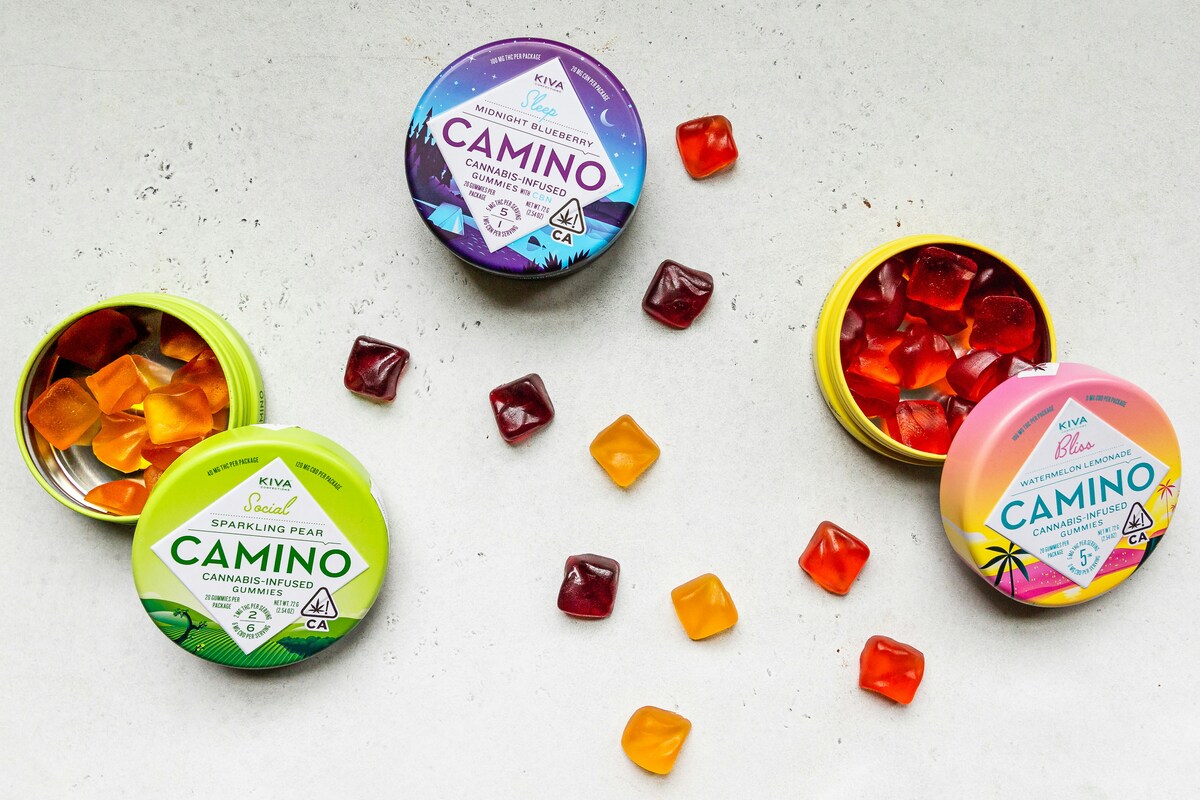
  • Edibles & Beverages – Gummies, chocolates, drinks, or infused foods that provide discreet and convenient consumption options.
  • Topicals & Wellness Products – Lotions, balms, tinctures, or non-intoxicating CBD products targeting health and wellness markets.
  • CBD or Hemp Products – Often legal across state lines, making them suitable for e-commerce, supplements, and wellness-focused brands.

Business Models

Your business model determines how you operate and generate revenue. Common approaches include:

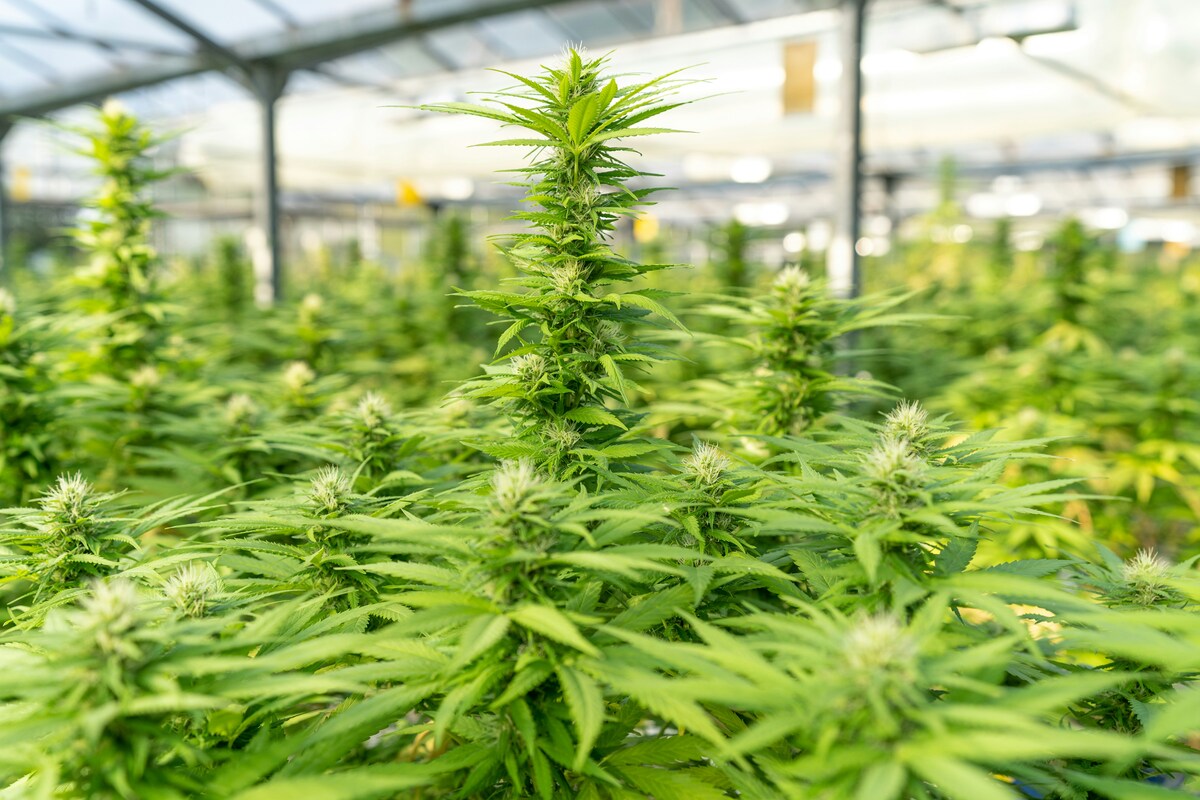
  • Vertically Integrated – You handle cultivation, manufacturing, and retail. Offers higher margins but requires significant capital and regulatory compliance.
  • White-Label / Co-Packing – You brand and market products manufactured by another licensed company. Lower upfront costs and faster time-to-market.
  • Brand-Only / Licensing – Focus solely on marketing and sales, licensing your brand to manufacturers while minimizing operational responsibilities.
  • Retail or Delivery Brand – Operates dispensaries or delivery services and sells branded products directly to consumers.

Choosing the right model depends on your startup capital, desired control, regulatory feasibility, and target market. Many first-time entrepreneurs start with white-label or co-packing models because they reduce operational risk while still allowing strong brand-building.

Decide What Kind of Cannabis Brand You’ll Build

Step 2: Research and Market Validation

Before investing time and money, it’s essential to validate your idea. Market research ensures there’s demand for your products and that your business can operate legally and competitively.

Identify Your Target Customers and Use Cases

Understanding your customers is critical. Ask who will buy your products and why:

  • Medical patients – Seek therapeutic benefits, strain-specific effects, and consistent dosing.
  • Recreational users – Look for convenience, flavor, potency, and an engaging brand experience.
  • Wellness enthusiasts – Interested in CBD, functional formulations, or adaptogenic products for daily health and relaxation.

Conduct Competitive Research

Analyze existing products, pricing, and packaging in your target market. Look for gaps or opportunities:

  • Are certain effects, flavors, or formats underrepresented?
  • Which distribution channels (retail, delivery, or e-commerce) are underserved?
  • What packaging or branding trends are resonating with consumers?

Understand Regulatory Requirements

Compliance is non-negotiable in the cannabis industry. Research your local rules:

  • Check licensing windows and application requirements for cultivation, manufacturing, or retail.
  • Understand zoning laws for dispensaries, cultivation sites, or processing facilities.
  • Learn advertising restrictions, labeling rules, and what health claims are allowed.

Tip: Most states provide starter kits or official guidance online detailing compliance requirements. Start with your local government resources to save time and avoid costly mistakes.

Step 3: Build a Cannabis-Specific Business Plan

A solid business plan is essential when learning the best practices for cannabis business strategy. It helps you outline your strategy, secure funding, and ensure compliance in a highly regulated industry. Your plan should include the following components:

Core Sections of Your Business Plan

  • Executive Summary – Your vision, target market, and growth strategy.
  • Market Analysis – Key trends, consumer behavior, and competitive landscape.
  • Product Mix – The products you’ll sell, formulations, and branding approach.
  • Operations Plan – Production processes, supply chain management, and staffing.
  • Compliance Plan – Licensing requirements, product testing, and standard operating procedures (SOPs).
  • Security Plan – Surveillance, access control, and recordkeeping measures.
  • Financial Model – Startup costs, projected revenue, and unit economics.
  • Exit Strategy – Plans for acquisition, licensing, or scaling your brand.

Understanding Capital and Startup Costs

Cannabis businesses often require significant upfront investment. Estimated startup costs include:

Category Estimated Range
Licensing & legal $10,000 – $150,000+
Facility & compliance upgrades $50,000 – $500,000+
Product formulation & testing $15,000 – $75,000+
Packaging & branding $8,000 – $50,000+
Marketing & launch $5,000 – $40,000

Costs vary depending on your business model, product type, and local regulations, so plan accordingly.

Key Performance Indicators (KPIs) to Track

Monitoring KPIs before and after launch helps ensure your cannabis brand stays on track:

  • License approval timelines
  • Product testing pass rates
  • Marketing engagement metrics
  • Sales conversions and profit margins
Build a Cannabis-Specific Business Plan

Step 4: Licensing, Permits, and Compliance

Understanding cannabis branding for startups means knowing that licensing and compliance are non-negotiable. Requirements vary widely by state, province, or country, so it’s critical to follow your local regulations carefully.

Common Licensing and Permit Requirements

Most jurisdictions require some combination of the following:

  • State or provincial cannabis license for cultivation, manufacturing, or retail
  • Local zoning approval for your facility or dispensary
  • Facility plans with security protocols
  • Standard operating procedures (SOPs) for production and safety
  • Supply-chain records and batch tracking
  • Owner background checks and proof of financial stability

Ongoing Compliance Obligations

After licensing, maintaining compliance is an ongoing responsibility:

  • Seed-to-sale reporting to track all products
  • Product testing and quality assurance for safety and potency
  • Packaging and labeling standards, including child-resistant and regulated labeling
  • Advertising restrictions, including social media and online promotions

Expert Guidance

Hiring a cannabis attorney or compliance consultant is strongly recommended, especially for vertically integrated or white-label operations. Mistakes in licensing or compliance can be costly, and in some cases, they can shut your business down entirely.

Step 5: Operations and Tech Stack

A robust operations setup and technology stack are essential when learning the cannabis industry, helping you stay compliant, efficient, and ready to scale:

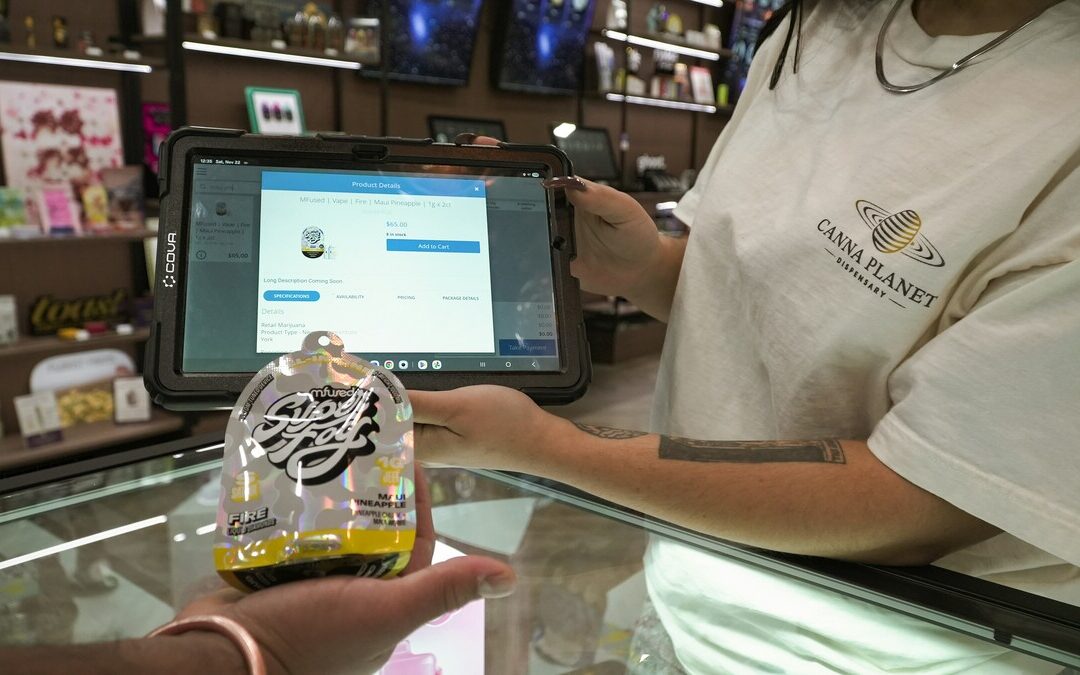
  • POS & Inventory Systems – Use seed-to-sale compliant platforms to track products from production through retail. These systems streamline inventory management, reporting, and regulatory audits.
  • Security & Surveillance – Implement cameras, alarms, access control, and data retention policies. Many jurisdictions require these measures to protect your products and comply with regulations.
  • Facilities – Define the purpose of your space (cultivation, manufacturing, or distribution), as this affects equipment, licensing, and workflow design.
  • Vendors – Carefully evaluate co-packers, processors, and testing labs for reliability, regulatory compliance, quality standards, and turnaround times. Strong vendor relationships support consistent product quality and operational efficiency.
Operations and Tech Stack in the Cannabis Industry

Step 6: Supply Chain, Sourcing, and Manufacturing

Building a reliable supply chain is critical when learning how to start a cannabis brand. Every decision impacts product quality, compliance, and brand reputation:

  • Grow vs. Contract vs. Third-Party Manufacturing – Decide whether to cultivate in-house, work with a contract grower, or use third-party manufacturers. Consider the trade-offs between control, cost, and scalability.
  • Quality Control – Mandatory testing ensures potency, consistency, and safety by checking for contaminants and verifying product specifications. Strong quality control builds consumer trust and protects your brand.
  • Packaging & Child-Resistant Compliance – All products must meet labeling requirements, include THC warnings, and use tamper-evident packaging. Sustainable packaging can also enhance your brand image and appeal to environmentally conscious consumers.

Step 7: Brand, Packaging, and Marketing

Brand Positioning

Your positioning should focus on trust, compliance, and clarity. Key elements include:

  • Compliance-first messaging that aligns with regulations
  • Educating consumers on product benefits and safe usage
  • Clearly communicating product advantages and differentiators

Packaging Pitfalls

Packaging must meet regulatory requirements while supporting your brand image:

  • Avoid false claims or misleading statements
  • Ensure labels meet THC/CBD disclosure requirements
  • Use child-resistant, tamper-evident packaging
  • Consider sustainable packaging to strengthen brand perception and appeal

Marketing Channels

Choose marketing strategies that maximize reach and compliance:

  • SEO, content marketing, PR, events, and email campaigns
  • Social media and influencer collaborations where legally allowed
  • Wholesale and retail outreach to expand your distribution network

Go-To-Market Options

Determine the best distribution methods for your products:

  • Retail dispensaries
  • Direct-to-consumer sales (where legal)
  • E-commerce platforms
  • Delivery services to reach local customers efficiently
Brand, Packaging, and Marketing in Cannabis

Step 8: Sales Channels and Distribution Strategy

Choosing the right sales channels and distribution methods is a key step in your cannabis business. Your approach affects revenue, brand visibility, and compliance.

Retail Partnerships

Work with dispensaries or retail partners to expand your reach:

  • Negotiate margins, slotting fees, and demo or sample policies
  • Build relationships that increase product placement and brand awareness

Own Retail / Delivery

Direct-to-consumer channels help strengthen your brand:

  • Selling through your own retail store or delivery service creates closer customer relationships
  • Increases brand loyalty and control over the customer experience

B2B Distribution

Expand your reach through business-to-business agreements:

  • Sell products to other brands or dispensaries under white-label arrangements
  • Enables faster growth without owning all production or retail operations

Step 9: Finance, Fundraising, and Unit Economics

Understanding the financial side is critical when learning how to get into the cannabis industry. Proper funding, cost management, and unit economics determine whether your business can grow sustainably.

Startup Costs and Funding Sources

Cannabis businesses often require significant upfront investment. Common funding sources include:

  • Personal capital from savings or existing assets
  • Friends, family, or angel investors for early-stage funding
  • Specialized cannabis lenders who understand the industry’s regulatory risks
  • Venture capital or private equity (less common due to federal restrictions in the U.S.)

Financial Controls

Strong financial management protects your brand and ensures long-term success:

  • Track costs, cash flow, and profit margins carefully
  • Banking can be challenging in regions where cannabis remains federally restricted, so plan accordingly
  • Tax planning is essential, particularly in the U.S., where Section 280E limits deductions for cannabis businesses

Step 10: Risk Management and Social Responsibility

Managing risk and prioritizing social responsibility are essential for this business. These practices protect your business, customers, and reputation.

Risk Mitigation

  • Product liability insurance to cover accidents or claims
  • Recall procedures and SOPs to respond quickly to quality or safety issues
  • Regulatory compliance monitoring to ensure ongoing adherence to local, state, and national rules

Social Responsibility

  • Ethical partnerships and transparency in sourcing and operations
  • Community engagement through education, events, or sponsorships
  • Harm reduction and responsible use messaging to promote safe consumption

Brands that prioritize safety, transparency, and ethical practices earn consumer trust and loyalty, laying the foundation for long-term success.

Risk Management and Social Responsibility in the Cannabis Industry

Final Word

Launching a cannabis brand is challenging, but with careful planning, compliance, and strategic branding, it’s entirely achievable. Success depends on thorough market research, efficient operations, reliable supply chain management, and building a trustworthy, recognizable brand.

If you need help selecting sustainable, child-resistant, and fully compliant cannabis packaging, Custom 420 Supply can support your launch. Our expertise ensures your products meet regulatory standards while looking professional and appealing on shelves.

Contact us today to get started with packaging solutions that help your cannabis brand shine and stand out in the market.

Frequently Asked Questions

What budget and resources are required to build a compliant cannabis brand?

Building a compliant cannabis brand typically requires significant capital, depending on your business model. Startup costs can range from $50,000 for a white-label or co-packing operation to over $500,000 for vertically integrated cultivation and retail. Key resources include licensing, legal support, facilities, POS and seed-to-sale systems, testing labs, packaging, marketing, and trained staff. Budgeting for regulatory compliance and quality control is essential.

How do you measure the success of a cannabis branding strategy?

Success can be measured by multiple metrics, including brand awareness, consumer trust, sales conversions, repeat purchase rates, and engagement on marketing channels like social media, email, and events. Compliance and consistent product quality also reflect branding effectiveness, as a trusted, transparent brand builds long-term loyalty.

What are common mistakes to avoid when launching a cannabis brand?

Common pitfalls include ignoring licensing and compliance requirements, underestimating startup costs, failing to conduct market research, overcomplicating supply chains, using non-compliant packaging, and neglecting branding or marketing strategy. Partnering with experienced vendors and staying informed about local regulations helps mitigate these risks.

Kentucky Marijuana Packaging Regulations: What Businesses Need to Know

Kentucky Marijuana Packaging Regulations: What Businesses Need to Know

As the Bluegrass State’s medical cannabis program grows, businesses must follow strict Kentucky marijuana packaging regulations. These rules protect patient safety, ensure legal compliance, and maintain consistent industry standards.

Whether you run a cultivation facility, processing operation, or dispensary, knowing these regulations helps you operate legally and responsibly in the state.

Kentucky’s medical cannabis packaging rules are based on the Kentucky Revised Statutes (KRS 218B.140) and the Kentucky Administrative Regulations (915 KAR 1:100). These laws require packaging to be child-resistant, tamper-evident, and easy to read. They also prohibit designs that might appeal to minors.

Medical cannabis packaging must also meet federal safety standards for child-resistant containers, as set under 15 U.S.C. §§ 1471–1476. Following both state and federal rules ensures products are safe and compliant.

Key Packaging Requirements

Kentucky marijuana packaging regulations include several key rules:

  • Child-Resistant Features – All cannabis products must use packaging that prevents children from easily accessing the contents.
  • Tamper-Evident and Weather-Resistant Materials – Packaging must show if it has been opened and protect the product from damage caused by heat, moisture, or light.
  • Legibility and Labeling Standards – Labels must be clear, easy to read, and printed in a font at least one-sixteenth of an inch tall.
  • Prohibition of Child-Attractive Elements – Packaging cannot use cartoons, bright colors, or any designs meant to appeal to minors.

Following these rules ensures compliance and builds trust with both patients and regulators.

Labeling Specifications

Following Kentucky cannabis labeling standards is essential for compliance and patient safety. Labels must include:

  • Product Identity – The strain, type, or category of the cannabis product.
  • THC and CBD Content – Clear information on cannabinoid levels.
  • Batch Number and Expiration Date – For traceability and safety.
  • Instructions and Safety Warnings – Guidance for proper use and potential risks.

Some businesses also add QR codes to share extra product information. Kentucky allows voluntary submission of packaging for compliance review, which can help prevent enforcement issues.

Special Considerations for Edibles and Beverages

Edible and beverage cannabis products have extra labeling requirements. Labels must show:

  • Nutritional information
  • Allergen warnings
  • Follow general food labeling rules

Accurate labeling is critical to prevent safety risks and avoid regulatory penalties.

Special Considerations for Edibles and Beverages in Kentucky

Compliance and Enforcement

The Kentucky Office of Medical Cannabis enforces packaging regulations with inspections, audits, and a seed-to-sale tracking system. Failing to comply can lead to:

  • Fines
  • License suspension
  • License revocation

Businesses should keep detailed records of packaging and labeling processes to stay compliant.

Industry Best Practices

To follow Kentucky’s marijuana packaging regulations effectively, businesses should:

  • Design for Compliance – Use packaging that meets all rules while reflecting your brand.
  • Stay Updated – Review state guidelines regularly to keep up with any changes.
  • Engage Regulators – Communicate with the Kentucky Office of Medical Cannabis for guidance and support.

Proactively following these practices helps businesses avoid penalties and build credibility with patients and regulators.

Final Word

Kentucky’s marijuana packaging regulations protect patients and ensure the safe distribution of medical cannabis. From child-resistant packaging to accurate labeling and special rules for edibles, businesses must follow these requirements carefully.

Are you a cannabis business in the Bluegrass State and unsure where to begin with your cannabis packaging? Custom 420 Supply is here to help!

From wholesale packaging options to customized labeling, we help to ensure your product is 100% state-compliant. We invite you to reach out to us through our contact page to learn more.

Frequently Asked Questions (FAQs)

Are Kentucky medical marijuana packages required to have tamper-evident seals?

Yes. Kentucky regulations require all medical cannabis packaging to include tamper-evident features to ensure product safety and prevent unauthorized access.

Does Kentucky require specific font sizes or label placement on cannabis packaging?

Yes. Labels must be legible, with text no smaller than one-sixteenth of an inch, and must be placed so all required information (like THC/CBD content, batch number, and expiration date) is easily visible.

Can Kentucky marijuana packaging display branding or promotional content?

Packaging may include branding, but it cannot contain elements that appeal to children, such as cartoons, bright colors, or promotional messaging that could encourage underage use.

West Virginia Cannabis Packaging Guidelines: A Comprehensive Overview

West Virginia Cannabis Packaging Guidelines: A Comprehensive Overview

West Virginia cannabis packaging guidelines set clear rules for how medical cannabis products must be stored, labeled, and sold. The state’s medical cannabis program, established under the Medical Cannabis Act (Chapter 16A), focuses on patient safety, product quality, and regulatory compliance. These packaging and labeling rules protect consumers, maintain product integrity, and ensure businesses follow the law.

Legal Authority and Regulatory Framework

The West Virginia Department of Health and Human Resources (DHHR), through the Bureau for Public Health, oversees the state’s medical cannabis program. The Bureau’s Legislative Rule, W. Va. Code R. § 64-110-16, outlines the specific requirements for packaging and labeling medical cannabis products. These regulations apply to all licensed growers/processors and dispensaries operating within the state.

Packaging Requirements

All medical cannabis must be packaged at the grower or processor’s facility before it can be sold. Proper packaging ensures the product remains safe, fresh, and uncontaminated. Requirements include:

  • Child-Resistant – Packaging must prevent access by children.
  • Tamper-Proof or Tamper-Evident – Packaging must show if the product has been opened or altered.
  • Light-Resistant and Opaque – Packaging must protect the product from light, which can degrade quality.
  • Resealable – Packaging must allow the product to stay fresh and uncontaminated after opening.

Each process lot must also have a unique identifier. This ensures traceability and helps track the product from production to sale.

Labeling Requirements

Every package of medical cannabis must have a label approved by the Bureau. Labels must include the following:

  • Grower/Processor Information – Name, address, and permit number.
  • Product Details – Form, quantity, weight, number of doses, species, and tetrahydrocannabinol (THC) and cannabidiol (CBD) percentages.
  • Batch Identification – A unique identifier for the harvest or process lot.
  • Packaging Information – Packaging date, expiration date, and employee IDs of staff who prepared and shipped the product.
  • Dispensary Information – Name and address of the dispensary receiving the package.
  • Storage Instructions – Guidelines to maintain product quality.
  • Warnings – Statements such as “This product is for medicinal use only,” “Keep out of reach of children,” and “Unauthorized use is unlawful and will subject the purchaser to criminal penalties.”

Labels must be easily readable, made from weather-resistant and tamper-resistant materials, and placed conspicuously on the package to ensure visibility and compliance.

Labeling Requirements in West Virginia

Restrictions on Packaging and Labeling

To protect consumers and prevent misuse, cannabis packaging and labels must avoid the following:

  • Misleading Imagery – Graphics, cartoons, or designs that resemble food or beverages or could appeal to children.
  • False Claims – Statements suggesting the product contains anything other than medical cannabis.
  • Unauthorized Endorsements – Use of state or local government logos that could imply official approval.

These restrictions help ensure that medical cannabis has a clear identity, is safe, and legally compliant.

Dispensary Responsibilities

Dispensaries have several key duties when dispensing medical cannabis:

  • Sealed and Labeled Packaging – Ensure the product is sealed, labeled correctly, and stored in child-resistant packaging.
  • Safety Insert – Include a Bureau-approved safety insert. This insert must explain lawful administration methods, potential risks, signs of misuse, and ways to prevent access by minors.
  • Verification – Confirm that the dispensed product matches the patient’s certification and does not exceed the prescribed amount.

These steps help dispensaries provide safe, compliant, and responsible service to patients.

Compliance and Enforcement

Non-compliance with packaging and labeling regulations in West Virginia can lead to serious consequences. Violators may face:

  • Civil fines up to $3,000 per violation
  • Suspension or revocation of licenses
  • Potential criminal charges depending on the severity of the infraction

The Bureau for Public Health conducts regular inspections to ensure adherence to these standards. Enforcement agents are authorized to take corrective actions against non-compliant entities.

Final Word

West Virginia’s cannabis packaging and labeling guidelines ensure the safety, quality, and reliability of medical cannabis. By following these rules, growers, processors, and dispensaries help protect patients, maintain product integrity, and support the success of the state’s medical cannabis program.

Are you a cannabis grower or processor in the state of West Virginia and need help with your cannabis packaging? Custom 420 Supply is here to help! We invite you to reach out through our contact page for more information.

Frequently Asked Questions

How does West Virginia regulate the packaging of edible cannabis products?

West Virginia requires all edible cannabis products to be packaged in child-resistant, tamper-evident containers that protect product integrity. Labels must include the product’s weight, number of servings, THC/CBD content, batch number, expiration date, and clear warnings. Packaging cannot resemble foods or candies appealing to children, and dispensaries must provide safety inserts with proper consumption guidance.

What penalties exist for non-compliance with cannabis packaging guidelines in West Virginia?

Non-compliance with West Virginia cannabis packaging guidelines can result in fines, license suspension, or revocation. The Bureau for Public Health conducts inspections, and repeated violations may escalate enforcement actions. Adhering to labeling, child-safety, and tamper-evidence standards is critical to avoid penalties.

Are West Virginia cannabis packaging laws aligned with any national safety or labeling standards?

Yes. West Virginia’s packaging regulations align with general best practices recognized nationally, including child-resistant and tamper-evident packaging standards. While cannabis is regulated state-by-state, West Virginia incorporates widely accepted safety and labeling practices to ensure consumer protection and product integrity.

Iowa Cannabis Packaging Requirements: What You Need to Know

Iowa Cannabis Packaging Requirements: What You Need to Know

Iowa cannabis packaging requirements can be confusing, especially in a state with such strict regulations. Whether you are a manufacturer, retailer, or medical cannabis patient, knowing these rules is essential. Proper packaging ensures compliance, protects consumers, and builds trust.

This guide explains all the key rules for packaging cannabis and consumable hemp products in Iowa.

Legal Framework

Cannabis packaging in the Hawkeye State is regulated by the Iowa Department of Health and Human Services (HHS) and the Iowa Department of Inspections and Appeals (DIA). These agencies make sure medical cannabis and consumable hemp products follow strict safety and labeling standards.

Key regulations include:

Knowing these regulations is the first step to keeping your products compliant and legally sellable in Iowa.

Packaging Standards

Child-Resistant and Tamper-Evident Packaging

Iowa law requires all cannabis and hemp products to be in child-resistant and tamper-evident containers. This follows the U.S. Poison Prevention Packaging Act and helps prevent accidental ingestion by children.

Some exemptions exist for elderly or disabled patients, but these must be clearly documented.

Labeling Requirements

Clear labeling is as important as proper packaging. Iowa requires all cannabis products to include:

  • Product name and type
  • THC and CBD content
  • Batch number for traceability
  • Warning label: “Keep out of reach of children”
  • Health advisory for THC-containing products

Labels must be easy to read, avoid designs appealing to minors, and cannot include misleading health claims.

Consumable Hemp Product Regulations (Effective July 1, 2024)

Iowa updated its rules for consumable hemp products to improve safety and compliance. Key requirements include:

  • THC Limits – Maximum of 4 mg THC per serving and 10 mg per container.
  • Age Restrictions – Only adults 21 and older can purchase.
  • Labeling – Must include alcohol-style warning labels; synthetic THC is prohibited.
  • Compliance – Retailers must submit product lists annually to the DIA for approval.

These rules protect consumers while allowing responsible use of hemp-based products.

Consumable Hemp Product Regulations in Iowa

Compliance and Enforcement

Iowa enforces strict oversight of cannabis and hemp products. The HHS and DIA monitor compliance closely. Penalties for violations can include:

  • Product recalls
  • Fines
  • Suspension or revocation of sales licenses

For example, in November 2023, a Des Moines dispensary was ordered to stop selling non-compliant consumable hemp products. This case highlights the importance of following packaging rules carefully.

Ongoing Developments

Cannabis regulations in Iowa continue to change:

  • Medical Cannabis Buds – Lawmakers are considering allowing buds for vaping, which could lower costs for patients.
  • Regulatory Guidance – Businesses are waiting for more details from the Iowa Department of Health and Human Services on product definitions and compliance.

Staying updated on these changes is essential for manufacturers and retailers.

Best Practices for Compliance

Follow these steps to keep your products compliant:

  • Stay Informed – Regularly check updates from HHS and DIA.
  • Staff Training – Make sure employees know packaging and labeling rules.
  • Maintain Records – Keep documentation of product formulations, batch numbers, and compliance certificates.
  • Seek Legal Counsel – Get professional advice for complex compliance questions.

Following these practices helps prevent costly violations and protects both your business and your customers.

Final Word

Following Iowa cannabis packaging requirements is more than a legal duty. It ensures safety, transparency, and responsible business practices. Whether you produce medical cannabis or consumable hemp products, knowing the rules helps keep your products safe and compliant.

Are you a cannabis business in Iowa and unsure where to begin? Custom 420 Supply is here to help! Our in-house design team can help you bring to life 100% compliant product packaging.

If you’d like to learn more, we invite you to reach out through our contact page.

Frequently Asked Questions

Does Iowa require expiration dates to be printed on cannabis or CBD product packaging?

Yes. Iowa law recommends that consumable cannabis and CBD products display expiration or “use by” dates to ensure product safety and freshness, though the exact requirements can vary depending on the type of product.

Are there specific rules for tamper-evident packaging of cannabis products in Iowa?

Yes. All cannabis products must be packaged in tamper-evident containers that clearly show if a product has been opened or altered. This is a key requirement to prevent accidental ingestion and ensure consumer safety.

Can Iowa cannabis packaging include QR codes linking to lab test results?

Yes. Many Iowa dispensaries and manufacturers use QR codes on packaging to provide transparency. These codes can link to third-party lab test results, batch information, or compliance documentation, provided the packaging still meets all labeling and child-safety requirements.

Texas Cannabis Packaging Laws: What You Need to Know in 2026

Texas Cannabis Packaging Laws: What You Need to Know in 2026

Texas cannabis packaging laws can feel confusing because they shift often.

While recreational marijuana is still illegal, hemp-derived products such as CBD and Delta-8 THC are sold widely across the state. Lawmakers continue to adjust rules on how these products must be packaged, labeled, and sold.

For businesses, compliance is more than following today’s rules; it also means preparing for changes that may come soon.

Texas law draws a clear line between hemp, medical cannabis, and marijuana:

  • Hemp-Derived Products – Cannabis with no more than 0.3% delta-9 THC by dry weight is classified as hemp. This includes CBD oils, Delta-8 edibles, and infused beverages. These products are legal under both state and federal law.
  • Medical Cannabis – Patients with qualifying conditions can access low-THC cannabis oil through the Compassionate Use Program (CUP). This oil contains less than 1% THC and must be prescribed by a licensed physician.
  • Recreational Marijuana – Still illegal in Texas. Even small amounts can lead to criminal charges.

Since hemp products make up most of the market, packaging and labeling laws focus heavily on this category.

Texas Packaging and Labeling Requirements for Hemp Products

Under Texas Health & Safety Code § 443.205, each consumable hemp product unit must include:

  • Batch or lot identification number and date.
  • Product name.
  • Manufacturer’s name.
  • A URL, QR code, or barcode linking to the product’s Certificate of Analysis (CoA).
  • A certification that the delta-9 THC level is 0.3% or less by dry weight.

The label must appear on each unit intended for individual retail sale, whether on inner or outer packaging. State rules allow the label to be a URL or a scannable code leading to required information.

Additionally, federal food, drug, and cosmetic labeling rules may apply. For example, if the product is edible, it might need to list ingredients, allergens, net contents, and manufacturer details.

Texas law also bans the manufacture of consumable hemp products intended for smoking (such as pre-rolled hemp cigarettes), though some retail sales remain permitted under court rulings.

Texas Packaging and Labeling Requirements for Hemp Products

Beyond the Statute: Industry Compliance Best Practices

The law sets the baseline, but many packaging standards come from industry best practices and ongoing regulatory proposals. These include:

  • Child-Resistant and Tamper-Evident Packaging – Packages should be secure, opaque, and resealable to reduce accidental ingestion.
  • Warning Labels and Disclosures – Labels often state that products are not for children, pregnant women, or people who plan to drive. FDA disclaimers are common on CBD products.
  • Marketing Restrictions – Packaging should avoid candy-like designs, snack imagery, or cartoons that could appeal to minors.

Not all of these measures are mandatory under Texas law yet, but lawmakers are actively reviewing them.

Legislative Developments Reshaping the Rules

Texas cannabis packaging laws continue to shift as lawmakers debate how to regulate hemp and cannabis products. Several recent bills stand out:

  • Senate Bill 3 (SB3) – Proposed a statewide ban on intoxicating hemp-derived products. Governor Greg Abbott vetoed the bill in June 2025 but expressed support for stricter rules, including child-resistant packaging, age limits, and warning labels.
  • Senate Bill 2024 – Effective September 1, 2025, this law bans the sale and marketing of cannabinoid vape products such as CBD, Delta-8, and THC vapes. Possession remains legal, but retailers face penalties for selling.
  • SB5 / HB5 (Proposed) – Aim to tighten hemp regulation further by setting THC content limits, restricting packaging that appeals to minors, and requiring warnings similar to alcohol and tobacco.

What This Means for Businesses

For manufacturers, distributors, and retailers, compliance requires a proactive approach. Key actions include:

  • Labeling Accuracy – Display batch ID, CoA access, and THC concentration on every retail package.
  • Packaging Safety – Use child-resistant, tamper-evident designs, even if not yet required by law.
  • Responsible Marketing – Avoid bright, candy-like branding or imagery that could attract minors.
  • Regulation Tracking – Watch upcoming bills such as SB5/HB5 and adjust packaging strategies early.

By staying ahead of regulation, businesses reduce legal risk and build consumer trust in a fast-growing market.

What This Means for Texas Cannabis Businesses

Final Word

Texas cannabis packaging laws continue to change quickly. Current rules focus on hemp-derived products, but future regulations may bring stricter standards on child safety, age limits, and health warnings.

Do you need cannabis packaging that stays up-to-date on compliance? Custom 420 Supply is here to help! We invite you to reach out through our contact page for more information.

Frequently Asked Questions (FAQs)

Are cannabis packages in Texas required to include prescribing physician and patient information?

No. Packages for hemp-derived products and low-THC cannabis under the Compassionate Use Program do not require physician or patient details. Prescriptions are tracked electronically through the state’s registry system, not on the packaging itself. Packaging laws focus on batch ID, Certificates of Analysis (CoAs), and THC concentration.

How will Texas Senate Bill 3 impact packaging rules for hemp-derived THC consumables?

Although SB3 was vetoed in June 2025, Governor Abbott suggested revising it to impose stricter packaging standards instead of an outright ban. Future legislation inspired by SB3 could require child-resistant packaging, stronger warning labels, age restrictions, and clearer THC disclosures. Businesses should prepare for these changes even though they are not yet law.

What are the penalties for non-compliance with cannabis packaging regulations in Texas?

Penalties vary depending on the violation. Selling hemp products without proper labeling (e.g., missing CoA link or incorrect THC disclosure) can result in product seizures, fines, or license suspension for manufacturers and retailers. Under new laws such as SB2024, selling prohibited products like cannabinoid vapes could be prosecuted as a Class A misdemeanor, carrying fines and potential jail time.