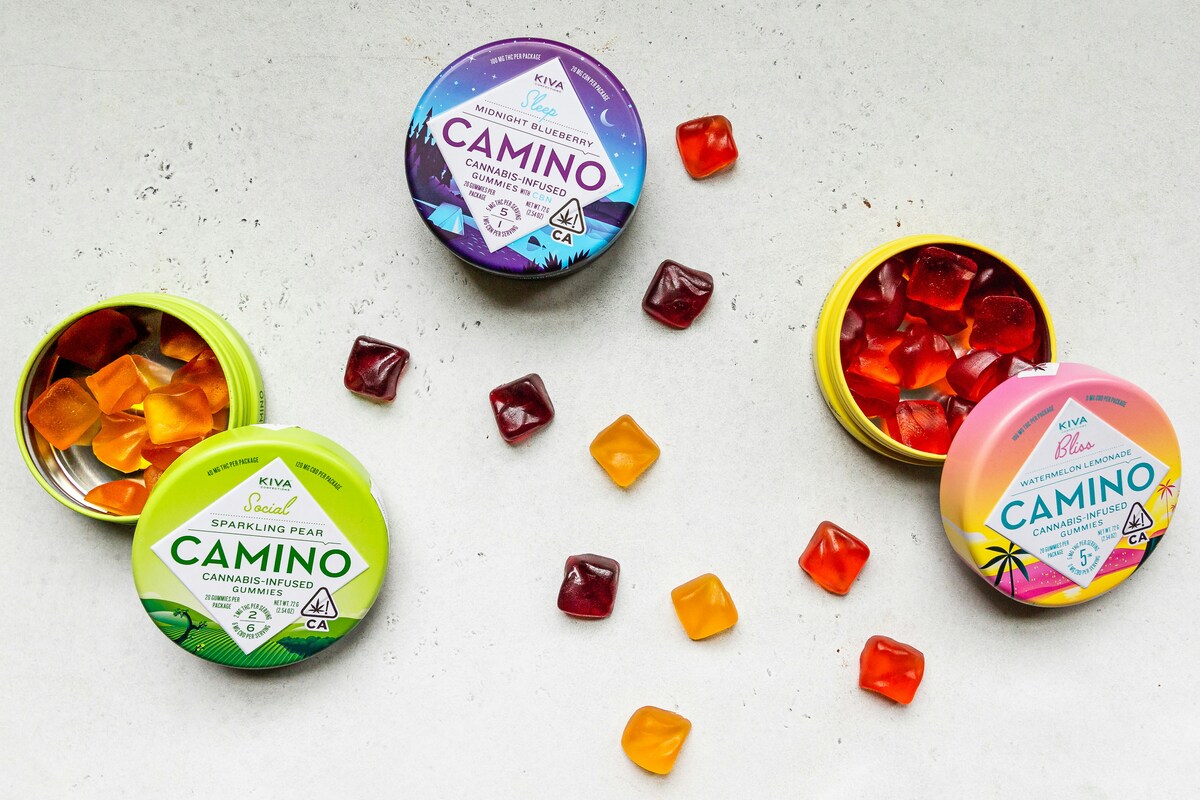
Best Cannabis Branding: How Marijuana Brands Captivate Consumers
The best cannabis branding is what separates products that catch a shopper’s eye from those that fade into the shelf.
In a crowded cannabis market, branding does more than meet compliance requirements; it creates recognition, communicates value, and builds emotional connection. For cannabis brands, a clear and consistent identity helps consumers understand who you are, what you offer, and why they should choose you again.
The Cannabis Market: Rapid Growth and Rising Expectations
The legal cannabis industry is experiencing a remarkable boom, with its global market value currently hovering between $50 and $60 billion. The United States drives most of this expansion, accounting for approximately three-quarters of worldwide sales. Even as new competitors crowd the shelves, growth remains strong, with annual increases of 15% to 20% propelling the market forward.
Looking ahead, the forecast suggests even bigger things are around the corner—industry analysts expect global revenues to climb to $90.4 billion by 2028. As the market evolves, consumers are seeking more than just high THC percentages; they’re demanding quality, sophistication, and memorable brand experiences. For cannabis brands, a clear and consistent identity helps consumers understand who you are, what you offer, and why they should choose you again.
This article breaks down what effective branding looks like in practice, with clear guidance on creating a brand that feels recognizable, credible, and consistent across touchpoints.
What Makes Cannabis Branding Unique?
While branding is essential for any product, cannabis brands face a landscape unlike anything found in traditional consumer goods.
Legal restrictions can quickly turn even the most creative campaign on its head. Marketing channels that work for coffee or cosmetics—think TV ads, radio jingles, even many social media platforms—are often off-limits. As a result, standing out in dispensary shelves and digital spaces becomes a feat of ingenuity and compliance.
Cannabis also carries a legacy of social stigma and patchwork legalization. Unlike the latest energy drink or sneaker launch, cannabis branding must strike a delicate balance: informing and reassuring newcomers, while staying authentic to longtime enthusiasts. Brands need to educate without overwhelming, normalize without being dull, and differentiate themselves without crossing regulatory boundaries.
The spectrum of cannabis users ranges from patients seeking relief to lifestyle-focused consumers and occasional explorers. That diversity calls for rich storytelling and crystal-clear messaging—especially since in-store experiences and packaging might be a buyer’s only interaction before purchase.
In short, successful cannabis branding means being a master of subtlety and clarity. You need to grab attention in a crowded market, build trust with unfamiliar shoppers, and always play by unique and constantly changing rules.
Understand Your Audience
The strongest cannabis brands begin with a clear understanding of the people they serve. To create a cannabis brand strategy, you need insight into who your customers are, what they care about, and how they make buying decisions. Consumer research removes guesswork and helps your brand communicate with purpose.
Start by developing detailed consumer personas based on real data. These personas should reflect demographics, lifestyle habits, personal values, and purchasing behavior. Use research to answer key questions such as:
- What drives their cannabis choices: wellness, relaxation, recreation, or social influence?
- Which visual styles, brand tones, and in-store or digital experiences resonate with them?
- How do they perceive existing cannabis brands, and where do they see gaps or sameness?
When branding is shaped by real consumer insight, it connects on an emotional level instead of relying only on visual appeal. That connection builds recognition, trust, and long-term loyalty.
Common Cannabis Brand Archetypes
Once you understand who you’re speaking to, the next step is finding a brand archetype that aligns with those consumers. In the cannabis space, several archetypes have emerged—each shaping consumer expectations, messaging, and overall experience.
Here are five of the most common cannabis brand archetypes you’ll see in today’s market, along with how each approaches branding:
- The Medical Authority: These brands speak to patients and health-conscious consumers with an emphasis on science, precision, and trust. They focus on clinical benefits, professional expertise, and comprehensive product education. Branding in this lane often looks clean and clinical, echoing pharmaceutical standards and instilling confidence in product efficacy.
- The Wellness Guide: Wellness-driven brands position cannabis as a tool for self-care and holistic health. Their messaging prioritizes mindfulness, balance, and natural living, sidestepping old stereotypes in favor of integration with everyday wellness routines. These brands often spotlight natural ingredients and transparency in production.
- The Craft Cultivator: For those who value the artistry behind cannabis, craft cultivator brands celebrate heritage, unique genetics, and terroir. They lean into small-batch production, sustainability, and the stories of growers. Packaging and messaging highlight craftsmanship, distinctive strains, and deep connections to their growing region (think sun-grown cannabis from California’s Emerald Triangle).
- The Lifestyle Integrator: These brands normalize cannabis by seamlessly blending it with culture, design, music, and social trends. They invite consumers to view cannabis as an extension of their contemporary lifestyle. Expect stylish design, content that nods to fashion and food, and partnerships inspired by art, music, or entertainment.
- The Social Equity Advocate: Rooted in purpose, these brands place social justice and community impact at the forefront. Their messaging centers on equity, inclusion, and righting the wrongs of prohibition. They support causes, lead advocacy efforts, and strive to open industry doors for marginalized communities—all while delivering quality products.
Identifying where your brand fits among these archetypes—or blending elements to create your own—helps clarify your voice and attract the audience that matches your values.
The Power of Dispensary Staff Recommendations
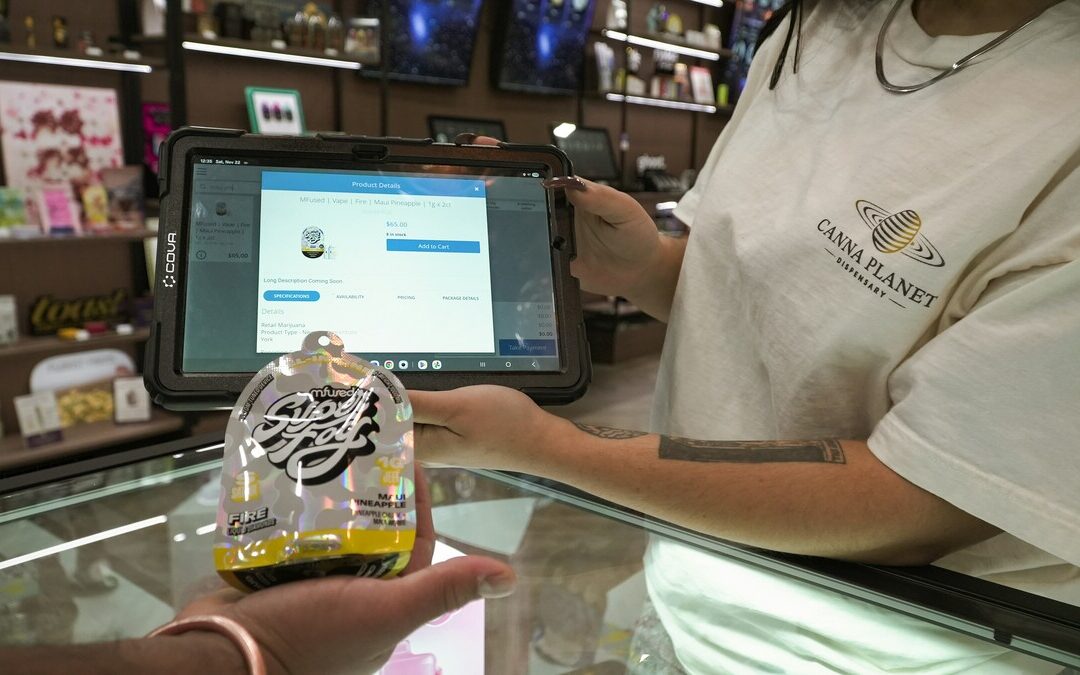
Cannabis shoppers often rely on the expertise of dispensary staff—especially budtenders—when making their selections. These frontline professionals act as trusted guides, introducing customers to products that fit their needs and preferences.
A positive recommendation from a budtender can instantly boost a brand’s visibility and credibility in the eyes of consumers. When staff consistently mention your brand or point shoppers toward your products, you gain a valuable edge: repeated exposure and strong word-of-mouth in the dispensary environment.
This dynamic means it’s crucial to earn the enthusiasm of dispensary teams. Brands that invest in staff education, offer high-quality products, or provide memorable customer experiences are more likely to be top-of-mind when budtenders advise customers. Over time, these personal endorsements lead to higher recall, more frequent purchases, and a loyal following at the store level.
Avoid Overlooking Medical Consumers and Invest in Education
Cannabis brands that want to succeed long-term can’t afford to ignore the needs of medical consumers or skimp on educational resources. Medical users often look for specific information—like dosing, potential side effects, and scientific validation—that goes beyond what recreational buyers seek. By taking the time to address these needs, your brand demonstrates care and credibility, setting itself apart from competitors who treat all customers the same.
On top of that, a well-informed consumer is a confident consumer. Failing to provide clear guidance around products, effects, and expected outcomes can lead to confusion or disappointment—damaging not only the customer experience but also your brand’s reputation. Look at established brands like Charlotte’s Web and MedMen, which have invested in patient resources and transparent product education. Their willingness to empower consumers has helped foster loyalty and trust, while also reducing stigma.
Making medical consumers feel seen and supported, and equipping all customers with the knowledge they need, isn’t just good practice—it’s the cornerstone of building a lasting cannabis brand.
What Makes a Craft Cultivator Cannabis Brand?
Craft cultivator cannabis brands set themselves apart by focusing on quality over quantity. These brands are all about the artistry of growing—think small-batch harvests, distinctive genetics, and a deep respect for the plant and the process behind it.
Here’s what defines them:
- Artisanal Growing Practices: Instead of massive industrial grows, craft cultivators rely on hands-on techniques, often favoring sun-grown or organically farmed cannabis. Each harvest is carefully tended, showcasing skill and dedication.
- Unique Genetic Lineages: Craft brands often highlight rare or heirloom strains, bringing unique flavors, aromas, and effects to the market. They value the heritage and uniqueness of each strain.
- Celebration of Terroir: Much like boutique wineries, craft cultivators embrace the distinct characteristics imparted by their local climate and soil—what’s known in the world of cannabis as “terroir.” Every batch tells the story of its origin.
- Human Stories and Transparency: These brands usually put a spotlight on the growers themselves. Whether it’s a family farm in Mendocino or a legacy cultivator from Colorado, their stories form a central part of the brand narrative.
- Sustainability and Local Community: Environmental responsibility is often key. Many craft brands champion sustainable farming and support their local communities, building brand trust and authenticity.
In essence, craft cultivator brands win fans by emphasizing quality, authenticity, and a connection to both tradition and place.
Define Your Brand Mission and Personality
Consumers respond to cannabis brands that have a clear mission and a distinct personality.
Your brand mission explains why your company exists beyond selling products. It should reflect the values you stand for and the impact you want to have on your audience. Strong missions help customers understand what matters to your brand, whether that’s promoting wellness, supporting sustainable practices, or building community trust. For example:
- Wellness-focused: “We empower mindful self-care with natural cannabis products designed to support balanced living.”
- Luxury experience: “We deliver premium cannabis moments with refined quality and thoughtful design.”
- Sustainability and ethics: “We grow and source cannabis with environmental care and community respect at every step.”
Social Equity Advocate: Centering Justice and Community
Social equity advocate cannabis brands prioritize correcting historical injustices tied to cannabis prohibition. Their focus is on creating opportunities, addressing systemic barriers, and actively reinvesting in communities that have been disproportionately affected by previous drug policies.
Brands like Simply Pure, for example, weave social justice into their mission by:
- Championing diversity and inclusion at every level of the business
- Supporting policies that expand access and ownership for marginalized groups
- Investing in educational programs and job training within impacted neighborhoods
By leading with advocacy and community-building, these brands do more than offer a product—they make every purchase part of a broader commitment to equity and positive change.”
A wellness-oriented mission goes beyond avoiding tired stereotypes. It’s about weaving cannabis seamlessly into routines for holistic health, emphasizing balance, mindfulness, and natural well-being. Brands like Papa & Barkley, for instance, have built trust by highlighting stories of real people—such as a son creating tinctures to help his father manage pain—and focusing on transparency, whole-plant processes, and the integration of cannabis into daily wellness practices.
If your brand is rooted in wellness, your mission should clearly emphasize natural ingredients, education, and supporting your customers’ broader health journeys. This approach attracts consumers seeking authenticity, safety, and products that align with a mindful lifestyle.”
Your brand personality influences how people feel about your business. This personality should guide your tone, imagery, and customer interactions. Are you:
- Playful and energetic? Casual language and bright visuals can make your brand feel approachable.
- Calm and wellness-oriented? Soft tones and clear educational messaging emphasize care and health.
- Authoritative and informative? A precise, factual voice builds credibility, especially for medical or high-quality products.
Consistency matters. Every touchpoint (from packaging to social posts to customer service) should reflect your mission and personality so consumers instantly recognize your brand. Over time, this coherence builds trust and makes your products memorable in a crowded market.
Leverage Proprietary Product Design and Wellness Positioning to Reduce Stigma
Innovative product design—especially when paired with a wellness-focused narrative—plays a major role in shifting perceptions around cannabis use. Take, for example, the impact of vaporizers that feature controlled dosing: devices that gently vibrate or provide clear feedback when a precise amount has been inhaled. This clinical, user-friendly approach instantly reassures customers who are new to cannabis or cautious about dosing, offering them confidence, consistency, and peace of mind with each use.
Minimalist, modern designs that resemble health or tech devices (instead of stereotypical paraphernalia) further help normalize cannabis as part of a thoughtful self-care routine. When paired with clear effect-based categories—such as “calm,” “focus,” or “relief”—these product experiences help break down outdated stereotypes and present cannabis as approachable, purposeful, and aligned with wellness values.
By offering a combination of smart product innovation and wellness-driven branding, cannabis companies can help redefine the category and invite a wider audience to engage—without stigma or uncertainty.
Consider Your Brand Architecture
Brand architecture shapes how your products and sub-brands relate to each other—and to your audience. For cannabis companies, this means deciding whether to center your offerings under a single master brand (think Houseplant by Seth Rogen) or to develop separate, standalone brands for each product line.
This choice matters because it influences everything from packaging design and marketing strategy to customer perception and operational efficiency. A unified brand architecture can build stronger recognition and trust, streamlining marketing efforts and reinforcing your core promise across all products. On the other hand, distinct brands allow you to reach different audiences or experiment with new categories without diluting your flagship identity.
Ultimately, thoughtful brand architecture ensures that as your business grows, every new product fits seamlessly into a larger story—making your entire portfolio more memorable and easier for consumers to navigate.
Develop a Unique Value Proposition (UVP) for Customers
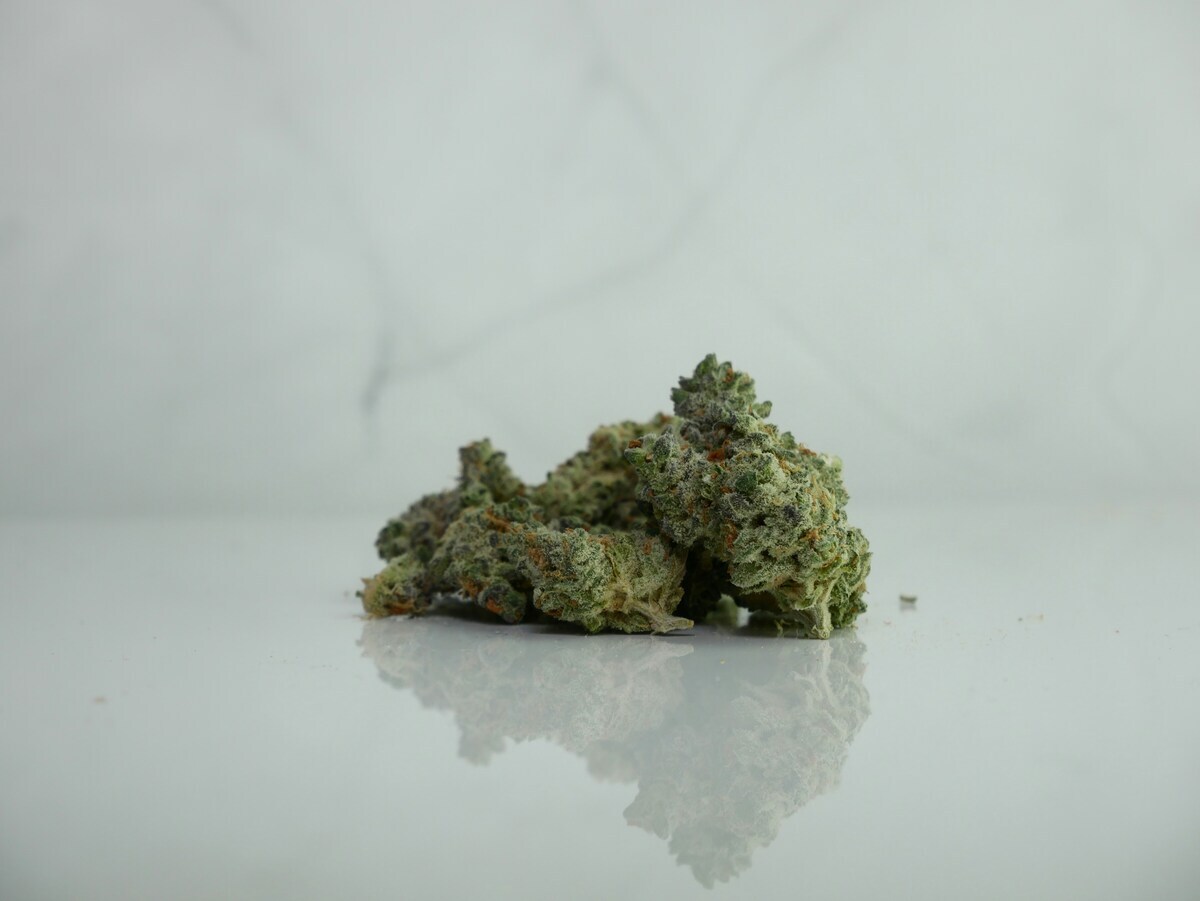
A unique value proposition (UVP) tells consumers why your brand is worth their attention. In competitive markets, the best cannabis branding makes that difference obvious within seconds. Your UVP should explain what you do better or differently, and why that difference matters to the customer.
Your UVP may focus on one primary strength or a clear combination of benefits, such as:
- Product quality or innovation: precise formulations, consistent effects, or standout genetics.
- Organic or sustainable sourcing: clean inputs, responsible cultivation, and transparent practices.
- Lifestyle alignment: support for wellness routines, creative expression, or community connection.
Once defined, your UVP must show up everywhere. Packaging should signal it visually. Website copy should state it clearly. Social content should reinforce it through tone, imagery, and messaging. When consumers encounter your brand, they should quickly understand what you stand for and why it fits their needs.
A strong UVP reduces confusion, strengthens recall, and helps customers choose your brand with confidence.
Simplifying Choice and Expanding Appeal
Some leading cannabis brands have made product selection easier—and more inviting for newcomers—by moving away from complex strain names toward effect-driven categories. Instead of asking customers to decipher botanical jargon, these brands organize their offerings by the kind of experience each product delivers, such as Calm, Focus, or Energy.
This shift helps demystify the shopping process, empowering both new and seasoned consumers to make choices that align with their goals or mood. High-quality packaging paired with clear color systems further reinforce these intuitive categories on the shelf, giving products a polished, approachable look. The result? Cannabis becomes more accessible, approachable, and confidently chosen by a broader audience—not just connoisseurs.
Design a Cohesive Visual Identity
Visual identity shapes how consumers recognize and remember your brand. In many cases, it’s the first signal that tells someone whether your product feels relevant to them. The best branding uses visual design to communicate quality, purpose, and personality at a glance.
Key elements of a cohesive visual identity include:
- Logo and typography – Clean, legible, and consistent with your brand personality. Type choices should support readability while reinforcing whether your brand feels modern, calming, bold, or refined.
- Color palette – Colors influence perception and emotion. Earth tones often signal wellness and sustainability, while high-contrast or muted palettes can suggest luxury or creativity.
- Imagery and design style – Photography, illustration, and icon systems should reflect your consumer’s lifestyle and values, whether that’s wellness routines, social settings, or creative spaces.
Be intentional with cannabis-specific visuals. Overused elements like leaf icons or green-heavy palettes can make brands blend together unless they clearly support your positioning. A distinctive and consistent visual system helps consumers recognize your products quickly and associate them with a specific experience or feeling.
At the same time, steer clear of common cannabis branding pitfalls that can undermine your visual identity:
- Avoid cannabis clichés: Leaning too heavily on leaf imagery, generic green tones, or pun-based names can dilute your brand and perpetuate stereotypes that today’s consumers are eager to move past.
- Maintain consistency across regulations: With shifting laws from state to state, brands that cut corners or play fast and loose with compliance often face costly redesigns later. Build flexibility into your visual system so it can adapt as regulations and markets evolve.
- Address all audiences: If your products serve both recreational and medical consumers, ensure your visuals and messaging don’t alienate important segments. Medical consumers, in particular, may look for trust signals and clarity that differ from lifestyle-driven cues.
- Educate through design: Don’t assume every consumer is an expert. Use clear visual cues and supporting copy to guide people on usage, effects, and expectations, helping them feel confident in their purchase.
A visually cohesive and thoughtful brand presence doesn’t just stand out—it builds trust, adapts to change, and signals that your brand is ready for the future.
Craft a Consumer-Focused Brand Voice
How your brand communicates shapes how consumers relate to it. Cannabis branding best practices require you to speak clearly, consistently, and with purpose. Your brand voice should reflect your personality while addressing what consumers care about most and how your products fit into their lives.
A strong brand voice does three things well:
- Uses storytelling to build connection – Simple, real-world stories help consumers see themselves using your products, whether that’s winding down after work or supporting a daily wellness routine.
- Emphasizes benefits over features – Instead of listing product specs, explain how the product helps the consumer feel, function, or experience something better.
- Stays consistent across channels – Packaging, social media, email, and website copy should all sound like they come from the same brand, not separate teams.
Grow Your Brand Beyond a Single Category
The most memorable cannabis brands aren’t confined to one shelf or one product type—they naturally expand into new categories while staying true to their core identity. But cross-category success doesn’t happen by accident. Here’s how strong brands thrive as they move from flower to edibles, pre-rolls to topicals, and beyond:
- Build on your story and values – Brands with a clear, consistent point of view (think Cookies’ lifestyle appeal or Wyld’s wellness-forward messaging) can introduce new formats that feel like organic extensions, not random add-ons.
- Replicate signature experiences – Whether it’s a bestselling strain with a distinct terpene profile or a cult-favorite edible flavor, taking those recognizable cues into new categories reassures consumers they’ll get the same trusted benefits.
- Lean into community feedback – Tapping into consumer reviews and dispensary staff insights helps brands understand what’s resonating and where there’s room to innovate. Popular demand often signals when it’s time to diversify your lineup.
- Maintain visual and verbal unity – Cohesive packaging, naming, and tone keep your portfolio tightly knit, so shoppers immediately associate new products with your reputation for quality and reliability.
- Address compliance from the start – Each category carries unique regulations. Brands that plan for compliance across product lines prevent headaches—and keep the customer experience seamless—whether launching vapes in California or CBD topicals nationwide.
When you thoughtfully extend your reach, you don’t just launch new products—you expand the lifestyle and values consumers already trust you for. This, in turn, opens up new opportunities for authentic interaction and loyalty-building throughout a consumer’s cannabis journey.
Consistency builds familiarity. Familiarity builds trust. When consumers recognize your voice and understand what you stand for, they are more likely to remember your brand and return to it.
Leverage Packaging as a Branding Tool
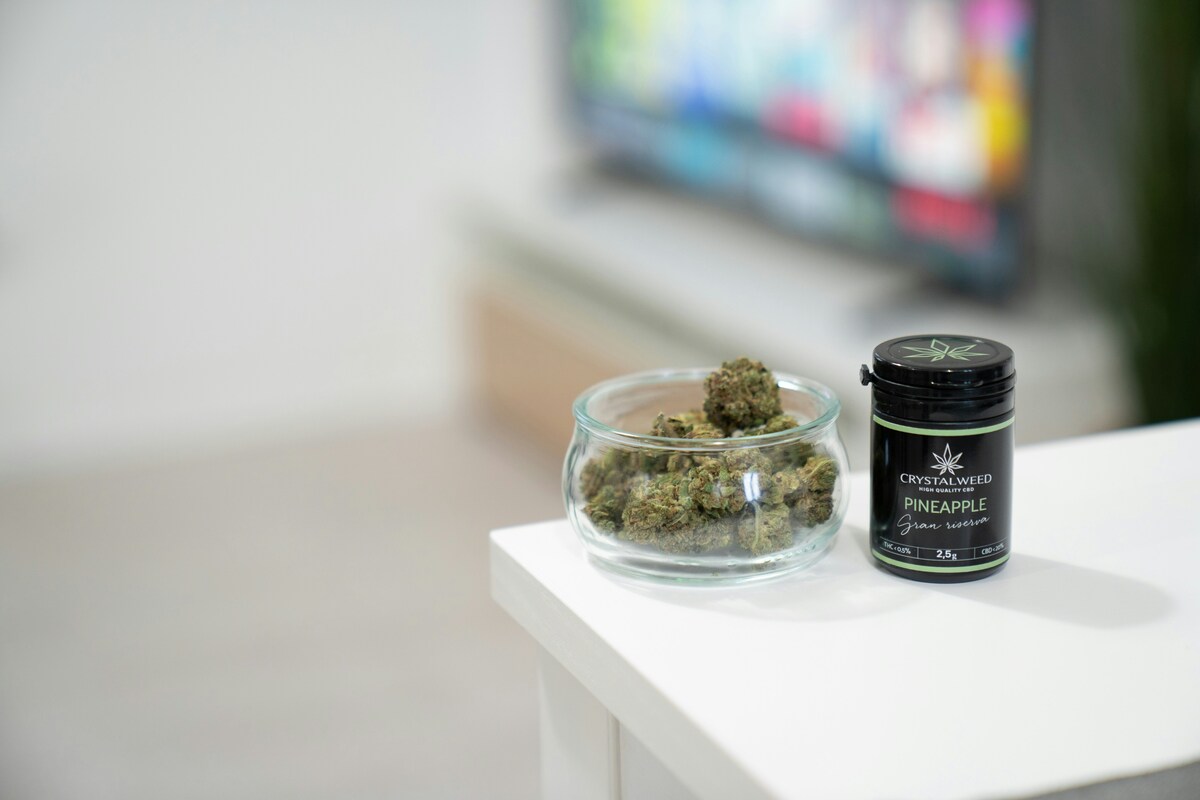
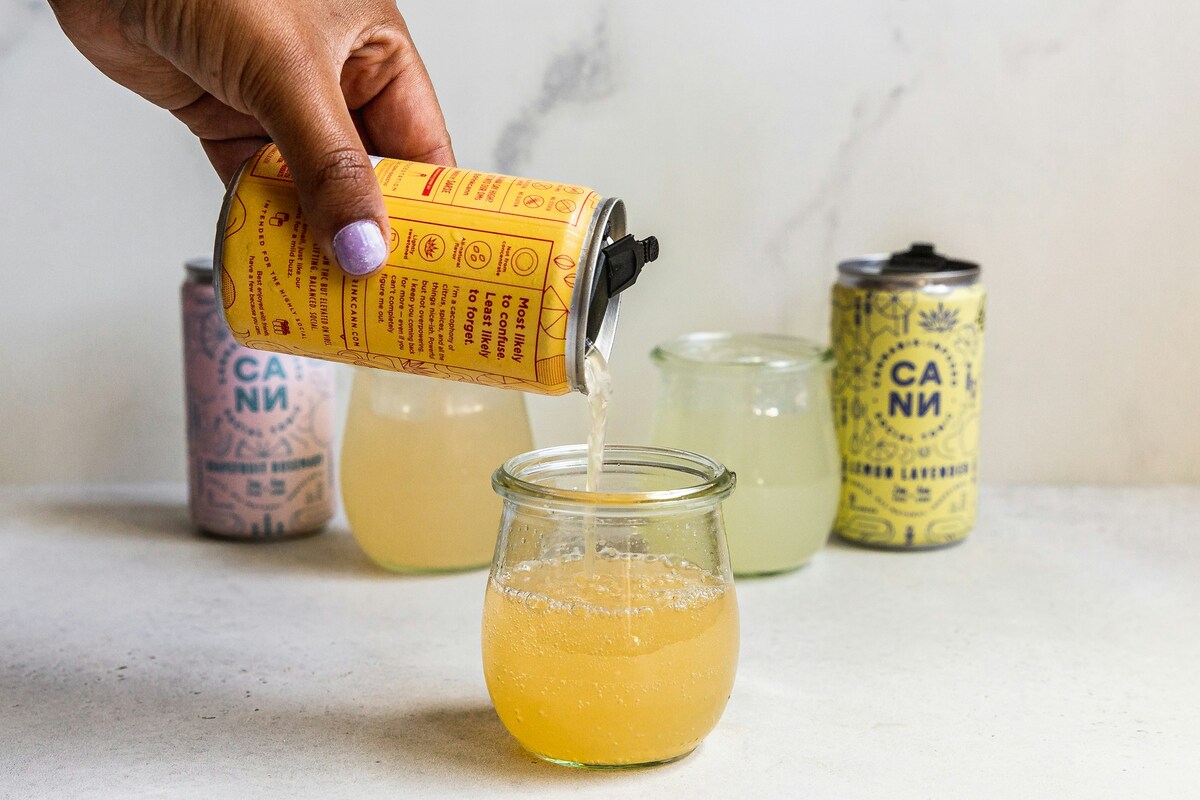
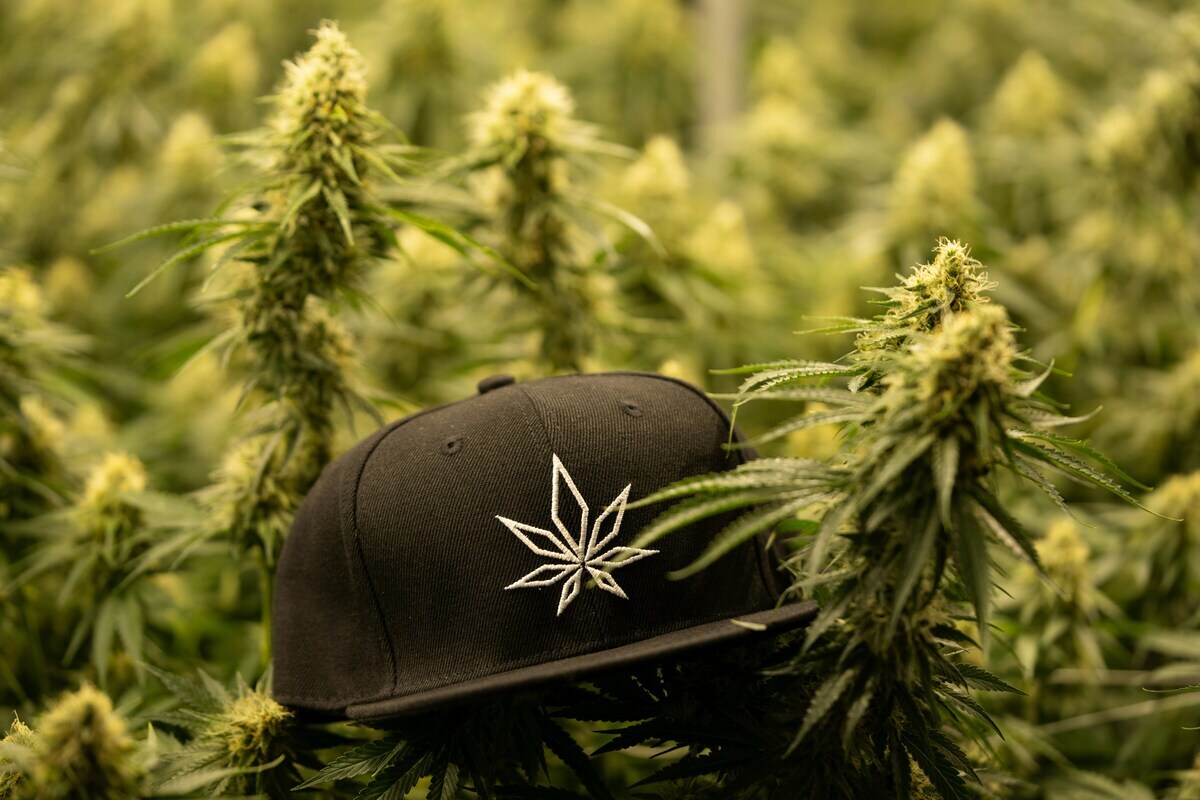
Packaging is one of the most influential touchpoints in the cannabis buying journey. For many shoppers, it’s the first physical interaction they have with your brand. The best cannabis branding treats packaging as both a compliance requirement and a communication tool that signals quality, trust, and value.
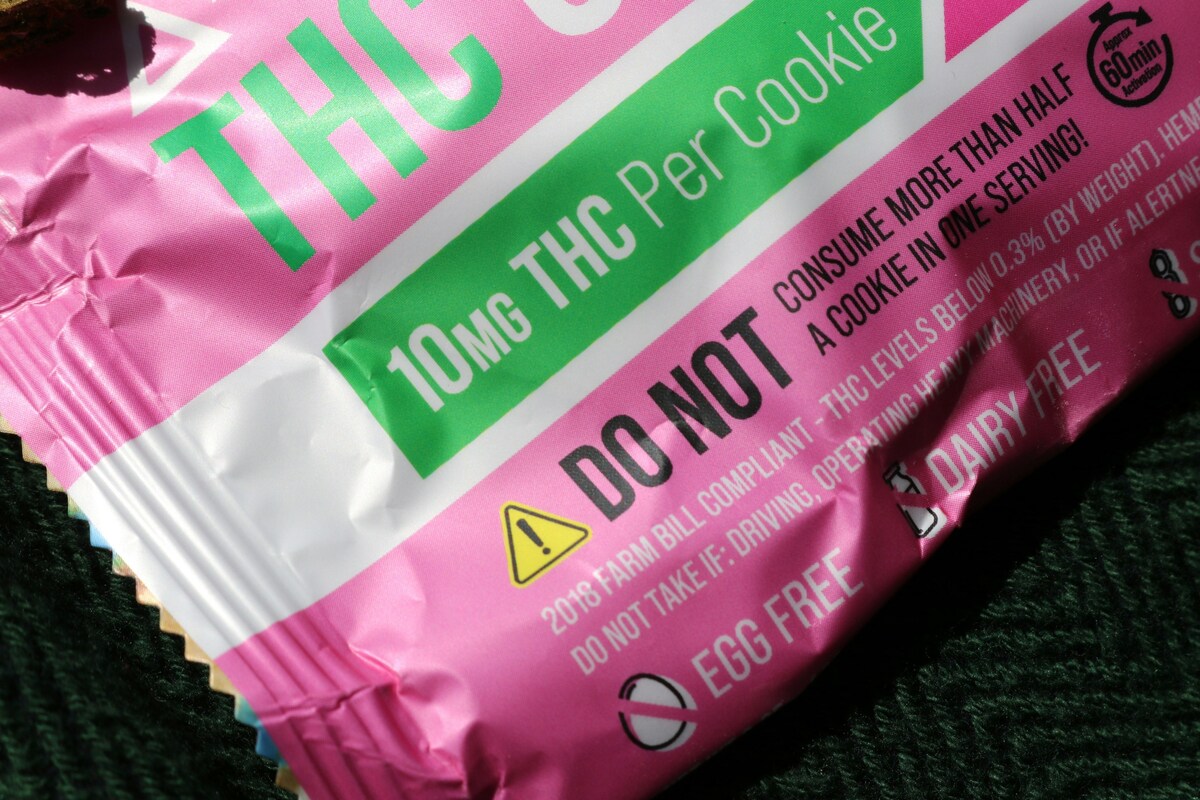
However, packaging design in cannabis comes with unique challenges. Regulatory constraints—which can include strict rules about fonts, imagery, warning labels, child-resistant mechanisms, and even color choices—vary dramatically by state, province, or country. These legal requirements often limit traditional marketing cues and creative approaches, making it even more important for brands to find distinctive ways to communicate within the rules.
Effective cannabis packaging balances clarity, design, and material choice. Best practices include:
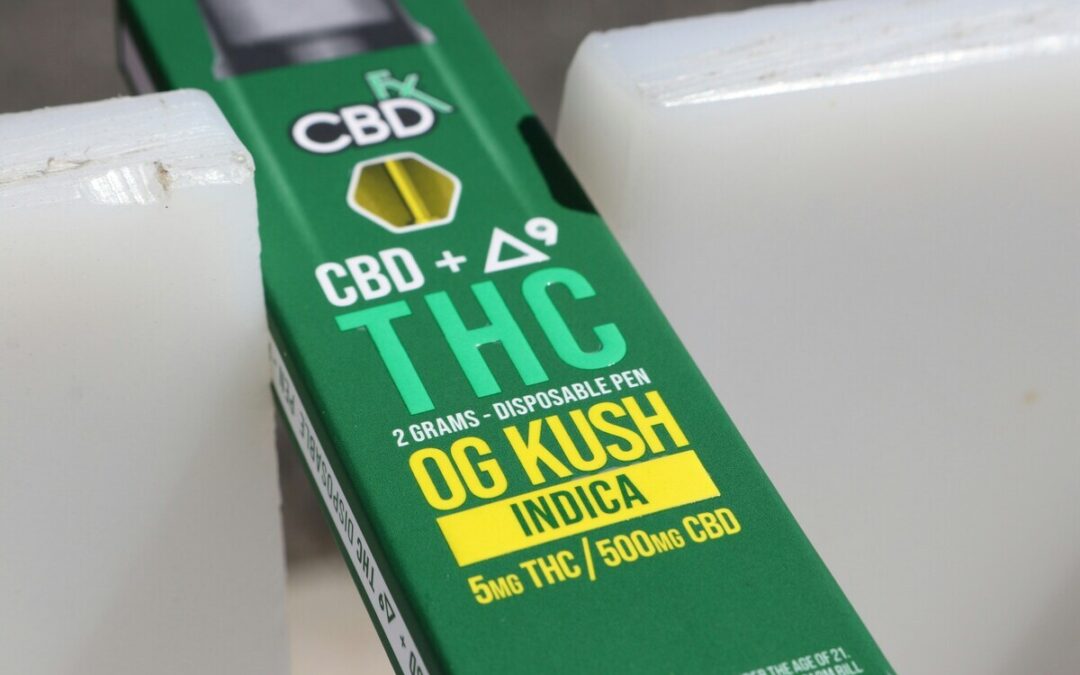
- Clear labeling with product details – Consumers should quickly understand potency, format, intended use, and expected effects without confusion.
- Eye-catching design aligned with brand identity – Packaging should stand out on crowded shelves while staying consistent with your visual system and brand personality.
- Sustainable or premium materials – Recyclable, reusable, or high-quality finishes can increase perceived value and align with wellness or eco-conscious positioning.
When packaging communicates clearly and looks intentional, it reduces hesitation at the point of sale. A thoughtful unboxing experience reinforces brand recall and increases the likelihood that a first-time buyer becomes a repeat customer.
Navigating these regulatory hurdles while still delivering an engaging, on-brand experience requires creativity and strategic thinking. Brands that succeed in this space don’t just meet the minimum legal requirements—they use every allowable element, from thoughtful copy to innovative structures and materials, to set themselves apart and create lasting consumer impressions.
Navigating Regulatory Complexity with Compliance Resilience
Adapting your cannabis brand for diverse regulatory landscapes isn’t just about ticking legal boxes—it’s about building trust while keeping your identity intact across every market you serve.
To foster true compliance resilience, consider:
- Design Flexibility with Core Consistency – Develop packaging and messaging templates that preserve your brand’s key elements but can be adapted for different state or country rules. Modular label systems, for example, make it easy to adjust mandated wording, symbols, or dosage graphics without diluting your look and feel.
- Proactive Legal Collaboration – Work closely with compliance experts and regulatory consultants like Vicente LLP or the Cannabis Compliance Alliance as early as possible in your design process. Staying ahead of shifting laws helps you avoid costly reprints and rushed redesigns down the line.
- Centralized Brand Guidelines – Maintain detailed, up-to-date brand guidelines accessible to all creative and operational teams. This keeps your visuals, tone, and claims consistent, even as compliance requirements evolve.
- Continuous Education and Feedback Loops – Train staff—and retail partners—on the dos and don’ts of compliant communication. Listen to feedback from dispensary teams and consumers regarding clarity and trustworthiness, then refine your approach as regulations (and consumer expectations) change.
By treating compliance as a core brand strength, rather than a hurdle, you signal professionalism and reliability. This sets you apart in an industry where adaptability and trust are decisive advantages.
Key Steps for Crafting a Strategic Cannabis Brand with an Agency
Working with a branding agency can amplify your impact—if you take a thoughtful, strategic approach from day one. Here’s how to lay the groundwork for a standout cannabis brand that earns trust and drives long-term growth.
Begin with Insightful Research
Solid branding starts by understanding where you’re playing and whom you serve. Before any logos or taglines take shape, get clear on:
- The regulations shaping packaging, promotion, and distribution in your market (from California’s compliance rules to Canada’s evolving framework).
- What your top competitors are doing—both inside the cannabis category and in related lifestyle or wellness brands like Aesop or Ritual.
- Your audience’s genuine needs, aspirations, and the moments cannabis fits into their lives—whether it’s unwinding, socializing, or managing wellness.
- The distribution, retail, and e-commerce channels available and any unique barriers you’ll need to overcome.
This foundational research helps you find your white space and make smarter decisions every step of the way.
Build Your Brand’s Strategic Core
With real data and insights in hand, partner with your agency to define and document:
- Why your brand exists (your mission and purpose) beyond making sales.
- The core values that shape your story and inform every touchpoint.
- Profiles of your ideal customers, complete with motivations, habits, and lifestyles.
- The unique strengths or innovations that set you apart—do you offer rare cultivars, chef-inspired edibles, or ultra-sustainable practices?
- The voice and personality that will make every communication sound unmistakably “you.”
Think of this as your brand’s North Star, guiding creative choices and business decisions alike.
Translate Strategy into Distinctive Brand Elements
Now, bring your vision to life through:
- Memorable, legally viable naming and brand architecture.
- A visual identity system that flexes across packaging, web, print, and retail—think about how brands like Patagonia or Omsom express themselves visually at every interaction.
- Packaging solutions that balance shelf appeal, consumer clarity, and compliance.
- Digital guidelines to ensure a consistent, compelling experience from social feeds to online ordering.
- Messaging and education strategies that connect with consumers at every stage—from the curious first-timer to the loyal enthusiast.
Launch and Engage for Ongoing Success
A memorable brand launch is the start, not the finish line. Plan for:
- Integrated go-to-market strategies leveraging your own channels, earned press, and paid placements.
- Retailer education and partnership programs to turn staff into brand advocates.
- Grassroots and digital community-building that deepen relationships and build authentic buzz.
- Clear measurement frameworks (think: brand health tracking, customer feedback loops) to refine and optimize as you expand.
This layered, agency-supported process helps ensure every customer touchpoint feels intentional and cohesive—setting your cannabis brand up to thrive for the long haul.
Build a Consumer-Centric Digital Strategy
A strong digital presence supports discovery, education, and repeat engagement. Premium cannabis brand positioning extends beyond packaging and retail into digital spaces where consumers research products, learn routines, and form brand preferences.
Website and SEO
Your website should clearly explain who you are, what you offer, and how your products fit into a consumer’s life. Strong SEO helps connect your brand with people actively searching for cannabis products, effects, and use cases. Focus on product-specific keywords, lifestyle-related searches, and a clear site structure so visitors can find answers quickly and move confidently toward purchase.
Content Marketing
Educational content builds trust before a consumer ever reaches a dispensary. Blogs, guides, and FAQs help people understand product formats, effects, and usage while positioning your brand as a reliable source of information. Clear, accurate content also supports SEO and keeps your site relevant over time.
Social Media
Social platforms help humanize your brand and reinforce lifestyle alignment. Instagram and TikTok work well for visual storytelling, routines, and short-form education, while email newsletters and loyalty programs support ongoing relationships. Consistent posting and a recognizable voice keep your brand familiar between purchases.
Engage Consumers Beyond Products
Strong brands build relationships that extend past the purchase. The best cannabis branding creates opportunities for consumers to connect with your brand in meaningful, real-world ways that reinforce trust and loyalty.
- Events and experiences – Sponsorships, pop-ups, and branded activations allow consumers to interact with your brand outside the dispensary. These moments make your brand feel tangible and human, not just transactional.
- Community and loyalty programs – Reward programs, educational workshops, and exclusive access encourage repeat engagement while making customers feel valued. Community-driven efforts also support word-of-mouth growth.
- Customer feedback loops – Reviews, surveys, and direct feedback help you understand what’s working and where expectations aren’t being met. Listening closely allows you to refine both branding and product offerings over time.
When consumers feel involved rather than marketed to, they’re more likely to stay loyal and advocate for your brand. Engagement builds familiarity, and familiarity builds long-term brand strength.
Real-World Lessons from Cannabis Branding Leaders
Curious how standout cannabis brands are breaking the mold and commanding attention? Let’s look at a few trailblazers and the strategic choices that set them apart—each with lessons that can shape any emerging cannabis brand.
- Simplify the Journey Some brands have paved the way by stripping away confusing strain names and instead grouping products by effects—think categories like “calm,” “create,” or “connect.” This not only makes the shopping process less intimidating for new consumers, but also elevates the customer experience to feel more curated and intuitive. Premium packaging and cohesive color systems reinforce this clarity and justify higher price points.
- Consistency as a Calling Card In the world of infused edibles, a household name cemented its leadership by obsessing over product consistency and dosage accuracy. By presenting their offerings in packaging that would look at home in a boutique grocery, they transformed stigma into sophistication. The result? An ecosystem of sub-brands all held to the same uncompromising quality standards, tailored for different use moments and needs.
- Storytelling Rooted in Heritage Another leader leaned into agricultural roots, using vintage-inspired packaging, hand-drawn accents, and nods to organic farming. Their story honors both legacy and craftsmanship, inviting consumers into a narrative that feels authentic and distinctly regional. The lesson: emotional connection and a strong sense of place can elevate your brand miles beyond just the product inside.
- Design-Driven Innovation For those positioning around wellness and precision, brands have developed proprietary devices and clinical presentation, like vaporizers that provide measured doses for consistent effects. Minimalist design language and clear effect categories help bring cannabis out of the shadows, welcoming health-conscious and novice users alike.
What’s universal? The most successful brands obsess over clarity, lean into authenticity, and design every consumer touchpoint with intention. Whether you’re defining your experience, building trust through consistency, celebrating heritage, or welcoming new users through thoughtful design, these examples show that strategic branding transforms a product into a lifestyle.
Lessons from Cannabis Branding Leaders
Emerging cannabis brands can accelerate growth and credibility by borrowing strategies from those who’ve already broken new ground. Several themes consistently show up among industry leaders—regardless of their target consumer, operational scale, or product type.
- Simplify Consumer Choices Top brands stand out by making the path to purchase less confusing. Instead of overwhelming customers with jargon or long lists of strain names, they group products by effect, need state, or clear category language. This demystifies the selection process for newcomers, inspires confidence, and aligns your messaging with real-life outcomes.
- Prioritize Consistency and Trust Established names in edibles and other formats build loyalty by focusing on reliable quality, precise dosing, and clear labeling. When consumers know exactly what to expect each time, you earn repeat business—and build the trust essential for premium pricing.
- Leverage Storytelling and Heritage Brands that root themselves in a compelling story, tradition, or purpose foster deeper connections. Showcasing authentic values—whether it’s sustainable farming, unique local origins, or artisanal craftsmanship—gives customers something relatable to champion and share.
- Innovate on Form and Function Forward-thinking companies aren’t just about looks—they invest in thoughtful design that solves real problems, such as accurate dosing or discreet, intuitive packaging. Smart design not only sets you apart visually but also signals quality and care to discerning buyers.
Incorporating these best practices doesn’t mean copying others; it means adapting proven strategies to support your own unique brand promise. Thoughtful simplification, unwavering consistency, story-driven marketing, and user-centered design remain the bedrock of successful cannabis branding—for established names and new entrants alike.
Measure and Optimize Branding Impact
Branding works best when it’s measured and refined over time. It should rely on data to understand how consumers perceive your brand and how that perception influences behavior. Tracking the right metrics helps you identify what resonates and where adjustments are needed.
Focus on performance indicators that reflect both awareness and engagement, including:
- Brand recall and recognition – Measure how easily consumers remember and identify your brand across channels and retail environments.
- Website traffic and conversions – Track visits, time on site, and actions taken to understand how effectively your digital presence supports decision-making.
- Social engagement and sentiment – Likes, comments, shares, and sentiment analysis reveal how audiences respond to your messaging and tone. Beyond numbers, active cannabis communities offer immediate feedback on brand authenticity and perceived value, giving you direct insight into how your messaging resonates within the culture.
- Repeat purchase rates – Returning customers signal trust, satisfaction, and long-term brand value.
Use these insights to refine your messaging, adjust visuals, and improve consumer experiences. Small, informed changes help keep your brand relevant and aligned with consumer expectations.
Future-Proof Your Brand Identity
To thrive in an evolving cannabis landscape, brands must remain nimble and proactive. Regulations shift, consumer preferences mature, and markets quickly diversify—so a future-proof identity is built on adaptability and insight.
Start by designing a flexible brand system. Keep core elements—like your logo, color palette, and messaging—clear and easily refreshed. When compliance rules or retail display standards change, flexible assets help you update packaging, campaigns, and in-store visuals without losing brand recognition.
Next, stay ahead with consistent market research. Monitor consumer trends, regulatory updates, and competitor moves in both established markets (like California or Colorado) and emerging ones (such as New York or New Jersey). Brands that regularly gather feedback through surveys, social media engagement, or platforms like Reddit and Leafly can spot shifting expectations early and course-correct in real time.
Invest in modular packaging and digital-first experiences. Packaging suppliers like Systech or Avery Dennison offer compliance-ready options that can be updated with minimal disruption. Meanwhile, digital assets—think web, email, and social media—allow you to communicate changes rapidly and keep audiences in the loop.
Finally, foster a culture of learning within your team. Encourage cross-functional collaboration and ongoing education. Keeping everyone attuned to industry movements ensures your brand identity evolves alongside the market, not behind it.
With these strategies, cannabis brands can stay resilient—building trust and equity that endure, no matter how the landscape shifts.
Final Word
The best cannabis branding stays focused on the consumer while remaining compliant and consistent across every touchpoint. Brands that understand their audience, define a clear mission, build a recognizable identity, and engage people beyond the product earn attention and trust in crowded retail environments.
If you’re looking to bring these ideas to life, Custom 420 Supply helps cannabis brands build and execute branding through custom cannabis packaging and label design. From early brand development to packaging that stands out on the shelf, our team supports consumer-focused branding that aligns with your goals and your market.
Want to learn more? We invite you to reach out through our contact page today.
Frequently Asked Questions
What qualities define the most successful cannabis brands?
The most successful cannabis brands focus on clarity, consistency, and consumer trust. They understand their audience, communicate a clear purpose, and deliver a recognizable experience across packaging, messaging, and digital channels. These brands also prioritize transparency, compliant labeling, and reliable product quality, which helps build confidence and encourages repeat purchases over time.
How can cannabis companies create a memorable and consistent brand identity?
Cannabis companies build a memorable brand identity by aligning their mission, visuals, and voice across every consumer touchpoint. This includes a cohesive visual system, a defined brand voice, and packaging that reflects the same values as the website and social media. Consistency is key: when consumers see the same tone, design cues, and messaging repeatedly, the brand becomes easier to recognize and remember.
What strategies do top cannabis brands use to differentiate themselves in the market?
Top cannabis brands differentiate by clearly communicating what makes them distinct. This may include product quality, sustainable sourcing, wellness positioning, or lifestyle alignment. They also use thoughtful packaging design, educational content, and community engagement to reinforce their message. By focusing on consumer needs and delivering a clear value proposition, these brands avoid blending into a crowded market and stand out at the point of sale.
Some brands go even further by integrating cannabis into broader lifestyle narratives. For example, brands like Houseplant position cannabis as part of a contemporary, design-conscious way of living—connecting their products with cultural touchpoints in fashion, music, home decor, and cuisine. By making cannabis feel at home alongside other lifestyle elements, these companies help normalize usage and tap into consumers’ identities, not just their purchasing behavior.
Whether through purposeful storytelling, eye-catching visuals, or aligning with modern culture, top cannabis brands don’t just sell a product—they create an experience that resonates with consumers both on and off the shelf.