Texas cannabis packaging laws can feel confusing because they shift often.
While recreational marijuana is still illegal, hemp-derived products such as CBD and Delta-8 THC are sold widely across the state. Lawmakers continue to adjust rules on how these products must be packaged, labeled, and sold.
For businesses, compliance is more than following today’s rules; it also means preparing for changes that may come soon.
The Legal Framework: Hemp vs. Marijuana in Texas
Texas law draws a clear line between hemp, medical cannabis, and marijuana:
Hemp-Derived Products – Cannabis with no more than 0.3% delta-9 THC by dry weight is classified as hemp. This includes CBD oils, Delta-8 edibles, and infused beverages. These products are legal under both state and federal law.
Medical Cannabis – Patients with qualifying conditions can access low-THC cannabis oil through the Compassionate Use Program (CUP). This oil contains less than 1% THC and must be prescribed by a licensed physician.
Recreational Marijuana – Still illegal in Texas. Even small amounts can lead to criminal charges.
Since hemp products make up most of the market, packaging and labeling laws focus heavily on this category.
Texas Packaging and Labeling Requirements for Hemp Products
A URL, QR code, or barcode linking to the product’s Certificate of Analysis (CoA).
A certification that the delta-9 THC level is 0.3% or less by dry weight.
The label must appear on each unit intended for individual retail sale, whether on inner or outer packaging. State rules allow the label to be a URL or a scannable code leading to required information.
Additionally, federal food, drug, and cosmetic labeling rules may apply. For example, if the product is edible, it might need to list ingredients, allergens, net contents, and manufacturer details.
Texas law also bans the manufacture of consumable hemp products intended for smoking (such as pre-rolled hemp cigarettes), though some retail sales remain permitted under court rulings.
Beyond the Statute: Industry Compliance Best Practices
The law sets the baseline, but many packaging standards come from industry best practices and ongoing regulatory proposals. These include:
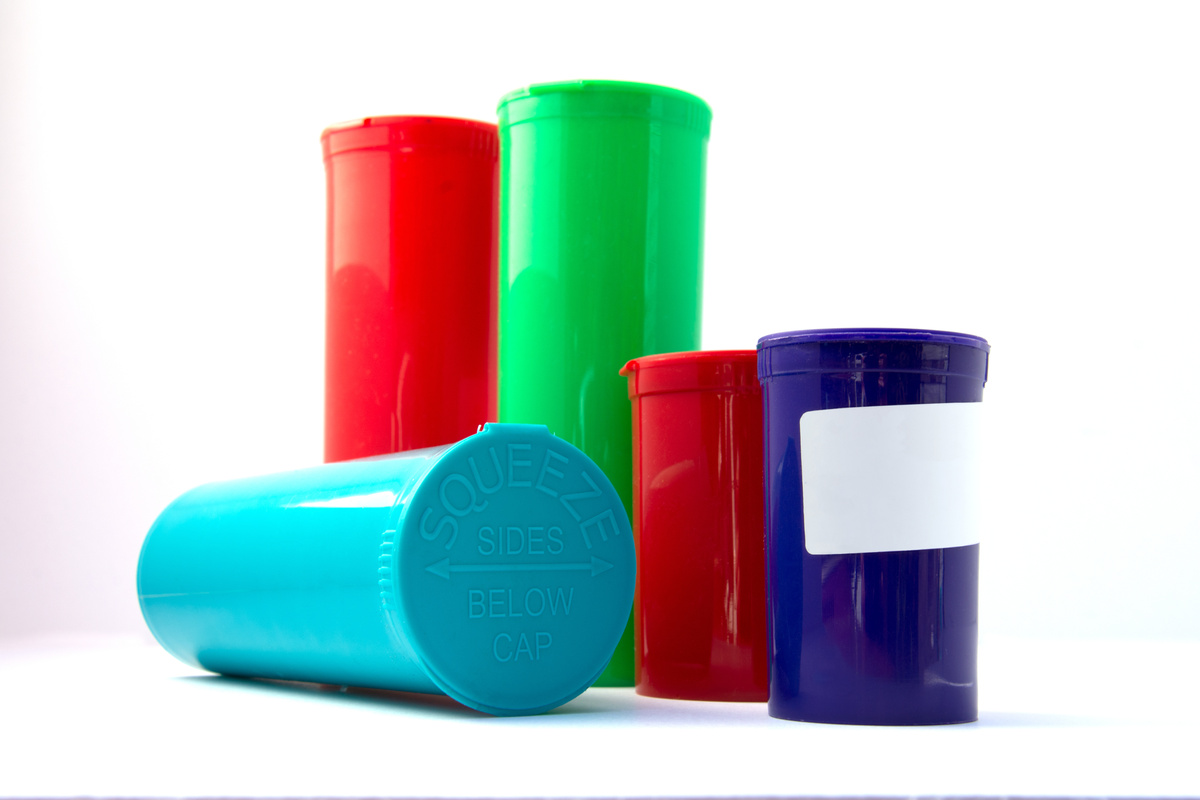
Child-Resistant and Tamper-Evident Packaging – Packages should be secure, opaque, and resealable to reduce accidental ingestion.
Warning Labels and Disclosures – Labels often state that products are not for children, pregnant women, or people who plan to drive. FDA disclaimers are common on CBD products.
Marketing Restrictions – Packaging should avoid candy-like designs, snack imagery, or cartoons that could appeal to minors.
Not all of these measures are mandatory under Texas law yet, but lawmakers are actively reviewing them.
Legislative Developments Reshaping the Rules
Texas cannabis packaging laws continue to shift as lawmakers debate how to regulate hemp and cannabis products. Several recent bills stand out:
Senate Bill 3 (SB3) – Proposed a statewide ban on intoxicating hemp-derived products. Governor Greg Abbott vetoed the bill in June 2025 but expressed support for stricter rules, including child-resistant packaging, age limits, and warning labels.
Senate Bill 2024 – Effective September 1, 2025, this law bans the sale and marketing of cannabinoid vape products such as CBD, Delta-8, and THC vapes. Possession remains legal, but retailers face penalties for selling.
SB5 / HB5 (Proposed) – Aim to tighten hemp regulation further by setting THC content limits, restricting packaging that appeals to minors, and requiring warnings similar to alcohol and tobacco.
What This Means for Businesses
For manufacturers, distributors, and retailers, compliance requires a proactive approach. Key actions include:
Labeling Accuracy – Display batch ID, CoA access, and THC concentration on every retail package.
Packaging Safety – Use child-resistant, tamper-evident designs, even if not yet required by law.
Responsible Marketing – Avoid bright, candy-like branding or imagery that could attract minors.
Regulation Tracking – Watch upcoming bills such as SB5/HB5 and adjust packaging strategies early.
By staying ahead of regulation, businesses reduce legal risk and build consumer trust in a fast-growing market.
Final Word
Texas cannabis packaging laws continue to change quickly. Current rules focus on hemp-derived products, but future regulations may bring stricter standards on child safety, age limits, and health warnings.
Do you need cannabis packaging that stays up-to-date on compliance? Custom 420 Supply is here to help! We invite you to reach out through our contact page for more information.
Frequently Asked Questions (FAQs)
Are cannabis packages in Texas required to include prescribing physician and patient information?
No. Packages for hemp-derived products and low-THC cannabis under the Compassionate Use Program do not require physician or patient details. Prescriptions are tracked electronically through the state’s registry system, not on the packaging itself. Packaging laws focus on batch ID, Certificates of Analysis (CoAs), and THC concentration.
How will Texas Senate Bill 3 impact packaging rules for hemp-derived THC consumables?
Although SB3 was vetoed in June 2025, Governor Abbott suggested revising it to impose stricter packaging standards instead of an outright ban. Future legislation inspired by SB3 could require child-resistant packaging, stronger warning labels, age restrictions, and clearer THC disclosures. Businesses should prepare for these changes even though they are not yet law.
What are the penalties for non-compliance with cannabis packaging regulations in Texas?
Penalties vary depending on the violation. Selling hemp products without proper labeling (e.g., missing CoA link or incorrect THC disclosure) can result in product seizures, fines, or license suspension for manufacturers and retailers. Under new laws such as SB2024, selling prohibited products like cannabinoid vapes could be prosecuted as a Class A misdemeanor, carrying fines and potential jail time.
Utah’s medical cannabis program has grown steadily since its legalization in 2018. Along with this growth, the state has put strict rules in place for packaging and labeling. Utah marijuana packaging regulations ensure that every cannabis product meets safety standards, prevents appeal to minors, and maintains product quality from cultivation to dispensary shelves.
For businesses in Utah’s cannabis market, following these regulations is more than a legal requirement. Compliance helps build trust with patients and protects the long-term stability of the industry.
Legal Framework Overview
Utah Code: Packaging and Labeling Foundations
Two sections of the Utah Code form the basis for cannabis packaging rules:
§ 4-41a-602 (Medical Cannabis Packaging Requirements) – This law requires child-resistant and tamper-evident packaging. It prohibits designs that appeal to children and mandates pharmacy labels, batch tracking, and health warnings.
§ 4-41a-502 (Cultivation Facility Packaging Standards) – Cultivation facilities must place cannabis in tamper-evident containers that do not attract minors before sending products to processors.
These laws set the baseline: packaging must protect consumers, keep products intact, and avoid marketing that appeals to underage users.
Utah Administrative Code: Detailed Rules
The Utah Administrative Code adds specific rules for packaging and labeling:
R66-2-13 – Processing facilities must follow Good Manufacturing Practices (GMPs). Packaging must be child-resistant under federal standards (16 CFR 1700) and cannot contaminate the product.
R66-35-5– Labels must include the product name, cannabinoid content, batch ID, suggested use, allergens, disclaimers, and access to a Certificate of Analysis (CoA).
Key Packaging and Labeling Requirements
Child-Resistant and Tamper-Evident Packaging
All cannabis products must use packaging that meets federal child-resistant standards and includes tamper-evident features. This protects children and ensures that any opening is clearly noticeable.
Prevention of Child Appeal
Utah law strictly prohibits packaging that could attract children. Labels cannot include cartoons, candy-like images, or bright, playful designs. For edibles (e.g., gummies or lozenges), images of the product itself are not allowed.
Opaque, Safe Packaging Materials
Packaging must be opaque so the product inside is not visible. It must also be made from materials that do not interact with or contaminate the cannabis. This is especially important for edibles, tinctures, and concentrates.
Mandatory Label Content
Every cannabis product in Utah must have a label that shows:
Product or brand name and container size
Net weight or volume
Cannabinoid profile (THC, CBD, and other active compounds)
Extraction method (e.g., CO₂, ethanol)
Full ingredient list and allergens
Suggested use and serving size
Batch or inventory control number
Name of the medical cannabis pharmacy
Safety warnings and disclaimers
Disclaimers and CoA Access
Labels must clearly state that the product has not been evaluated by the Food and Drug Administration (FDA) and is not intended to diagnose, treat, or cure any disease. Patients must have access to third-party lab results through a QR code or web link printed on the package.
Rules for Edibles
Edibles have extra requirements:
Labels must include warnings about over-consumption.
No images of the food product are allowed.
Gelatinous candies like gummies must follow strict child-resistance rules.
Synthetic or Derivative Cannabinoids
Products containing synthetic or derivative cannabinoids, such as Delta-8 THC, must clearly state this on the label.
Recent Legislative Developments
Utah lawmakers are strengthening cannabis packaging rules. H.B. 357, introduced in 2025, proposes to:
Ban images of cannabis content on labels for gel-style edibles.
Require clearer labeling for synthetic cannabinoids.
Partner with packaging suppliers who understand Utah-specific regulations.
Include batch tracking, ingredient lists, cannabinoid content, and disclaimers on every label.
Add scannable QR codes that link directly to Certificates of Analysis (CoAs).
For edibles, avoid images of the product and provide clear warnings about overuse.
Stay updated on legislative changes, including bills like H.B. 357.
Following these steps helps businesses remain compliant, protect patients, and build trust in the Utah cannabis market.
Final Word
Utah marijuana packaging regulations are some of the strictest in the country. They focus on safety, protecting children, and building trust in the state’s medical cannabis program.
For cannabis businesses, following these rules helps avoid penalties and shows a commitment to patient safety and product transparency.
Are you a cannabis business in the Beehive State and need fully compliant packaging assistance? Custom 420 Supply is here to help! We invite you to reach out through our contact page to learn more.
Frequently Asked Questions (FAQs)
How does Utah regulate the use of branding and imagery on cannabis packaging?
Utah strictly prohibits cannabis packaging from appealing to children. This means no cartoons, mascots, bright candy-like designs, or images that resemble non-cannabis products. Edibles cannot display pictures of the food itself. Branding must remain professional, factual, and not misleading.
Are cannabis packages in Utah allowed to include health claims or medical advice?
No. Utah law forbids cannabis labels from making health claims, therapeutic promises, or offering medical advice. Every package must include a disclaimer stating the product has not been evaluated by the FDA and is not intended to diagnose, treat, or cure any condition.
What are Utah’s rules regarding expiration dates and batch numbers on marijuana packaging?
All cannabis products must list both the expiration date (to ensure patient safety and product integrity) and a batch or inventory control number (for quality assurance and traceability). This helps regulators and pharmacies track products in the event of recalls or compliance checks.
South Dakota allows medical marijuana use under strict rules to protect patients and maintain product quality. Following South Dakota marijuana packaging regulations is essential for producers and dispensaries. Correct packaging keeps products safe, prevents misuse, and ensures compliance with state law.
Legal Framework
South Dakota’s medical cannabis regulations are anchored in South Dakota Codified Law (SDCL) 34-20G. This statute outlines the legal parameters for medical cannabis cultivation, processing, and distribution. The South Dakota Department of Health (SDDOH) is tasked with overseeing the program, ensuring compliance, and enforcing regulations.
Under SDCL 34-20G-65, all activities related to cannabis cultivation, harvesting, manufacturing, and packaging must occur within secure facilities at registered physical addresses. Access is restricted to authorized personnel, including medical cannabis establishment agents and emergency responders. This provision ensures that all stages of cannabis production are conducted in controlled environments, minimizing risks and maintaining product integrity.
Additionally, South Dakota Administrative Rule 44:90:10 provides detailed guidelines on packaging and labeling requirements. These regulations mandate that all cannabis products be enclosed in child-resistant, opaque, and resealable packaging. Labels must include essential information such as the product’s name, THC content, batch number, and the producer’s registration number.
These measures are designed to prevent accidental ingestion and ensure that consumers have access to accurate product information.
Packaging Specifications
All cannabis products in South Dakota must be enclosed in packaging that is child-resistant, opaque, and resealable. The packaging must also be tamper-evident, providing clear evidence if the package has been previously opened.
These measures are designed to prevent accidental ingestion and maintain product integrity, particularly for edibles and other high-risk forms of cannabis.
Furthermore, South Dakota has product-specific rules in place:
Edible Products
Edible cannabis products must be packaged in child-resistant, opaque, and resealable containers. Clear labeling is critical to differentiate edibles from non-cannabis food items, reducing accidental consumption.
Additionally, the packaging must include a universal symbol indicating that the product contains cannabis. This symbol serves as a visual cue to consumers, helping to prevent accidental ingestion, especially by children.
Smokeable Products
Smokable products, including flower and pre-rolls, must be packaged in airtight, child-resistant containers that maintain freshness and prevent access by children.
The packaging must also be opaque to prevent the product from being visible without opening the package. This requirement helps to ensure that the product is not appealing to minors and maintains its integrity until use.
Labeling Requirements
In South Dakota, all cannabis products must adhere to strict labeling standards set forth by the SDDOH. These regulations ensure that consumers receive clear, accurate, and necessary information about the products they are purchasing.
Required Label Information
Each cannabis product label must include the following details:
Product Name and Strain – Clearly identify the product and its specific strain.
THC and CBD Content – Specify the total milligrams of THC and CBD per serving and the entire package, expressed in absolute terms and as a percentage of the product’s weight.
Date of Manufacture – Indicate when the product was produced to ensure freshness and traceability.
Lot or Batch Number – Provide a unique identifier for the product batch, facilitating quality control and recall processes.
Ingredients List – For edible products, list all ingredients used, including any potential allergens.
Producer Information – Include the name and address of the producer to ensure accountability and traceability.
Health Warnings – Display clear warnings about the potential risks of cannabis consumption, including the effects of THC and the legal age restrictions.
Formatting and Presentation
Labels must be printed clearly in English, using a type size no smaller than 6-point font. All required information should be easily visible and legible to consumers. Labels may be affixed directly to the product or applied via stickers, provided none of the required information is obstructed and can be easily identified by a patient or caregiver.
Additional Recommendations
While not mandated, the use of the International Intoxicating Cannabis Product Symbol (IICPS) is recommended to improve product recognition and safety. This symbol helps consumers quickly identify products that contain THC, reducing the risk of accidental consumption, especially among minors.
Compliance and Enforcement
The SDDOH enforces all cannabis packaging and labeling requirements. Violations can lead to:
Fines of up to $500 for improper packaging or labeling.
Criminal charges for serious or repeated violations.
Consumers can report any issues or discrepancies through the South Dakota Department of Agriculture’s complaint form. This process helps maintain accountability and ensures that producers and dispensaries follow state regulations.
Best Practices for Producers and Dispensaries
To stay compliant and build consumer trust, producers and dispensaries should follow these guidelines:
Use proper packaging – Ensure all products are child-resistant, opaque, resealable, and tamper-evident.
Provide clear labeling – Include accurate THC and CBD content, health warnings, and other required information.
Stay informed on regulations – Regularly review updates to South Dakota marijuana packaging regulations to avoid violations.
Conduct internal audits – Perform routine checks on packaging and labeling to maintain quality and compliance.
Following these best practices helps protect consumers, prevent legal issues, and strengthen your reputation in the medical cannabis market.
Final Word
Following South Dakota’s marijuana packaging requirements is essential for legal compliance and patient safety. Producers and dispensaries should stay up to date on regulatory changes and apply best practices to protect consumers.
Do you operate a cannabis business in South Dakota and need compliant packaging? Custom 420 Supply has you covered! We can provide customized packaging that’s 100% compliant with your state’s requirements.
Want to learn more? We invite you to reach out through our contact page.
Frequently Asked Questions (FAQs)
How are South Dakota’s marketing-layer requirements defined for edible cannabis packaging?
South Dakota requires edible cannabis products to be packaged in child-resistant, opaque, and resealable containers. Marketing and branding elements must not be appealing to children, and the packaging must clearly indicate that the product contains cannabis.
What materials and container standards must South Dakota cannabis packaging comply with?
All cannabis packaging must use child-resistant, tamper-evident, and opaque containers. Materials should be durable, airtight when necessary, and safe for contact with the product. These standards ensure product integrity and prevent unauthorized access.
Does South Dakota require expiration or manufacturing dates on medical cannabis packaging?
Yes. Medical cannabis packaging must display the date of manufacture, and while an expiration date is not strictly mandated, including it is considered best practice for safety and quality assurance. Labels must also include lot or batch numbers for traceability.
North Dakota medical cannabis packaging laws are among the strictest in the United States. The North Dakota Department of Health & Human Services (NDHHS) oversees the program, which began after voters approved Measure 5 in 2016 and officially launched in 2019. Since then, lawmakers have updated rules covering cultivation, sales, and the packaging and labeling of medical cannabis.
Starting in August 2025, new rules will take effect, including the approval of certain edible products. For patients, caregivers, and licensed businesses, understanding these packaging laws is essential for staying compliant and ensuring safety, clear information, and public trust.
Plain design – Packaging cannot include bright colors, flashy graphics, or images that appeal to children.
Tamper-evident – The package must show clear signs if it has been opened.
Child-resistant– Containers must meet federal child-resistance standards and be verified through independent testing.
Durable materials – Packaging must be strong enough to protect the product during transport and storage.
Symbol requirement – A recognized child-resistant symbol must be visible on the package.
Labeling Essentials
For Dried Flower
All dried cannabis flower sold in North Dakota must include the following on its label:
Manufacturer’s name and registry number
Container ID and harvest lot number
Harvest date and strain name
Net weight in both U.S. and metric units
Tetrahydrocannabinol (THC) and cannabidiol (CBD) concentrations
Activation time (written or shown with a pictogram)
Expiration date
The state’s universal cannabis symbol
Required consumer warnings
For Concentrates, Tinctures, and Other Medical Products
Labels for these products must list:
Product identity and process lot number
Manufacturing date
Serving size and number of servings per container
THC and CBD concentration per serving and total amount
Full ingredient list
Activation time and expiration date
Universal cannabis symbol and pediatric warning symbol (if required)
Standard consumer warnings
Font & Format Rules
Use a minimum of 8-point font in Arial or Calibri.
If there are spatial limits, labels may use peel-back or accordion formats, or reduce the font to 6-point.
Mandatory Warnings
All cannabis products in North Dakota must include clear, standardized warnings:
Keep out of reach of children and pets
For adult use only
May cause impairment; do not drive or operate machinery
This product may be addictive
Do not use if pregnant or breastfeeding
Labels must also inform consumers about possible delayed intoxicating effects and potential health risks.
Third-Party Testing and Quality Verification
Before any medical cannabis product reaches patients, it must be tested by an NDHHS-approved independent laboratory. Testing covers:
Potency
Pesticide residues
Heavy metals
Microbial contaminants
Many producers also add QR codes that link to Certificates of Analysis (CoAs). This gives patients access to detailed product information without overcrowding the label.
Edibles: New Rules Starting August 1, 2025
Starting August 1, 2025, North Dakota will allow certain edible medical cannabis products, specifically square-shaped lozenges, either hard or soft. These products will be:
Limited to 5mg of THC per serving
Capped at 50mg of THC per package
Edible packaging must follow the same child-resistant, tamper-evident, and plain design standards as other cannabis products. Extra care must be taken to ensure the packaging does not appeal to minors.
Branding and Advertising Restrictions
Cannabis packaging in North Dakota must follow strict branding rules. It cannot:
Use marijuana imagery or slang terms
Display medical symbols that resemble those of recognized organizations
Feature cartoon characters or designs that appeal to children
All marketing materials, including product labels, must receive approval from the NDHHS before use.
Enforcement and Penalties
Failure to follow North Dakota’s packaging and labeling rules can result in:
Product recalls
Monetary fines
License suspension or revocation
State inspectors perform regular compliance checks, and any violations are treated seriously.
Final Word
North Dakota medical cannabis packaging laws focus on three main principles: safety, transparency, and preventing misuse. For patients, the rules provide confidence in the products they use. For license holders, compliance is essential to remain operational in this tightly regulated market.
Do you own a cannabis business in North Dakota, but require state-compliant packaging? Custom 420 Supply is here to help! We invite you to reach out through our contact page to learn more.
Frequently Asked Questions (FAQs)
Are there defined font sizes or pictogram requirements for activation time and dosage on North Dakota medical cannabis labels?
Yes. North Dakota law requires labels to use a minimum 8-point font (Arial or Calibri) for all mandatory information. If label space is limited, the font may be reduced to 6-point using peel-back or accordion-style labels. Activation time and dosage must be clearly displayed, either in words or using a standardized pictogram.
Are there restrictions on branding or imagery used on medical marijuana packaging in North Dakota?
Absolutely. Packaging must be plain and child-resistant. Logos and branding may not include marijuana imagery, slang, cartoon characters, or medical symbols resembling official associations. All labeling and marketing must be approved by the ND Department of Health & Human Services.
How does North Dakota enforce compliance with cannabis packaging and labeling laws for dispensaries and manufacturers?
Compliance is enforced through routine inspections, label reviews, and lab testing verification. Violations can result in fines, product recalls, or license suspension/revocation. Third-party lab testing ensures product potency and safety, and QR codes linking to Certificates of Analysis (COAs) help maintain transparency.
The Granite State is preparing to grow its cannabis market. For packaging suppliers, dispensaries, and brands, understanding New Hampshire cannabis packaging regulations is essential. Clear rules help businesses stay compliant and avoid penalties. This guide explains the key packaging laws that apply in the state.
Understanding Cannabis Legalization in New Hampshire
Medical cannabis is legal in New Hampshire, and the program is managed by the Department of Health and Human Services (DHHS) through the Therapeutic Cannabis Program (TCP). Recreational cannabis, however, is still under review by state lawmakers. Although no final decision has been made, discussions around legalization continue to move forward.
For businesses involved in cannabis packaging, staying informed is key. Even if you only serve medical dispensaries now, proposed recreational laws will likely introduce new packaging and labeling rules. Monitoring both current regulations and upcoming bills helps you plan ahead and avoid costly updates later.
Packaging Requirements
Cannabis products in New Hampshire must follow specific packaging rules to protect consumers and meet state regulations. These apply to all formats, including flower, edibles, tinctures, and topicals.
Tamper-evident features – Packaging must show clear signs if opened or altered.
Opaque or non-transparent packaging – Especially important for edibles to prevent confusion with regular food or candy.
Durable materials – Packaging must protect the product during normal handling and storage.
Resealable containers – Needed for products with more than one serving, such as edibles and creams.
These standards follow national safety guidelines and are similar to rules in nearby states.
Labeling Requirements
Accurate labeling is essential for legal compliance and consumer safety. Labels must show information for customers and data required by the state to track products.
Common labeling rules include:
Product name and type
Total tetrahydrocannabinol (THC) and cannabidiol (CBD) content per serving and per package
Net weight or volume
Ingredients list, especially for edibles or infused products
Manufacturing and expiration dates
Batch and lot numbers
Lab testing results
Usage instructions and dosage
Warning statements like:
“Keep out of reach of children”
“This product may cause impairment”
Labels must be easy to read, truthful, and printed in English. The state also requires specific font sizes to ensure clarity.
Marketing and Branding Restrictions
Packaging design plays a big role in compliance. New Hampshire, like many states, bans packaging that could attract minors or make false health claims.
Avoid using:
Cartoon characters or popular culture images
Bright colors that look like candy
Packaging shaped like toys or sweets
False or misleading health benefit claims
Packaging should clearly show that the product is for medicinal use. It should not look like regular snacks or drinks.
Penalties for Non-Compliance
Cannabis packaging violations can lead to serious consequences. Depending on the nature and severity of the violation, businesses may face:
Fines or administrative penalties
Product recalls
Suspension or revocation of operating license
Public health investigation
For instance, distributing products without proper THC labeling or child-resistant features could trigger enforcement actions by the state.
Tips to Stay Compliant
Work with compliance-focused packaging vendors Choose partners familiar with evolving cannabis laws across New England.
Stay updated on legislation Monitor changes from the NH DHHS and state legislature to adjust packaging accordingly.
Implement a compliance checklist Develop an internal packaging review process before any product hits the shelves.
Consult legal or regulatory experts Especially when entering the market or launching a new product line.
Final Word
The landscape of New Hampshire cannabis packaging regulations is evolving, especially as the state inches closer to recreational legalization. Whether you’re an established operator or a new entrant to the market, now is the time to build a packaging strategy grounded in safety, clarity, and compliance.
Need packaging that’s fully compliant? Custom 420 Supply is a cannabis packaging company that operates out of New England and can provide you with everything you need. Want to learn more? We invite you to reach out through our contact page.
Frequently Asked Questions (FAQs)
Does New Hampshire require specific font sizes or label formatting on cannabis packaging?
Yes, New Hampshire mandates that all cannabis packaging labels be clear and legible. While the state specifies minimum font sizes to ensure readability, exact font size requirements and formatting details are outlined in DHHS guidelines. These rules help consumers easily identify product information and safety warnings.
Are New Hampshire cannabis packaging laws aligned with federal guidelines like 21 CFR and ASTM standards?
While cannabis remains federally illegal, New Hampshire’s cannabis packaging regulations often draw from established federal safety standards such as the Consumer Product Safety Commission’s child-resistant packaging rules and ASTM International guidelines. The state adapts these standards to fit its regulatory framework to ensure consumer safety and product integrity.
How often must cannabis packaging and labeling be updated to remain compliant in New Hampshire?
Cannabis packaging and labeling must be updated whenever there are changes in product formulation, potency, or regulatory requirements. Businesses are advised to review packaging compliance at least annually and stay informed about legislative updates to ensure ongoing adherence to New Hampshire laws.