
With the legalization of medical cannabis in Mississippi, the state has implemented comprehensive packaging and labeling requirements to protect patients, prevent misuse, and ensure transparency. Whether you’re a cultivator, processor, or dispensary operator, understanding the Mississippi marijuana packaging guidelines is essential to staying compliant and maintaining your license.
This guide walks you through everything you need to know (from physical packaging standards to ingredient and potency disclosures) based on current law under the Mississippi Medical Cannabis Program (MMCP).
Specific rules are detailed in Title 15, Part 22, Subpart 6 of the Mississippi Administrative Code. These laws reflect changes in Mississippi medical cannabis regulations as the program grows.
The purpose of these rules is clear: protect patient safety, keep labeling consistent, and stop packaging from appealing to or being easily accessible to children.
Packaging Requirements
All cannabis products in Mississippi must be in packaging that meets strict material and labeling standards:
Child-Resistant – Containers must follow Mississippi cannabis child-resistant packaging requirements. This includes meeting the federal 16 CFR 1700.15 standard to help prevent accidental ingestion by children.
Opaque and Light-Resistant – Packaging must block the product from view and protect it from light exposure, especially harmful UV rays.
Tamper-Evident and Resealable – Packaging must show clear signs if opened and be resealable for any multi-serving product.
Appeal to Children Prohibited – The law bans packaging that features cartoons, candy imagery, or bright, playful colors.
All products must display this warning clearly on the package: “KEEP OUT OF REACH OF CHILDREN”.
Labeling Requirements
Every retail-ready cannabis product sold in Mississippi must include the following information on its outer label:
Name and license number of the manufacturer or grower
Product name
Seed-to-sale tracking ID and batch number
Net weight or volume of the product
Total tetrahydrocannabinol (THC) and cannabidiol (CBD) content, based on certified lab testing
Complete ingredient list
The statement: “This product has been tested for contaminants”
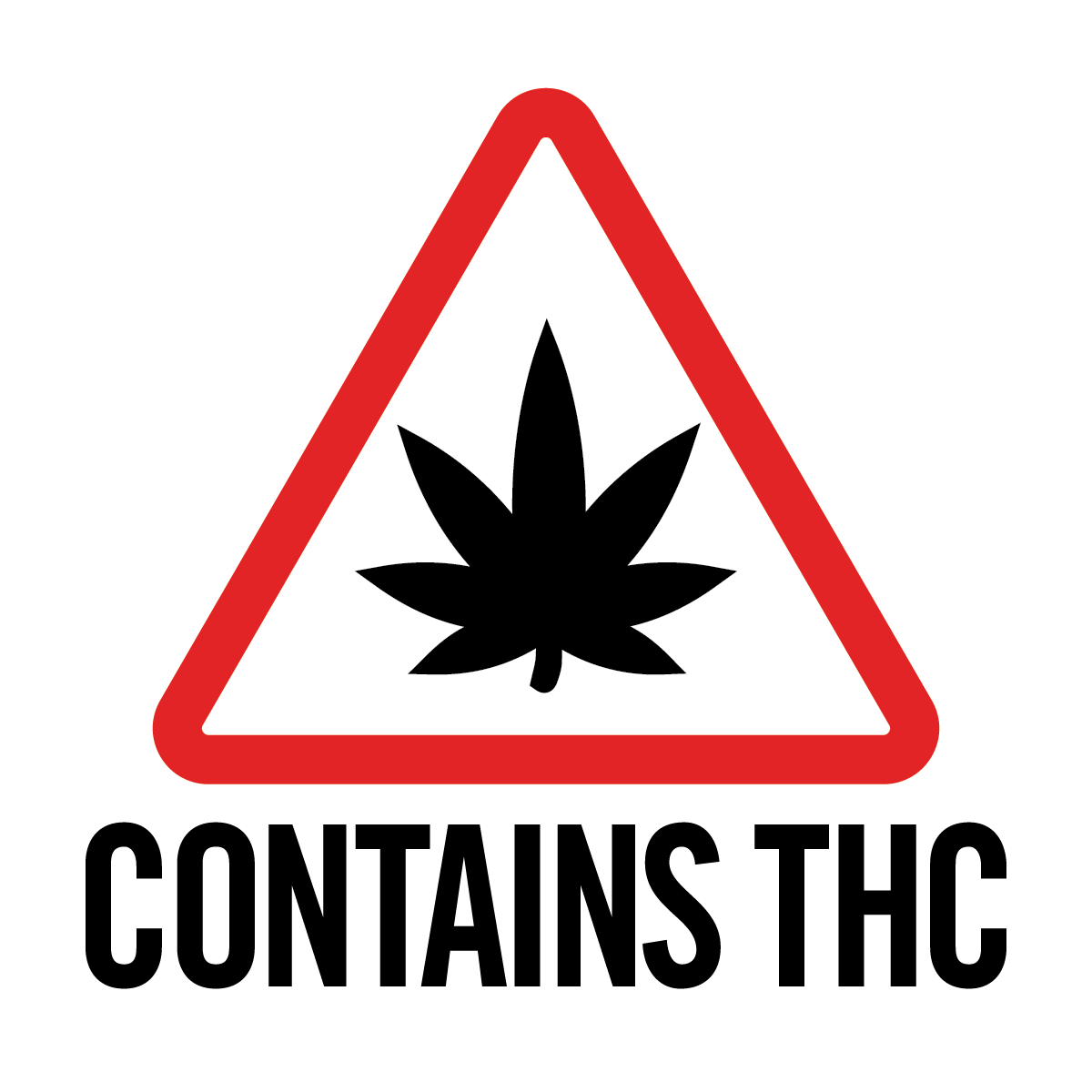
The universal cannabis symbol, as required by state law
Labels must use a plain, easy-to-read font. Decorative or stylized scripts are not allowed.
Topical products must also include this clear warning: “For Topical Application – Do Not Eat or Smoke”.
Labeling for High-Potency Products
Cannabis products containing more than 30% THC must follow Mississippi extremely potent THC labeling rules. These items must clearly display the warning:
“EXTREMELY POTENT – USE WITH CAUTION.”
This warning is necessary on high-THC flower, concentrates, and edibles to help consumers make informed decisions.
Inter-Entity Labeling
When products move between licensed businesses (such as from a cultivator to a processor), Mississippi law requires clear internal labeling. Each package must include:
Source license number
Batch number
Harvest or production date
Unique identifier assigned through Mississippi’s seed-to-sale tracking system
These standards help maintain transparency and traceability throughout the supply chain.
Prohibited Packaging Practices
To protect public health and avoid confusion, Mississippi bans several packaging practices:
Health or Medical Claims –Brands cannot suggest that cannabis can treat, cure, or prevent any illness. This aligns with how Mississippi regulates marketing claims on cannabis packaging.
Food-like or Candy Names – Packaging cannot use terms like “gummy,” “pop,” or any other words that resemble common snack foods. This helps prevent appeal to children.
Use of Government Logos – State and federal seals, flags, or official symbols are not allowed on any part of the packaging.
These rules help keep messaging clear and prevent misleading or unsafe branding.
Edible and Infused Products: Special Requirements
Mississippi cannabis edible labeling guidelines ensure clear dosage, safety, and consumer awareness. Each product must include:
Serving size and total number of servings per package
THC and CBD content per serving and per package
A complete Nutrition Facts Panel, following 21 CFR 101.9
Allergen disclosures
A visible standard cannabis symbol, printed on both the outer package and (when possible) the edible itself
Clear labeling of dose and expected onset time
These rules help patients consume edibles responsibly and understand what to expect.
Compliance Notes and Packaging Variance Rules
Mississippi allows a small margin for potency labeling. Products can vary by up to ±10% from the listed cannabinoid levels. Despite this flexibility, all potency claims must be met with lab testing and clearly shown to consumers.
Manufacturers should submit their label designs to the Mississippi Medical Cannabis Program (MMCP) for pre-approval. This step helps prevent regulatory issues. Failure to comply with packaging rules can result in fines, product recalls, or even license suspension.
Final Word
Complying with Mississippi marijuana packaging guidelines isn’t just about legality; it’s about building trust with patients and creating a safer marketplace. From child-resistant packaging to detailed ingredient and potency labeling, every requirement helps ensure that medical cannabis remains a safe, professional, and well-regulated treatment option in the state.
Are you a cannabis business in Mississippi and need assistance with your cannabis packaging? Custom 420 Supply is here to help! We offer customizable packaging that’s 100% compliant with Mississippi’s state guidelines.
Want to learn more? We invite you to reach out through our contact page.
Frequently Asked Questions (FAQs)
Are there specific labeling rules for THC potency and serving size on Mississippi medical cannabis products?
Yes. All cannabis products must display THC and CBD content per serving and per package. For edibles, serving sizes and number of servings must also be listed. High-THC products over 30% must include the warning: “EXTREMELY POTENT – USE WITH CAUTION.”
What packaging materials are allowed for medical cannabis products in Mississippi?
Mississippi requires packaging to be child-resistant, opaque, resealable, and light-resistant. The materials must prevent contamination and cannot resemble packaging for candy, food, or children’s products.
How does Mississippi regulate marketing claims on cannabis packaging?
The state strictly prohibits any health, wellness, or curative claims on cannabis labels. Packaging cannot suggest that a product treats any medical condition or improves general well-being unless specifically approved. All statements must be factual and non-misleading.
Cannabis packaging in Louisiana is regulated by law. Whether you’re selling hemp-derived edibles or medical marijuana, your packaging must follow specific rules. These laws help protect public health, stop underage access, and make product details easy to understand. This guide explains the latest Louisiana cannabis packaging laws.
Regulatory Overview
Several agencies regulate cannabis packaging and labeling in Louisiana:
All cannabis products must follow child-resistant cannabis packaging laws in Louisiana, meeting the CPSC’s 16 CFR § 1700 standard. Packaging must be sealed to show clear signs if it has been opened, and must be hard for children under five to open.
Light-Resistant and Opaque Materials
Packaging must block UV light to protect the cannabinoids from breaking down. Opaque materials are required. If packaging is transparent, it must meet Louisiana cannabis packaging expiration date requirements to ensure safety and maintain potency.
Resealable Containers
Products with multiple servings, like edibles or tinctures, must come in resealable containers. This helps meet child-resistance rules and keeps the contents clean between uses.
Louisiana Cannabis Labeling Standards
Mandatory Label Content
To meet Louisiana cannabis product labeling laws, each package must include the following:
Product name and net weight
THC and CBD content per serving and per container
Serving size
List of ingredients and allergens
Batch or lot number
Expiration or “use by” date
Lab testing statement
Name and address of the producer
Warning Statements and Compliance Messaging
Louisiana law requires these warning messages on cannabis product labels:
“Keep out of reach of children.”
“Do not drive or operate machinery after use.”
“This product may result in a failed drug test.”
“Not for use during pregnancy or breastfeeding.”
In addition, packaging must display the Louisiana marijuana universal symbol to show the product contains THC.
Certificate of Analysis (CoA) and QR Code
For hemp-derived tetrahydrocannabinol (THC) products, labels must include a scannable QR code or website link. This must lead to a certified CoA from a lab approved by the Louisiana Department of Health (LDH).
Prohibited Imagery and Design Restrictions
Louisiana bans certain packaging designs to protect children and keep labeling clear. These include:
Cartoon characters or mascots
Kid-friendly fonts and bright colors
Misleading health claims or endorsements
Packaging that looks like candy or popular snacks
These rules fall under the Louisiana marijuana packaging prohibited imagery regulations.
THC Potency and Serving Limits
Louisiana’s hemp-derived THC rules, updated by Act 752 (2024), set these limits:
5mg THC per serving
40mg THC per package for edibles
5mg THC per beverage container
These limits replaced the old 8mg threshold to improve safety under the edible cannabis packaging rules in Louisiana. Furthermore, medical marijuana products must clearly show THC and cannabidiol (CBD) amounts.
Enforcement and Penalties
Failing to follow the rules can result in:
Civil fines up to $50,000 per day
Mandatory product recalls
Revoked permits or licenses
Criminal charges for mislabeling or unauthorized sales
All packaging and labeling must get approval from the Louisiana Department of Health (LDH). Producers should expect random inspections to check for compliance.
Business Compliance Checklist
Requirement
Applies To
Notes
Child-resistant packaging
All cannabis and hemp products
Must meet federal standards
THC serving limit
Hemp-derived products
5mg per serving, 40mg per package
QR code/CoA link
Hemp THC products
Must verify safety and potency
Exit packaging
Medical marijuana
Required if primary packaging is non-compliant
Expiration date
All cannabis and hemp products
Clearly printed and validated
Label design restrictions
All cannabis and hemp products
No child-appealing or misleading images
Final Word
As Louisiana cannabis packaging laws continue to change, staying compliant is essential. Whether you make edibles, tinctures, or topicals, following child safety rules, accurate labeling, and testing standards is required to keep your license.
Now is the time to review your products, update your labels, and prepare your packaging. Unsure where to begin? Is your business new to Louisiana cannabis packaging and wants to ensure full compliance? Custom 420 Supply is here to help!
We invite you to learn more about our compliant packaging options by reaching out through our contact page.
Frequently Asked Questions (FAQs)
Can Louisiana medical marijuana packaging include information about dosage or usage instructions?
Yes. In fact, it’s encouraged. All Louisiana MMJ packaging guidelines recommend clear, accurate dosing information, especially for oral formulations, tinctures, and edibles dispensed via licensed pharmacies. However, these instructions must be factual and not make unverified therapeutic claims.
Are there any restrictions on the use of color or images on Louisiana cannabis packaging?
Absolutely. Under Louisiana marijuana packaging prohibited imagery rules, packaging must avoid bright colors, cartoon graphics, candy-like visuals, or designs that could appeal to minors. Brands are also banned from mimicking existing food packaging.
What are Louisiana’s requirements for child-resistant packaging certification?
All packaging must meet child-resistant cannabis packaging laws in Louisiana, adhering to federal CPSC protocols (16 CFR § 1700). Manufacturers are responsible for certifying and documenting that their containers pass child-safety tests. These records must be made available to regulators upon request.
Georgia’s cannabis industry is entering a new regulatory phase with the introduction of Senate Bill 494 and the implementation of updated packaging laws effective October 1, 2024. For manufacturers, distributors, and retailers dealing with hemp-derived THC products, understanding Georgia’s cannabis packaging rules is essential to ensure legal compliance and avoid penalties.
This guide breaks down everything you need to know about Georgia’s cannabis packaging laws, including product requirements, labeling, and THC limits.
Regulatory Framework and Oversight
Georgia’s consumable hemp program is managed by two main agencies.
A key law to know is SB 494, which outlines the legal rules for hemp-derived cannabinoids, including delta-8 and delta-9 tetrahydrocannabinol (THC).
What’s Allowed:
Edibles (e.g., gummies and baked goods)
Tinctures
Beverages
Topicals
What’s Prohibited:
Raw hemp flower or leaf
Alcohol-infused cannabis products
Cannabis-infused food (unless it meets full compliance and testing rules)
Packaging Submission and Approval Process
Before selling products in Georgia, all packaging and labeling must be submitted for review and approval. This includes both the main product packaging and any exit bags used at checkout.
The requirements for this review include the following:
Opaque (must block the view of the product inside)
Resealable (required for products with multiple servings)
Free of contaminants and made to prevent adulteration
To move forward, manufacturers need a valid license and must send packaging designs to the Department for approval before the product goes to market.
Product Packaging Standards
All product packaging must follow specific rules to protect consumers and meet Georgia guidelines.
General requirements include the following:
It must be designed so that it does not attract children
Tinctures must include a calibrated dropper for accurate dosing
Packaging cannot look like candy, snacks, or popular soda brands
Products must not imitate medical cannabis packaging or use protected trademarks
These rules support child-resistant cannabis packaging in Georgia standards and help keep products safe and compliant.
Prohibited Packaging Features
To meet Georgia cannabis packaging rules, products must avoid the following:
According to Georgia law, the THC content and servings for each product type must follow strict limits:
Gummies – 10mg delta-9 THC per serving; maximum 150mg per package
Beverages – 5mg per 12 oz; must be in single-serving containers only
Topicals – Up to 1000mg THC per packaging
Tinctures – 1mg per serving, containers cannot exceed 10 fl oz
Products with multiple servings need resealable, child-resistant packaging and clear serving instructions. This follows the Georgia cannabis product resealable packaging rules.
Labeling Requirements
Every product label must clearly show these important details:
Mandatory Elements
Product name and category (e.g., gummy or tincture)
Net contents (weight or volume)
Serving size and number of servings
Production date and batch/lot number
The universal THC symbol, at least 1” in diameter, with high contrast
Clear warning statements:
“Keep out of reach of children”
“May cause impairment”
“Effects may be delayed up to 2 hours”
FDA disclaimer, if it applies
Lab Testing/Certificate of Analysis (CoA)
Include a QR code or website link to the Certificate of Analysis (CoA)
Lab results must list:
THC, CBD, CBDa, CBG, CBN, HHC content
Screening for heavy metals, pesticides, mold, and solvents
The CoA must be less than 12 months old and come from an ISO-accredited lab
Advertising and Marketing Limits
Georgia’s packaging rules also control how cannabis products can be advertised and marketed. Advertisements must never target minors or use imagery that appeals to children. This includes avoiding any marketing that mimics popular commercial food or beverage products.
The law also prohibits making false claims about curing or treating diseases. Marketers cannot suggest therapeutic or medical benefits unless explicitly allowed. Additionally, references to medical cannabis or its therapeutic use are not permitted in advertising for hemp-derived products.
These restrictions help ensure cannabis marketing stays responsible and complies with Georgia’s regulations.
Compliance, Testing, and Enforcement
All consumable hemp products in Georgia must undergo annual testing and come with a valid Certificate of Analysis (COA). Retailers are required to keep complete documentation for every product they sell, ensuring transparency and traceability.
Failure to comply with these rules carries serious consequences. Authorities can seize non-compliant products, impose civil fines, and revoke licenses. In cases of severe violations, offenders may face misdemeanor charges. These measures enforce safety and legal standards across the market.
Final Word
Georgia’s cannabis packaging regulations are detailed and continue to change. Whether you make gummies or sell tinctures, following the state’s rules on packaging, labeling, and potency is essential to stay compliant. Always submit your packaging for approval, use clear and accurate labeling, and ensure every product includes up-to-date lab testing.
Are you a cannabis or hemp business in Georgia trying to source state-compliant packaging? Custom 420 Supply has you covered! We invite you to reach out through our contact page to learn more.
Frequently Asked Questions (FAQs)
Does Georgia require QR codes on cannabis or hemp product packaging?
Yes. Georgia law mandates that cannabis and hemp product packaging include a QR code or website link to a valid Certificate of Analysis (CoA).
Are there font or language requirements for labeling hemp-derived products in Georgia?
Yes. Labels must use clear, easy-to-read fonts and simple language. They should include mandatory information such as the product name, net contents, serving size, production date, and required warnings. The label must also display the universal THC symbol.
Can cannabis or hemp packaging in Georgia include medical or therapeutic claims?
No. Packaging and marketing materials cannot make false or unapproved medical or therapeutic claims. References to medical cannabis or therapeutic use are prohibited unless specifically authorized. This ensures compliance with state regulations and protects consumers from misleading information.
Hawaii cannabis packaging laws are as unique and strict as the islands themselves. Governed under HRS § 329D and HAR Chapter 11‑850, these regulations currently apply only to the state’s medical cannabis program.
While adult-use cannabis remains prohibited, evolving legislation (especially concerning hemp-derived THC products) is quickly reshaping packaging requirements.
Whether you’re a dispensary, manufacturer, or brand, staying compliant with Hawaii medical marijuana packaging requirements means understanding the Aloha State’s rigorous health, safety, and environmental standards.
Legal Framework
Cannabis packaging in Hawaii follows clear safety and labeling rules. The key regulations include:
HRS § 329D-11 – Set basic safety requirements for packaging.
HAR § 11-850-142and § 11-850 143 – Outlines rules for packaging design, labeling, and how products must function.
The Hawaii Department of Health (DOH) enforces these laws. It checks that all cannabis products follow public safety standards.
Packaging Requirements
Child-Resistant and Opaque
All cannabis packaging must be child-resistant, following federal CFR Title 16 Part 1700 guidelines. It must also be fully opaque so the product is not visible. These rules follow child-resistant cannabis packaging in Hawaii standards, which help prevent accidental use, especially by children.
Color and Graphic Restrictions
Hawaii bans colorful or flashy packaging. Medical cannabis products must use black text on a white background, with no images or graphics. These color restrictions aim to reduce appeal to minors and keep the look clean and clinical.
Required Label Information
All dispensary-sold cannabis products must clearly display:
Product name and type
Net weight or volume
Cannabinoid content (THC, CBD, CBN, etc.)
Ingredients, allergens, and extraction method
Dispensary license and production center
Batch number, packaging date, and harvest date
Directions for use and expiration date
Barcode linked to Hawaii’s tracking system
Labels must also show DOH-required warnings:
“For medical use only”
“Keep out of reach of children”
“May impair ability to drive or operate machinery”
These warnings are part of Hawaii cannabis product labeling standards, created to inform patients and protect their safety.
Dispensaries must also give patients printed documentation. This includes dosage details, possible side effects, and usage warnings, fulfilling Hawaii medical marijuana patient insert requirements.
THC Limits and Unit Dosing
Hawaii caps THC levels at 1000mg per container for manufactured cannabis products. For edible items (e.g., capsules or lozenges), each unit must contain no more than 10mg of THC. These edible cannabis packaging rules in Hawaii help ensure safe, consistent dosing for medical patients.
Sustainable Packaging and Materials
Hawaii’s cannabis dispensaries are shifting toward eco-friendly packaging. With limited recycling options on the islands, some (e.g., Hawaiian Ethos) use compostable paper and refillable glass jars. Common choices include:
Unbleached paperboard for flower
Non-toxic inks
Recyclable glass or metal for concentrates
These choices reflect both environmental responsibility and Hawaii MMJ packaging compliance.
Lab Testing and Compliance
All cannabis products in Hawaii must pass third-party lab testing before sale. Required tests cover:
Potency levels
Contaminants, including pesticides, heavy metals, microbes, and solvents
Optional terpene profile
Barcode tracking for each batch
The product label must show the lab name and provide access to the results, either directly or through a scannable code.
Recent and Pending Changes
Pre-Roll Approval (Effective 2024)
Hawaii now allows pre-rolled flower products under new rules. Approved pre-rolls must:
Used unbleached, non-flavored paper
Contains no tobacco
Avoid filters that change THC potency
Proposed Hemp and Adult-Use Legislation
Bills like HB 1246 and SB 962 may soon add new rules for hemp-derived THC products, including delta-8 and delta-10. If passed, these products would need:
Child-resistant, resealable packaging
Clear THC content on the label
A visible universal THC symbol
Final Word
Hawaii enforces strict rules for cannabis packaging. From child-resistant containers to clear labels and eco-friendly materials, every detail matters. Staying up to date with Hawaii cannabis packaging laws helps your business stay compliant and build trust in a competitive, sustainability-focused market.
Are you a cannabis business in Hawaii and unsure where to begin with your packaging? Custom 420 Supply is here to help! We invite you to reach out through our contact page to learn more.
Frequently Asked Questions (FAQs)
Does Hawaii require medical cannabis packaging to be tamper-evident or resealable?
Yes. Medical cannabis packaging in Hawaii must be child-resistant and tamper-evident. If the product is not for single use, the container must also be resealable to maintain safety between uses.
Are dispensaries in Hawaii allowed to include strain names or terpene profiles on product labels?
Yes. Strain names and terpene profiles can be included on product labels, as long as the information is accurate and does not include medical claims or misleading language.
Can cannabis packaging in Hawaii feature Hawaiian imagery, logos, or branding?
No. Hawaii bans images, logos, or graphics (including Hawaiian-themed imagery) on medical cannabis packaging. This supports Hawaii cannabis packaging color restrictions and keeps labels plain, with black text on a white background to reduce appeal to minors.
As Florida’s cannabis and hemp markets continue to grow, businesses must adhere to strict packaging rules to ensure consumer safety and legal compliance. Whether you’re a Medical Marijuana Treatment Center (MMTC) or a hemp-derived product manufacturer, understanding Florida cannabis packaging guidelines is essential to avoid fines and maintain consumer trust.
In this article, we break down the current packaging requirements, labeling expectations, and recent legislative changes affecting cannabis and hemp products in the Sunshine State.
Regulatory Framework
Florida divides oversight of cannabis packaging between medical marijuana and hemp extract products:
Medical cannabis rules are handled by the Office of Medical Marijuana Use (OMMU) under Florida Statute 381.986 and emergency rule 64ER20-32. These set packaging standards, such as child-resistant containers, opaque wraps, clear labels, and retaining original packaging for transport.
Additives banned – A total of 66 additives can no longer be used. This list includes 37 prohibited color additives (like FD&C dyes and cochineal) and 29 flavor or spice-based colorants (like beet powder, turmeric, spirulina) when used as colorants.
Packaging Requirements
All cannabis and hemp products sold in Florida must follow strict safety standards:
Packaging must be child-resistant, meeting the requirements of the Poison Prevention Packaging Act (PPPA) and applicable ASTM International safety standards.
It must also be tamper-evident, meaning it clearly shows if it has been opened before purchase.
For products with multiple servings, a resealable child-proof closure is required to maintain safety after the first use.
These rules help prevent accidental ingestion and protect consumers from potentially compromised products.
Florida also requires plain packaging for medical cannabis, with similar expectations applied to ingestible or inhalable hemp products:
Packages must be either one solid color or white.
Bright, metallic, neon colors or cartoon-styled graphics are not allowed.
All packaging must be opaque and designed to avoid drawing the attention of children.
The presentation rules aim to keep the packaging professional. Furthermore, neutral white minimizes youth appeal.
Labeling Requirements
Florida cannabis labeling regulations differ between medical marijuana and hemp products:
Cannabis Products (Dispensaries/MMTCs)
MMTC name and license number
Patient and physician name
Dispensation date and batch number
Product name, type, and form (i.e., edible, tincture)
Total tetrahydrocannabinol (THC) and cannabidiol (CBD) content, in both milligrams and percentage
Recommended dosage and usage instructions
Health warnings, including a statement for medical use and safety risks
Universal cannabis symbol covering at least 10% of the front label
Hemp Extract Products
Scannable QR code or barcode that links directly to a Certificate of Analysis (CoA) in three steps or fewer
Batch or lot number for traceability
Expiration date, ensuring freshness and safety
Confirmation of THC content being less than 0.3%, as required by statute
Additional label requirements also include household-friendly serving sizes (i.e., teaspoons, drops) and confirmation that the product does not contain unsafe contaminants or pathogens.
Special Rules for Edibles and Derivative Products
Florida imposes strict standards for edible cannabis to ensure safe use and prevent accidental ingestion.
THC limits – Each serving can contain up to 10mg THC, and multi-serve packages must not exceed 200mg THC total.
Individual wrapping – Each serving must be individually sealed in plain, opaque white wrapping. This applies even in multi-serving formats.
Universal cannabis symbol only – Packaging may only display the universal cannabis symbol, sized according to Florida rule (see below). No other graphics or colors are allowed.
Food safety labeling – Labels must include:
List of ingredients and allergens.
Food safety disclaimers (i.e., not produced under federal standards).
Storage instructions (i.e., “Store in a cool, dry place”) and expiration date.
Florida also bans edibles shaped like animals, cartoons, or other child-appealing forms and forbids bright colors or toppings that imitate candy.
Warnings and Universal Symbol Requirements
Florida requires specific health warnings and a standard cannabis symbol on all cannabis products:
Required warnings on packaging must include:
“This product contains cannabis.”
“Keep out of reach of children.”
“Cannabis use can impair concentration, coordination, and judgment.”
“This product has not been approved by the FDA.”
Universal cannabis symbol rules:
Minimum size of at least ¼ inch (6mm) tall, matching symbol standards.
Placed on a contrasting background for readability.
Symbol must cover at least 10% of the front-facing label.
These rules aim to clearly communicate risks, prevent accidental use by children, and maintain consistent labeling across the market.
Receptacle (Primary) vs. Outer (Secondary) Packaging
Florida law makes a clear distinction between the product receptacle (the container holding the cannabis or hemp product) and the outer packaging (any additional box or wrapper):
Receptacle(Primary)Packaging
Must be child-resistant and tamper-evident to prevent accidental opening.
Can display the MMTC logo and product label with key information.
Outer (Secondary) Packaging
If used, must follow the state’s plain packaging rules (limited colors, no flashy designs).
Must also show the universal cannabis symbol clearly and prominently.
In addition, every product must include a Patient Package Insert (PPI) inside. This insert provides important details, such as:
Proper dosage instructions
Possible contraindications
Known adverse effects
This separation helps ensure safety, clear labeling, and easy access to product information for patients.
Recent Legislative Changes (Updated 2025)
In March 2025, FDACS updated hemp extract regulations to bring them closer to cannabis rules. Key changes include:
Stricter limits on color additives to reduce misleading or flashy packaging.
More detailed QR code labeling that links directly to product certificates of analysis.
Improved child-resistant standards to increase safety for hemp products.
Additionally, House Bill 555, introduced in February 2025, proposes further rules for both cannabis and hemp products:
Mandatory opaque packaging for all smoking products and edibles to reduce visibility and appeal.
Stronger warning labels and wider use of the universal cannabis symbol on packaging.
Sealed, tamper-evident primary containers for all products to protect consumers from contamination or tampering.
These updates reflect Florida’s effort to improve safety, transparency, and consistency across the cannabis and hemp markets.
Looking Ahead: The Future of Cannabis Packaging in Florida
Florida is likely to keep strengthening rules to improve consumer safety and prevent child access. We can expect hemp and cannabis packaging laws to become even more aligned over time.
There is also growing interest in eco-friendly packaging within the industry. However, regulations currently make it challenging to fully adopt sustainable materials.
On a national level, efforts to standardize cannabis packaging could bring wider use of ASTM-approved cannabis symbols. This would be similar to how nutrition labels work on food products: clear, consistent, and easy to read.
These changes aim to make cannabis products safer, more transparent, and environmentally responsible.
Final Word
Staying compliant with Florida cannabis packaging guidelines isn’t just a legal necessity; it’s a business imperative. Be proactive. Stay informed. And when in doubt, consult the OMMU or FDACS directly to ensure your packaging passes inspection.
Do you own a cannabis business in Florida and aren’t sure where to begin? Custom 420 Supply is here to help! Our team ensures custom packaging and labeling designs that are 100% compliant with the Sunshine State’s regulations. We invite you to reach out through our contact form to learn more.
Frequently Asked Questions (FAQs)
Does Florida require medical marijuana packaging to be opaque or a specific color?
Yes, Florida mandates that medical marijuana packaging be plain, opaque, and use a single solid color (or white). Neon, metallic, or cartoon-like designs are prohibited to prevent appeal to children.
Are Florida cannabis products required to include a patient insert or product information?
Yes. Licensed providers must include a Patient Package Insert (PPI) with detailed information on dosage, contraindications, adverse effects, and storage instructions alongside the product.
Can Florida medical marijuana packaging include branding or logos?
Packaging can display one approved Medical Marijuana Treatment Center (MMTC) logo on the receptacle, but the overall design must remain plain without additional branding, graphics, or colors that appeal to children.