As the Silver State’s cannabis market expands, staying compliant with state regulations becomes important, especially when it comes to Nevada marijuana packaging requirements. Proper packaging supports safety, improves transparency, and helps prevent products from appealing to minors.
Whether you’re building a cannabis business or learning more about this industry, this guide breaks down key Nevada cannabis packaging compliance guidelines and how to avoid costly errors.
Understanding Nevada’s Regulatory Framework
Packaging and labeling rules are governed by theNevada Cannabis Compliance Board(CCB) and detailed under NRS Chapter 678D and NAC Chapter 453D. These statutes aim to protect consumers and establish clear expectations for cannabis businesses.
NRS 678Doutlines the legal requirements for adult-use cannabis, including packaging and labeling standards. For instance, it specifies tetrahydrocannabinol (THC) content limits per package and mandates clear labeling of THC servings.
NAC 453Dprovides detailed regulations on packaging materials, labeling procedures, and storage requirements. It emphasizes the need forchild-resistant packaging, proper labeling of THC content, and prevention of packaging that appeals to children.
Compliance with these regulations is crucial for operating legally and responsibly in Nevada’s cannabis market.
Packaging Requirements for Nevada Cannabis Products
Cannabis products must adhere to specific packaging standards to ensure safety and compliance.
For example, it’s required to have child-resistant packaging for marijuana products in Nevada. This means it’s difficult for children under five to open these products while remaining accessible to adults.
For multi-use items, the packaging must be resealable to maintain its child-resistant properties after initial opening. Furthermore, if the product is not individually wrapped, the packaging must beopaqueto prevent visibility of the contents.
On top of this, all cannabis items must be placed in tamper-evident marijuana packaging in Nevada. This includes mechanisms such as seals, shrink bands, or breakable closures that clearly indicate if the product has been previously opened.
These measures not only assure consumers but also comply with legal requirements to ensure product safety throughout the supply chain.
Nevada Cannabis Labeling Requirements
Nevada cannabis labeling requirements mandate that all cannabis products carry clear and accurate labels to ensure customer safety and informed usage. Labels must be easy to read and include the following:
Business name and license numberof the manufacturer.
Batch ID and production run numberto trace product origin.
Name and address of the dispensarywhere the product is sold.
Dates of manufacture, packaging, and expiration or best-use dateto inform consumers of product freshness.
THC and cannabidiol (CBD) content, specified in milligrams per serving and per package (more on this below).
List of ingredients and major allergens, as identified in21 U.S.C. § 343.
Net weight or volumeof the product.
Instructions for use, if applicable.
These requirements help consumers make informed decisions and minimize risks related to dosing or allergens.
Under THC and CBD content labeling laws in Nevada, products must clearly display the cannabinoid content as follows:
Per serving, with each serving containing no more than 10 milligrams of THC.
Per package, with a maximum of 100 milligrams of THC for edible products.
Optionally, by individual cannabinoids, such as delta-9 THC or cannabidiolic acid (CBDa).
Warning Statements and Imagery Restrictions
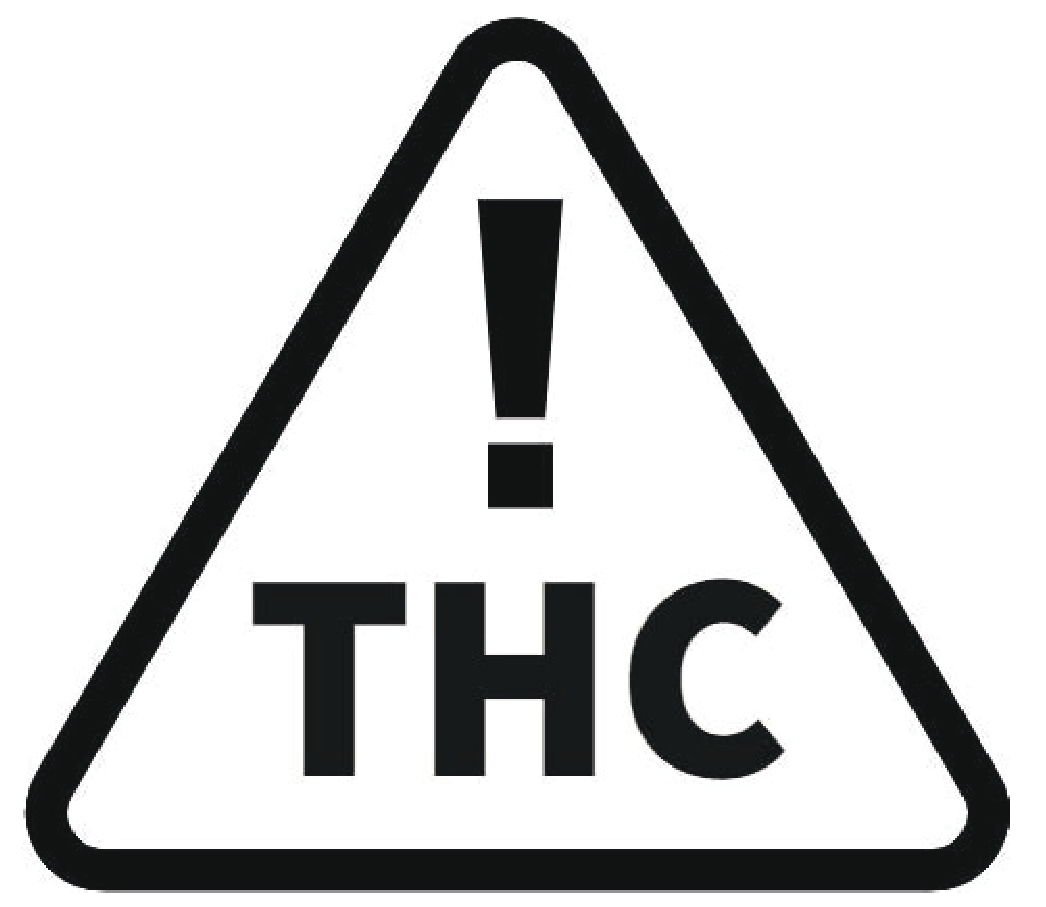
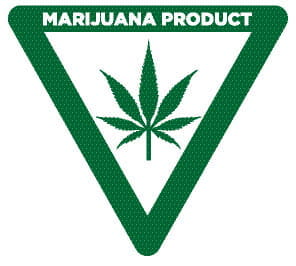
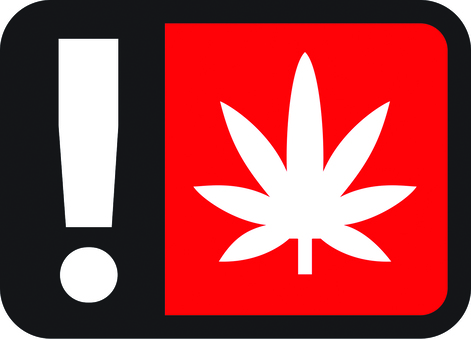
In addition to the previously mentioned labeling requirements, Nevada mandates a universal warning label for cannabis products. This label appears as follows and can be downloaded through the CCB’s website.
Furthermore, Nevada law mandates the following cautionary statements on all cannabis product packaging:
“THIS IS A MARIJUANA PRODUCT.”
“Keep out of reach of children.”
“This product may have intoxicating effects and may be habit forming.”
“Caution: When eaten or swallowed, the intoxicating effects may be delayed by 2 or more hours.”
“This product may be unlawful outside the State of Nevada.”
These statements must be clearly visible and legible, often printed in bold or capital letters, to ensure consumer awareness and safety.
On top of these warning labels, there’s prohibited imagery on Nevada cannabis packaging to protect minors and prevent misleading marketing. These include:
Cartoon characters
Toy-like fonts or mascots
Packaging resembling candy, snacks, or soda
Designs appealing to children or teens
Violating these rules can result in license suspension or significant fines. Companies must review all designs for compliance to avoid penalties.
Edibles and Multi-Serving Packaging Rules
Nevada enforces specific packaging requirements for cannabis edibles and multi-dose products (i.e. tinctures) to ensure consumer safety and compliance:
Separation of Servings– Each serving must be clearly separated, scored, or individually wrapped to facilitate accurate dosing.
Child-Resistant and Resealable Packaging– Packages must be resealable and child-resistant, maintaining their effectiveness for multiple openings.
THC Limits:
Per Package– A single package must not contain more than 100 milligrams of THC.
Per Serving– Each serving must not exceed 10 milligrams of THC.
Alternative for Impractical Separation– If separation isn’t feasible (for example, with infused drinks or sauces), the product must not exceed 10 milligrams of THC per package.
These regulations promote responsible consumption and prevent accidental overconsumption, particularly among inexperienced users.
Packaging Pre-Approval and Compliance Procedures
Before launching any cannabis product in Nevada, packaging and labeling designs must receive pre-approval from the Cannabis Compliance Board (CCB). This process ensures that all materials comply with state regulations and helps prevent costly product recalls or delayed market entry.
As part of the Nevada cannabis packaging compliance guidelines, companies must:
Submit Packaging and Labeling Designs for Review– All packaging and labeling materials must be submitted to the CCB for approval prior to use. Only licensed establishments and their designers may request approval for packaging. For additional guidance, email[email protected].
Maintain Records of Compliance Documentation– Companies must keep detailed records of all packaging and labeling approvals, including design submissions and correspondence with the CCB.
Update Materials Regularly Based on Evolving Regulations– The cannabis industry is subject to changing laws and regulations. Companies must ensure that their packaging and labeling materials are updated to reflect any new requirements.
Final Word
Following Nevada marijuana packaging requirements is essential for legal operation and consumer safety. These rules help prevent underage access, ensure accurate product information, and maintain public trust.
Do you own a cannabis business in Nevada and are unsure if your packaging and labeling are compliant? Custom 420 Supply is here to help!
We develop packaging and labeling that’s 100% legal under Nevada’s regulations. Want to learn more? We invite you to reach out through ourcontact page.
Frequently Asked Questions
What information must be included on cannabis product labels in Nevada?
Labels must show the business name and license number, batch ID, dispensary details, manufacturer and expiration dates, THC/CBD content, ingredients, allergens, weight or volume, and use instructions.
What imagery is prohibited on cannabis packaging in Nevada to prevent appeal to children?
Nevada bans cartoon characters, toy-like fonts, mascots, and packaging that mimics candy, soda, or snacks to prevent marketing to minors.
Are there specific labeling requirements for THC and CBD content on cannabis products in Nevada?
Yes. Labels must clearly list THC and CBD content per serving and per package. Each serving must not exceed 10mg of THC, with a maximum of 100mg per package.
As the Buckeye State’s cannabis industry grows, businesses must understand Ohio cannabis packaging regulations to stay compliant and protect their customers. Following these rules helps ensure product safety, supports public health, and strengthens consumer confidence. Proper packaging is required by law and plays a key role in building a responsible brand.
Regulatory Authorities and Relevant Legislation
TheOhio Medical Marijuana Control Program(MMCP), overseen by theOhio Department of Commerce, sets forth the primary cannabis packaging regulations. Several key administrative codes guide the packaging and labeling requirements for cannabis cultivators, processors, and dispensaries:
Rule 3796:2-202– Governs packaging and labeling for cultivators and plant-only processors.
Rule 3796:3-2-02– Details requirements of cannabis product processors.
Rule 3796:6-3-09– Addresses dispensary responsibilities, including final packaging before sale.
Together, these rules establish a comprehensive framework to ensure cannabis products are safely packaged, clearly labeled, and compliant at every stage of the supply chain.
Packaging Requirements
Compliance with Ohio cannabis packaging regulations is crucial for businesses to maintain legal operation and consumer trust. These regulations protect public health and prevent unintended use, especially among children. Key packaging requirements include the following:
Child-Resistant Design– Packaging must be difficult for children under five to open, reducing the risk of accidental ingestion.
Contamination Prevention– Materials used must protect the product from contamination during storage and handling, ensuring product integrity.
Opaqueor Light-Resistant Materials– Packaging should shield contents from light exposure to preserve product quality.
Physical and Environmental Protection– Packaging must safeguard the product from physical damage and environmental factors during storage and transportation.
Tamper-Evident Features– Packages should have indicators or barriers to entry that provide visible evidence if the product has been tampered with.
Furthermore, Ohio has some restrictions to prevent appeal to children:
Prohibited Imagery and Branding– Packaging must not use cartoons, mascots, or any imagery that could attract minors.
Avoidance of Product Mimicry– Designs should not imitate existing non-cannabis products, especially those commonly consumed by children (i.e. candies or snacks).
Plain and Clear Labeling– Packaging should avoid flashy designs and clearly state that the product contains cannabis, aiming to minimize appeal to underage individuals.
Adhering to these regulations is not only a legal obligation but also a commitment to consumer safety and responsible business practices. Regularly reviewing and updating packaging in line with Ohio cannabis packaging laws will help businesses remain compliant and protect their customers.
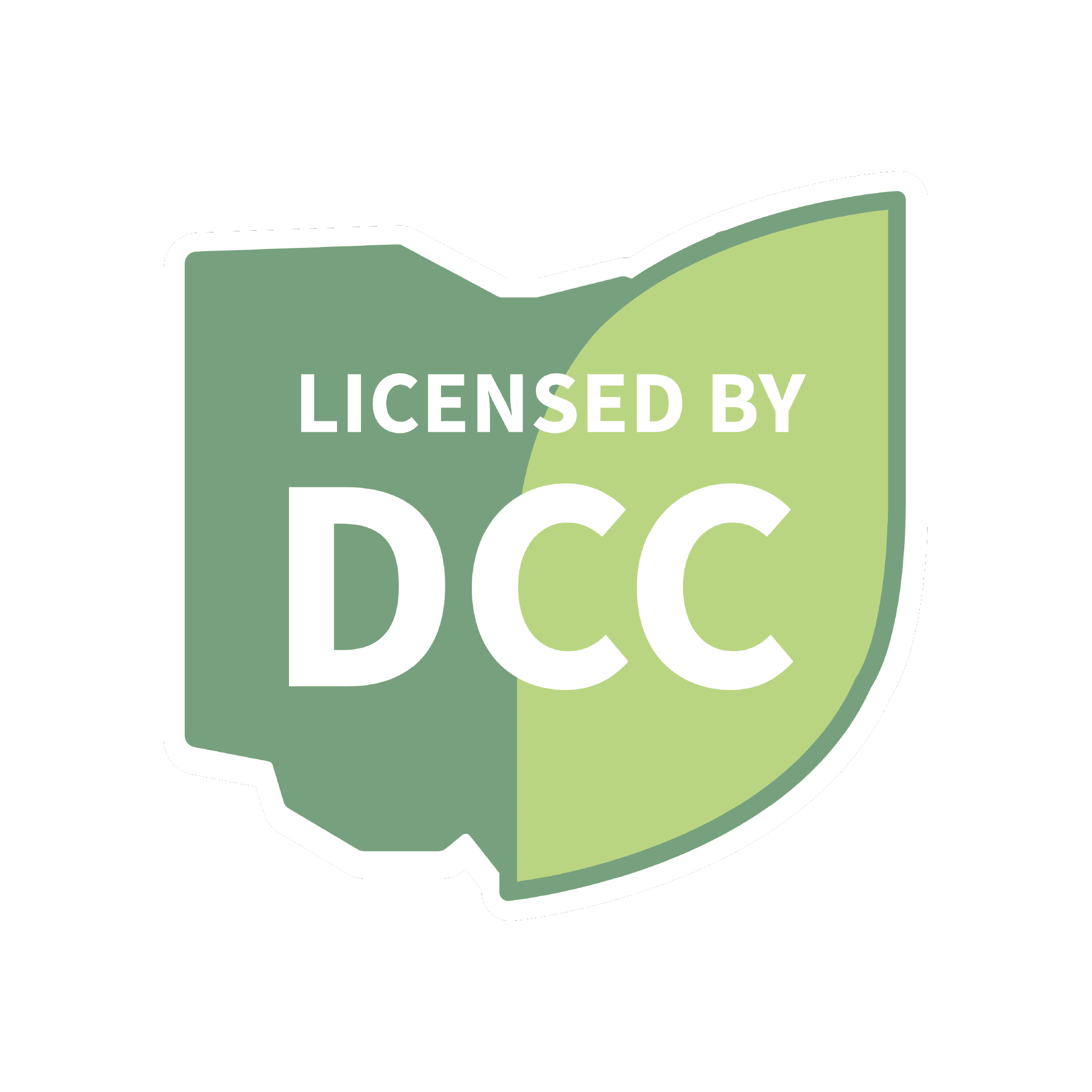
DCC Packaging Seal
TheOhio Division of Cannabis Control(DCC) Packaging Seal shows a product is licensed, tested, and regulated. It helps protect patients and consumers by marking legal products.
Licensees must:
Place the seal on the front or main panel
Use a minimum size of 1/4 inch by 1/4 inch
Print it in the exact colors and design provided—no changes allowed
The seal can be printed or used as a secure sticker. If you require this seal, you can finddownload options here.
Labeling Requirements
Ohio cannabis labeling guidelines are set to provide patients with clear and accurate product information. The Ohio Administrative Code outlines specific labeling requirements as follows:
Product Identity– Clearly state the product type (i.e. “medical marijuana flower”)
Net Weight or Volume– Indicate the exact weight or volume of the product.
Concentration of THC and CBD– Provide precise measurements of tetrahydrocannabinol (THC) and cannabidiol (CBD) content per dose and per package.
Batch Number– Assign a unique batch number for tracking and quality control.
Unique Identification Number– Include the unique ID from the seed-to-sale tracking system for traceability.
Warnings– Display essential warnings, including “Keep out of reach of children” and “For medical use only.”
Additionally, labels must feature:
Cultivator Information– Name and license number of the cultivator.
Dispensary Details– Name, address, and license number of the dispensing facility.
Patient Information(for medical marijuana)– Patient’s name and registration number.
Adhering to these Ohio medical marijuana labeling rules ensures transparency, enhances patient safety, and maintains compliance with state regulations.
Dispensary Packaging Standards
Ensuring compliance with Ohio dispensary packaging standards is essential for dispensaries to maintain product integrity and consumer safety. Key packaging compliance steps include the following:
Verify Proper Sealing– Ensure all products are securely sealed in child-resistant, tamper-evident, and light-resistant packaging approved by the Ohio Department of Commerce.
Ensure Compliance of Secondary Packaging– Confirm that secondary packaging (i.e. exit bags) complies with Ohio’s regulations, including restrictions on promotional designs and cartoons that may appeal to children.
Avoid Misleading Imagery– Packaging must not feature designs or images that could mislead consumers or appeal to children, in line with Ohio’s guidelines to prevent such content.
By meticulously following these steps, dispensaries can ensure Ohio marijuana packaging compliance, safeguarding both consumers and their business operations.
Common Compliance Pitfalls
Navigating Ohio’s cannabis regulations requires attention to detail. Therefore, it’s in your interest to ensure your packaging doesn’t encounter the following compliance challenges:
Using Unapproved Packaging Designs– Opting for packaging that does not meet state standards can lead to regulatory issues. For instance, the Ohio Department of Commerceissued a consumer alertabout products with packaging resembling children’s snacks, highlighting significant safety concerns.
Incomplete Product Information– Failing to provide comprehensive details on product labels (i.e. cannabinoid content and batch numbers) can result in non-compliance. The Ohio Administrative Code mandates that labels include specific information (see above) to ensure transparency and traceability.
Inconsistent Use of State-Mandated Warning Signs– Neglecting to display required warnings, like “Keep out of reach of children” and “For medical use only,” can lead to safety risks and legal repercussions. Recent alerts emphasize the importance of adhering to these labeling standards to protect consumers.
Non-Compliant Child-Resistant Features– Utilizing packaging that lacks child-resistant mechanisms fails to meet safety requirements, potentially resulting in accidental ingestion by minors. Ensuring that all products are sealed in child-proof, tamper-evident, and light-resistant packages is essential for compliance.
It’s important to regularly review official communications to stay on top of Ohio cannabis packaging regulations. Furthermore, you’ll want to consult legal experts to avoid costly fines, license suspensions and ensure the safety and satisfaction of consumers.
Final Word
Compliance with Ohio cannabis packaging and labeling regulations is essential for businesses to ensure product safety, transparency, and legal operations.
Not sure where to begin? Custom 420 Supply is here to help! We offer custom packaging that adheres to all packaging and labeling laws in Ohio.
Want to learn more? We invite you to reach out through ourcontact page!
Frequently Asked Questions
What are the key packaging requirements for cannabis products in Ohio?
Cannabis products must be in child-resistant, tamper-evident, and opaque packaging. Designs must not appeal to children, and packaging must protect products from contamination and damage.
What labeling information must appear on cannabis packaging in Ohio dispensaries?
Labels must include the product name, net quantity, THC and CBD content, batch number, seed-to-sale ID, and state-mandated warnings.
Are there any restrictions on cannabis packaging design in Ohio?
Yes. Packaging cannot feature cartoons, bright colors that appeal to minors, or misleading claims. All designs must comply with MMCP rules to avoid regulatory issues.
As the market grows, Michigan marijuana packaging compliance becomes more and more important. Every cannabis product must follow the state’s rules to stay legal and keep customers safe. Failure to follow these rules can lead to fines, product recalls, or even license loss.
Understanding the Michigan cannabis labeling requirements and packaging rules helps avoid problems and builds trust with buyers. This guide explains what businesses must include on labels, how packages should be designed, and the steps needed to stay compliant.
Understanding the Regulatory Framework
Michigan marijuana packaging compliance is managed by the Cannabis Regulatory Agency (CRA), which replaced the Marijuana Regulatory Agency (MRA).
Rule 420.504 of the Michigan Administrative Code outlines the required elements for labeling and packaging standards. In short, every product sold must ensure the following to stay compliant:
Expiration or use-by date
License information
No child appeal
Product identification
Tamper-evident
Tracking label
Universal symbol
Warning statements
This guide breaks down each requirement so you can make sure your packaging fully meets the Great Lake State’s standards.
General Packaging Requirements
Cannabis products in Michigan must follow strict packaging rules. These help ensure product safety, consumer protection, and full compliance. Key requirements include the following:
Child-Resistant and Tamper-Evident Packaging
Child-resistantpackaging for marijuana products in Michigan must comply with the Federal Poison Prevention Packaging Act (PPPA). This ensures that the packaging is difficult for children to open but accessible to adults.
Tamper-evident closures (i.e. seals or breakable caps) are required to indicate if a product has been opened.
Packaging Design Restrictions
Packaging must not feature designs, shapes, or branding that could appeal to minors. This includes the use of cartoons, candy-like shapes, or bright, playful branding.
Edible cannabis products cannot resemble commercial food products, especially those marketed to children. For example, using the word “candy” or designing products to resemble popular candies is prohibited.
Packaging Material Requirements
Packaging must be opaqueto prevent children from viewing the contents. Furthermore, materials should be durable and resealable for multi-dose products to maintain product integrity and prevent accidental ingestion.
Labeling Requirements
Every cannabis product sold in Michigan must include a label with the following information:
License Information – The name and license number of the licensee must be clearly displayed on the label.
Unique Identification – A unique identification number for the package or harvest batch, which helps with traceability.
Harvest Date – The date the cannabis product was harvested must be clearly visible.
Potency Information – To stay compliant with THC and CBD content labeling laws in Michigan, packages must show the milligrams (mg) and percentage (%) of both cannabinoids.
Activation Time – The time it takes for the product to take effect must be clearly displayed using text or symbols.
Testing Information – The name of the testing facility and the date of the compliance testing must be included.
Ingredient List – For edibles or infused products, a full list of ingredients must be displayed.
Net Weight – The net weight must be listed in both U.S. customary and metric units.
Universal Symbol and Warning Statements
Furthermore, all packaging must include the following mandatory warnings:
All packaging must follow the Michigan marijuana universal symbol guidelines, which clearly display that the product contains tetrahydrocannabinol (THC). This can be downloaded from the CRA’s official website.
Labels must also include specific warning statements, such as:
“It’s illegal to drive a motor vehicle while under the influence of marijuana.”
“National Poison Control Center 1-800-222-1222.”
For products exceeding THC limits: “For use by registered qualifying patients only. Keep out of reach of children.”
For other products: “For use by individuals 21 years of age or older or registered qualifying patients. Keep out of reach of children.”
A warning about potential risks to pregnant or breastfeeding women.
Special Rules for Edible Products in Michigan
Michigan’s cannabis regulations for edibles are stricter to ensure these products don’t appeal to minors. Edible cannabis products must not resemble:
Candy or commercially sold food products
Shapes of humans, animals, or fruit
This rule is in place to avoid confusion and to prevent edible cannabis products from looking like popular food items targeted to children.
Additionally, edibles must meet the following packaging standards:
Opaque, Resealable Packaging – The packaging for edible products must be opaque and resealable. This prevents accidental consumption and maintains product integrity, especially for multi-dose items.
Nutrition Labels – If a product makes any health-related claims, it must feature proper nutrition labels that follow FDA guidelines. This includes calories, serving size, and ingredients.
Allergen Information – This includes warnings of common allergens like nuts, dairy, and gluten to ensure consumer safety.
How to Fix Non-Compliant Packaging
Failing to meet Michigan marijuana packaging compliance rules can lead to serious penalties. These include product recalls, fines, or even license suspension. To avoid these outcomes, businesses must address any packaging violations.
The most common packaging violations include the following:
Using bright or appealing graphics that may attract minors.
Omitting the universal symbol required on all cannabis products.
Incorrect THC potency labeling, including missing or inaccurate measurements.
If your product packaging violates state regulations, you can fix the issue in the following ways:
Repackage the Product – Transfer the product into a container that meets all compliance standards. This includes using child-resistant packaging and the proper labels.
Apply Opaque Stickers – Use opaque stickers to cover non-compliant images or text. This is a quick way to hide features that don’t meet design standards, such as bright colors or cartoon-like graphics.
Voluntarily Destroy the Product – If the packaging cannot be fixed, licensees may choose to dispose of the affected inventory according to CRA guidelines.
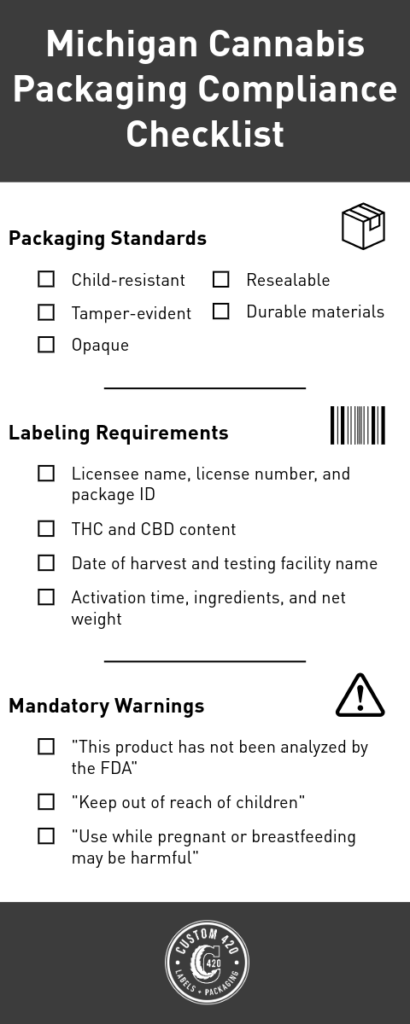
Not sure whether or not your packaging meets the Great Lake State’s standards? We invite you to use our Michigan cannabis packaging compliance checklist:
Final Word
Complying with Michigan marijuana packaging compliance is more than meeting legal requirements. It helps protect public safety and builds trust with your customers. From child-resistant packaging to accurate, easy-to-read labels, every detail counts.
Before releasing any product, review your packaging using a Michigan cannabis packaging compliance checklist. If you find you’re not meeting specific requirements and are unsure how to resolve this, Custom 420 Supply is here to help!
We specialize in manufacturing wholesale state-compliant cannabis packaging, ensuring your product meets all of Michigan’s label requirements. Want to learn more? We invite you to reach out through our contact page.
Frequently Asked Questions
How does Michigan regulate cannabis packaging materials?
Packaging materials must be child-resistant, tamper-evident, and opaque. They must be sturdy enough to prevent damage or contamination and compliant with PPPA standards.
Are there any marketing restrictions on Michigan marijuana packaging?
Yes. Packages cannot feature cartoons, bright colors, or any branding that may appeal to children. Products must not imitate commercial non-cannabis products (i.e. candy or snack brands).
What are the font size and readability requirements for Michigan cannabis packaging labels?
Labels must be printed in English using a font size and style that’s easily legible. While no exact point size is specified, all required info must be “clear and conspicuous” to the average adult.
There are strict Illinois marijuana packaging standards to maintain safety, transparency, and compliance in the legal cannabis market. These rules cover everything from child-resistant packaging to detailed labeling to protect consumers and prevent misuse.
If you’re a cannabis business owner in the Prairie State, it’s important to be aware of these laws and regulations. Our in-depth guide provides you with everything you need to know!
Regulatory Framework for Cannabis Packaging in Illinois
These regulations create a standardized approach to cannabis packaging and labeling, ensuring all products meet state safety requirements.
The framework mandates that all cannabis products be sold in child-resistant packaging to prevent accidental consumption. Additionally, packaging must be tamper-evident, opaque for certain products, and properly labeled with essential information (i.e. potency, ingredients, and health warnings).
Businesses in Illinois must stay updated on these evolving regulations to maintain compliance. Failure to meet Illinois marijuana packaging standards can result in fines, product recalls, or license suspension, making adherence a top priority for cannabis companies.
General Packaging Requirements
All cannabis products sold in Illinois must be packaged in containers that meet the state’s marijuana packaging standards. These regulations ensure products remain safe, fresh, and protected from unintended access.
Key packaging requirements include the following:
Child-resistant packaging for marijuana products in Illinois – Packaging must be designed to prevent children from accessing it, meeting Consumer Product Safety Commission (CPSC) standards. This applies to all cannabis-infused products, including edibles, concentrates, and flower.
Odor-proof and light-resistant packaging – Containers must block external light exposure and prevent strong odors from escaping. This helps maintain product potency and freshness while snoring discretion for consumers.
Secure sealing to prevent contamination and tampering – Packaging must include tamper-evident seals or mechanisms that make it clear if a product has been opened or altered. This protects consumers from potential contamination and ensures product integrity.
Opaque packaging for certain cannabis products – Some cannabis items (i.e. edibles) must be placed in non-transparent packaging to prevent visibility of the contents, reducing the risk of appeal to children.
Durable and non-toxic materials – Packaging must be made from safe, high-quality materials that do not degrade or contaminate the product over time.
Meeting these requirements is essential for cannabis businesses to comply with Illinois law, avoid penalties, and maintain consumer trust.
Chicago’s Prominent Role in Illinois’s Cannabis Industry
As the state’s largest city, Chicago plays a pivotal role in Illinois’s cannabis market. As of March 2025, the city is home to 30 licensed cannabis dispensaries, reflecting substantial growth in the industry.
The concentration of dispensaries underscores the importance of strict adherence to Illinois’s marijuana packaging standards. In a competitive and densely populated market like Chicago, compliance with regulations is essential not only for legal operation but also for building consumer trust and ensuring public safety.
Moreover, Chicago’s diverse population and significant tourist activity contribute to a dynamic consumer base with varying preferences and needs. Dispensaries must ensure that their packaging appeals to a broad audience while remaining within the state’s regulatory framework, which prohibits marketing that could attract minors or mislead consumers.
Cannabis-Infused Product Standards
Illinois marijuana packaging standards require cannabis-infused products to meet strict guidelines. These requirements apply to edibles, beverages, tinctures, topicals, and other infused items.
Key regulations include the following:
Individual packaging at the time of production – Each cannabis-infused product must be individually wrapped or sealed before distribution. This prevents contamination, ensures accurate portioning, and maintains freshness.
Compliance with the Illinois Food, Drug, and Cosmetic Act – Labels must include all health and safety information, such as ingredient lists, allergen warnings, expiration dates, and clear usage instructions.
THC content limitations – Each package cannot exceed 100 milligrams of tetrahydrocannabinol (THC), with individual servings capped at 10 milligrams. This ensures controlled dosing and reduces the risk of overconsumption.
Mandatory Labeling Information
Adhering to Illinois cannabis labeling requirements ensures transparency and consumer safety. Every cannabis package must display essential details to inform buyers and comply with state regulations.
Required labeling includes the following:
Business details – The name and license number of the cultivation center or craft grower responsible for producing the product.
Unique serial number – Each package must have a traceable serial number for inventory management, product tracking, and recall purposes.
Key dates – Labels must include the harvest date, testing date, packaging date, and a recommended use-by date to ensure consumers are aware of product freshness.
Accurate weight information – The total product weight in ounces or grams must be clearly displayed to help consumers understand their purchase.
Comprehensive cannabinoid breakdown – Labels must list the THC, THCa, CBD, and CBDa content. This ensures compliance with THC and CBD content labeling laws in Illinois and helps consumers make informed choices.
Health and safety warnings – Packaging must include clear warnings about impairment risks, potential side effects, and legal restrictions on use, such as prohibitions on underage consumption and operating vehicles while impaired.
Prohibited Packaging and Labeling Practices
Illinois enforces strict rules on cannabis packaging to prevent marketing that could appeal to minors. Businesses must avoid prohibited imagery on Illinois cannabis packaging to remain compliant.
Restricted packaging elements include the following:
Cartoon characters, toys, or child-friendly branding – Any imagery or themes that could attract children are strictly banned. This includes bright, playful designs resembling candy or snack packaging.
Misleading product claims – Labels cannot suggest false or exaggerated effects, such as guaranteed medical benefits or unverified therapeutic claims. All descriptions must be factual and compliant with state regulations.
Official state symbols – Packaging cannot feature state flags, seals, or other government symbols that could imply official endorsement or approval.
Violating these rules can result in penalties, product recalls, or license suspension. Cannabis businesses must ensure their packaging and labeling remain professional, transparent, and compliant with Illinois law.
Additional Compliant Considerations
In addition to the core packaging and labeling requirements, businesses must also provide additional disclosures to ensure transparency and safety:
Extraction methods and solvents – Cannabis concentrates must clearly state the extraction methods used, including any solvents (i.e. butane or ethanol) involved in the process.
Specific warnings for smoking or topical products – Products intended for smoking or topical use must include appropriate safety warnings. These may include risks associated with inhalation or skin irritation, ensuring consumers are fully informed about potential health effects.
Adhering to these Illinois cannabis packaging compliance guidelines is crucial for cannabis businesses. Failure to comply can result in fines, product recalls, or loss of license.
Illinois Cannabis Packaging Enforcement
The Illinois Department of Agriculture is responsible for overseeing cannabis product regulation and enforcing compliance with Illinois marijuana product warning label requirements. This department ensures that all cannabis products meet the state’s strict standards.
Non-compliant products face significant consequences, including fines, product recalls, or other penalties. For businesses operating in Illinois’ legal cannabis market, adherence to these regulations is essential to avoid costly violations and maintain their legal standing. Ensuring compliance also protects consumers and supports the integrity of the state’s cannabis industry.
Final Word
Strict Illinois marijuana packaging standards ensure consumer safety and industry integrity. By complying with these guidelines, businesses contribute to a responsible cannabis market while avoiding regulatory pitfalls.
Are you a cannabis business in Illinois and unsure how to develop state-compliant packaging? Custom 420 Supply is here to help! Our team ensures all packaging and labeling meet state guidelines, and we stay up-to-date on all changes made under Illinois’ regulations.
Want to learn more about what we can offer your business? We invite you to reach out through our contact page!
Frequently Asked Questions (FAQs)
What information is mandatory on cannabis products in Illinois?
All cannabis packaging must include cultivation details, product weight, THC/CBD content, batch numbers, and health warnings.
Are there specific requirements for child-resistant packaging in Illinois?
Yes, all cannabis packaging must be child-resistant, odor-proof, and tamper-evident to prevent accidental ingestion and ensure product integrity.
What labeling restrictions exist to prevent cannabis packaging from appealing to children in Illinois?
Illinois prohibits the use of cartoons, toys, and other imagery that might attract minors, ensuring that cannabis products remain distinctly adult-oriented.
The cannabis industry in Oregon is growing, but businesses must follow strict packaging and labeling rules to stay compliant. The Oregon cannabis packaging guidelines focus on consumer safety, accidental consumption prevention, and clear product information.
Businesses must also navigate the Oregon cannabis packaging pre-approval process. This step ensures that all packaging designs meet state regulations before products reach the market. From tamper-evident seals to required warning labels, compliance is essential for avoiding fines and maintaining consumer trust.
In this article, we break down key packaging requirements, approval steps, and best practices to help cannabis businesses meet Oregon’s strict standards.
Regulatory Authorities and Governing Laws
The Oregon Liquor and Cannabis Commission (OLCC) regulates cannabis packaging and labeling to ensure compliance. Businesses must follow the Oregon cannabis labeling requirements, which focus on clear product information, safety, and preventing marketing appeal to minors.
All cannabis packaging and labeling must meet the standards outlined in Oregon Administrative Rules (OAR) 845-025-7000 to 845-025-7190. These rules cover everything from font size and placement of warning labels to child-resistant packaging requirements.
In the following sections, we’ll break down the most important packaging and labeling guidelines to help you stay on track.
Oregon Packaging Requirements
When it comes to cannabis packaging in Oregon, strict guidelines are in place to ensure consumer safety, particularly for children. The following sections outline key requirements and restrictions:
Child-Resistant and Exit Packaging
All cannabis products must be enclosed in child-resistant packaging for marijuana products in Oregon. This packaging is essential to prevent accidental ingestion, particularly by children.
To meet the state’s strict standards, cannabis packaging must:
Be certified by third-party testing firms to ensure it meets safety criteria.
Be resealable if the product is intended for multiple uses, allowing consumers to store it safely.
Be specifically designed to prevent accidental consumption, especially by children.
Furthermore, if the original packaging does not meet these child-resistant standards, retailers must provide exit packaging that complies with the regulations before selling the product. This ensures products remain secure and safe for consumers after purchase.
Prohibited Packaging and Imagery
Regulations strictly prohibit branding that appeals to children. Prohibited imagery on Oregon marijuana packaging includes:
Cartoons, characters, or images commonly associated with children’s products.
Celebrities or public figures that may attract a younger audience.
Packaging designs that resemble non-cannabis food or beverages, such as snacks or soft drinks, to avoid confusing cannabis products with items children might consume.
By adhering to these guidelines, cannabis businesses in Oregon help ensure their products are responsibly marketed.
Labeling Requirements
Oregon cannabis labeling requirements ensure that consumers have all the necessary information to make informed choices. The following sections cover the essential label information required for all cannabis products:
Essential Label Information
Oregon cannabis labeling regulations require that all products include key information to ensure safety and transparency. Labels must clearly display:
Product identity and net weight, so consumers know exactly what they’re purchasing.
A full list of ingredients and any potential allergens to inform those with sensitivities.
Required warning statements highlighting health risks and confirming the product is for adult use only.
The Oregon cannabis universal symbol (see below), a standardized logo that marks products containing THC, making it easier for consumers to identify such items.
These requirements help create a safer cannabis market by ensuring all necessary information is easily accessible to consumers.
Oregon Cannabis Warning Sign
Oregon mandates the use of a standardized warning symbol on all cannabis packaging. This symbol serves as a quick and clear visual indicator that the product contains THC and should be used with caution.
Key Features and Requirements:
Size – The symbol must be at least 0.48 inches wide and 0.35 inches high.
Color – The symbol must be in a contrasting color to ensure visibility against the packaging background.
Placement – The symbol must be placed on the principal display panel of the package.
THC and CBD Content Labeling Laws
Cannabis packaging must accurately reflect the cannabinoid content per Oregon law. THC and CBD content labeling laws in Oregon require that labels display:
Total THC (tetrahydrocannabinol) and CBD (cannabidiol) content to be listed both per package and per serving.
A variance of no more than 10% from the tested potency levels to ensure accuracy.
Information about batch identification and testing to confirm that the product has been tested for cannabinoid content.
These labeling rules help consumers make informed choices and ensure cannabis products meet state regulations.
The Oregon Cannabis Packaging Pre-Approval Process
Before a cannabis product can be sold in the Beaver State, businesses must go through the Oregon cannabis packaging pre-approval process. This process includes:
Submitting packaging and labels to the Oregon Liquor and Cannabis Commission (OLCC) for official review.
Verifying compliance with child-resistant laws and required labeling standards, including ingredients list, health warnings, and THC/CBD content.
Receiving OLCC approval or making necessary revisions if packaging does not meet state requirements.
This step is crucial for avoiding penalties, ensuring customer safety, and maintaining a transparent cannabis marketplace. By securing pre-approval, businesses can confidently bring compliant products to the market.
Staying Up to Date with Regulatory Changes
Oregon’s cannabis packaging and labeling laws can change as regulations evolve. To stay compliant, businesses should:
Regularly review OLCC updates to stay informed about new requirements and rule changes.
Attend industry training sessions to gain insight on best practices and compliance strategies.
Consult compliance experts to ensure packaging and labeling meet the latest state guidelines.
By staying proactive, cannabis businesses can avoid compliance issues, reduce the risk of penalties, and continue operating smoothly within Oregon’s regulated market.
Final Word
Compliance with Oregon cannabis packaging regulations is essential for legal cannabis businesses. It ensures that companies can avoid penalties and protect customers.
Not sure where to begin? Need packaging that meets the pre-approval process? Custom 420 Supply is here to help!
Our team stays up-to-date on all of Oregon’s laws and regulations, ensuring the packaging we provide meets state compliance. If you’d like to learn more, we invite you to reach out through our contact page.
Frequently Asked Questions (FAQs)
What information is mandatory on cannabis product labels in Oregon?
Oregon labels must show product identity, net weight, a full ingredient list, allergen warnings, and health and usage warnings. They must also display THC and CBD content, the Oregon universal symbol, producer information, and a unique identification code.
Are there specific requirements for child-resistant packaging in Oregon?
Yes, all cannabis products must use child-resistant packaging that’s certified by a third-party testing firm. If the product packaging is not compliant, retailers must offer exit packaging that meets these standards.
What is the universal symbol requirement for cannabis packaging in Oregon?
Oregon mandates that all cannabis labels include a standardized universal symbol to show the presence of THC. This symbol must meet specific size (0.48 inches wide by 0.35 inches high), color (to ensure visibility), and placement guidelines on the principal display panel.