Understanding Delaware Marijuana Packaging Requirements: A Complete Guide for 2025

Understanding Delaware Marijuana Packaging Requirements: A Complete Guide for 2025

As Delaware marijuana packaging requirements evolve with the expansion of both medical and adult-use cannabis, cultivators, processors, and dispensaries need to stay informed.

Proper packaging helps ensure product safety, supports legal compliance, and builds trust with consumers. This guide explains the key rules and updates for Delaware marijuana packaging and labeling guidelines.

Regulatory Overview

Delaware cannabis packaging compliance is set and enforced by the Office of Marijuana Commissioner (OMC) and the Delaware Department of Health and Social Services (DHSS). These agencies oversee rules for both medical and adult-use cannabis. Key regulations can be found in:

Staying up to date with these sources is essential for anyone handling cannabis products in Delaware.

General Packaging Requirements

Delaware marijuana product packaging laws are for safety, security, and quality. These include:

Child-Resistant Design

All cannabis products in Delaware must be in child-resistant containers that meet the federal standard under 16 CFR § 1700.15. This applies to:

  • Multi-serving items
  • Packaging with resealable closures
  • Containers that have passed certified third-party compliance testing

Tamper-Evident Packaging

Delaware requires all marijuana packaging to include tamper-evident features:

  • Soft-sided packaging (like pouches) must be heat-sealed and not resealable.
  • Rigid packaging must have seals or locking features that clearly show if the container has been opened.

Material Safety and Quality

  • Flexible packaging must be at least 4mm thick
  • Rigid containers need a lid that locks or secures tightly
  • All materials must be food-grade and safe for direct consumer contact
General Packaging Requirements in Delaware

Labeling Requirements

Delaware cannabis labeling regulations promote safe use and full product transparency.

Required Label Information

Each package must include:

  • Product name or identity
  • Tetrahydrocannabinol (THC) and cannabidiol (CBD) per serving and per packaging
  • Serving size and number of servings
  • Net weight or volume (in metric units)
  • Complete ingredient list
  • Allergen information
  • Nutrition facts for edibles
  • Batch number, manufacturing date, and expiration date
  • Lab testing results from certified laboratories
  • Manufacturer’s name, contact details, and product origin statement

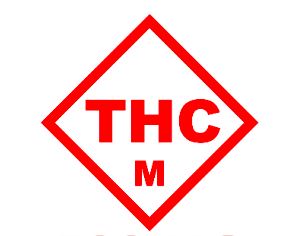
Universal Cannabis Symbol

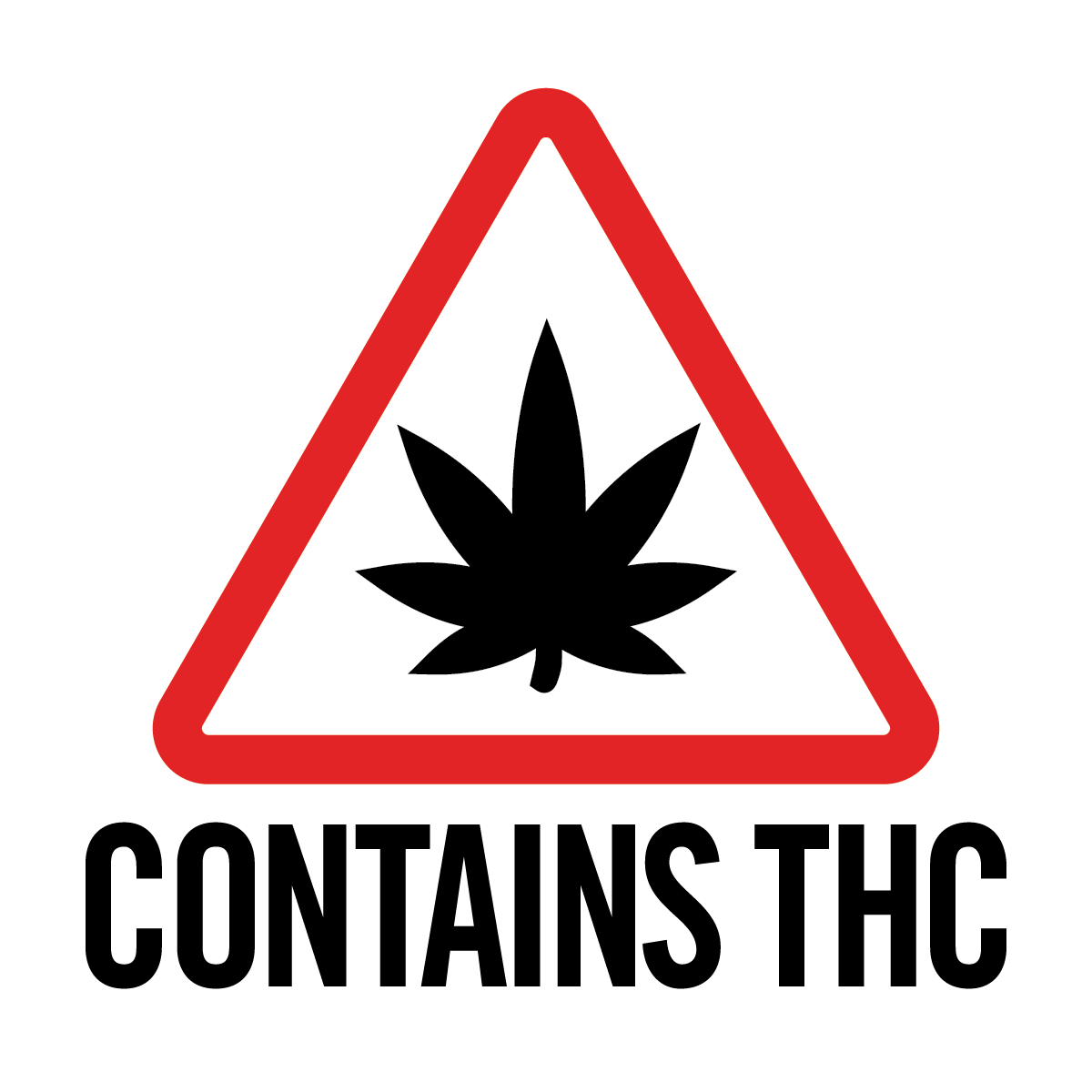
Delaware requires the Universal Cannabis Symbol to be clearly on all retail marijuana packaging.

The symbol must be at least 1 inch wide to ensure visibility. It should also appear in colors that contrast with the rest of the packaging, making it easy for consumers to identify at a glance.

This requirement helps signal that the product contains cannabis and supports informed, responsible use.

Delaware Universal Marijuana Warning Sign

Warning Labels

Delaware cannabis product warning label requirements include:

  • “WARNING: Cannabis use can impair your ability to drive or operate machinery. Keep out of reach of children.”
  • “This product has not been evaluated by the FDA and is not intended to diagnose, treat, cure, or prevent any disease.”

Prohibited Packaging Features

To reduce youth appeal and prevent misleading branding, Delaware prohibits the following packaging elements:

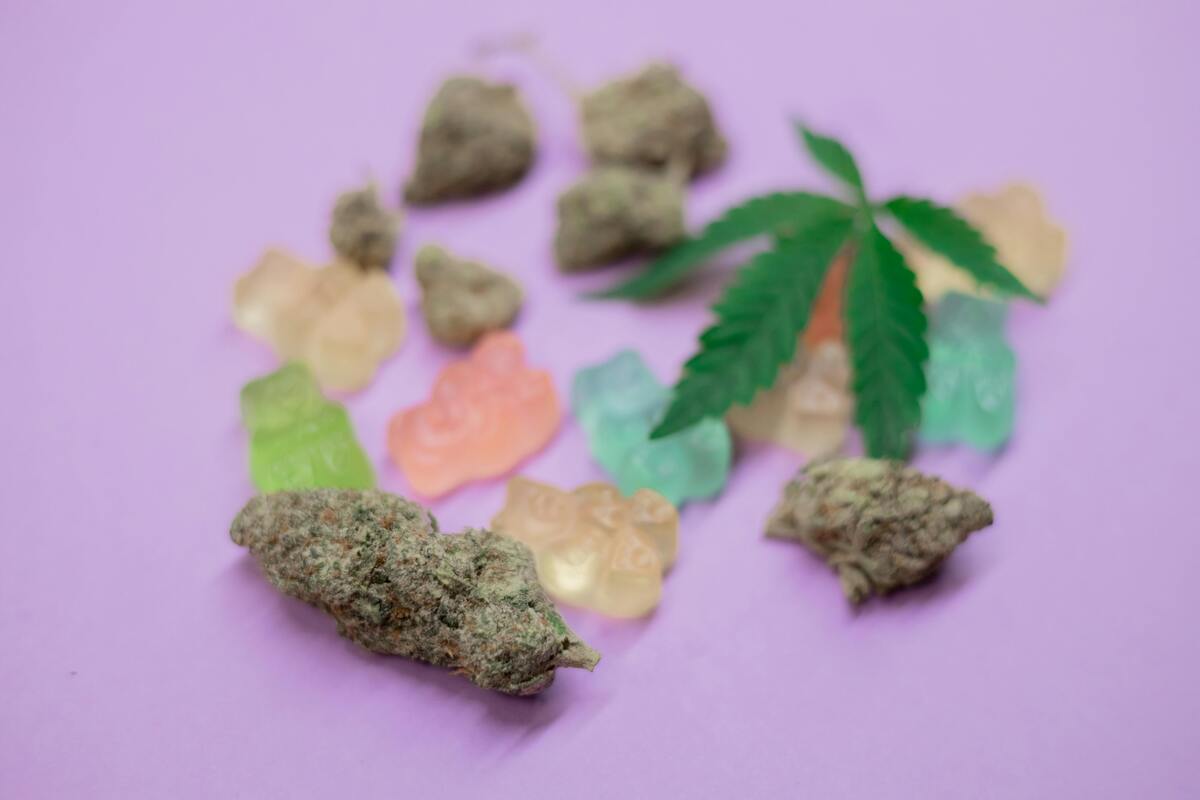
  • Neon or brightly colored designs that may attract children.
  • Cartoons, animals, or toy-like shapes that are commonly associated with kids.
  • Replicas of popular non-cannabis brands, including candy or snack packaging.
  • Use of celebrities or their likeness to promote products.

These rules help maintain responsible marketing and consumer safety.

Product-Specific THC Limits

Delaware sets clear limits on THC content based on the type of cannabis product to help prevent overconsumption.

  • Edibles – Maximum of 10mg THC per serving, with no more than 5 servings in a package.
  • Beverages – Maximum of 10mg THC per serving, and a total of 50mg THC per package.
  • Tinctures – Maximum of 300mg THC per entire package.

These limits must be clearly shown on the product’s label to ensure consumer safety.

Product-Specific THC Limits in Delaware

Compliance and Enforcement

Delaware’s cannabis packaging rules are enforced through inspections carried out by the Division of Public Health and the Office of the Marijuana Commissioner (OMC). These inspections can happen before a business starts operating or as unannounced visits during normal operations.

If a business fails to meet the Delaware marijuana packaging requirements, it may face serious penalties. These include product recalls, fines, and even license suspension or revocation.

Keeping up to date with packaging rules helps cannabis businesses avoid these costly consequences and maintain smooth operations.

Final Word

Following Delaware marijuana packaging requirements is essential for legal compliance and building consumer trust. When your business meets the latest rules, it operates safely and responsibly.

Are you a cannabis business in Delaware and unsure where to begin with your cannabis packaging? Custom 420 Supply is here to help! Our team of experts helps you craft packaging and labels that meet Delaware’s guidelines.

Want to get started? We invite you to reach out through our contact page.

Frequently Asked Questions (FAQs)

Who enforces marijuana packaging regulations in Delaware?

The Office of the Marijuana Commissioner (OMC) and the Delaware Department of Health and Social Services (DHSS) jointly oversee and enforce packaging regulations.

Can Delaware cannabis packaging include graphics and colorful branding?

Packaging must avoid bright/neon colors, cartoon imagery, or anything appealing to children. Professional branding is okay but must comply with these guidelines.

Do marijuana products in Delaware need to include dosage information?

Yes. All cannabis products must list THC and CBD content per serving and per package, along with clear serving sizes and total servings.

Connecticut Cannabis Packaging Laws: What You Need to Know

Connecticut Cannabis Packaging Laws: What You Need to Know

The Constitution State’s adult-use cannabis market is growing fast. And if you’re part of the industry, compliance with Connecticut cannabis packaging laws is non-negotiable. These laws are designed to protect public health, especially children, and ensure product transparency for consumers.

Whether you’re a grower, processor, or dispensary, understanding the ins and outs of these regulations can save you from hefty fines and reputational damage. Here’s what you need to know.

Regulatory Oversight: Who Sets the Rules?

The Connecticut Department of Consumer Protection (DCP) manages all packaging and labeling requirements under Chapter 420h of state cannabis law.

These rules follow state legislation and align with federal child-safety protocols. This oversight helps ensure cannabis products are clearly labeled, securely packaged, and safe for public use, especially in homes with children.

Packaging Requirements

Understanding Connecticut cannabis packaging compliance is key for staying within legal limits and protecting consumers. The state outlines clear rules for how products must be packaged, covering both required features and design restrictions.

Mandatory Packaging Features

All adult-use cannabis products in Connecticut must follow features:

  • Child-resistant
  • Tamper-evident
  • Light-resistant
  • Opaque (when required by product type)
  • Resealable for any item meant for multiple uses

Additionally, all packaging must meet federal safety standards under 16 CFR §1700, which cover poison prevention and general consumer protection.

What’s Prohibited?

To prevent attraction to children, Connecticut cannabis packaging laws ban certain designs and materials in adult-use products, including:

  • Bright colors or holographic finishes
  • Use of cartoons or mascots
  • Packaging that copies candy or snack brands
  • Transparent windows or visible product images (with limited exceptions for flower products)

Connecticut also requires monochromatic packaging for certain product types (see more below). For example, edibles and beverages must use white packaging with black text, with minimal branding allowed.

Labeling Requirements

Connecticut cannabis labeling requirements require product labels to include clear and complete information. This ensures buyers know exactly what they are purchasing and how to use it safely. Labels must include:

  • Product name and type
  • THC/CBD content (per serving and per package)
  • Dates of cultivation, manufacture, and packaging
  • Expiration or best-by date
  • Batch number and barcode
  • Producer or brand name with contact details
  • Serving size and usage directions (for edibles and tinctures)

Health and safety warnings are also required. These include:

  • “Keep out of reach of children”
  • “For use by adults 21 years or older”
  • “Do not use if pregnant or breastfeeding”

Some items must also feature QR codes that link to certified third-party lab results. All labels must list lab testing information, including any failed test outcomes when applicable. This level of detail supports consumer safety and full transparency.

Furthermore, for adult-use products specifically, the brand logo cannot exceed 1” x 1” in size, a rule meant to minimize visual appeal to minors.

Labeling Requirements in Connecticut

Medical vs. Adult-Use Cannabis Packaging

While much of Connecticut’s cannabis packaging law applies across the board, there are key differences between medical and recreational (adult-use) regulations:

  • Medical cannabis packaging may allow more flexibility in design and branding, provided it doesn’t target minors.
  • Adult-use products are far more restricted in terms of packaging color, logo size, and visual presentation.
  • Medical products are often sold in pharmacy-like environments and may not be subjected to monochrome requirements, as seen with edibles in the adult-use market.

Special Rules for Different Product Types

Connecticut marijuana packaging regulations include specific guidelines based on product category. Each type has limits and packaging standards to ensure safety and consistency.

Edibles

  • Maximum 5mg of THC per serving
  • Portions must be clearly separated
  • Packaging must use only black and white colors with minimal branding

Concentrates and Cartridges

  • THC content is limited to 60%, with some exceptions for vape cartridges
  • Labels must include instructions for use and proper storage

Cannabis Flower

  • THC content cannot exceed 30%
  • Must be packaged in odor-proof, resealable containers to maintain freshness and reduce scent exposure

Penalties for Noncompliance

Failure to meet Connecticut cannabis packaging and labeling guidelines can result in heavy fines and product seizures.

In late 2024, multiple smoke shops in Danbury and Stamford were raided, with authorities confiscating over 50 pounds of illegal cannabis products (many of which were packaged in violation of state laws).

In East Haven, one retailer was fined $4.93 million, marking one of the largest penalties to date. The violations involved repeated use of packaging and labels that failed to meet state safety and marketing standards.

These incidents show that enforcement is active and ongoing. Businesses must follow all packaging and labeling rules to avoid legal and financial risk.

Industry Feedback and Policy Updates

Some licensed businesses believe Connecticut cannabis packaging laws are too restrictive, particularly around branding and product visibility. Operators argue that strict design limits make it harder to build customer recognition and compete with illicit sellers.

In response, the Connecticut DCP has made small changes, such as allowing limited product display in dispensaries. However, most marketing and visual design elements are still tightly regulated, with little room for custom packaging or colorful branding.

More updates may follow as the market matures and state officials review feedback from the industry.

Final Word

Understanding and adhering to Connecticut cannabis packaging laws is critical for every cannabis business in the state.

Are you a CT cannabis business and unsure if your packaging meets regulations? Custom 420 Supply is here to help! Our operations provide you with high-quality, compliant packaging that ensures product freshness and customer satisfaction.

Want to know more? We invite you to reach out through our contact page.

Frequently Asked Questions (FAQs)

Can Connecticut cannabis packaging include branding and logos?

Yes, but with restrictions. Logos must be minimal in size, and branding cannot include images that appeal to minors, such as cartoons or bright colors. For certain products like edibles, branding must be in black and white only.

Are there packaging requirements for different cannabis product types in Connecticut (e.g., edibles, concentrates)?

Absolutely. Edibles must be individually dosed (max 5mg THC per serving) and come in black-and-white, child-resistant packaging. Concentrates and vape products are subject to THC limits and labeling rules that include instructions for use.

Does Connecticut require QR codes or lab testing info on cannabis packaging?

Yes. All cannabis products must include lab testing results, either directly on the label or accessible via a QR code. This includes information on potency, contaminants, and any failed tests.

Understanding Alaska Cannabis Packaging Laws: A Comprehensive Guide

Understanding Alaska Cannabis Packaging Laws: A Comprehensive Guide

When it comes to selling marijuana products in the Last Frontier, understanding Alaska cannabis packaging laws is essential for maintaining compliance and avoiding costly penalties. Whether you’re a grower, processor, or retailer, proper packaging not only safeguards consumers but also ensures your business aligns with state regulations.

In this article, we’ll break down everything you need to know about the packaging rules in Alaska’s cannabis industry, from general guidelines to labeling mandates.

Cannabis packaging in Alaska is regulated by the Alcohol and Marijuana Control Office (AMCO). The AMCO operates under the state’s Marijuana Control Board (MCB). Packaging rules are outlined in Title 3 of the Alaska Administrative Code (AAC), including:

All licensed marijuana businesses must follow Alaska’s AMCO cannabis packaging standards to stay compliant and ensure customer safety.

Packaging Requirements

To meet Alaska dispensary packaging compliance standards, all products must follow strict rules that ensure safety, prevent appeal to minors, and support secure transport.

General Packaging Standards

All cannabis products in Alaska must follow strict rules for safety and compliance. Packaging must be:

According to 3 AAC 306.565(a), the packaging must be designed to be “significantly difficult for children under five years of age to open,” while remaining “not difficult for normal adults to use properly.”

This applies whether you’re selling flower, concentrates, or infused products. Every product must be sold in its final, sealed packaging before leaving the dispensary.

Edible Product Specifics

The packaging rules for edibles in Alaska ensure products avoid anything that could appeal to minors. This includes:

  • Cartoons or bright colors
  • Candy-like shapes or toy-inspired designs
  • Packaging that looks like common snack brands

If a product has multiple servings, each serving must be clearly marked. This can be done by wrapping, scoring, or separating each portion.

Wholesale Packaging Guidelines

Wholesale cannabis transfers also have specific rules:

  • No more than 10 pounds of concentrate per package
  • All containers must be tamper-evident
  • Every shipment must include a transport manifest

These guidelines help maintain secure handling and clear tracking through Alaska’s cannabis supply chain.

Labeling Requirements

Alaska marijuana labeling laws require every cannabis product label to have specific information, including:

Mandatory Label Information

  • Product name and net weight/volume
  • THC (tetrahydrocannabinol) and CBD (cannabidiol) content per package and per serving
  • The universal marijuana symbol
  • Ingredient list in descending order by weight
  • Allergens (if applicable)
  • Manufacturer’s name and license number
  • Instructions for use (if necessary)
  • Laboratory test results
  • The following statements:
    • “For use by adults twenty-one and older. Keep out of reach of children.”
    • “This product has not been approved by the FDA.”

Prohibited Labeling Practices

Cannabis product labels cannot:

  • Use the term “organic” unless USDA-certified (which is currently not available for cannabis)
  • Include false, misleading, or unverified claims, such as “cures cancer”
  • Make health or medical claims without FDA approval

Health and Safety Warnings

All labels must include specific warnings, including:

  • “Marijuana has intoxicating effects and may be habit-forming and addictive.”
  • “Do not operate a vehicle or machinery under the influence.”
  • “Health risks may be associated with consumption.”
  • “Not recommended for women who are pregnant or breastfeeding.”
Labeling Requirements in Alaska

Testing and Quality Assurance

To meet Alaska’s cannabis packaging and labeling rules, all cannabis products must go through lab testing at a state-licensed facility. Each product must be tested for:

  • THC and CBD potency
  • Pesticides
  • Residual solvents
  • Heavy metals
  • Microbial contaminants

Test results must appear on the product label. This helps ensure transparency, safety, and consumer trust.

Serving Size and Potency Limits

Alaska requires strict limits for edible dosages. These include:

  • Maximum 10mg THC per serving
  • Maximum 100mg THC per package

Labels must also advise: “Wait at least one hour before consuming more to feel the full effects.” These rules help protect consumers and prevent accidental overconsumption.

Compliance and Enforcement

Alaska’s cannabis packaging and labeling rules are actively monitored by the AMCO. This conducts routine inspections and audits of licensed cannabis businesses to verify that packaging and labeling meet state regulations. These inspections may be scheduled or unannounced.

Common violations include:

  • Missing or incorrect warning labels
  • Non-compliant packaging (i.e. not child-resistant)
  • Inaccurate potency claims
  • Improper use of graphics or prohibited terms

Penalties for violations can include:

  • Monetary fines
  • Mandatory product recalls
  • Temporary suspension of operations
  • Revocation of the business license in severe cases

Staying compliant is essential. AMCO takes enforcement seriously to protect public health, especially minors, and to ensure that all cannabis products in Alaska meet safety and transparency standards.

Best Practices for Cannabis Businesses

Following Alaska cannabis packaging laws helps avoid penalties and builds customer trust. To stay compliant:

  • Track AMCO updates regularly to stay updated on regulation changes.
  • Consult with legal or compliance experts for guidance.
  • Use internal audits and checklists to catch mistakes before inspections.
  • Train your staff, especially those handling packaging, labeling, and shipping.
  • Make compliance part of your brand — safe, accurate packaging shows responsibility.

Strong packaging practices protect your license and help your business grow with confidence.

Final Word

Alaska’s cannabis packaging rules are built around one simple goal: protecting public health and safety. Whether you’re launching a new product or scaling up production, make packaging compliance a core part of your operations.

Unsure where to begin? Custom 420 Supply is here to help. We offer cannabis packaging that’s 100% compliant with Alaska’s guidelines, including an in-house team of designers to create labels and other elements of brand identity.

Want to get started? We invite you to reach out through our contact page today!

Frequently Asked Questions (FAQs)

What are the labeling requirements for cannabis products in Alaska?

Cannabis labels in Alaska must include product type, THC/CBD content, ingredient list, batch number, manufacturer details, mandatory warning statements, and the universal THC symbol.

Does Alaska require child-resistant cannabis packaging?

Yes. Alaska mandates that all cannabis products, including edibles, concentrates, and topicals, must be sold in child-resistant packaging to protect minors.

Who regulates cannabis packaging laws in Alaska?

The Alaska Alcohol and Marijuana Control Office (AMCO) is the official regulatory body overseeing cannabis packaging and labeling compliance across the state.

Rhode Island Marijuana Packaging Regulations: What You Need to Know

Rhode Island Marijuana Packaging Regulations: What You Need to Know

Rhode Island marijuana packaging regulations are evolving as the state refines its approach to cannabis safety, transparency, and consumer protection. Business owners need to understand these packaging rules to stay compliant in the Ocean State’s growing cannabis market.

Rhode Island’s cannabis packaging and labeling regulations are established under the authority of the Cannabis Control Commission (CCC), as outlined in the Rhode Island Cannabis Act.

These regulations apply to both medical and adult-use cannabis products and can be found in the Rhode Island Code of Regulations (230-RICR-80-05-1.5).

Rhode Island Cannabis Packaging Regulations

Rhode Island’s packaging regulations focus on protecting consumers and promoting safe cannabis use. All cannabis products must follow these guidelines:

  • Child-resistant to help prevent accidental ingestion.
  • Tamper-evident to show if the package has been opened or changed.
  • Opaque to prevent visibility of the product.
  • Resealable when not intended for single use.
  • Not attractive to minors, avoiding cartoon characters, bright colors, or playful designs.

These standards help maintain product integrity and reduce risk for households, especially those with children or pets.

Rhode Island Cannabis Labeling Requirements

Cannabis labeling guidelines aim to provide consistent product information across all cannabis items. Each label must include:

  • Tetrahydrocannabinol (THC) and cannabidiol (CBD) content per serving and per package.
  • Serving size and total number of servings.
  • Full list of ingredients and allergens.
  • Manufacturing date, batch number, and expiration/use-by date.
  • Required warnings:
    • “Keep out of reach of children.”
    • “For adult use only.”

These rules help consumers make informed decisions and promote transparency in the legal cannabis market.

Updated Labeling Guidelines

Rhode Island has recently introduced a new set of labeling guidelines for all cannabis products, requiring specific warnings, formatting standards, and important contact information. These updates support safety, especially for consumers with limited cannabis experience.

All product warnings must be printed in bold text, using no smaller than 8-point font in Times New Roman, Calibri, Arial, or Helvetica.

To begin, all retail-ready cannabis products must have the following statement, preceded by the term “Warning”:

  • “This product contains cannabis. Store securely locked away from children.”
  • “It is unlawful to transport this product outside of Rhode Island.”
  • “Cannabis use may impair your ability to operate a motor vehicle or machinery.”
  • “Consumption while pregnant or breastfeeding may be harmful.”

Specific Product Warnings

Further exact warnings depend on the type of cannabis product and may look as follows:

  • For products meant to be smoked or vaporized:
    WARNING: This product contains cannabis. Store securely locked away from children. It is unlawful to transport this product outside of Rhode Island. Cannabis use may impair your ability to operate a motor vehicle or machinery. Consumption while pregnant or breastfeeding may be harmful. Smoking and Vaping is hazardous to your health.
  • For cannabis-infused edibles and ingestible products:
    WARNING: This product contains cannabis. Store securely locked away from children. It is unlawful to transport this product outside of Rhode Island. Cannabis use may impair your ability to operate a motor vehicle or machinery. Consumption while pregnant or breastfeeding may be harmful.
    • Effects of this product may be delayed.
  • For cannabis-infused topical products:
    WARNING: This product contains cannabis. Store securely locked away from children. It is unlawful to transport this product outside of Rhode Island. Cannabis use may impair your ability to operate a motor vehicle or machinery. Consumption while pregnant or breastfeeding may be harmful.
    • For Topical Application – Do Not Eat or Smoke.

Note that the statements “Effects of this product may be delayed” and “For Topical Application – Do Not Eat or Smoke” are boldened and with a 1pt font increase. This is how the statements need to appear on packaging.

In addition to the above warnings, all packaging must include two required statements, printed in at least 6-point font and placed anywhere on the package where it fits best:

  • American Association of Poison Control Center (800) 222-1222
  • The cannabis in this product has been tested by a regulated cannabis testing facility and has passed all required contaminant tests.

THC Warning Symbol Update

One of the most significant updates to Rhode Island’s cannabis packaging laws is a reduction in the required size of the universal THC warning symbol.

Previously, this symbol had to match the size of the brand logo, often leading to oversized or awkward designs that compromised branding. Now, the symbol only needs to be 1 inch by 1 inch, and it must appear on the front or most prominent part of the package.

This adjustment creates a major opportunity for cannabis companies to improve brand presentation while still complying with safety standards. Smaller warning labels mean cleaner designs, better logo visibility, and more flexibility in packaging aesthetics.

Rhode Island THC Warning Symbol

Proposed Changes to Rhode Island Marijuana Product Packaging

Rhode Island is reviewing its cannabis packaging laws to better reflect the needs of a growing market.

One proposed update focuses on easing Rhode Island marijuana packaging color restrictions, which currently require neutral tones to reduce appeal to minors. If this change is approved, cannabis brands can use a broader range of colors in their designs, as long as they avoid fluorescent or neon shades.

This shift could give businesses more room for creative branding while still meeting safety standards.

Regulators are also considering the use of QR codes on packaging. These codes would give consumers access to detailed lab results, cannabinoid profiles, and other key product information.

In addition, upcoming changes may expand labeling rules to include a wider range of cannabinoids beyond THC and CBD. This would offer a more complete view of each product’s chemical makeup.

Together, these updates are meant to modernize Rhode Island cannabis packaging and labeling guidelines, supporting both consumer transparency and industry growth.

Compliance Deadlines and Enforcement

Once new rules are finalized, licensed cannabis businesses will have a 90-day period to update existing products and meet the new requirements. During this transition, all packaging (whether updated or from older stock) must follow Rhode Island cannabis packaging standards and be submitted for approval before sale.

The Cannabis Control Commission monitors compliance closely. Products with non-compliant packaging can face enforcement actions, including fines, delayed product launches, or removal from dispensary shelves.

Final Word

Adhering to Rhode Island’s cannabis packaging and labeling regulations not only ensures legal compliance but also promotes consumer safety and trust.

Are you a cannabis business in Rhode Island ready to develop your cannabis packaging? Not sure where to begin?

Custom 420 Supply offers fully compliant cannabis packaging and labeling, following Rhode Island’s strict guidelines. If you’d like to learn more, we invite you to reach out through their contact page.

Frequently Asked Questions (FAQs)

What type of packaging is required for marijuana edibles in Rhode Island?

Marijuana edibles must be sold in child-resistant, tamper-evident, opaque packaging that clearly states dosage per serving, total THC/CBD content, ingredient list, and all required warnings.

Are there restrictions on cannabis product labeling in Rhode Island?

Yes. Labels must not include false health claims, cartoon imagery, or designs attractive to minors. Fonts must be legible, and content must include key data such as cannabinoid content, ingredients, and mandatory warnings.

What are the general requirements for cannabis packaging in Rhode Island regarding child resistance?

All cannabis packaging (both primary and exit packaging) must meet child-resistant standards as defined by the Poison Prevention Packaging Act. This means packaging must be difficult for children under five to open but accessible to adults.

Virginia Cannabis Packaging Regulations: Everything You Need to Know

Virginia Cannabis Packaging Regulations: Everything You Need to Know

As Virginia prepares to launch its recreational cannabis market in May 2025, understanding Virginia cannabis packaging regulations is critical for businesses aiming to enter the space compliantly.

From child-resistant packaging to strict labeling protocols, these guidelines help ensure consumer safety, product transparency, and prevent appeal to minors.

Whether you’re a processor, distributor, or future dispensary operator, staying up-to-date with the Virginia cannabis packaging regulations is a must.

Cannabis packaging regulations in the Old Dominion State are set by the Virginia Cannabis Control Authority (VCCA) and the Board of Pharmacy. These two agencies manage and enforce packaging and labeling laws based on the Virginia Administrative Code and the Code of Virginia.

Cannabis businesses must comply with two key legal references:

  • Title 3, Agency 10, Chapter 70: Packaging and Labeling Standards – This section outlines how cannabis products must be packaged to ensure consumer safety and product integrity.
  • § 4.1-1603.1 of the Code of Virginia – This statute details specific packaging and labeling rules for cannabis products, including requirements for child-resistant containers and clear product information.

Both sets of rules aim to support safe cannabis use, reduce risk to minors, and provide clear guidance to licensed operators in Virginia.

Core Packaging Requirements

All cannabis products sold in Virginia must follow strict requirements to ensure safety and meet legal standards. These rules apply to both medical and adult-use cannabis products.

  • Child-resistant – Packaging must meet standards set by the Poison Prevention Packaging Act, helping to prevent accidental ingestion by children.
  • Tamper-evident and light-resistant – These features help protect the product from contamination and light exposure, which can degrade quality.
  • Opaque – Cannabis packaging in Virginia mandates that the contents are not visible, which helps reduce appeal and maintain privacy.
  • No appeal to minors – Packaging and branding cannot imitate candy, snacks, or drinks. It must avoid cartoons or imagery that could attract children or teenagers.

Following these rules helps businesses stay compliant and reinforces public health and safety efforts across the state.

Labeling Standards

To meet Virginia cannabis labeling standards, each cannabis product must include clear, detailed information to help consumers make informed decisions. Labels must include:

  • Processor’s name and address
  • Registered product name and description
  • Dosage instructions and the amount of product
  • Batch and serial numbers for traceability
  • Date of testing and packaging
  • Expiration date (limited to 12 months unless extended by stability testing)
  • Cannabinoid content – including THC, THCa, CBD, and CBDa
  • Terpene profile
  • List of active and inactive ingredients
  • Safety instructions and required Virginia cannabis product warnings
  • Lab analysis pass/fail results

All products must also display the universal cannabis symbol in Virginia, which signals that the item contains cannabis.

Bulk Product Labeling

Cannabis oil, botanical cannabis, and other bulk-packaged products in Virginia must follow specific bulk product labeling rules when they are not prepared for final sale.

Each bulk package must include:

  • Name and addresses of both the distributing and receiving processors
  • Product weight or quantity
  • Contents and strain name
  • A clear “Not Packaged for Final Sale” statement
  • A unique serial number for tracking
  • Harvest and packaging dates

These labels help maintain product traceability and ensure that bulk items are handled properly before retail packaging.

Dispensing Labels from Pharmacists

For dispensary cannabis in Virginia, pharmacists must add a separate dispensing label that gives patients clear and accurate product information. This label must include:

  • Serial number
  • Strength and amount of the product
  • Dispensing date
  • Patient name and prescribing doctor’s name
  • Usage directions
  • Storage requirements
  • Expiration date
  • Full terpene and cannabinoid profile
  • Testing results

These labels ensure patients receive safe, consistent products with proper guidance for use.

Labeling Standards in Virginia

Special Rules for Hemp-Derived Products

Hemp-derived products (i.e. CBD oil) must also meet strict packaging rules under Virginia law. Still, these are similar to the above-mentioned regulations:

  • Child-resistant and tamper-evident features
  • A complete ingredient list
  • Clear display of THC content per serving and per package
  • Defined serving size
  • A visible statement: “Product may not be sold to persons younger than 21 years of age.”
  • A certificate of analysis (CoA) from an accredited lab confirming safety and compliance

Storage and Disposal Guidance

To follow cannabis packaging regulations, proper storage and disposal practices are mandatory for safety and legal compliance.

  • Store all cannabis products in a secure location, out of reach of minors.
  • To dispose of expired or unused products, mix them with undesirable substances like dirt or coffee grounds. Then, seal the mixture in a container before placing it in the trash.
  • Usable cannabis must be discarded within ten days after a patient’s certification expires.

These steps help prevent misuse and reduce accidental exposure, especially for children and pets.

Final Word

As Virginia’s cannabis industry continues to grow, staying informed about evolving packaging and labeling restrictions is crucial for compliance and consumer safety.

If you’re a cannabis business in Virginia and unsure where to begin, Custom 420 Supply has you covered. We offer fully compliant cannabis packaging and label/brand design to ensure you stand out and maintain legal standards.

Interested in starting? We invite you to reach out through our contact page today!

Frequently Asked Questions (FAQs)

Can cannabis products in Virginia market through their packaging?

To a degree. Packaging cannot be designed to appeal to children or mimic commercially available snacks, candies, or beverages. Any form of marketing through packaging that could attract minors is prohibited.

Are there any special requirements for packaging cannabis edibles in Virginia?

Yes. Edibles must be in child-resistant, opaque, and tamper-evident packaging. They must not resemble familiar food brands and clearly indicate THC content, dosage, and include all required warnings and the universal cannabis symbol.

How do you test for cannabis product compliance with Virginia’s packaging regulations?

Packaging and labeling are reviewed by the Virginia Cannabis Control Authority to ensure they meet all legal standards.