Child-resistant packaging is an essential feature of the cannabis industry. But as you go about your packaging design, you may wonder about the importance of child-resistant boxes. Here’s everything you need to know.
What are Child-Resistant Boxes?
Since cannabis is harmful to children, all manufacturers are required to place products in child-resistant packaging. Simply put, child-resistant boxes are packaging that reduces the risk of accidental consumption in children under 5 years old.
In other words, this packaging type makes it more difficult for children to access the contents. Children lack finely tuned motor skills and dexterity. These deficiencies make it difficult for them to complete multiple movements and varying pressures at once, all of which are features of child-resistant packaging.
History Behind Child-Resistant Boxes
Child-resistant packaging was introduced as a reaction to reports of child poisonings from accidental ingestion. More specifically, in 1970, the Poison Prevention Packaging Act (PPPA) was written to reduce child risk to harmful substances.
Since then, the U.S. Consumer Product Safety Commission (CPSC) has regulated child-resistant packaging. This organization establishes all the standards, rules, and regulations.
While “child-proof” packaging doesn’t exist, child-resistant packaging is real and has saved lives. It’s estimated the rate of death by poisoning in children under 5 has been reduced by 1.4 per million since the PPPA was introduced.
Why Child-Resistant Packaging is Required in the Cannabis Industry
Cannabis manufacturers need to incorporate child-resistant packaging for a few reasons, and these include the following:
Safety
In the cannabis industry, child safety is a top priority. Cannabis packaging can sometimes appeal to children, having colorful patterns or cartoon characters. Ensuring children can’t access the product inside is essential to avoid them mistaking such products for their favorite candy or snack.
Compliance
Within the cannabis industry, child-resistant packaging is a requirement in all states. In other words, by not using child-resistant packaging, you’re breaking the law and can be subjected to heavy fines or even jail time
It’s important to remember that such packaging goes beyond child-resistant packaging. In the cannabis industry, you must also have state-compliant labels (these vary depending on the state you operate from).
Consumer Trust
Since the cannabis industry is so new, gaining consumer trust has been a staple for all businesses. Most do this through various practices, such as third-party lab testing.
However, creating high-quality child-resistant packaging is another way to ensure customers that your products meet industry standards. This may lead to increased sales and further customer loyalty.
Quality Maintenance
While child-resistant packaging helps protect children, it also preserves cannabis. The multiple seals found in such packaging are a great way to prevent exposure to degrading elements, such as oxygen and moisture.
How to Determine if Your Box is Child-Resistant
If you’re not sure whether or not your cannabis packaging is child-resistant, some independent third-party companies can run lab-certified tests. These companies follow CPSC standards for child resistance and ensure whether or not your packaging meets these guidelines.
As mentioned above, consumer trust is an essential element of the cannabis industry. If you can receive a lab certification for your child-resistant boxes, this will only further consumer trust.
These tests will have children between 42 to 51 months of age participate in an attempt to open your packaging. If 85% of the children are unable to open the packaging within five minutes and 80% still can’t even after a demonstration, your packaging is considered to pass.
Can You Customize Child-Resistant Boxes?
Yes! While you need to ensure that your boxes meet child-resistant standards, this isn’t to say you’re not allowed to develop unique packaging. In fact, it’s encouraged you to get creative with your packaging to ensure brand identity and customer satisfaction.
If you’re unsure how to make your brand stand out, Custom 420 can help. Our in-house team of designers is keen on the cannabis industry and which types of products stand out to customers.
Final Word
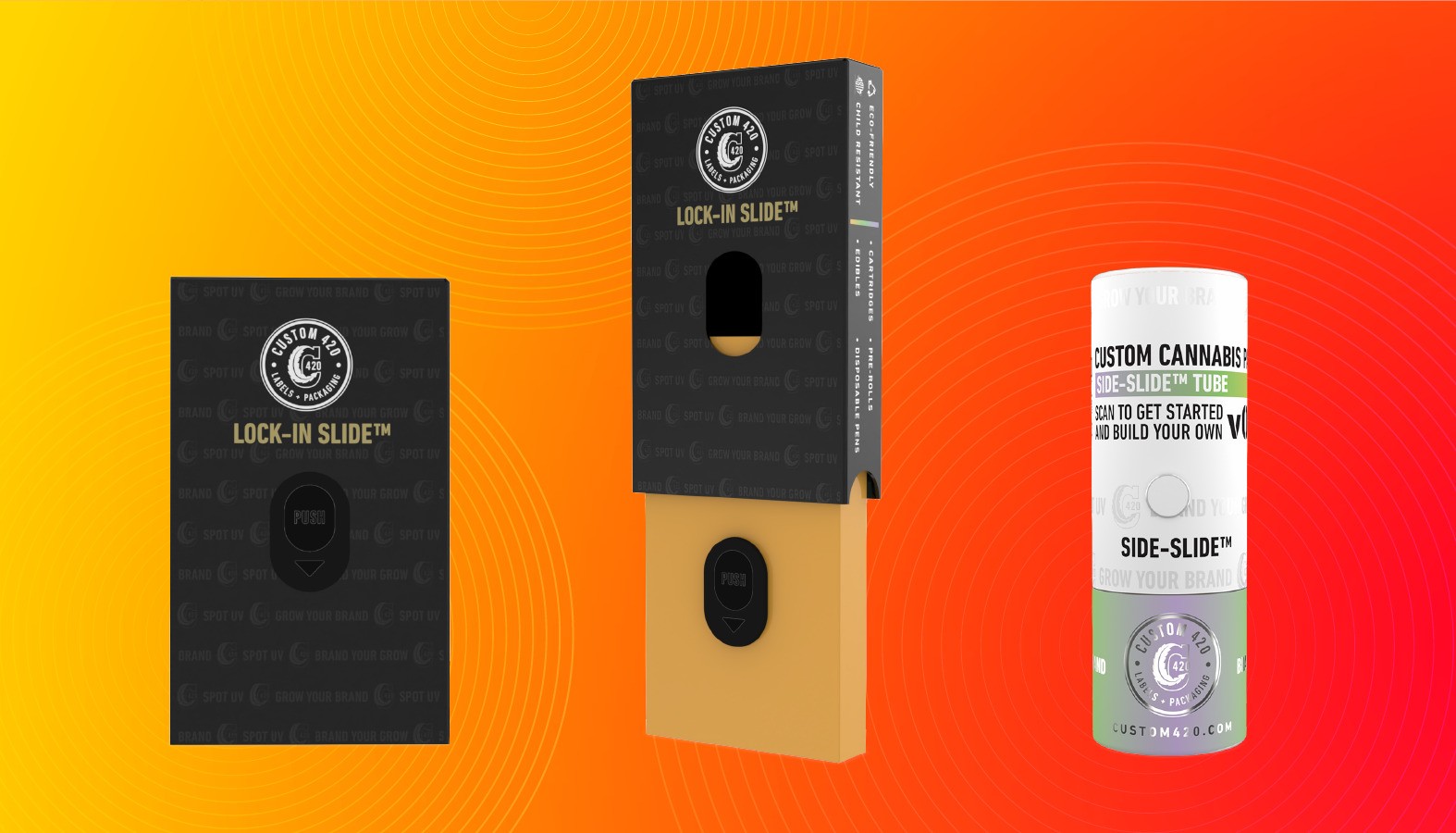
Not sure where to source child-resistant boxes? Custom 420 offers various options, from child-resistant slide-tin boxes to 1-inch square child-resistant boxes. In other words, we have a box size for any of your needs!
We invite you to reach out through our contact form to get started.
Child-Resistant Boxes FAQs
What’s the difference between child-resistant and child-proof?
There’s no such thing as “child-proof” packaging. In other words, no packaging can 100% prevent a child from opening it. However, child-resistant packaging refers to Mylar bags, boxes, and other containers that are extremely difficult for children to open.
What is the Child-Resistant Cap Act?
This is a law that requires certain items (i.e. prescription drugs, over-the-counter drugs, household chemicals, etc.) to be placed in child-resistant packaging.
What is considered child-resistant packaging?
As discussed above, there are certificate programs that run tests to see if your packaging is child-resistant. If 85% of children are unable to open a package and 80% are unable to open it after being shown a demonstration, then your packaging is considered child-resistant.
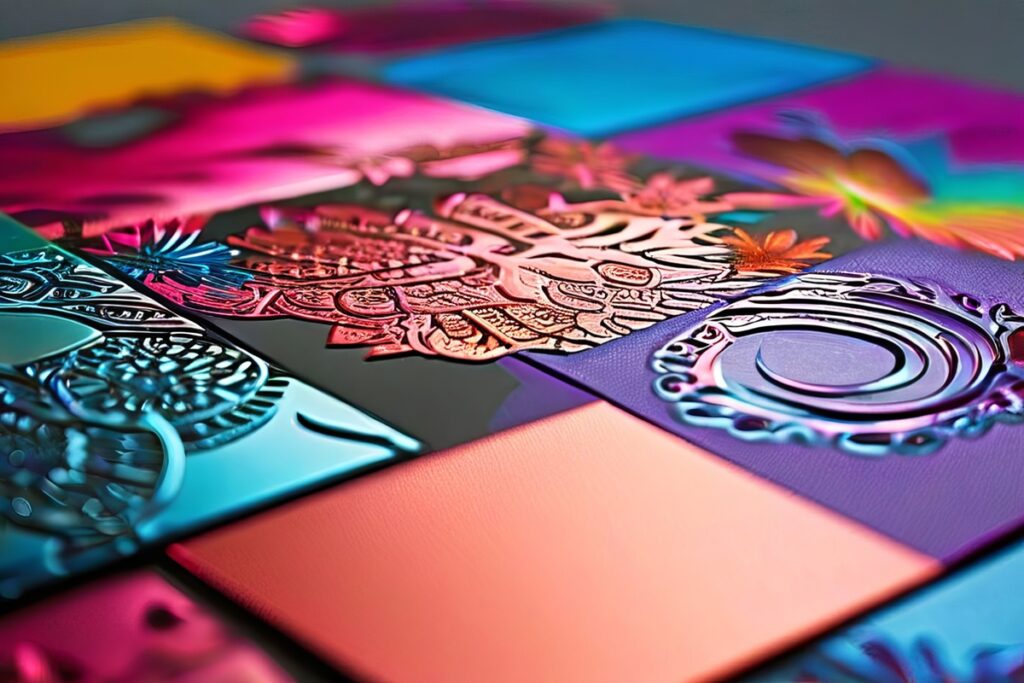
Spot UV, also known as spot gloss or spot varnish, is a print finishing method that adds a shiny, raised coating to specific parts of a design. This coating is cured with ultraviolet (UV) light, making the selected areas (such as logos or text) stand out with a glossy finish.
Spot UV works best when used on a matte or uncoated surface, creating a strong contrast. It’s often for:
Jar labels to give them a more polished and professional appearance.
We invite you to follow along as we take a deeper look into this printing technique and whether or not it’s right for your products.
Key Takeaways
What Spot UV Is – A printing technique where a glossy, UV-cured coating is applied to specific areas (like logos or text) for a raised, eye-catching finish.
Why It Matters for Branding – Spot UV adds luxury, tactile contrast, and visual focus, especially effective on custom packaging like mylar bags and cannabis jar labels.
How to Use It Effectively – Use on smooth, thick substrates with a precise mask file; ideal for accentuating logos, titles, and brand elements without overwhelming the design.
How Does Spot UV Work?
The process begins during the design stage. A separate black-and-white file, called a UV mask, is created to show exactly where the glossy coating will go. This file acts as a guide, marking which areas (such as text, logos, or patterns) will receive the UV treatment.
Next, the full-color design is printed on the material using either digital or offset printing. This creates the base layer that includes all the images, colors, and text. Once the base layer is printed, the UV mask is used to apply a clear varnish to the marked spots. This is done through screen printing or with a plate, depending on the method used.
After the varnish, the print goes under ultraviolet (UV) lights. These lights cure the varnish instantly, turning it into a solid, glossy finish. The result is a high-shine effect that contrasts sharply with the matte or uncoated background.
Finally, the printed piece is trimmed, folded, or enhanced with other finishes like embossing. Each item is then checked for accuracy to make sure the UV coating aligns properly with the design.
Why Use Spot UV?
Spot UV printing offers both style and function. It helps designs stand out, feels good to the touch, and protects the surface. Here’s a closer look at the main reasons brands choose this technique:
Visual Impact and Contrast Spot UV highlights specific parts of a design (like logos, text, or graphics) by making them glossy against a matte background. This creates depth and draws attention to key elements, making your print look sharper and more professional.
Tactile Engagement The raised glossy texture gives people something to feel as well as see. This physical detail adds sensory interest and makes the piece more memorable.
Durability This technique isn’t just for looks. The UV coating adds a layer of protection that helps resist:
Moisture
Scratches
Fingerprints
Smudges
Fading
Fast and Eco-Friendly UV coatings cure instantly under ultraviolet light. They contain no volatile organic compounds (VOCs), so they’re safer for the environment and speed up production.
Stronger Brand Appeal Spot UV sends a clear message of quality. When used on packaging, business cards, or promotional materials, it can help your brand look polished and high-end, without the need for more expensive materials.
Styles and Combinations
Spot UV has multiple uses to achieve unique visual and textural effects.
One popular method is Blind Spot UV, where the gloss is applied without any ink underneath. This creates a subtle, almost hidden pattern that becomes visible only when light hits it at the right angle. It’s a sleek way to add detail without overwhelming the design.
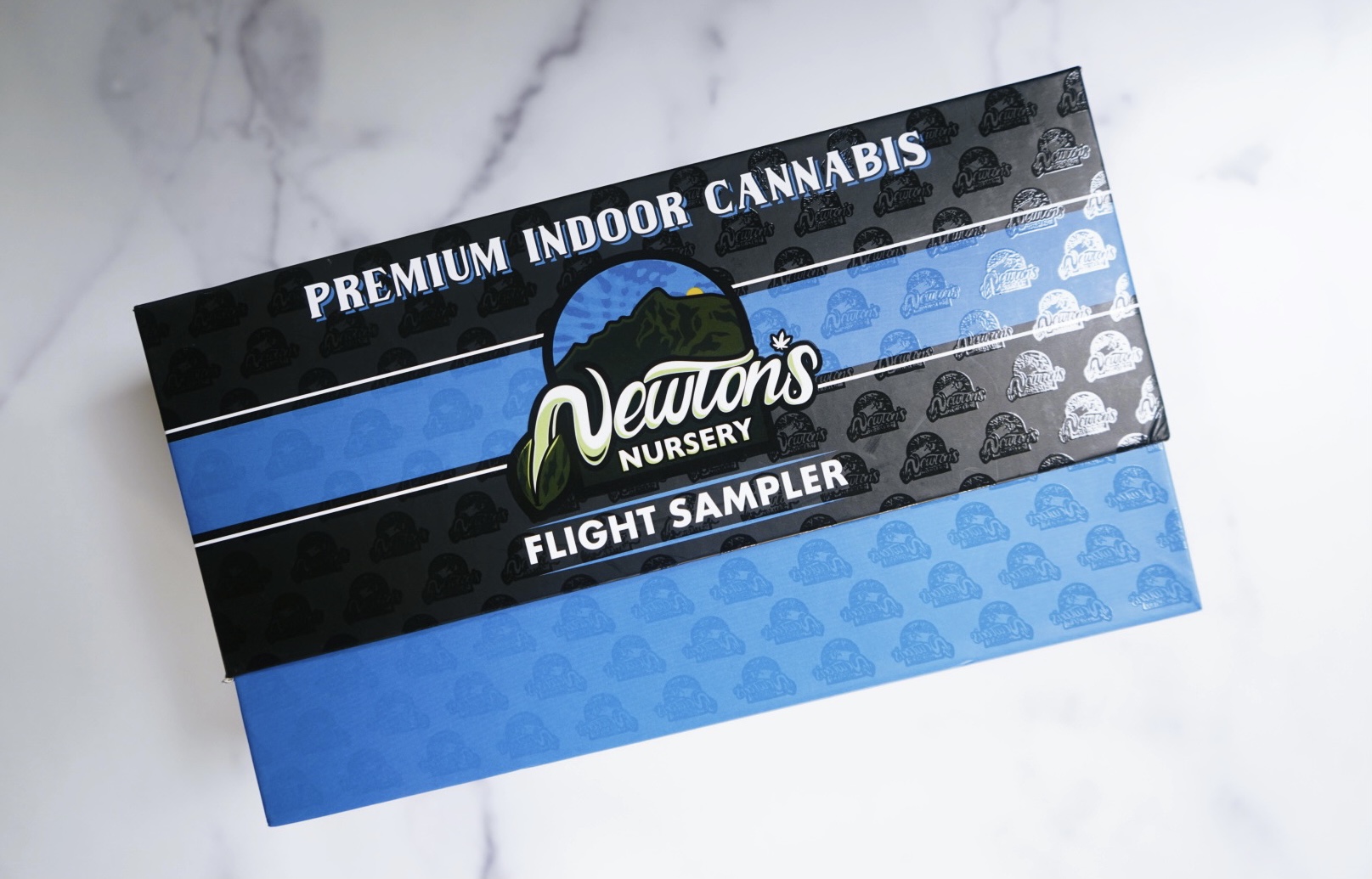
Another common approach is to apply the technique over matte lamination, matte varnish, or soft-touch finishes. The glossy areas stand out boldly against the dull background, creating a rich contrast that both looks and feels high-end. This combination enhances depth and gives printed materials a premium, polished finish.
Tips for Effective Spot UV Design
Less is more – Highlight only the most important elements. Overusing it can make a design feel busy or messy.
Choose the right substrate – Use smooth, thick paper or cardstock. Avoid thin or textured materials, which may not hold the coating well.
Ensure alignment precision – Include crop marks and check that the print and varnish layers are in proper alignment. This avoids shifting or misprints.
Plan for effect – Spot UV works best on logos, titles, and small accents. Avoid using it on large areas or small, detailed text that may lose clarity.
Incorporate a mask in prepress – Always provide a separate, high-contrast mask file using solid black to indicate coated areas.
Spot UV vs. Other Finishes
Finish
Gloss
Texture
Durability
Cost Level
Spot UV
High
Raised
Excellent
Mid-high
Emboss/Deboss
None
Deep
Good
High
Foil Stamping
Metallic
Smooth
Good
Mid-high
Full UV Coating
High (full)
Flat
Very Good
Mid
Matte Coating/Lamination
None
Soft/Flat
Good
Mid
Spot UV brings a glossy tactile layer and durability inexplicably beyond embossing alone, with lower cost than full foil or full UV.
Cost and Limitations
Spot UV printing comes with added costs due to the extra steps required. Namely, this includes a digital mask file. Still, the added cost is minimal and provides you with a premium look, something worth considering when you’re managing your packaging budget.
The process also works best on flat, smooth surfaces. Textured or thick materials can cause the coating to apply unevenly, which may affect the final result.
In terms of production time, Spot UV adds steps like mask preparation and UV curing, which can extend turnaround. It’s important to plan and allow for extra time, especially when working with larger orders or tight deadlines.
Final Word
Spot UV is a powerful finishing technique that adds shine, texture, and a premium feel to printed materials and packaging.
It offers strong visual contrast, a pleasing tactile experience, and durable protection, all while using an eco-friendly curing process. This makes Spot UV a popular choice for brands looking to stand out in crowded markets, such as cannabis or luxury products.
Think you want to incorporate spot UV into your cannabis packaging? Unsure where to begin? Custom 420 Supply is here to help! We invite you to reach out through our contact page to learn more.
Frequently Asked Questions (FAQs)
Is spot UV safe to use on cannabis packaging?
Yes. Spot UV is purely a surface treatment applied to the outermost layer of printed packaging. It doesn’t come in direct contact with the cannabis product and is safe when applied correctly by a professional print partner.
Can I use spot UV on flexible materials like mylar bags?
Absolutely. Spot UV works well on flexible packaging like mylar bags, especially when the surface has a matte or soft-touch lamination underneath. It provides contrast and texture that grabs attention on shelves.
Does spot UV increase the cost of cannabis packaging?
It can slightly increase production costs due to the extra print step and UV curing process. However, the perceived value and branding impact often outweigh the added expense, especially for premium or limited-edition products.
Will spot UV hold up in humid or refrigerated environments (i.e. edibles or infused drinks)?
Yes, Spot UV is moisture-resistant and adds an extra layer of protection to the print. For products that require cold storage, it’s a great choice because it won’t smudge or deteriorate like some finishes.