by Scott Katz | May 23, 2024 | Cannabis Labels
Choosing the right materials for your custom cannabis label solutions can feel overwhelming. Notably, if you’re unfamiliar with all the options available.
The first thing you need to ask yourself is, “How will these labels be used?” Secondly, consider “What type of look am I going for?”
Once you’ve answered these questions, you’ll have a solid foundation for selecting the right functional and aesthetic materials. But let’s break it down further by exploring some of the most common options for label solutions and how they fit into 420 packaging.
1.) BOPP (Biaxially Oriented Polypropylene)
BOPP is a popular choice in custom dispensary packaging because of its strengths and adaptability.
Advantages
- Durability – Resistant to water, oil, and chemicals—perfect for weed packaging labels.
- Clarity – High transparency and glossy finish create a premium appearance.
- Flexibility – Ideal for food, beverages, health, beauty, and custom packaging labels.
- Printability – Allows for crisp, high-quality graphics that make your weed label stand out.
Disadvantages
- Cost – More expensive than standard paper labels.
- Environmental Impact – A plastic-based material, it’s not the most eco-friendly option.
2.) Vinyl
Vinyl labels are an excellent choice when durability is a priority. If your product needs to withstand tough conditions, vinyl might be your best bet.
Advantages
- Extreme Durability – Resistant to water, UV rays, and abrasion.
- Flexible Application – Works well on curved or irregular surfaces.
- Strong Adhesion – Stays put on even the trickiest of packages.
Disadvantages
- Cost – Typically pricier than BOPP and paper labels.
- Not Biodegradable – Like BOPP, vinyl isn’t the most eco-friendly option.
3.) Foil
Want to make your packaging shine? Foil labels bring an eye-catching, premium look to your custom cannabis label solutions.
Advantages
- Luxury Appeal – Metallic sheen adds a high-end, attention-grabbing finish.
- Resilient – Resistant to moisture, oils, and some chemicals.
- Barrier Properties – Helps protect contents from light and oxygen exposure.
Disadvantages
- Higher Cost – More expensive due to material and processing.
- Limited Flexibility – May not conform to all packaging surfaces.
4.) Paper
Paper labels are the most economical choice and are great for brands looking for an eco-friendly and cost-effective custom dispensary packaging solution.
Advantages
- Budget-Friendly – The most affordable label option.
- Excellent Printability – Provides a clean, high-quality print surface.
- Eco-Conscious – Biodegradable and recyclable—ideal for sustainable brands.
Disadvantages
- Less Durable – Not resistant to water, oil, or tearing.
- Limited Applications – Not suitable for outdoor or high-moisture environments.
Which Label Material is Right for You?
Choosing the perfect label material depends on your specific needs. Whether you’re focused on durability, aesthetics, cost, or sustainability, there’s a solution that fits.
If you need expert guidance on selecting the best weed packaging labels for your brand, we’re here to help. We specialize in custom cannabis label solutions and offer a variety of custom packaging labels to suit any product. Contact us today to explore the best labeling options for your business!
by Scott Katz | Apr 30, 2024 | Cannabis Branding, Cannabis Packaging
Die-cut boxes are a popular choice in the world of packaging as they offer a unique blend of aesthetic appeal and functional design. However, you may wonder if they’re the right packaging solution for your cannabis brand.
In this article, we’ll explore how you can get creative with die-cut, enhancing both the unboxing experience and the visual branding of your products.
What is a Die-Cut Box?
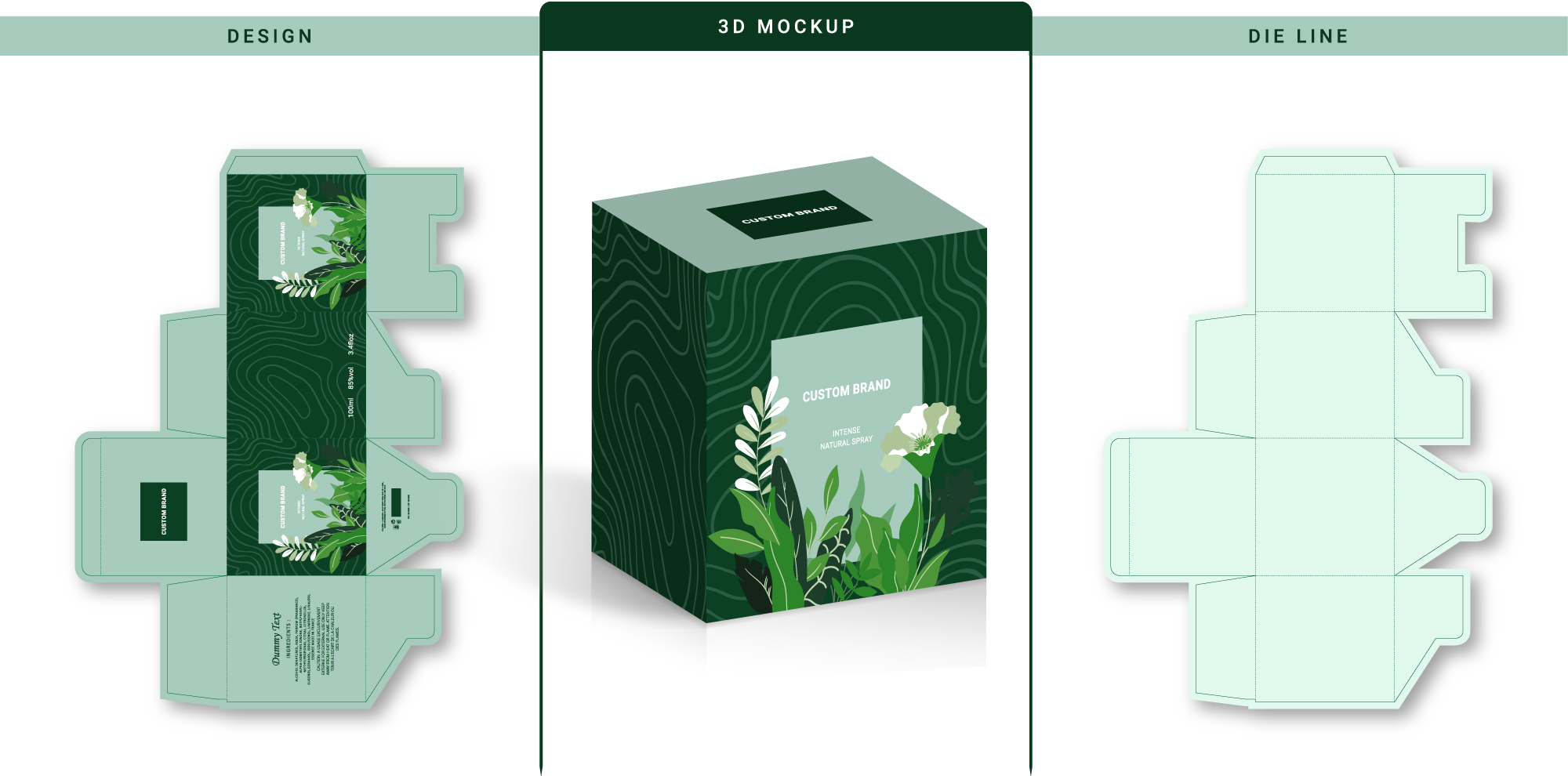
Die-cut boxes are custom-made packaging solutions, tailored to fit specific dimensions and protection needs.
These boxes are cut from flat sheets of material using a die; a specialized tool crafted to cut and score cardboard in a predefined design. This process allows for intricate cutouts, windows, and unique box shapes that are unachievable with standard box-making techniques.
Benefits of the Die-Cut Box
A die-cut box template offers several compelling advantages for businesses and designers alike:
- Customization – The ability to fully customize a box’s shape, size, and features.
- Protection – Enhanced protection due to the precise fit around the product.
- Aesthetics – Attractive and distinctive designs that stand out on shelves and in customers’ hands.
Designing Your Die-Cut Box
Creating a die-cut box design that perfectly matches your vision involves several steps:
- Understanding Your Needs – Start by defining your box’s purpose. Consider the product’s dimensions and weight and how the box will be used during shipping and retail display.
- Choose the Right Material – Select materials that will protect your product and align with your brand’s sustainability ethos. Cardboard, corrugated fiberboard, and recyclable plastics are popular choices.
- Customization Techniques – Leverage techniques (i.e. digital or offset printing, embossing, debossing, and window patching) to add branding elements and decorative features.
- Add Unique Features – Think beyond the box. Literally. Add handles for easy carrying, innovative closures for repeated use, or die-cut window patterns that give a peek of the product inside.
Creative Uses of Die-Cut Boxes
Custom die-cut boxes are adaptable for a multitude of applications across various industries:
- Retail Packaging – Create packages that protect merchandise and enhance shelf presence with custom shapes and designs.
- Wholesale Boxes – Easily create wholesale master boxes to coordinate branding between retail and wholesale packaging.
- Subscription Boxes – Offer subscribers a unique unboxing experience every time, with designs that evolve with themes or seasons.
- Eco-Friendly Solutions – Design your boxes with sustainable materials and processes to appeal to eco-conscious consumers.
Marketing Benefits
Innovative packaging can significantly boost your product’s visibility and brand recognition. They make your product stand out in a crowded market, and the unique design can turn ordinary packaging into a powerful marketing tool.
Die-cut boxes are more than just containers; they’re critical to product presentation and brand perception. Furthermore, by getting creative with your design, you can deliver an unforgettable unboxing experience and establish a strong visual identity.
Not sure where to begin? Custom 420 has a die-cut box machine for the purpose of offering such solutions to brands like yours. We invite you to reach out through our contact form to learn more.
Frequently Asked Questions
How to assemble a die-cut box? The process of assembling a die-cut box is easy. Die-cut boxes are produced as flat cardboard with all the fold and score lines intact after production. The most popular style of die-cut box is a fold-and-tuck box which is easily assembled by folding and tucking the cardboard in the shape of the die lines to form your box.
How much do die-cut boxes cost? Die-cut boxes are one of the most cost-effective box options on the market. The price of your die-cut box will be determined by the size, thickness, and quantity of your box. Other factors that help determine the cost are the need for features like glue strips or windows.
How to layout a die-cut box in Illustrator? To make die-cut lines in Illustrator, you’ll want to follow these steps:
1.) Open your design in Illustrator.
2.) Go to Select > All.
3.) Go to Object > Group.
4.) Go to Edit > Copy and then to Edit > Paste in Place.
5.) Go to Window > Pathfinder and press the “unite” icon.
6.) Go to Object > Path > Offset Path.
7.) Choose the initial shape and remove it.
8.) Select the offset path you just created and in the Swatches panel (Window > Swatches), set the fill to “none.”
9.) Click on the Stroke icon to activate the stroke color, then set it to “CMYK Cyan” (or another color).
by Scott Katz | Apr 15, 2024 | Cannabis Packaging, Sustainable Cannabis Packaging
Post-consumer recycled (PCR) Mylar bags are a significant stride in the sustainable packaging industry. Once these bags are used and discarded by consumers, they’re collected, processed, and remanufactured into new products. This article explores the concept, process, benefits, and challenges of PCR Mylar bags.
What is Mylar?
Mylar is a form of polyester resin used to make heat-resistant plastic films and sheets. It’s lightweight, flexible, and highly durable, which makes it an excellent choice for various packaging needs.
Properties of Mylar
The key properties of Mylar include its strength, transparency, and resistance to moisture, chemicals, and temperature changes. These attributes make it highly valued in both consumer and industrial applications.
Understanding Post-Consumer Recycling
Simply put, PCR is the process of recycling materials that have been used and discarded by consumers. This is different from pre-consumer recycling, which deals with manufacturing scraps.
Benefits of PCR
Using PCR materials helps reduce the need for virgin resources, lowers greenhouse gas emissions, and lessens landfill waste. It’s a critical component of a circular economy where materials are reused to their fullest extent.
The Lifecycle of PCR Mylar Bags
The process of transforming used Mylar into new bags involves several steps, each critical to ensuring the quality and usability of the final product. These include:
1.) Collection and Sorting
This initial phase involves collecting used Mylar products and sorting them based on quality and type. This step is crucial for maintaining the integrity of the recycled material.
2.) Cleaning and Processing
Once sorted, the Mylar is cleaned to remove impurities. It is then melted down and reformed into pellets that can be used to manufacture new Mylar sheets and bags.
3.) Manufacturing of New Products
These pellets are then transformed into new Mylar bags through a series of manufacturing processes that ensure the bags meet all necessary quality standards.
Benefits of PCR Mylar Bags
These Mylar bags offer several advantages over their non-recycled counterparts. More specifically:
Environmental Impact
By reusing Mylar, PCR bags significantly reduce the environmental footprint of producing new materials and disposing of old ones.
Economic Benefits
Recycling Mylar also offers economic advantages by reducing the costs associated with raw material extraction and waste disposal.
Challenges and Limitations
Despite their benefits, PCR Mylar bags face several challenges that affect their quality and market acceptance. These include:
Quality Concerns
Recycled Mylar may not always meet the high standards required for certain applications, leading to concerns about the performance of PCR products. Some properties of PCR bags do not provide the long-term shelf life of traditional mylar bags.
Market Demand
The demand for recycled products fluctuates based on consumer awareness, regulatory pressures, and economic factors, which can impact the viability of recycling programs. Some states require PCR materials for their cannabis packaging.
Conclusion
The future of PCR Mylar bags looks promising with ongoing advances in recycling technologies and increased consumer sustainability awareness.
PCR Mylar bags are a practical solution to the pressing need for sustainable packaging options. While they present certain challenges, their benefits make them an invaluable component of modern waste management strategies. As they continue to progress they will become more and more prevalent with many states requiring them to comply with laws.
Does your state require PCR packaging? Contact us now for a free consultation and quote on PCR cannabis packaging options!

by Scott Katz | Mar 18, 2024 | Cannabis Branding, Cannabis Packaging, Compliant Cannabis Packaging, Sustainable Cannabis Packaging
In today’s market, product packaging is not just a means of protection. It’s a significant aspect of marketing strategy that influences consumer perception and purchase decisions. Correlating packaging with price is an art that requires understanding the nuances of consumer behavior, material costs, and the psychological impact of design elements. Let’s dive deep into how businesses can master product price points to enhance their brand value and market positioning.
Understanding the Essence of Packaging
The Role of Packaging in Marketing
Packaging serves multiple purposes: it protects the product, provides essential information, and most importantly, it communicates the brand’s message. It’s the first thing a consumer interacts with, making it a critical touchpoint in the marketing funnel. The consumer’s first impression could make or break a sale.
Perceived Value and Packaging
The design, quality, and innovation of a package can significantly affect the perceived value of a product. A well-designed package can command a higher price, as it suggests superior quality and enhances the unboxing experience. But selling a high-end product in cheap packaging could be a death sentence.
Correlating Packaging with Price
Material Matters
Selecting the right packaging material is crucial. Sustainable, high-quality materials may cost more but can justify a higher price point and attract eco-conscious consumers. Add foils and special finishes to help the packaging stand out and utilize materials effectively.
Design and Complexity
The complexity of the design also plays a role. Intricate designs with unique opening mechanisms or personalized touches can make the product stand out on the shelves, allowing for a premium pricing strategy. Unique designs are sure to catch a potential customer’s eye.
Brand Consistency
Ensuring the packaging aligns with the brand’s overall image and values is essential. Consistency across products reinforces brand recognition and loyalty, supporting a higher price range. This also helps with brand recognition and repeat sales.
Cost-Effective Packaging Strategies
Balancing Quality with Cost
While aiming for high-quality packaging, you need to balance costs to avoid pricing your product out of the market. Economies of scale and smart design choices can help maintain this balance. When selling a high-end product, your packaging should follow suit. The goal is to create an experience for the user from the initial opening until the product is finished.
Leveraging Technology
Advancements in packaging technology, such as digital printing and utilizing mixed print runs, can reduce costs and allow for small-batch customization without a significant price hike.
Sustainability as a Value Proposition
Sustainable packaging is ethical and a selling point that can justify a higher price. Consumers are willing to pay more for products that align with their values, especially if you position your brand messaging this way.
Case Studies: Success Stories of Effective Packaging
Analyzing successful brands can provide valuable insights into effective packaging strategies. From luxury brands that use packaging to enhance exclusivity to eco-friendly brands that use minimal, sustainable packaging to appeal to their target audience, there is much to learn from the market leaders. Think beyond the cannabis packaging realm and look at high-end cosmetics and food items. Products with high price points in their respective category often have packaging that correlates with product cost.
Future Trends in Packaging
Innovations to Watch
The future of packaging lies in smart, interactive packaging that enhances user experience and sustainability efforts that reduce environmental impact. Incorporating QR codes and augmented reality can help create a deeper experience.
Customization and Personalization
As technology advances, personalized packaging will become more accessible, allowing brands to offer unique experiences without a hefty price tag. Tailoring items focused on local trends and preferences could help lead to greater sales.
Conclusion
Mastering the correlation between packaging and price is essential for cannabis businesses aiming to position their products effectively in the market. By focusing on material quality, design innovation, and brand consistency, your business can create packaging that justifies the price and appeals to its target audience. Remember, packaging is not just a container; it’s a critical marketing tool that communicates your brand’s value proposition.
by Scott Katz | Nov 3, 2023 | Cannabis Branding, Compliant Cannabis Packaging, Custom Cannabis Labels, Uncategorized
The cannabis industry is booming, and with more brands entering the market, standing out is more crucial than ever. With that, custom cannabis label services are more important than ever.
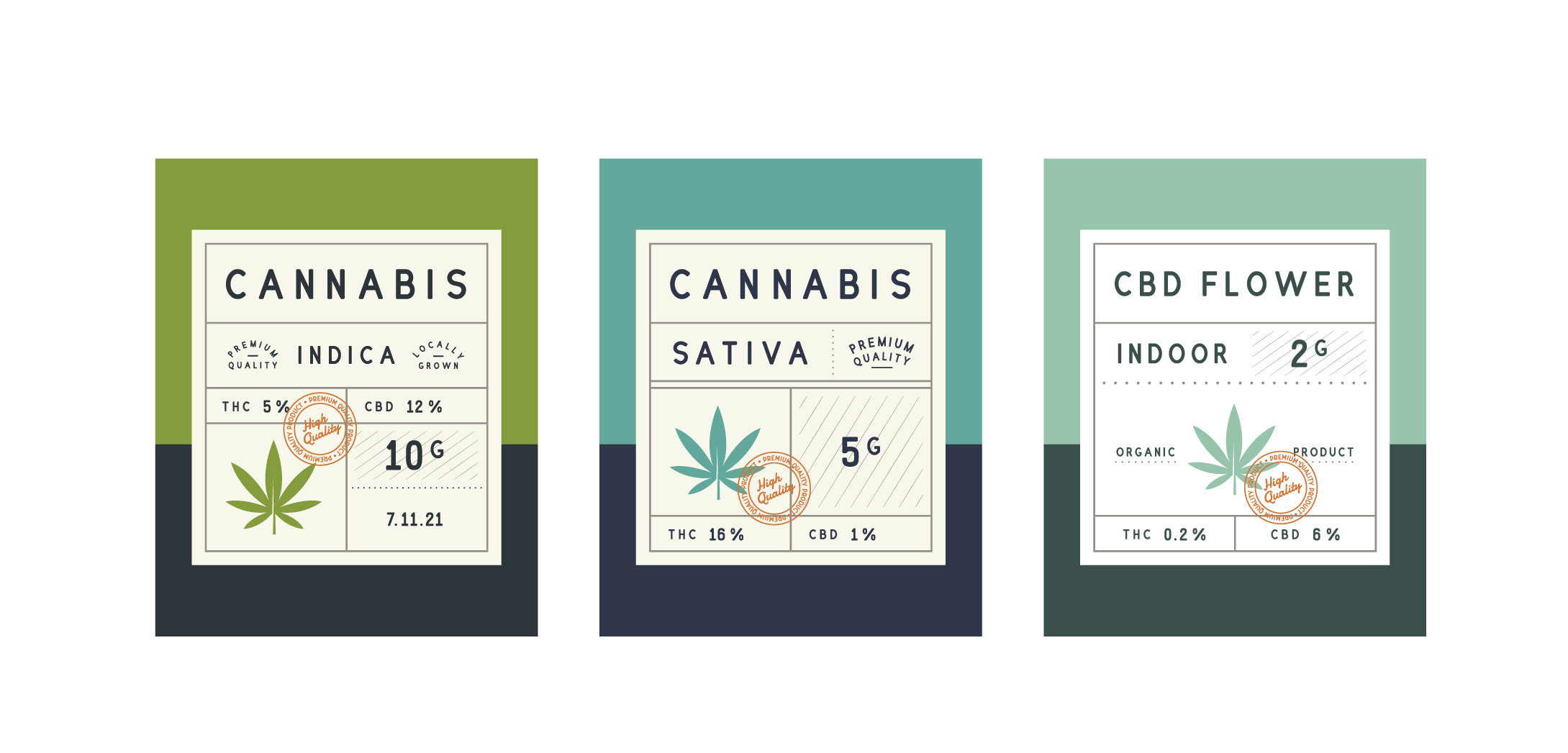
Custom cannabis labels are your key to market distinction and safety, serving a dual purpose. They’re not merely vessels for compliance but a canvas for your brand’s story.
Why Custom Cannabis Labels Matter
Brand Distinction in a Saturated Market
With so many options available, how do you ensure consumers choose your products over others?
Custom dispensary packaging lets you showcase your brand identity. Whether it’s bold colors, sleek finishes, or unique textures, the right cannabis packaging labels create an eye-catching look and your product will become instantly recognizable.
Navigating the Legal Landscape
Cannabis regulations vary by state, making compliance a moving target. Investing in custom cannabis label services ensures your packaging meets all necessary guidelines while keeping your branding strong.
Proper labeling protects your business from fines and recalls while informing consumers about elements such as:
- Dosage
- Ingredients
- Safety precautions
Consumer Confidence and Loyalty
Customers today want transparency. A well-designed weed label doesn’t just look good—it reassures buyers that your product is safe, legal, and high quality.
Clear and informative 420 packaging boosts consumer confidence, which leads to repeat purchases and strong brand loyalty.
Sustainability: A Silent Salesman
Eco-friendly packaging is more than just a trend—it’s a statement. Using sustainable packaging materials in your custom dispensary packaging shows that your brand cares about the planet.
Many consumers actively seek out brands that prioritize green packaging. This makes it a great way to align with customer values and differentiate your business.
Why Choose Custom 420 for Your Cannabis Labels?
At Custom 420 Supply, we specialize in high-quality custom cannabis label services tailored to the unique needs of cannabis businesses. We understand the industry’s challenges and offer various labeling solutions. These include vibrant customizable designs and eco-friendly options.
Whether you need compliant cannabis packaging labels, unique 420 supply solutions, or standout weed labels, we’ve got you covered. Let’s create packaging that not only meets regulations but also helps your brand thrive.
Ready to Upgrade Your Cannabis Packaging?
Investing in custom cannabis label services is a game-changer for your brand. Don’t settle for generic—let your packaging work for you. Contact us today to explore options and give your products the standout branding they deserve.
Custom Cannabis Label Services FAQs
What is the biggest problem with cannabis labeling? The biggest issue with cannabis labeling is compliance with ever-changing regulations. Each state or country has different requirements regarding product information, warnings, and branding restrictions.
Failing to meet these regulations can result in fines, product recalls, or even legal action. Custom cannabis label services help ensure compliance while maintaining strong branding.
What is the TAC on a cannabis label? TAC stands for Total Active Cannabinoids. It represents the sum of all active cannabinoids in a product, such as tetrahydrocannabinol (THC) and cannabidiol (CBD). This metric helps consumers understand the potency and effects of a cannabis product.
What is the government warning on cannabis packaging? Cannabis packaging must include a government-mandated warning to inform consumers about potential health risks. The exact wording of this warning varies by location, but common statements are about age restrictions, health risks, impairment, keeping products out of reach of children.