Hawaii cannabis packaging laws are as unique and strict as the islands themselves. Governed under HRS § 329D and HAR Chapter 11‑850, these regulations currently apply only to the state’s medical cannabis program.
While adult-use cannabis remains prohibited, evolving legislation (especially concerning hemp-derived THC products) is quickly reshaping packaging requirements.
Whether you’re a dispensary, manufacturer, or brand, staying compliant with Hawaii medical marijuana packaging requirements means understanding the Aloha State’s rigorous health, safety, and environmental standards.
Legal Framework
Cannabis packaging in Hawaii follows clear safety and labeling rules. The key regulations include:
HRS § 329D-11 – Set basic safety requirements for packaging.
HAR § 11-850-142and § 11-850 143 – Outlines rules for packaging design, labeling, and how products must function.
The Hawaii Department of Health (DOH) enforces these laws. It checks that all cannabis products follow public safety standards.
Packaging Requirements
Child-Resistant and Opaque
All cannabis packaging must be child-resistant, following federal CFR Title 16 Part 1700 guidelines. It must also be fully opaque so the product is not visible. These rules follow child-resistant cannabis packaging in Hawaii standards, which help prevent accidental use, especially by children.
Color and Graphic Restrictions
Hawaii bans colorful or flashy packaging. Medical cannabis products must use black text on a white background, with no images or graphics. These color restrictions aim to reduce appeal to minors and keep the look clean and clinical.
Required Label Information
All dispensary-sold cannabis products must clearly display:
Product name and type
Net weight or volume
Cannabinoid content (THC, CBD, CBN, etc.)
Ingredients, allergens, and extraction method
Dispensary license and production center
Batch number, packaging date, and harvest date
Directions for use and expiration date
Barcode linked to Hawaii’s tracking system
Labels must also show DOH-required warnings:
“For medical use only”
“Keep out of reach of children”
“May impair ability to drive or operate machinery”
These warnings are part of Hawaii cannabis product labeling standards, created to inform patients and protect their safety.
Dispensaries must also give patients printed documentation. This includes dosage details, possible side effects, and usage warnings, fulfilling Hawaii medical marijuana patient insert requirements.
THC Limits and Unit Dosing
Hawaii caps THC levels at 1000mg per container for manufactured cannabis products. For edible items (e.g., capsules or lozenges), each unit must contain no more than 10mg of THC. These edible cannabis packaging rules in Hawaii help ensure safe, consistent dosing for medical patients.
Sustainable Packaging and Materials
Hawaii’s cannabis dispensaries are shifting toward eco-friendly packaging. With limited recycling options on the islands, some (e.g., Hawaiian Ethos) use compostable paper and refillable glass jars. Common choices include:
Unbleached paperboard for flower
Non-toxic inks
Recyclable glass or metal for concentrates
These choices reflect both environmental responsibility and Hawaii MMJ packaging compliance.
Lab Testing and Compliance
All cannabis products in Hawaii must pass third-party lab testing before sale. Required tests cover:
Potency levels
Contaminants, including pesticides, heavy metals, microbes, and solvents
Optional terpene profile
Barcode tracking for each batch
The product label must show the lab name and provide access to the results, either directly or through a scannable code.
Recent and Pending Changes
Pre-Roll Approval (Effective 2024)
Hawaii now allows pre-rolled flower products under new rules. Approved pre-rolls must:
Used unbleached, non-flavored paper
Contains no tobacco
Avoid filters that change THC potency
Proposed Hemp and Adult-Use Legislation
Bills like HB 1246 and SB 962 may soon add new rules for hemp-derived THC products, including delta-8 and delta-10. If passed, these products would need:
Child-resistant, resealable packaging
Clear THC content on the label
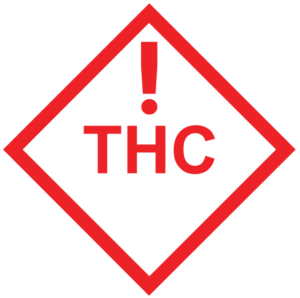
A visible universal THC symbol
Final Word
Hawaii enforces strict rules for cannabis packaging. From child-resistant containers to clear labels and eco-friendly materials, every detail matters. Staying up to date with Hawaii cannabis packaging laws helps your business stay compliant and build trust in a competitive, sustainability-focused market.
Are you a cannabis business in Hawaii and unsure where to begin with your packaging? Custom 420 Supply is here to help! We invite you to reach out through our contact page to learn more.
Frequently Asked Questions (FAQs)
Does Hawaii require medical cannabis packaging to be tamper-evident or resealable?
Yes. Medical cannabis packaging in Hawaii must be child-resistant and tamper-evident. If the product is not for single use, the container must also be resealable to maintain safety between uses.
Are dispensaries in Hawaii allowed to include strain names or terpene profiles on product labels?
Yes. Strain names and terpene profiles can be included on product labels, as long as the information is accurate and does not include medical claims or misleading language.
Can cannabis packaging in Hawaii feature Hawaiian imagery, logos, or branding?
No. Hawaii bans images, logos, or graphics (including Hawaiian-themed imagery) on medical cannabis packaging. This supports Hawaii cannabis packaging color restrictions and keeps labels plain, with black text on a white background to reduce appeal to minors.
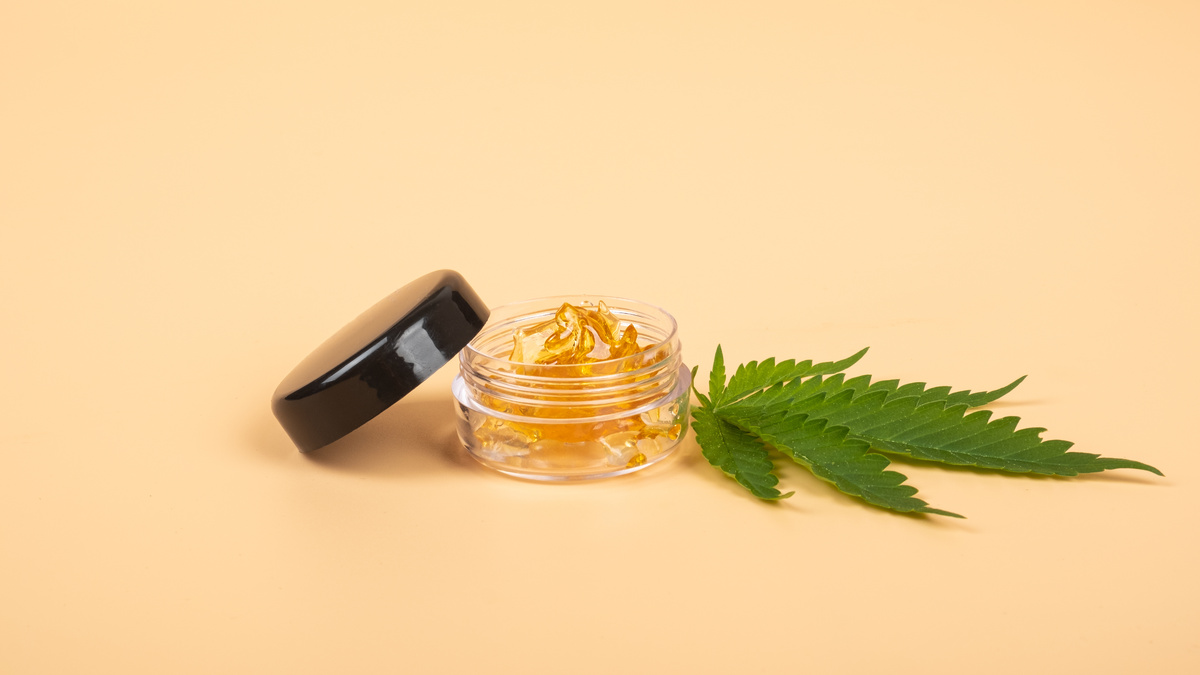
Glass concentrate jars offer better storage for rosin because they preserve potency, flavor, and freshness for longer. For concentrate producers and brands, choosing between glass and plastic can impact shelf life, terpene quality, and compliance with regulations.
This guide compares both materials and explains why concentrate glass jars are the top choice for storing high-quality cannabis extracts.
1.) Terpene and Cannabinoid Integrity
Glass jars for concentrates are the best option for preserving the flavor and strength of cannabis extracts. These containers are non-porous and chemically inert, which means they won’t react with your rosin or absorb its delicate compounds.
Plastic, on the other hand, can trap sticky trichomes, attract dust through static, and even leach chemicals that weaken the concentrate’s profile. Over time, plastic may cause terpene loss, resulting in dull aroma and reduced effects.
Concentrate glass jars offer a clean, stable environment that locks in the full aromatic and cannabinoid profile. For extractors (whether small-batch or commercial), the difference is noticeable. Glass helps keep your rosin in its original state, preserving that fresh-pressed scent and texture without risk of contamination.
2.) Airtight Seal and Oxidation Control
An airtight seal is key to preserving a concentrate’s quality over time. Premium glass concentrate dab jars with child-resistant, gasket-lined lids offer a tight seal that limits air exposure. This is important because oxygen causes oxidation, which breaks down terpenes and cannabinoids, reducing potency and flavor.
Plastic containers often lose their airtightness as they age. Warping or weak seals let oxygen in, speeding up degradation. When shopping for wholesale glass concentrate jars, choose those with vacuum-seal or pop-seal features. These technologies help maintain freshness by keeping oxygen out and locking in terpene stability.
Using bulk glass concentrate jars with reliable seals ensures your product stays potent and aromatic longer, protecting shelf life and consumer satisfaction.
3.) Temperature and UV Resistance
Cannabis concentrates are sensitive to heat and light. Glass provides better protection than plastic against both.
Amber or opaque concentrate jars help block harmful ultraviolet (UV) rays and resist temperature swings that can break down cannabinoids and terpenes. This makes glass the safer choice for long-term storage.
Plastic can absorb heat and allow light to penetrate, accelerating degradation. In high-humidity or brightly lit retail settings, plastic jars often fail to protect the product’s texture, color, and potency.
4.) Branding, Presentation, and Customer Perception
Today’s cannabis shoppers care about both product quality and packaging. Glass concentrate jars give your brand a clean, premium look that plastic can’t deliver.
Glass shows off the color and clarity of your extract. It adds weight and feel to the customer experience. And it supports eco-conscious values through recyclability.
Customization is another advantage. You can choose unique shapes, emboss your logo, and select high-end lids to match your brand’s style. Plastic packaging limits those options.
By working with a trusted glass concentrate jars manufacturer, you can create packaging that reflects your product’s quality and helps you stand out in a crowded market. For brands looking to scale or launch a luxury line, high-quality glass jars support a strong visual identity and customer trust.
5.) Cost vs. Long-Term Value
Plastic jars may seem more affordable at first, but the long-term cost tells a different story. Product loss, reduced potency, and poor shelf appeal can hurt your bottom line. Even a cheap glass concentrate jar offers better protection and brand value, leading to stronger customer retention and fewer quality issues.
Many suppliers now offer bulk glass concentrate jars at competitive prices. By partnering with a supplier that offers flexible minimum order quantities (MOQs) and custom branding, you get high-quality packaging without overspending.
In the end, glass gives you a better return, not just on product integrity, but on brand reputation too.
If you’re focused on cannabis extract preservation, glass concentrate jars aren’t just better, they’re essential. They protect flavor, support compliance, improve shelf appeal, and extend product life.
If you’re looking to source wholesale glass concentrate jars, Custom 420 Supply has you covered! We invite you to reach out through our contact page to learn more.
Frequently Asked Questions (FAQs)
What should I look for in a glass concentrate jars supplier?
Seek a manufacturer that offers food-grade borosilicate glass, airtight lids, customization (logos, shapes), and child-resistant certification. Bonus if they provide fulfillment services or low MOQs for scaling brands.
How can I get the best deal on bulk glass concentrate jars?
Buying in bulk is always the best way to get the most cost-effective pricing on concentrate jars. Forecasting your production and future needs and preparing ahead of time will prove to save your team money in the long run. Purchasing full pallets and using freight shipments will get your company the best possible concentrate jar pricing.
Are there regulations around concentrate glass jars for dispensary products?
Yes. Your jars may need to meet child-resistance standards, be opaque in certain states, and include tamper-evident seals. Work with a packaging expert who understands cannabis compliance to avoid costly delays.
When it comes to premium cannabis concentrates like rosin, quality matters. However, presentation seals the deal. And in an increasingly competitive extract market, rosin jar labels have emerged as a powerful tool for building brand identity, boosting shelf appeal, and meeting regulatory standards.
Whether you’re a boutique hashmaker or an established brand looking to elevate your packaging, dialing in your labels is essential. In this guide, we’ll walk you through everything you need to know to brand your concentrates like a pro.
What are Rosin Jar Labels?
Rosin jar labels are adhesive labels that fit concentrate containers, usually glass jars. These labels serve both branding and compliance purposes. Common types include:
Side-wrap labels that go around the jar for easy branding.
Lid-top stickers that show strain names or product type at a glance.
Tamper-evident seals that show if the jar has been opened.
Bottom or base labels that list batch numbers, weight, and lab test results.
Using the right mix of these rosin label jars makes your product look more professional, helps buyers find information quickly, and builds trust with your customers. It also supports compliance with industry packaging rules.
The Business Case for Branded Rosin Packaging
In cannabis sales, how your product looks matters. Branded rosin packaging is often the first thing a customer sees, and it can be the reason they choose your product over another. A clear, strong label builds trust fast. It also encourages people to share photos online and helps them remember your brand for future purchases.
Still, good packaging does more than look nice. It helps you meet dispensary label requirements and keeps your business in line with regulations. Labels should clearly show cannabinoid content, terpene details, and required disclaimers. This keeps your product compliant and gives customers the information they need to buy with confidence.
Label Styles and Why They Matter
Different types of rosin jar labels serve different purposes. Using more than one label can help you keep your design clean while sharing all the details customers and regulators need.
Side-wrap labels – These wrap around the jar and offer space for your logo, strain name, QR codes, and other branding elements. Perforated options can also act as tamper-evident rosin jar labels, giving customers added peace of mind.
Lid-top labels – These sit on the top of the jar, making it easy to see what’s inside at a glance. They work well for strain-specific designs and are great for storage.
Bottom labels – These are used to include test results, batch data, weights, and other required details, without taking up space on your main branding area.
Using a mix of these label types keeps your product visually appealing while covering all the key points for compliance, safety, and brand recognition.
Pairing the Right Jar with the Right Label
Your label should work with your jar, not against it. Choosing the right jar helps your rosin container branding feel complete and professional. Here are some common jar options:
Miron UV glass jar – Helps protect terpene quality and keep your concentrates fresher for longer.
Pop-Vac jars – Known for their airtight seal and signature “pop” sound when opened.
Standard CR (child-resistant) jars – Cost-effective, compliant, and widely used across the cannabis industry.
For the best results, use tamper-evident rosin jars with built-in child safety features. Choose label material that matches the texture and finish of the jar. For example, matte labels look clean on UV glass, while glossy or foil labels pop on clear jars.
If you’re using clear jars, remember that your product becomes part of the visual experience. Use that transparency to your advantage without overwhelming it with heavy branding.
How to Create Rosin Jar Labels (Step-by-Step)
Collect Brand Assets Gather all your brand elements: logo, fonts, color palette, product tiers, and any unique icons that represent your brand’s style.
Choose a Labeling Strategy Decide if you want a separate label for each strain or a universal template where you can update strain and batch details easily.
Design with Purpose Focus on clear, easy-to-read labels. Organize information by importance and make sure your design looks appealing. You can find ideas and inspiration from popular rosin packaging designs on Instagram or Behance.
Ensure Compliance Add all required information, like tetrahydrocannabinol (THC)/cannabidiol (CBD) percentages, manufacturing dates, health warnings, and legal disclaimers. This keeps your labels compliant with cannabis concentrate regulations.
Choose the Right Vendor Pick suppliers who know the cannabis industry well and offer quality options. If you’re looking for a supplier, Custom 420 Supply can provide you with compliant and brand-enticing labels!
Budgeting and Return on Investment (ROI)
Custom rosin jar labels can cost more upfront, but they serve as a smart investment for your brand. Here are some ways to save money without losing quality:
Print in bulk to lower the cost per label.
Use a universal design template for multiple strains to simplify production.
Focus on high-quality labels for your premium product lines where presentation matters most.
Well-made labels add value in customers’ eyes, help products sell faster, and improve your overall presentation. Using smart, custom rosin labels positions your brand as a premium choice in a competitive market.
Common Mistakes to Avoid
Choosing the wrong material – Avoid cheap adhesives, thermal, and home-printed labels that peel off or smudge easily. Quality materials keep your labels looking sharp and durable.
Overcomplicating design – Too much information or clutter makes your label hard to read and looks unprofessional. Keep it clear and focused.
Ignoring compliance – Leaving out required details can lead to legal problems or lost sales. Always include mandated info to stay safe.
Hiding the product – Don’t cover the jar so much that customers can’t see the quality of your rosin. Clear packaging builds trust and shows off your product.
Sustainability and Future Trends
Today’s buyers expect sustainability, so your rosin concentrate packaging should reflect that. More brands now use labels and containers that are biodegradable, recyclable, or reusable to reduce environmental impact.
Another growing trend is smart packaging. Labels with QR codes can link to certificates of analysis (CoAs), interactive strain details, and serialized tracking. This tech-savvy approach keeps products compliant while adding a modern, polished look.
Final Word
Your rosin might be fire, but if your label falls flat, you leave value on the table. Labels that are clear, compliant, and on-brand will always stand out.
Maybe you’re launching your first drop. Or you’re revamping your brand identity. In either case, Custom 420 can help you with your rosin jar labeling. We invite you to fill out the form on our contact page to learn more.
Frequently Asked Questions (FAQs)
What information is required on rosin jar labels for dispensary sales?
Label requirements vary by state, but most dispensaries require THC/CBD content, net weight, batch ID, production/manufacture date, and legal disclaimers. Some states also require universal cannabis symbols and testing information.
Can you use custom labels on cannabis concentrate jars?
Absolutely! In fact, weed concentrate jar labels should be custom-designed so they can be both compliant and brand-enhancing. Just ensure they meet local regulations for content and visibility.
What material is best for labeling rosin jars?
For durability and a professional look, opt for laminated vinyl or BOPP (biaxially-oriented polypropylene). These materials are oil-resistant, moisture-proof, and perfect for waterproof concentrate labels that hold up in cold storage and handling.
As Florida’s cannabis and hemp markets continue to grow, businesses must adhere to strict packaging rules to ensure consumer safety and legal compliance. Whether you’re a Medical Marijuana Treatment Center (MMTC) or a hemp-derived product manufacturer, understanding Florida cannabis packaging guidelines is essential to avoid fines and maintain consumer trust.
In this article, we break down the current packaging requirements, labeling expectations, and recent legislative changes affecting cannabis and hemp products in the Sunshine State.
Regulatory Framework
Florida divides oversight of cannabis packaging between medical marijuana and hemp extract products:
Medical cannabis rules are handled by the Office of Medical Marijuana Use (OMMU) under Florida Statute 381.986 and emergency rule 64ER20-32. These set packaging standards, such as child-resistant containers, opaque wraps, clear labels, and retaining original packaging for transport.
Additives banned – A total of 66 additives can no longer be used. This list includes 37 prohibited color additives (like FD&C dyes and cochineal) and 29 flavor or spice-based colorants (like beet powder, turmeric, spirulina) when used as colorants.
Packaging Requirements
All cannabis and hemp products sold in Florida must follow strict safety standards:
Packaging must be child-resistant, meeting the requirements of the Poison Prevention Packaging Act (PPPA) and applicable ASTM International safety standards.
It must also be tamper-evident, meaning it clearly shows if it has been opened before purchase.
For products with multiple servings, a resealable child-proof closure is required to maintain safety after the first use.
These rules help prevent accidental ingestion and protect consumers from potentially compromised products.
Florida also requires plain packaging for medical cannabis, with similar expectations applied to ingestible or inhalable hemp products:
Packages must be either one solid color or white.
Bright, metallic, neon colors or cartoon-styled graphics are not allowed.
All packaging must be opaque and designed to avoid drawing the attention of children.
The presentation rules aim to keep the packaging professional. Furthermore, neutral white minimizes youth appeal.
Labeling Requirements
Florida cannabis labeling regulations differ between medical marijuana and hemp products:
Cannabis Products (Dispensaries/MMTCs)
MMTC name and license number
Patient and physician name
Dispensation date and batch number
Product name, type, and form (i.e., edible, tincture)
Total tetrahydrocannabinol (THC) and cannabidiol (CBD) content, in both milligrams and percentage
Recommended dosage and usage instructions
Health warnings, including a statement for medical use and safety risks
Universal cannabis symbol covering at least 10% of the front label
Hemp Extract Products
Scannable QR code or barcode that links directly to a Certificate of Analysis (CoA) in three steps or fewer
Batch or lot number for traceability
Expiration date, ensuring freshness and safety
Confirmation of THC content being less than 0.3%, as required by statute
Additional label requirements also include household-friendly serving sizes (i.e., teaspoons, drops) and confirmation that the product does not contain unsafe contaminants or pathogens.
Special Rules for Edibles and Derivative Products
Florida imposes strict standards for edible cannabis to ensure safe use and prevent accidental ingestion.
THC limits – Each serving can contain up to 10mg THC, and multi-serve packages must not exceed 200mg THC total.
Individual wrapping – Each serving must be individually sealed in plain, opaque white wrapping. This applies even in multi-serving formats.
Universal cannabis symbol only – Packaging may only display the universal cannabis symbol, sized according to Florida rule (see below). No other graphics or colors are allowed.
Food safety labeling – Labels must include:
List of ingredients and allergens.
Food safety disclaimers (i.e., not produced under federal standards).
Storage instructions (i.e., “Store in a cool, dry place”) and expiration date.
Florida also bans edibles shaped like animals, cartoons, or other child-appealing forms and forbids bright colors or toppings that imitate candy.
Warnings and Universal Symbol Requirements
Florida requires specific health warnings and a standard cannabis symbol on all cannabis products:
Required warnings on packaging must include:
“This product contains cannabis.”
“Keep out of reach of children.”
“Cannabis use can impair concentration, coordination, and judgment.”
“This product has not been approved by the FDA.”
Universal cannabis symbol rules:
Minimum size of at least ¼ inch (6mm) tall, matching symbol standards.
Placed on a contrasting background for readability.
Symbol must cover at least 10% of the front-facing label.
These rules aim to clearly communicate risks, prevent accidental use by children, and maintain consistent labeling across the market.
Receptacle (Primary) vs. Outer (Secondary) Packaging
Florida law makes a clear distinction between the product receptacle (the container holding the cannabis or hemp product) and the outer packaging (any additional box or wrapper):
Receptacle(Primary)Packaging
Must be child-resistant and tamper-evident to prevent accidental opening.
Can display the MMTC logo and product label with key information.
Outer (Secondary) Packaging
If used, must follow the state’s plain packaging rules (limited colors, no flashy designs).
Must also show the universal cannabis symbol clearly and prominently.
In addition, every product must include a Patient Package Insert (PPI) inside. This insert provides important details, such as:
Proper dosage instructions
Possible contraindications
Known adverse effects
This separation helps ensure safety, clear labeling, and easy access to product information for patients.
Recent Legislative Changes (Updated 2025)
In March 2025, FDACS updated hemp extract regulations to bring them closer to cannabis rules. Key changes include:
Stricter limits on color additives to reduce misleading or flashy packaging.
More detailed QR code labeling that links directly to product certificates of analysis.
Improved child-resistant standards to increase safety for hemp products.
Additionally, House Bill 555, introduced in February 2025, proposes further rules for both cannabis and hemp products:
Mandatory opaque packaging for all smoking products and edibles to reduce visibility and appeal.
Stronger warning labels and wider use of the universal cannabis symbol on packaging.
Sealed, tamper-evident primary containers for all products to protect consumers from contamination or tampering.
These updates reflect Florida’s effort to improve safety, transparency, and consistency across the cannabis and hemp markets.
Looking Ahead: The Future of Cannabis Packaging in Florida
Florida is likely to keep strengthening rules to improve consumer safety and prevent child access. We can expect hemp and cannabis packaging laws to become even more aligned over time.
There is also growing interest in eco-friendly packaging within the industry. However, regulations currently make it challenging to fully adopt sustainable materials.
On a national level, efforts to standardize cannabis packaging could bring wider use of ASTM-approved cannabis symbols. This would be similar to how nutrition labels work on food products: clear, consistent, and easy to read.
These changes aim to make cannabis products safer, more transparent, and environmentally responsible.
Final Word
Staying compliant with Florida cannabis packaging guidelines isn’t just a legal necessity; it’s a business imperative. Be proactive. Stay informed. And when in doubt, consult the OMMU or FDACS directly to ensure your packaging passes inspection.
Do you own a cannabis business in Florida and aren’t sure where to begin? Custom 420 Supply is here to help! Our team ensures custom packaging and labeling designs that are 100% compliant with the Sunshine State’s regulations. We invite you to reach out through our contact form to learn more.
Frequently Asked Questions (FAQs)
Does Florida require medical marijuana packaging to be opaque or a specific color?
Yes, Florida mandates that medical marijuana packaging be plain, opaque, and use a single solid color (or white). Neon, metallic, or cartoon-like designs are prohibited to prevent appeal to children.
Are Florida cannabis products required to include a patient insert or product information?
Yes. Licensed providers must include a Patient Package Insert (PPI) with detailed information on dosage, contraindications, adverse effects, and storage instructions alongside the product.
Can Florida medical marijuana packaging include branding or logos?
Packaging can display one approved Medical Marijuana Treatment Center (MMTC) logo on the receptacle, but the overall design must remain plain without additional branding, graphics, or colors that appeal to children.
As Arkansas continues to build its medical marijuana program, the state has implemented strict packaging laws to ensure patient safety, product integrity, and regulatory compliance. Understanding Arkansas marijuana packaging laws is essential for licensed dispensaries, caregivers, and patients alike. These laws cover everything from child-resistant design and proper labeling to restrictions on marketing and layout.
Legal Background: Who Regulates Cannabis Packaging in Arkansas?
Medical marijuana packaging guidelines in Arkansas are based on Amendment 98 to the state constitution, which legalized medical marijuana and established the state’s regulatory system.
Together, the MMC and ADH ensure that marijuana products follow state guidelines. They focus on public health and product transparency, ensuring packaging is safe, informative, and consistent with Arkansas law.
Packaging Requirements
In Arkansas, all cannabis products must be sold in child-resistant packaging. This rule follows federal guidelines set by 16 C.F.R. § 1700.20, which are designed to keep children under five from easily opening or accessing the contents.
To meet these standards, packaging must follow three basic rules:
Be resealable and tamper-evident
Apply to all product types, including flower, edibles, concentrates, and topicals
Support safe storage and transport by keeping products in secure containers
While state law does not specifically require patients to keep marijuana in the original dispensary packaging, using any child-resistant container is strongly recommended. This helps avoid misunderstandings with law enforcement and supports safe handling at home or in transit.
Labeling Standards
Arkansas medical marijuana labeling requirements vary by product type but are designed to provide clear information and protect consumers.
Cannabis Flower Must Include:
The name and license number of the cultivator or dispensary
A unique identification number (UIN)
Strain name and harvest date
Net weight and tetrahydrocannabinol (THC)/cannabidiol (CBD) content
Activation time (how long before effects are felt
Details from independent lab testing
The Arkansas universal cannabis symbol
Concentrates and Edibles Must Include:
All labeling elements listed above for flower
Serving size and total THC/CBD content per package
A clear “DO NOT EAT” label, when needed
Extra warnings about pregnancy and health risks
A statement clarifying that the product is not approved by the FDA
All packaging must be opaque and food-safe, reducing the risk of accidental ingestion or contamination.
Mandatory Warning Statements:
“Keep out of reach of children”
“For medical use only”
“Do not drive or operate machinery while under the influence”
Packaging Design Restrictions
Arkansas has strict packaging design rules to help prevent cannabis products from appealing to children. These restrictions follow general Food and Drug Administration (FDA) labeling principles and focus on safety and clear communication.
Not Allowed on Packaging:
Cartoon characters or illustrations
Bright, candy-like colors
Any references to real or fictional children’s products
Packaging shaped like candy, cookies, beverages, or similar items
Permitted Design Features:
Clean, professional packaging with a simple layout
Color coding to indicate strain types, as long as it follows state guidelines
These design rules are meant to keep cannabis products from being mistaken for snacks or medicine. The goal is to reduce accidental use, especially by children.
Testing Transparency: QR Codes and Lab Results
All cannabis products sold in Arkansas must go through third-party lab testing before reaching dispensary shelves. These tests check for potency, safety, and contaminants.
To meet labeling rules, dispensaries must make lab results available to consumers. The State offers flexibility in how this is done:
Lab data may be printed directly on the packaging, or
A QR code can link to a secure webpage with detailed test results, including cannabinoid levels and contaminant screening.
This system helps consumers stay informed while keeping small packages from becoming cluttered with text. It supports transparency without sacrificing packaging design.
Transport Rules and Patient Responsibilities
Patients and caregivers in Arkansas must follow safe transport practices when carrying medical marijuana. While the law does not require the original dispensary container, it’s highly recommended to:
Use a sealed, child-resistant container
Store cannabis in the trunk or glove compartment, not in plain sight
Always carry a valid Arkansas medical marijuana ID card
Following these steps can help avoid confusion or legal issues, especially if the packaging looks non-compliant.
Looking Ahead: Legal Challenges and Updates
In Arkansas, recent legal cases have challenged how far state agencies can go in regulating cannabis packaging. In 2023, a few rules created after Amendment 98 were struck down for going beyond what the Constitution allows. These rulings didn’t remove the core packaging standards, but they highlight how the law can shift over time.
Patients, caregivers, and businesses should stay informed as regulations change. The best way to keep up is by checking for updates directly from the MMC and ADH. Being aware of legal changes helps ensure ongoing compliance and reduces risk.
Final Word
Navigating Arkansas’s cannabis packaging laws means understanding both the rules and the reasons behind them. These regulations protect consumers, especially children, by ensuring products are clearly labeled, safely packaged, and transparently tested.
If you own a cannabis business in Arkansas and aren’t sure where to begin, Custom 420 Supply is here to help! We provide packaging and labeling that’s fully compliant with Arkansas regulations. If you’d like to learn more, we invite you to reach out through our contact page.
Frequently Asked Questions (FAQs)
Does Arkansas require a universal cannabis symbol on marijuana packaging?
Yes. Arkansas law requires all cannabis product labels to include the universal cannabis symbol, clearly marking the contents as marijuana. This symbol helps distinguish cannabis from non-THC products and reinforces safety protocols.
Can Arkansas dispensaries use QR codes to test the information on product labels for lab testing?
Yes. While lab results must be available to patients, dispensaries can include a QR code on the label that links to detailed lab testing data, including cannabinoid content and contaminant screening. This is particularly helpful for smaller packages with limited space.
Are there specific font sizes or layout rules for marijuana warning labels in Arkansas?
Arkansas does not currently mandate a specific font size, but warning labels must be clearly legible, prominently displayed, and unobscured by other design elements. Bold text is often used to emphasize key warnings such as “Keep out of reach of children” or “Do not drive.”