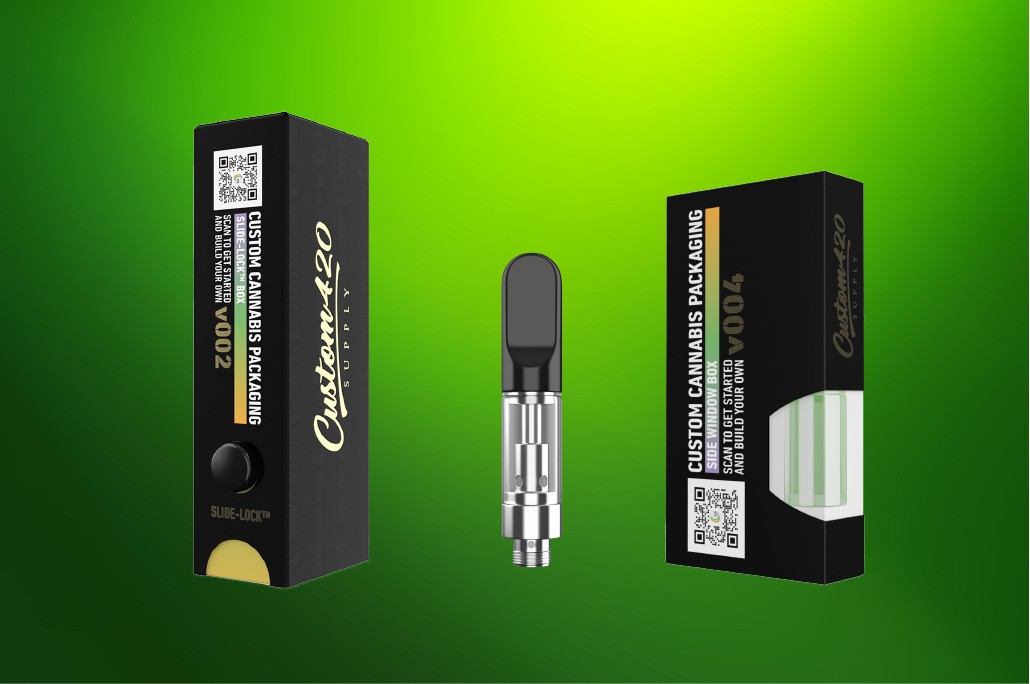
Knowing how to design the right vape box packaging is essential if you want to excel in this industry. However, there are a lot of elements to consider that many brands choose to ignore. Our guide is to ensure your brand stands out among the competition and follows local regulations.
9 Vape Box Packaging Tips
Not sure where to begin when designing your vape box packaging? Here are nine tips to consider:
1.) Know Your Target Audience
To begin, you should have a clear idea of your target audience. These include their:
Preferences
Socioeconomic background
Interests
These factors will play an essential role in how you create a vape cartridge packaging box. You want to ensure a design that resonates with your customers, compliments their lifestyle, and aligns with their aesthetic taste.
2.) Consider Your Brand Identity
You want to ensure your box design reflects your brand identity and core values. Therefore, you need consistent designs across your wholesale vape boxes (notably, if you have multiple product types). This will strengthen brand recognition and build customer trust.
3.) Highlight Important Information
Within the cannabis industry, customers seek out important pieces of information the moment they pick up a box. In some cases, this concerns the product inside (i.e. strain type or cannabinoid count). In others, this concerns whether or not a product meets state-compliant expectations.
Arrange the information on your custom disposable boxes in a clear and logical order. Emphasize essential details (i.e. flavor, strength, and product specifications) to ensure they’re easy to find and read at a glance.
4.) Enhance Your Box with Graphics and Illustrations
Once your information is in order, you want to design eye-catching vape packaging boxes that include bold graphics and illustrations. Incorporate captivating images that evoke emotions and capture the essence of your product and brand.
High-quality visuals can greatly enhance customer perception and elevate the appeal of your offerings.
5.) Make Typography Clear
You want the writing on your packaging to be readable and reflect your brand image. Opt for legible font styles that are easy to read, even in smaller sizes. As you develop the writing for your packaging, keep in mind your brand’s tone and the message you want to communicate.
6.) Only Use the Best Materials
Beyond the packaging design, you want to ensure the contents are safe and secure, especially during transportation. The best way to do so is by using the best materials.
We recommend robust cardboard or appropriately thick paperboard. Beyond protection, these materials can help to provide a polished look that increases perceived value.
7.) Consider Your Product’s Coloring
When it comes to marketing, your color palette is essential. If your brand is already established, there’s a good chance you’re already working off of a specific color selection. Keep this in mind as you go about your packaging design.
However, if you plan to incorporate new colors, it’s essential to consider vibrant ones. These are eye-catching and attention-grabbing, allowing you to stand out on store shelves and evoke emotions.
8.) Incorporate Structural Elements
Set your custom vape boxes apart by adding unique structural elements. These may include:
Windows
Inserts
Fold-out sections
Such elements allow for customer interaction and create a memorable unboxing experience.
9.) Know the Law and Regulations
When it comes to the cannabis industry, there are various regulations all products must adhere to. Admittedly, these differ by state and will require you to do a bit of research.
You must ensure your packaging follows the regulatory requirements and guidelines. Your vape box design will need to include the necessary warning labels, age restrictions, and other legal disclosures.
Furthermore, your design may need to meet certain state obligations. For example, most require a child-proof vape cartridge packaging box.
Final Word
As you can see, there’s a lot to consider when it comes to your vape packaging boxes. Naturally, you may not have the time to consider all these elements in specific detail. This is where Custom 420 comes in.
We offer customized vape boxing, crafted by our in-house team of designers. Want to learn more? We invite you to reach out through our contact form.
Vape Box Packaging FAQs
What are vape boxes called?
There’s no specialized name for vape boxes. In simple terms, a vape box is the packaging that holds a vaping product (i.e. cartridge, disposable, etc.).
What packaging does a vape come in?
Most vapes come in boxes that are designed rectangular, triangular, and cylindrical. However, some brands opt for other packaging options, such as plastic casings.
What’s the difference between a box mod and a vape?
Box mods are vapes, they’re just a different kind of vape. They have larger batter components and a wider mouthpiece. As such, they’re usually larger than pocket-sized vaping products.
Your cannabis box design is your customer’s first impression of your brand. So, you want to leave a good one. But how can you?
You need to consider essential elements for your cannabis display box design patent. These include the look of your brand and meeting state compliance labels.
Modern Cannabis Branding Problems
Cannabis sales have skyrocketed beyond expectations. In 2020 alone, U.S. sales saw a 67% increase, with the industry worth over $40 billion today. Still, behind all these statistics is an oversaturated market.
While plenty of cannabis experts are entering the space, many are uninformed of modern marketing practices and how to build a brand properly. Therefore, most packaging design concepts aren’t being considered for future-proof.
When it comes to branding, you need a design that makes people want your brand now and a decade from now. While there are many ways to go about this, the two most important factors are consumer trust and high-quality products.
But where do you go from here? And how do you get your brand’s values into the customer’s minds?
The Basics of Logo Design and Branding
In the world of cannabis, the marijuana leaf (a seven-pointed green leaf) has become the staple for both tetrahydrocannabinol (THC) and cannabidiol (CBD) brands.
There’s no denying this is an effective means of displaying the product inside your packaging. However, there’s one problem with this imagery. Everyone’s using it.
As a result, incorporating the marijuana leaf as a logo isn’t the most effective way for your brand to stand out. Some may consider it an easy branding method. So, what options do you have?
We recommend incorporating the triangle shape of the marijuana leaf into your logo, but not letting it dominate the imagery. This is an effective way to indicate this is a marijuana product without being too in the customer’s face.
Still, you can also just avoid the green leaf entirely. Some brands opt for their own logo style and use other marketing tactics to reach a cannabis audience. For example, you may have an ad campaign that displays your products deep in the woods, a favorite “smoke spot” for any connoisseur.
Cannabis Box Packaging Design
Your cannabis packaging design is one of the most essential elements of branding. Beyond your logo, it’s how customers identify with your brand. And for this identification, you must ensure your packaging meets your company’s values.
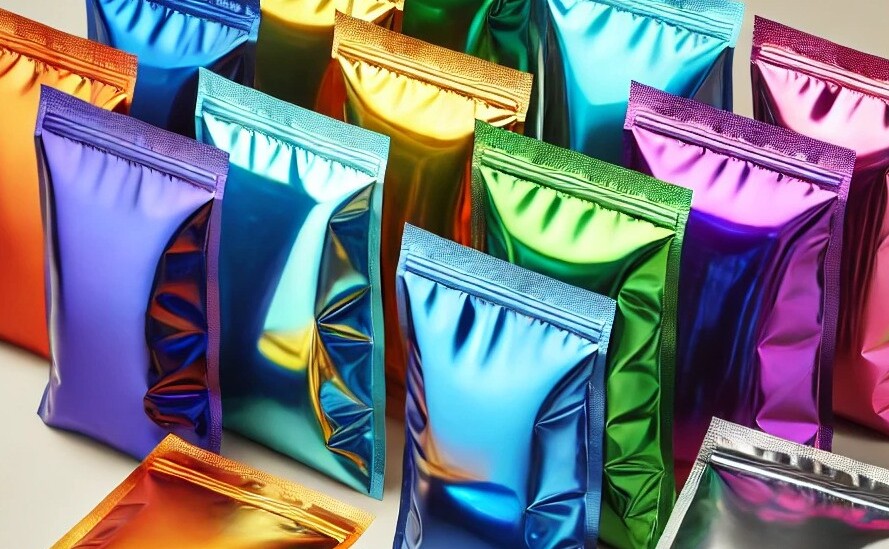
Naturally, you have plenty of packaging options for your product type. For example, cannabis flower is preferred in Mylar bags. Whereas, cannabis concentrates work best in small glass jars.
Still, you can take packaging a step further with a box. There are two purposes for using a box in addition to other cannabis packaging.
A product box packaging allows further design properties that can’t be matched in other containers, such as die-cut. These are usually made with a flip-top lid and designed to stand out on store shelves.
A mailing box that contains your cannabis product (or an assortment of products). Since this is the first physical experience your customer may have with your brand, you want to make a good first impression. This involves a memorable unboxing experience.
Cannabis Box Design Examples
If you’re not 100% sure how you want your brand to be represented, you have a lot of options. Truly, the only limitation is your creativity.
Still, we all need a starting point. Here are a few considerations for how to define your brand identity:
Luxury Design
Since cannabis is considered a therapeutic product, luxury branding has been a way to appeal to those who want the best of the best.
Most brands opt for black coloring as it indicates luxury, sophistication, and grace. You may match this color scheme with green to indicate cannabis products.
Still, you don’t need the color black to indicate luxury. An elegant packaging incorporating embroidery and shiny texts may be all you need to get your message across.
Colorful Design
Speaking of color, some brands opt for other colorful designs to appeal to different audiences. To give you a better idea of how color and marketing work:
Green – Represents nature and can appear calming.
Red – Stimulates excitement and can drive action.
Blue – Evokes trust and appeals to all genders.
Yellow – Fosters friendliness and stimulates cheerfulness.
Orange – Can appear energetic and creative.
Purple – Indicates sophistication and allure.
White – Provokes quality and simplicity.
Sustainable Design
Since cannabis is a natural product, it comes as no surprise most consumers prefer sustainable packaging. What does this mean?
In simple terms, it’s using recyclable packaging, usually made of cardboard or other biodegradable products. Such cannabis box designs ensure your brand is eco-friendly and can help build customer trust.
Legal Considerations
While cannabis may be legalized, not all forms of packaging are legal. Within the U.S., each state has its own laws and regulations concerning what’s allowed (and required) for cannabis packaging.
If you’re new to the industry, it’s essential to research your state’s requirements. While each differs slightly, some common requirements include:
Avoid using cartoon characters
Copyright infringements (i.e. using non-cannabis branding, like candy brands)
Product content (i.e. THC count)
Specific product labels (i.e. warning signs)
Final Word
As you can see, there’s a lot that goes into your cannabis box design. As such, you may feel overwhelmed about where to begin. That’s where Custom 420 comes in.
We help brands design logos and packaging to match this industry and their state’s requirements. Want to learn more? We invite you to reach out through our contact form.
Cannabis Box Design FAQs
What is the best packaging for cannabis?
While this depends on the product type, flower is best stored in a glass container within a paper box. This not only protects your product but also gives you the ability to customize the design of your packaging.
What is cannabis flower packaging?
Cannabis flower packaging comes in various shapes and sizes, from Mylar bags to glass jars. However, all flower packaging must be child-resistant, tamper-proof, and meet other legal compliances.
What is a cannabis pre-pack?
A cannabis pre-pack (or prepackaging) refers to a product already packaged before selling it to the customer. This is the safest method of cannabis transactions and a requirement in most states.
Your custom weed bags are more than just a way to preserve freshness. They’re your brand identity. Therefore, it’s in your interest to define the visual of this packaging. But what are the marketing purposes of these bags and how should you identify them?
First Impressions are Everything
Your marijuana packaging defines the product inside. Why? Custom cannabis bags act as your brand’s first impression. They establish the foundation for your customer relationship.
Naturally, there are a million ways you can go about your cannabis bag design. This will set the tone for your identity, it will implement your brand’s narrative, value, and quality.
Craft Your Brand’s Visual Identity
Personalization is the essence of uniqueness. By customizing your weed packs, you have the potential to reflect your brand’s voice.
Think about the tone you want to give to the customer. Are you a luxurious brand? Do you sponsor eco-friendly solutions? Are your products innovative and bold?
Whatever the case, custom weed bags ensure you get this image through to your customer.
Your Personalized Weed Bag is Your Brand Advocate
Whenever a customer purchases your product, the packaging alone becomes a free advertisement for others to see. Since traditional forms of advertisement are restricted in the cannabis industry, such exposure is everything.
Perception is Paramount
We’ve established that you want to leave a good first impression on customers. However, this impression will go beyond an initial reaction. It’s largely how your brand is perceived.
Perception is everything. Exotic weed bags with a thoughtful design suggest a higher-quality product. It softly notes that this product was crafted with tender love and care.
The Importance of the Environment
As the cannabis industry continues to expand, more are after brands that incorporate eco-friendly packaging materials. Beyond trends, this shows that you are a conscientious brand. That you care about your impact on the planet and, therefore, the quality of the products you supply.
Foster Loyalty with Unique Experiences
While personalized weed bags are great for first impressions, they can also ensure customer loyalty. The right customization can make customers feel they belong and are exclusive to a group. Such a mindset will ensure brand loyalty and ensure continuous purchases.
The Importance of Social Media
Is your custom bag of weed eye-catching? Does it have the type of design people want to share on their social media platforms?
You better hope so. Social media has become one of the most effective marketing tools out there. While your own social media strategy may be effective, nothing is as worthwhile as word of mouth.
In fact, a 2021 Nielson study found that 77% of customers are more likely to buy a product if their friends recommended it. Therefore, it’s in your interest to design a bag that will be shared across social media.
Safety First
Still, as important as brand identity is, it’s equally as important to ensure your packaging follows federal and state compliance laws. Since the cannabis industry is so new, people put their trust in brands that can leverage these regulations.
While each state is different, common requirements include:
Additive or contaminant information
Batch, license, and serial number of the cultivation facility
Custom weed bags are just containers for your cannabis, they’re a blend of utility, style, and ideology. Therefore, it’s in your interest to ensure your bags are customized with perfection. Not sure where to begin? That’s where Custom 420 comes in. If you want to learn more, we invite you to reach out through our contact form.
Personalized Weed Bags FAQs
What are weed bags called?
The term “weed bags” can refer to various packaging options. However, in most cases, it’s referring to Mylar bags. These are a popular solution as they’re odor-resistant, opaque, sturdy, and fairly impermeable.
How do weed bags work?
Weed bags protect the freshness of cannabis and preserve its odors.
How long does weed in a bag last?
While this depends on the type of bag used, most Mylar bags ensure cannabis stays fresh and potent for many months or even years.
A cannabis color palette isn’t just about aesthetics; it’s a key part of brand identity. In today’s competitive cannabis market, color does more than make packaging look good; it shapes how customers feel about a product before they even pick it up. Each shade carries emotional weight, influencing everything from perceived quality to purchase intent.
Research shows that up to 90% of first impressions are based on color alone, proving that choosing the right cannabis brand design colors can determine whether your brand stands out or gets lost on the shelf.
Key Highlights
The Power of Color – A well-chosen cannabis color palette influences consumer perception, evokes emotion, and drives purchase decisions, making it a critical element of brand strategy.
Strategic Application – Effective palettes align with brand personality, product type, and audience expectations, while maintaining legibility, consistency, and accessibility across all packaging and marketing channels.
Trends and Psychology – Modern cannabis brands leverage color psychology and design trends (like bold minimalism, tactile effects, and eco tones) to stand out, build trust, and create memorable brand experiences.
Why Color Matters in Cannabis Packaging
Color isn’t just visual; it’s psychological. In cannabis packaging, it plays a direct role in shaping consumer behavior. Studies show that most purchase decisions happen in seconds, often driven by emotional cues rather than logic. That means your cannabis branding color palette can be the deciding factor between a sale and a pass.
Here’s how the right palette can influence your brand’s success:
Capture attention. Vibrant, balanced colors help your products stand out on crowded dispensary shelves.
Communicate meaning. Different hues signal product type, quality, and even effects (like soothing greens for relaxation or energetic yellows for creativity).
Build loyalty. Consistent use of color across your packaging, website, and marketing creates familiarity and trust over time.
Boost recognition. A cohesive cannabis color palette can increase brand recall and trust by as much as 80%.
How to Build Your Cannabis Color Palette
Building an effective cannabis color palette starts with clarity: knowing your brand personality, understanding your audience, and defining the emotional response you want to create. Successful cannabis brands approach color strategically, using it as a visual language that connects product experience with consumer perception.
Here’s a practical framework to guide your process:
1. Define Your Brand Personality
Ask what your brand represents (luxury, wellness, creativity, calm, or energy). Each trait aligns with specific color choices. Keeping this consistent across packaging, marketing, and online channels reinforces your identity and strengthens brand recognition.
2. Connect Product Attributes to Color
Different cannabis products and strains naturally align with unique color families that reflect their effects and mood:
Indica – Deep purples and cool blues evoke calm and relaxation.
Sativa – Bright yellows, greens, and oranges express creativity and energy.
Hybrid – Soft greens, muted purples, and neutrals represent balance and harmony.
CBD Products – Clean whites, light greens, and blues signal purity and wellness.
3. Choose Primary, Secondary, and Accent Colors
Your primary color should communicate your brand’s core identity, while secondary and accent colors create depth and distinction between products or strains. This hierarchy keeps your design cohesive and visually engaging.
4. Test and Refine
Colors behave differently across packaging materials, digital screens, and lighting. Use mockups to test shelf appeal and online presentation. Refine until your palette delivers consistent impact everywhere your brand appears.
Color Psychology for Cannabis Brands
Color psychology plays a major role in shaping how consumers interpret the best color palette for cannabis brands.
Every hue carries emotional meaning and influences how your brand is perceived, from calming and trustworthy to bold and adventurous. Understanding these associations helps you choose colors that support your product’s purpose and connect authentically with your audience.
Below is a breakdown of how specific colors impact cannabis branding today:
Green: The Freshness of Nature
Symbolism – Growth, wellness, balance, and sustainability.
Use Case – Best for eco-conscious or natural cannabis brands that emphasize organic cultivation or holistic wellness.
Caution – Since green dominates the cannabis industry, rely on secondary tones or textures to keep your packaging distinctive.
Red: The Power of Excitement
Symbolism – Energy, confidence, and stimulation.
Use Case – Effective for bold, high-potency strains or products that evoke passion and intensity.
Caution – Use sparingly. Too much red can feel aggressive or signal danger.
Blue: The Psychology of Calm
Symbolism – Trust, reliability, and tranquility.
Use Case – Ideal for premium, medical, or wellness-focused cannabis lines that aim to inspire calm.
Caution – Overuse can create a cold or distant tone.
Yellow: The Brightness of Optimism
Symbolism – Creativity, happiness, and warmth.
Use Case – Perfect for sativa-dominant or mood-boosting products.
Caution – Excessive yellow may cause visual strain or anxiety.
Orange: The Vibrancy of Youth
Symbolism – Enthusiasm, confidence, and playfulness.
Use Case – Appeals to younger audiences and lifestyle-driven brands.
Caution – Less suitable for luxury or medical-focused products.
Purple: The Richness of Sophistication
Symbolism – Royalty, mystery, and relaxation.
Use Case – Works well for indica strains or upscale cannabis brands.
Caution – Deep purples can feel heavy without balancing lighter accent colors.
Pink: The Playfulness of Expression
Symbolism – Creativity, approachability, and warmth.
Use Case – Common in feminine or lifestyle-focused cannabis branding.
Caution – Can appear gendered. Ensure to balance with neutral or natural tones.
Black: The Elegance of Minimalism
Symbolism – Power, exclusivity, and sophistication.
Use Case – Perfect for minimalist or premium cannabis products.
Caution – May appear harsh without metallic or bright accents for contrast.
White: The Purity of Simplicity
Symbolism – Cleanliness, clarity, and quality.
Use Case – Ideal for CBD and wellness brands that emphasize purity and transparency.
Caution – Can feel sterile if not paired with soft neutrals or natural textures.
Sample Cannabis Color Palettes (with HEX Examples)
Below are a few ready-to-use cannabis color palettes that illustrate how tone can align with product purpose.
Relax (Indica) Palette
Deep Plum – #4B244A
Midnight Blue – #2B3A67
Sage Green – #A3B18A
Energy (Sativa) Palette
Bright Lime – #C1FF72
Warm Yellow – #FFD60A
Burnt Orange – #FF6F00
Wellness (CBD) Palette
Soft Blue – #B5D3E7
Cream – #F5F3E7
Olive Green – #7C9473
Luxury (Premium Brand) Palette
Jet Black – #0B0C10
Gold Accent – #D4AF37
Ivory – #FAF6F0
Trends in Cannabis Color Design
Modern cannabis packaging color trends reflect a shift toward sophistication and sensory appeal.
Today’s leading brands are moving away from clichéd “green leaf” visuals and experimenting with textures, contrast, and emotion-driven color combinations. The goal isn’t just to look appealing; it’s to communicate values like sustainability, creativity, and premium quality through design.
Here are some of the most effective color trends shaping the cannabis industry:
Matte black with metallic accents – Creates a sleek, high-end look that appeals to luxury consumers.
Retro typography with pastel hues – Combines nostalgia with approachability, perfect for lifestyle or wellness brands.
Eco-inspired tones – Earthy greens, natural neutrals, and recycled textures signal environmental responsibility.
Fluorescent pops on dark bases – Bright accents highlight product details and attract attention on both shelves and screens.
These design approaches balance visual impact with brand storytelling, helping products stand out in dispensaries and digital marketplaces alike.
Practical Tips for Color Application
Choosing your cannabis color palette is only half the job: how you apply it determines how effective your branding will be. Thoughtful color use improves readability, builds trust, and ensures your design works across every touchpoint, from packaging to digital ads.
Here are a few practical tips to get it right:
Prioritize contrast and legibility. Make sure strain names, dosage details, and legal information remain clear against background colors. High-contrast designs enhance both readability and compliance.
Maintain visual consistency. Use the same hues and tones across product lines to create instant brand recognition and cohesive storytelling.
Check accessibility. Test your color palette with color-blindness simulators or online accessibility tools to ensure all customers can engage with your design.
Match color to brand emotion. Every shade should align with your brand’s story, target audience, and desired emotional impact, whether it’s calm, creativity, or luxury.
Final Word
A thoughtful cannabis color palette does more than make your packaging look appealing; it creates emotional resonance. When color choices align with your brand story and audience values, they become powerful tools for connection and recognition.
By understanding color psychology and applying it with intention, cannabis brands can craft designs that stand out, build trust, and inspire loyalty. From calming greens to bold metallics, every hue has the potential to influence how consumers feel and what they choose.
Color isn’t just visual; it’s strategic. When used effectively, it strengthens identity, drives sales, and helps your brand leave a lasting impression in an increasingly competitive market.
Looking to create a cannabis color palette that truly connects with your audience? Custom 420 Supply can help. Our team of in-house designers works directly with brands to craft color strategies that elevate packaging, convey your story, and make your products unforgettable. We invite you to reach out through our contact page today!
Frequently Asked Questions (FAQs)
What color palettes work best for cannabis brand identity?
Effective palettes align with your brand personality and product type. Greens, purples, and blues communicate wellness or relaxation, while oranges and yellows convey energy and creativity. Luxury lines often use black, gold, and cream for sophistication.
How do color psychology and cannabis branding intersect?
Color psychology influences consumer perception, emotion, and purchasing decisions. By choosing colors that reflect your brand’s story and product effects, a cannabis color palette can trigger trust, excitement, or calm, directly impacting conversions and loyalty.
What are emerging color palette trends in cannabis product packaging?
Current trends include bold minimalism, retro-inspired pastels, eco-friendly earthy tones, and metallic accents. Fluorescent highlights and tactile finishes are also popular, helping products stand out on shelves and in digital marketplaces.
As we progress through the 2020s, design trends are changing. We see a surge in classical elements matched with specific Pantone color schemes. Throughout this article, we’ll seek the five best cannabis design trends for your brand.
The Surge of Fluorescent Colors
In the vibrant world of graphic design for 2024, a thrilling trend is the adoption of luminous and vivid color schemes. Designers across the spectrum (from digital interfaces to print and branding) apply palettes that captivate and make a bold statement. Electric yellows, bold blues, vivid oranges, and lively greens are at the forefront. They transform mundane visuals into fresh and modern masterpieces.
This resurgence of fluorescent colors is not just about being seen; it’s about being remembered, allowing designs to communicate vibrant visual tales that resonate deeply. Hit movies like Barbie and popular sportswear trends from the top brands continue to keep these color schemes relevant.
The Essence of Minimalist Design
Amidst the color explosion, minimalism maintains its timeless allure, proving its enduring relevance in 2024’s design ethos. With its core philosophy of ‘less is more,’ minimalism elevates simplicity to an art form.
It focuses on essential elements and embraces clean lines and generous white spaces, minimalist designs achieve a serene elegance. This restrained approach enhances message clarity, leveraging a limited color palette and refined typography to deliver pinpoint messages. In a world of visual noise, minimalism’s whisper often carries the most weight.
While this might seem like a contrast to loud florescent colors, these trends could flow together for a modern take on design trends. This could be a nice play on bold minimalism which embellishes the focal elements. Therefore, it can further enhance the contrast against a minimal background on cannabis packaging designs.
The 3D Design Evolution
3D design has witnessed a significant renaissance in 2024, becoming more accessible than ever. Innovations like Adobe Illustrator’s “Inflate” feature simplify 3D design and invite a broader spectrum of creators to explore this dimension.
Gone are the days when 3D design was the exclusive domain of specialized designers. Today, the integration of 3D elements ranges from subtle enhancements in layouts to intricate masterpieces. This signals an era where 3D’s potential has only begun to be tapped into.
3D Render tools (i.e. Blender) allow for simplified interactive 3D content. To take 3D design and animation to the next level, designers have adopted web design elements.
Nostalgia and Retro Revival
As the digital age accelerates, there is a desire for retro and vintage designs. This trend taps into the power of nostalgia and offers an escape into the ‘good old days’ of design. The resurgence of grainy visuals, cartoon characters, and a palette reminiscent of yesteryears not only delights the senses but also reconnects us with the heartfelt creativity of the past.
Vintage minimalism, a fusion of classic and contemporary, has gained momentum, marrying the simplicity of minimalism with the charm of retro aesthetics. Many famous brands have relaunched retro designs for retail products and advertising campaigns. Therefore, it’s easy to see why this trend has been adopted for cannabis brand identity.
The Craft of Upscale Printing
In an increasingly digital landscape, the allure of end-to-end print experiences is stronger than ever. 2024 sees a revival in sophisticated printing techniques, from the time-honored crafts of embossing/foiling to the innovative use of materials (i.e. post-consumer paper stocks and kraft paper).
These methods infuse print designs with unparalleled depth and texture, offering a tangible counterpoint to the ephemeral nature of digital media. As we move through 2024, the interplay of advanced technology and traditional craftsmanship redefines the boundaries of graphic design. It creates memorable experiences that engage both sight and touch.
In summary, 2024’s cannabis design trends are a dynamic blend of the past and future, where the vibrancy of fluorescent colors, the clarity of minimalism, the innovation of 3D design, the nostalgia of retro influences, and the tactile richness of upscale printing converge to redefine visual communication.
The cannabis industry has exploded in popularity, bringing forth an urgent need for standardized packaging and labeling. If you’re in the business of these products, mastering cannabis compliance labels isn’t just about following the rules. It’s about building customer trust and protecting your brand from cost penalties. Let’s break it down.
Key Regulations for Cannabis Labeling Compliance
Regulations may vary based on your jurisdiction, but some essential elements apply almost everywhere. Here’s what you need to include to ensure cannabis labeling compliance:
Product Information – Clearly state the product name, strain, and type.
THC and CBD Content – Accurately list percentages of tetrahydrocannabinol (THC) and cannabidiol (CBD) to keep consumers informed.
Safety Warnings – Include potential side effects, proper usage instructions, and legally required warning symbols.
CA Prop 65 Warning – If your cannabis products are sold in California, a CA Prop 65 warning may be required to notify consumers about potential exposure to harmful chemicals.
How to Ensure Compliance for Cannabis Labels
Staying compliant with cannabis label regulations requires a proactive approach. Consider the following steps:
Stay Up to Date on Regulations – Laws change frequently, so it’s essential to monitor federal and state regulations. Each state has a unique set of rules regarding cannabis packaging and labels. Therefore, you’ll want to check with local regulatory agencies.
Consult with Compliance Experts – If you’re unsure whether labels meet all the requirements, work with professionals who specialize in cannabis compliance. A legal expert can help you avoid costly mistakes.
Regularly Audit and Update Labels – Schedule periodic reviews of your labels to ensure they still align with the latest laws. Compliance isn’t a one-time effort, it’s an ongoing process.
Best Practices for Cannabis Compliance Labels
Beyond meeting legal requirements, well-designed labels can enhance your brand and improve customer trust. To create labels that are compliant and effective, consider the following:
Use Clear, Readable Typography – Your labels should be easy to read, especially important details like THC and CBD content.
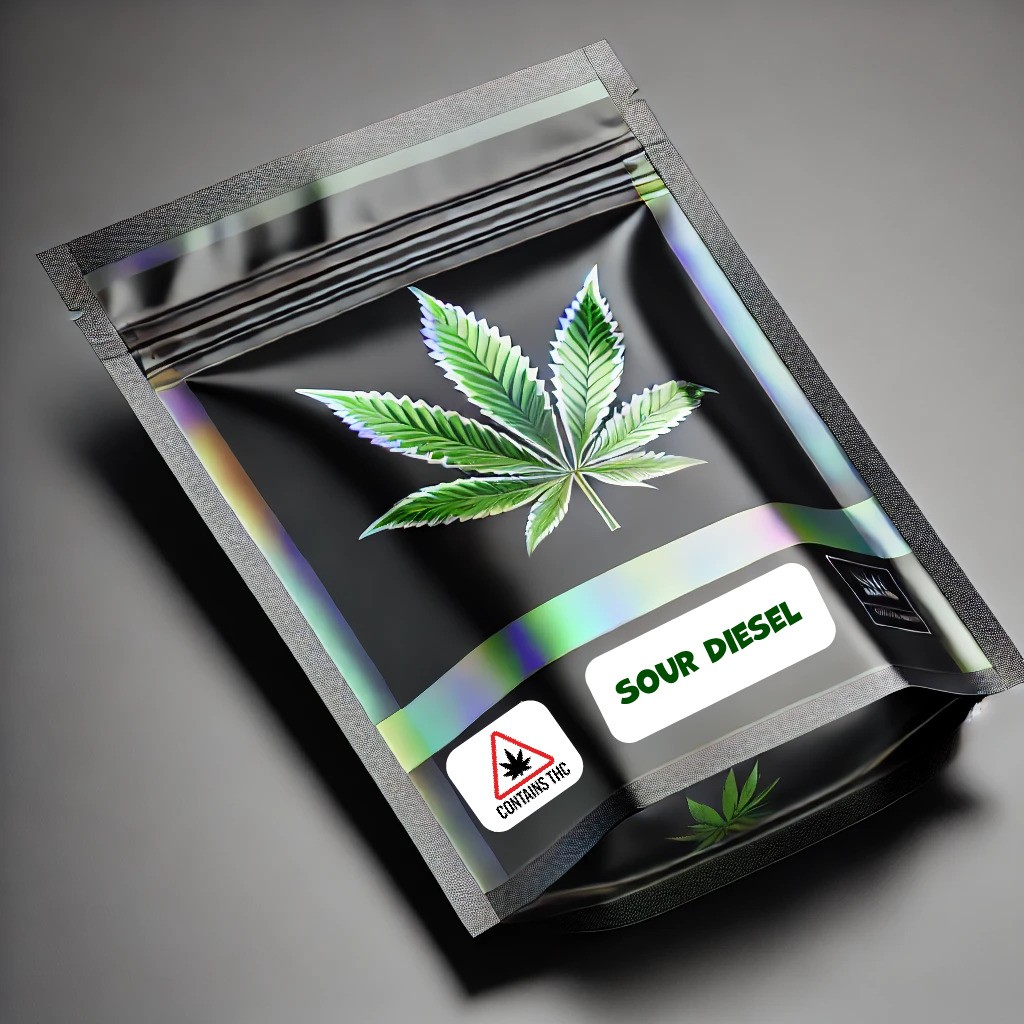
Include Symbols that Matter – Regulatory bodies require specific symbols, such as the universal cannabis warning icon. Make sure yours are accurate and properly placed.
Add QR Codes – These can link to additional information, such as lab results, ingredient details, or safety guidelines, enhancing transparency.
Choose Durable Materials – Labels should withstand handling, moisture, and temperature changes to prevent fading and peeling.
Common Cannabis Labeling Mistakes to Avoid
Even small errors on a label can result in hefty fines or recalls. Here are some pitfalls to watch out for:
Misprinting THC/CBD Content – Even minor discrepancies can lead to regulatory action.
Using Misleading Imagery – Avoid cartoonish designs or anything that might appeal to children.
Ignoring Font Size Requirements – Regulations may specify minimum font sizes crucial for information. Double-check your local jurisdiction.
Final Word: Stay Ahead in Cannabis Label Compliance
The cannabis industry is evolving rapidly, and staying in line with cannabis compliance labels is essential for success. By keeping up with regulations, designing clear and informative labels, and avoiding common pitfalls, your brand can stand out for the right reasons.
Cannabis compliance refers to adhering to state and federal laws regarding the cultivation, sale, packaging, and labeling of cannabis products. This ensures customer safety and regulatory adherence.
Can you put your own label on CBD products for retail?
Yes, but only if the product meets all cannabis labeling compliance regulations. Private labeling is common, but retailers must ensure their labels meet legal requirements before selling.