Antique Marijuana Ad Jar Label: Inspiration for Modern Cannabis Branding

Antique Marijuana Ad Jar Label: Inspiration for Modern Cannabis Branding

Cannabis packaging has changed a lot over the past century. Today, brands use sleek glass jars, bold graphics, and QR-coded labels to attract customers. Before this modern approach, cannabis was sold in hand-crafted jars featuring antique marijuana ad jar labels.

These labels caught the eye, built trust, and reflected the brand’s identity. Beyond nostalgia, these historic designs offer valuable inspiration for today’s cannabis businesses looking to stand out in a competitive market.

The History of Antique Marijuana Jar Labels

At the turn of the 20th century, cannabis was mostly sold as a medicinal product. Apothecaries and early retailers used decorative labels to convey professionalism and quality.

These labels often featured detailed illustrations, elegant typography, and vibrant colors, helping to establish trust and authenticity. They were more than just packaging; they created the brand’s first impression.

Early designs included botanical drawings of the cannabis plant, hand-lettered brand names, and claims of medicinal benefits. Labels were made from paper glued directly to jars or embossed tin lids with colorful decals.

While they feel vintage today, their purpose was the same as modern cannabis packaging: building consumer trust and brand recognition.

Key Design Elements of Antique Labels

Examining antique marijuana ad jar labels highlights several recurring design elements:

  • Typography – Bold, decorative fonts that emphasized the brand name.
  • Illustrations – Botanical drawings or ornate borders that made the product visually striking.
  • Colors – Rich, contrasting colors to improve visibility and memorability.
  • Materials – Paper, tin, or glass-based labels designed to withstand storage and shipping.

These choices were deliberate, communicating quality and reliability to consumers. Today, cannabis brands can draw inspiration from these elements to create packaging that feels artisanal, premium, or nostalgic, while meeting modern safety and compliance standards.

Lessons for Modern Cannabis Packaging

What can today’s cannabis businesses learn from antique labels? Here are key takeaways:

  • Make Your Brand Memorable – Use bold visuals and clear branding to stand out on shelves, just like vintage labels did.
  • Tell a Story – Include elements that reflect your brand’s history, values, or craftsmanship. Authenticity resonates with consumers.
  • Combine Style with Compliance – Antique labels prioritized aesthetics, but modern packaging must also meet legal standards. Smart design balances both.
  • Use Premium Materials – High-quality jars and labels elevate perceived value, echoing the care seen in historic packaging.

By applying these lessons alongside modern branding trends, cannabis businesses can create packaging that attracts attention, builds trust, and drives sales.

Custom Label Solutions for Cannabis Businesses

Modern cannabis brands don’t need to recreate antique designs from scratch. Custom jar labels let businesses integrate vintage-inspired aesthetics while ensuring durability, accurate color reproduction, and compliance with state regulations.

Options like full-color wraps, embossed decals, or matte-finish designs allow brands to honor the artistry of historic labels while meeting today’s business and legal requirements.

Final Word

Antique marijuana ad jar labels offer more than a glimpse into cannabis history; they provide a roadmap for innovative, eye-catching packaging today. By learning from these vintage designs and investing in high-quality, custom labeling, cannabis brands can create products that are both visually striking and commercially effective.

Do you want to add a vintage spin to your product and aren’t sure where to begin? Why not get customized antique labels for your marijuana packaging? Custom 420 Supply can help you create this design while ensuring all labels are compliant with your state.

Want to learn more? We invite you to reach out through our contact page today!

What Does the Process of Custom Cannabis Label Printing Look Like?

What Does the Process of Custom Cannabis Label Printing Look Like?

Custom cannabis label printing is a multi-faceted process that blends the following elements:

We invite you to follow along as we explore the key steps in crafting the perfect label that meets legal standards and captivates customers.

Understand the Regulatory Requirements

Before diving into the perfect label design, you must familiarize yourself with specific labeling regulations. Admittedly, these vary by state, and your regulations will look different than others. Still, most states, follow a similar protocol, which requires:

  • Product identity, including brand name and strain
  • Net weight or volume
  • Tetrahydrocannabinol (THC) and cannabidiol (CBD) content
  • List of solvents or diluents used
  • Manufacture or packaging date
  • Expiration date
  • Manufacturer or distributor information
  • Usage Instructions
  • Required warnings (i.e. “not safe for children”)

By adhering to these guidelines, you’re not just following the law. You’re showing customers that your brand is trustworthy.

Design Your Label

An effective label design should reflect your brand identity while providing clear and concise information. To achieve this, you’ll want to consider the following elements:

  • Brand Consistency – Ensure your label aligns with your overall brand aesthetics. This includes consistent colors, fonts, and imagery.
  • Typography – Incorporate fonts that are legible and appropriate to your brand’s personality.
  • Imagery – Select high-quality images or graphics that resonate with your target audience.

Remember, your label is a primary touchpoint with consumers. Therefore, you want to make it engaging and informative.

Select the Right Materials

Choosing the right label material is essential for durability, aesthetics, and brand identity. Whether you want a sleek, professional look or eco-friendly appeal, the right material will elevate your cannabis custom printed labels.

At Custom 420, we offer the following options:

  • Gloss Paper – Ideal for a high-impact, polished look, gloss paper labels enhance colors with a smooth, shiny finish. This is a great option for jars, pouches, and other packaging that demands a professional touch.
  • BOPP (Biaxially Oriented Polypropylene) – Water-resistant and highly durable, BOPP labels maintain adhesion and a sleek appearance.
  • Kraft Paper – If you want an organic and eco-conscious appeal, Kraft paper labels bring a rustic and natural touch to your cannabis branding.
  • Black Paper – Bold and sophisticated, black paper labels add a luxurious and exclusive feel to your packaging.
  • Metallic Foil – Make your products stand out with metallic foil labels that create a reflective, high-end finish, perfect for premium cannabis branding.
  • Holographic Foil – Add a modern, eye-catching twist with shimmering, multidimensional holographic foil labels.
  • Rainbow Prism Foil – Want to turn heads? Rainbow prism foil labels offer a vibrant, dynamic finish that ensures your cannabis brand pops on the shelf.

Print Your Labels

Once you get to cannabis custom label printing, you have two options to choose from:

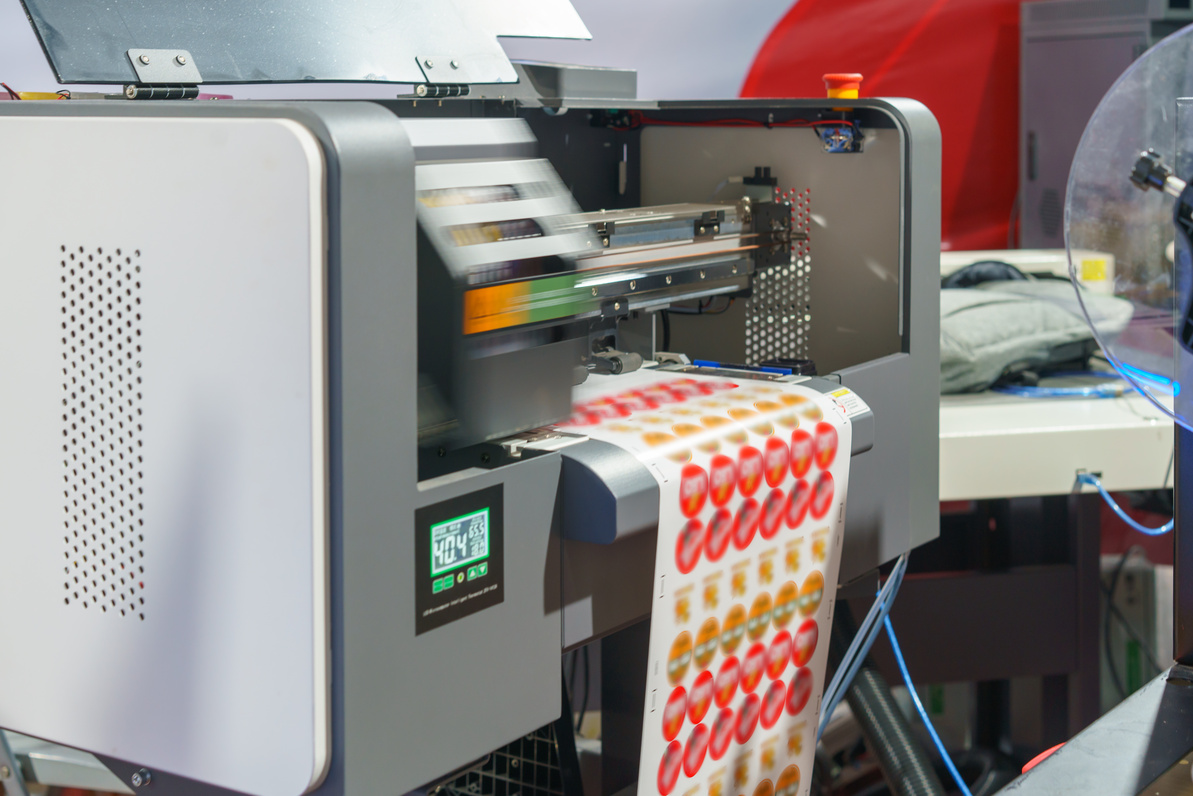
  • In-House Printing – Offers flexibility, especially when regulations change frequently. Invest in a quality digital color cannabis label printer to allow for quick adjustments and long-term cost savings.
  • Outsourcing – Ideal for larger volumes or when specialized printing techniques are required (i.e. spot UV). If you decide to outsource, you’ll want to ensure your printing partner is keen on cannabis label regulations and maintains compliance with your labels.

Application and Quality Control

Proper application ensures labels adhere correctly and maintain their appearance. Whether applying labels manually or using automated systems, consistency is key.

You’ll want to implement quality control measures to ensure the proper alignment, adhesion, and print quality. Furthermore, when you design a new label, you’ll want to double-check to make sure the product meets your brand’s standards.

Final Word

The process of custom cannabis label printing may be too much for your business to take on. Under such circumstances, we recommend outsourcing from a trusted partner.

That’s where Custom 420 Supply comes in. Our custom cannabis label solutions are made to meet your brand’s expectations and match current state compliance. Want to learn more? We invite you to reach out through our contact page.

Gloss vs. Matte Laminate: Choosing the Right Finish for Your Printing Needs

Gloss vs. Matte Laminate: Choosing the Right Finish for Your Printing Needs

When selecting the perfect finish for your printing projects, deciding between gloss vs. matte laminate is crucial. Each finish offers unique benefits and aesthetic appeals, making them suitable for various applications. This article provides a detailed comparison to help you make an informed decision tailored to your packaging needs.

Understanding Gloss Laminates

Gloss laminates are renowned for their vibrant and shiny finish. This type of laminate is ideal for enhancing the color depth and vibrancy of printed materials. The reflective surface adds a dynamic visual appeal and draws attention, making it a popular choice for marketing materials such as brochures, photos, and covers.

Benefits of Gloss Laminate:

  • Enhanced Color and Brightness: Gloss laminate amplifies the colors of the underlying print, making images appear more vivid and striking. This can be particularly beneficial for graphical prints where high impact is desired.
  • Durability and Protection: The shiny surface of gloss laminate is less prone to scratching and dirt, providing excellent protection for frequently handled items.
  • Professional Appearance: Glossy finishes are often associated with a more professional and polished look. This is essential for business presentations or promotional materials.

Exploring Matte Laminates

Matte laminate offers a subtle, elegant finish perfect for those seeking a more understated look. Unlike its glossy counterpart, matte laminate reduces glare and reflection, which makes it an ideal choice for products that require frequent viewing under varied lighting conditions.

Benefits of Matte Laminate:

  • Reduced Glare: The non-reflective surface ensures that documents and materials are easier to read, even under intense light.
  • Fingerprint Resistance: Matte finishes are better at hiding fingerprints and smudges, maintaining a clean and professional appearance over time.
  • Sophisticated Visual Appeal: The soft and smooth texture of matte laminate adds a layer of sophistication, enhancing the overall aesthetic of printed materials.

Incorporating Laminate Choices into Design

Understanding the impact of each laminate type on the final product is essential for designers. It’s important to consider each finish’s aesthetic aspects and practical implications. For instance, while gloss might enhance the colors of a design, it could also introduce issues with glare under certain lighting conditions. Similarly, while matte might enhance readability, it may also mute certain colors and details.

Optimizing Your Print Materials for Desired Outcomes

To maximize the effectiveness of your printed materials, consider the following tips:

  • Test Different Laminates: Before finalizing your print order, test both gloss and matte finishes to see which brings out the best in your design.
  • Consult with Professionals: Graphic designers and printing experts can provide valuable insights into which laminate would best suit your project’s needs.
  • Consider Your Audience/Brand: Consider the preferences and expectations of your audience. What finish would they find most appealing or appropriate?

Conclusion

Choosing between gloss vs. matte laminate involves more than just aesthetic preference; it requires thoughtful consideration of how each finish will enhance the functionality and appeal of your printed materials. Whether you aim for durability and vibrancy with gloss or sophistication and readability with matte, the right choice will elevate your project and ensure it makes the lasting impression you desire.

Elevate Your Brand with Custom Cannabis Label Services

Elevate Your Brand with Custom Cannabis Label Services

The cannabis industry is booming, and with more brands entering the market, standing out is more crucial than ever. With that, custom cannabis label services are more important than ever.

Custom cannabis labels are your key to market distinction and safety, serving a dual purpose. They’re not merely vessels for compliance but a canvas for your brand’s story.

Why Custom Cannabis Labels Matter

Brand Distinction in a Saturated Market

With so many options available, how do you ensure consumers choose your products over others?

Custom dispensary packaging lets you showcase your brand identity. Whether it’s bold colors, sleek finishes, or unique textures, the right cannabis packaging labels create an eye-catching look and your product will become instantly recognizable.

Navigating the Legal Landscape

Cannabis regulations vary by state, making compliance a moving target. Investing in custom cannabis label services ensures your packaging meets all necessary guidelines while keeping your branding strong.

Proper labeling protects your business from fines and recalls while informing consumers about elements such as:

  • Dosage
  • Ingredients
  • Safety precautions

Consumer Confidence and Loyalty

Customers today want transparency. A well-designed weed label doesn’t just look good—it reassures buyers that your product is safe, legal, and high quality.

Clear and informative 420 packaging boosts consumer confidence, which leads to repeat purchases and strong brand loyalty.

Sustainability: A Silent Salesman

Eco-friendly packaging is more than just a trend—it’s a statement. Using sustainable packaging materials in your custom dispensary packaging shows that your brand cares about the planet.

Many consumers actively seek out brands that prioritize green packaging. This makes it a great way to align with customer values and differentiate your business.

Why Choose Custom 420 for Your Cannabis Labels?

At Custom 420 Supply, we specialize in high-quality custom cannabis label services tailored to the unique needs of cannabis businesses. We understand the industry’s challenges and offer various labeling solutions. These include vibrant customizable designs and eco-friendly options.

Whether you need compliant cannabis packaging labels, unique 420 supply solutions, or standout weed labels, we’ve got you covered. Let’s create packaging that not only meets regulations but also helps your brand thrive.

Ready to Upgrade Your Cannabis Packaging?

Investing in custom cannabis label services is a game-changer for your brand. Don’t settle for generic—let your packaging work for you. Contact us today to explore options and give your products the standout branding they deserve.

Custom Cannabis Label Services FAQs

What is the biggest problem with cannabis labeling?

The biggest issue with cannabis labeling is compliance with ever-changing regulations. Each state or country has different requirements regarding product information, warnings, and branding restrictions.

Failing to meet these regulations can result in fines, product recalls, or even legal action. Custom cannabis label services help ensure compliance while maintaining strong branding.

What is the TAC on a cannabis label?

TAC stands for Total Active Cannabinoids. It represents the sum of all active cannabinoids in a product, such as tetrahydrocannabinol (THC) and cannabidiol (CBD). This metric helps consumers understand the potency and effects of a cannabis product.

What is the government warning on cannabis packaging?

Cannabis packaging must include a government-mandated warning to inform consumers about potential health risks. The exact wording of this warning varies by location, but common statements are about age restrictions, health risks, impairment, keeping products out of reach of children.

Mastering Cannabis Compliance Labels: Guidelines and Best Practices

Mastering Cannabis Compliance Labels: Guidelines and Best Practices

The cannabis industry has exploded in popularity, bringing forth an urgent need for standardized packaging and labeling. If you’re in the business of these products, mastering cannabis compliance labels isn’t just about following the rules. It’s about building customer trust and protecting your brand from cost penalties. Let’s break it down.

Key Regulations for Cannabis Labeling Compliance

Regulations may vary based on your jurisdiction, but some essential elements apply almost everywhere. Here’s what you need to include to ensure cannabis labeling compliance:

  • Product Information – Clearly state the product name, strain, and type.
  • THC and CBD Content – Accurately list percentages of tetrahydrocannabinol (THC) and cannabidiol (CBD) to keep consumers informed.
  • Safety Warnings – Include potential side effects, proper usage instructions, and legally required warning symbols.
  • CA Prop 65 Warning – If your cannabis products are sold in California, a CA Prop 65 warning may be required to notify consumers about potential exposure to harmful chemicals.

How to Ensure Compliance for Cannabis Labels

Staying compliant with cannabis label regulations requires a proactive approach. Consider the following steps:

  1. Stay Up to Date on Regulations – Laws change frequently, so it’s essential to monitor federal and state regulations. Each state has a unique set of rules regarding cannabis packaging and labels. Therefore, you’ll want to check with local regulatory agencies.
  2. Consult with Compliance Experts – If you’re unsure whether labels meet all the requirements, work with professionals who specialize in cannabis compliance. A legal expert can help you avoid costly mistakes.
  3. Regularly Audit and Update Labels – Schedule periodic reviews of your labels to ensure they still align with the latest laws. Compliance isn’t a one-time effort, it’s an ongoing process.

Best Practices for Cannabis Compliance Labels

Beyond meeting legal requirements, well-designed labels can enhance your brand and improve customer trust. To create labels that are compliant and effective, consider the following:

  • Use Clear, Readable Typography – Your labels should be easy to read, especially important details like THC and CBD content.
  • Include Symbols that Matter – Regulatory bodies require specific symbols, such as the universal cannabis warning icon. Make sure yours are accurate and properly placed.
  • Add QR Codes – These can link to additional information, such as lab results, ingredient details, or safety guidelines, enhancing transparency.
  • Choose Durable Materials – Labels should withstand handling, moisture, and temperature changes to prevent fading and peeling.

Common Cannabis Labeling Mistakes to Avoid

Even small errors on a label can result in hefty fines or recalls. Here are some pitfalls to watch out for:

  • Misprinting THC/CBD Content – Even minor discrepancies can lead to regulatory action.
  • Using Misleading Imagery – Avoid cartoonish designs or anything that might appeal to children.
  • Ignoring Font Size Requirements – Regulations may specify minimum font sizes crucial for information. Double-check your local jurisdiction.

Final Word: Stay Ahead in Cannabis Label Compliance

The cannabis industry is evolving rapidly, and staying in line with cannabis compliance labels is essential for success. By keeping up with regulations, designing clear and informative labels, and avoiding common pitfalls, your brand can stand out for the right reasons.

Ready to upgrade your labels? Get a free quote on our custom cannabis labels page!

Cannabis Compliance Labels FAQs

What is cannabis compliance?

Cannabis compliance refers to adhering to state and federal laws regarding the cultivation, sale, packaging, and labeling of cannabis products. This ensures customer safety and regulatory adherence.

What are the requirements for CBD labels?

CBD product labels must include the following:

– Cannabinoid content
– Ingredient lists
– Manufacturer details
– State-specific disclosures
– Warning statements

Can you put your own label on CBD products for retail?

Yes, but only if the product meets all cannabis labeling compliance regulations. Private labeling is common, but retailers must ensure their labels meet legal requirements before selling.

What is Spot UV?

What is Spot UV?

Spot UV, also known as spot gloss or spot varnish, is a print finishing method that adds a shiny, raised coating to specific parts of a design. This coating is cured with ultraviolet (UV) light, making the selected areas (such as logos or text) stand out with a glossy finish.

Spot UV works best when used on a matte or uncoated surface, creating a strong contrast. It’s often for:

  • Business cards
  • Brochures
  • Postcards
  • Product packaging
  • Mylar bags
  • Jar labels to give them a more polished and professional appearance.

We invite you to follow along as we take a deeper look into this printing technique and whether or not it’s right for your products.


Key Takeaways

  • What Spot UV Is – A printing technique where a glossy, UV-cured coating is applied to specific areas (like logos or text) for a raised, eye-catching finish.
  • Why It Matters for Branding – Spot UV adds luxury, tactile contrast, and visual focus, especially effective on custom packaging like mylar bags and cannabis jar labels.
  • How to Use It Effectively – Use on smooth, thick substrates with a precise mask file; ideal for accentuating logos, titles, and brand elements without overwhelming the design.

How Does Spot UV Work?

The process begins during the design stage. A separate black-and-white file, called a UV mask, is created to show exactly where the glossy coating will go. This file acts as a guide, marking which areas (such as text, logos, or patterns) will receive the UV treatment.

Next, the full-color design is printed on the material using either digital or offset printing. This creates the base layer that includes all the images, colors, and text. Once the base layer is printed, the UV mask is used to apply a clear varnish to the marked spots. This is done through screen printing or with a plate, depending on the method used.

After the varnish, the print goes under ultraviolet (UV) lights. These lights cure the varnish instantly, turning it into a solid, glossy finish. The result is a high-shine effect that contrasts sharply with the matte or uncoated background.

Finally, the printed piece is trimmed, folded, or enhanced with other finishes like embossing. Each item is then checked for accuracy to make sure the UV coating aligns properly with the design.

Why Use Spot UV?

Spot UV printing offers both style and function. It helps designs stand out, feels good to the touch, and protects the surface. Here’s a closer look at the main reasons brands choose this technique:

  • Visual Impact and Contrast
    Spot UV highlights specific parts of a design (like logos, text, or graphics) by making them glossy against a matte background. This creates depth and draws attention to key elements, making your print look sharper and more professional.
  • Tactile Engagement
    The raised glossy texture gives people something to feel as well as see. This physical detail adds sensory interest and makes the piece more memorable.
  • Durability
    This technique isn’t just for looks. The UV coating adds a layer of protection that helps resist:
    • Moisture
    • Scratches
    • Fingerprints
    • Smudges
    • Fading
  • Fast and Eco-Friendly
    UV coatings cure instantly under ultraviolet light. They contain no volatile organic compounds (VOCs), so they’re safer for the environment and speed up production.
  • Stronger Brand Appeal
    Spot UV sends a clear message of quality. When used on packaging, business cards, or promotional materials, it can help your brand look polished and high-end, without the need for more expensive materials.
Why Use Spot UV?

Styles and Combinations

Spot UV has multiple uses to achieve unique visual and textural effects.

One popular method is Blind Spot UV, where the gloss is applied without any ink underneath. This creates a subtle, almost hidden pattern that becomes visible only when light hits it at the right angle. It’s a sleek way to add detail without overwhelming the design.

Another common approach is to apply the technique over matte lamination, matte varnish, or soft-touch finishes. The glossy areas stand out boldly against the dull background, creating a rich contrast that both looks and feels high-end. This combination enhances depth and gives printed materials a premium, polished finish.

Tips for Effective Spot UV Design

  • Less is more – Highlight only the most important elements. Overusing it can make a design feel busy or messy.
  • Choose the right substrate – Use smooth, thick paper or cardstock. Avoid thin or textured materials, which may not hold the coating well.
  • Ensure alignment precision – Include crop marks and check that the print and varnish layers are in proper alignment. This avoids shifting or misprints.
  • Plan for effect – Spot UV works best on logos, titles, and small accents. Avoid using it on large areas or small, detailed text that may lose clarity.
  • Incorporate a mask in prepress – Always provide a separate, high-contrast mask file using solid black to indicate coated areas.

Spot UV vs. Other Finishes

FinishGlossTextureDurabilityCost Level
Spot UVHighRaisedExcellentMid-high
Emboss/DebossNoneDeepGoodHigh
Foil StampingMetallicSmoothGoodMid-high
Full UV CoatingHigh (full)FlatVery GoodMid
Matte Coating/LaminationNoneSoft/FlatGoodMid

Spot UV brings a glossy tactile layer and durability inexplicably beyond embossing alone, with lower cost than full foil or full UV.

Cost and Limitations

Spot UV printing comes with added costs due to the extra steps required. Namely, this includes a digital mask file. Still, the added cost is minimal and provides you with a premium look, something worth considering when you’re managing your packaging budget.

The process also works best on flat, smooth surfaces. Textured or thick materials can cause the coating to apply unevenly, which may affect the final result.

In terms of production time, Spot UV adds steps like mask preparation and UV curing, which can extend turnaround. It’s important to plan and allow for extra time, especially when working with larger orders or tight deadlines.

Final Word

Spot UV is a powerful finishing technique that adds shine, texture, and a premium feel to printed materials and packaging.

It offers strong visual contrast, a pleasing tactile experience, and durable protection, all while using an eco-friendly curing process. This makes Spot UV a popular choice for brands looking to stand out in crowded markets, such as cannabis or luxury products.

Think you want to incorporate spot UV into your cannabis packaging? Unsure where to begin? Custom 420 Supply is here to help! We invite you to reach out through our contact page to learn more.

Frequently Asked Questions (FAQs)

Is spot UV safe to use on cannabis packaging?

Yes. Spot UV is purely a surface treatment applied to the outermost layer of printed packaging. It doesn’t come in direct contact with the cannabis product and is safe when applied correctly by a professional print partner.

Can I use spot UV on flexible materials like mylar bags?

Absolutely. Spot UV works well on flexible packaging like mylar bags, especially when the surface has a matte or soft-touch lamination underneath. It provides contrast and texture that grabs attention on shelves.

Does spot UV increase the cost of cannabis packaging?

It can slightly increase production costs due to the extra print step and UV curing process. However, the perceived value and branding impact often outweigh the added expense, especially for premium or limited-edition products.

Will spot UV hold up in humid or refrigerated environments (i.e. edibles or infused drinks)?

Yes, Spot UV is moisture-resistant and adds an extra layer of protection to the print. For products that require cold storage, it’s a great choice because it won’t smudge or deteriorate like some finishes.