Cannabis packaging in Louisiana is regulated by law. Whether you’re selling hemp-derived edibles or medical marijuana, your packaging must follow specific rules. These laws help protect public health, stop underage access, and make product details easy to understand. This guide explains the latest Louisiana cannabis packaging laws.
Regulatory Overview
Several agencies regulate cannabis packaging and labeling in Louisiana:
All cannabis products must follow child-resistant cannabis packaging laws in Louisiana, meeting the CPSC’s 16 CFR § 1700 standard. Packaging must be sealed to show clear signs if it has been opened, and must be hard for children under five to open.
Light-Resistant and Opaque Materials
Packaging must block UV light to protect the cannabinoids from breaking down. Opaque materials are required. If packaging is transparent, it must meet Louisiana cannabis packaging expiration date requirements to ensure safety and maintain potency.
Resealable Containers
Products with multiple servings, like edibles or tinctures, must come in resealable containers. This helps meet child-resistance rules and keeps the contents clean between uses.
Louisiana Cannabis Labeling Standards
Mandatory Label Content
To meet Louisiana cannabis product labeling laws, each package must include the following:
Product name and net weight
THC and CBD content per serving and per container
Serving size
List of ingredients and allergens
Batch or lot number
Expiration or “use by” date
Lab testing statement
Name and address of the producer
Warning Statements and Compliance Messaging
Louisiana law requires these warning messages on cannabis product labels:
“Keep out of reach of children.”
“Do not drive or operate machinery after use.”
“This product may result in a failed drug test.”
“Not for use during pregnancy or breastfeeding.”
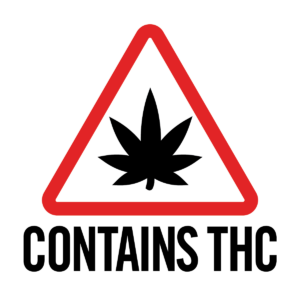
In addition, packaging must display the Louisiana marijuana universal symbol to show the product contains THC.
Certificate of Analysis (CoA) and QR Code
For hemp-derived tetrahydrocannabinol (THC) products, labels must include a scannable QR code or website link. This must lead to a certified CoA from a lab approved by the Louisiana Department of Health (LDH).
Prohibited Imagery and Design Restrictions
Louisiana bans certain packaging designs to protect children and keep labeling clear. These include:
Cartoon characters or mascots
Kid-friendly fonts and bright colors
Misleading health claims or endorsements
Packaging that looks like candy or popular snacks
These rules fall under the Louisiana marijuana packaging prohibited imagery regulations.
THC Potency and Serving Limits
Louisiana’s hemp-derived THC rules, updated by Act 752 (2024), set these limits:
5mg THC per serving
40mg THC per package for edibles
5mg THC per beverage container
These limits replaced the old 8mg threshold to improve safety under the edible cannabis packaging rules in Louisiana. Furthermore, medical marijuana products must clearly show THC and cannabidiol (CBD) amounts.
Enforcement and Penalties
Failing to follow the rules can result in:
Civil fines up to $50,000 per day
Mandatory product recalls
Revoked permits or licenses
Criminal charges for mislabeling or unauthorized sales
All packaging and labeling must get approval from the Louisiana Department of Health (LDH). Producers should expect random inspections to check for compliance.
Business Compliance Checklist
Requirement
Applies To
Notes
Child-resistant packaging
All cannabis and hemp products
Must meet federal standards
THC serving limit
Hemp-derived products
5mg per serving, 40mg per package
QR code/CoA link
Hemp THC products
Must verify safety and potency
Exit packaging
Medical marijuana
Required if primary packaging is non-compliant
Expiration date
All cannabis and hemp products
Clearly printed and validated
Label design restrictions
All cannabis and hemp products
No child-appealing or misleading images
Final Word
As Louisiana cannabis packaging laws continue to change, staying compliant is essential. Whether you make edibles, tinctures, or topicals, following child safety rules, accurate labeling, and testing standards is required to keep your license.
Now is the time to review your products, update your labels, and prepare your packaging. Unsure where to begin? Is your business new to Louisiana cannabis packaging and wants to ensure full compliance? Custom 420 Supply is here to help!
We invite you to learn more about our compliant packaging options by reaching out through our contact page.
Frequently Asked Questions (FAQs)
Can Louisiana medical marijuana packaging include information about dosage or usage instructions?
Yes. In fact, it’s encouraged. All Louisiana MMJ packaging guidelines recommend clear, accurate dosing information, especially for oral formulations, tinctures, and edibles dispensed via licensed pharmacies. However, these instructions must be factual and not make unverified therapeutic claims.
Are there any restrictions on the use of color or images on Louisiana cannabis packaging?
Absolutely. Under Louisiana marijuana packaging prohibited imagery rules, packaging must avoid bright colors, cartoon graphics, candy-like visuals, or designs that could appeal to minors. Brands are also banned from mimicking existing food packaging.
What are Louisiana’s requirements for child-resistant packaging certification?
All packaging must meet child-resistant cannabis packaging laws in Louisiana, adhering to federal CPSC protocols (16 CFR § 1700). Manufacturers are responsible for certifying and documenting that their containers pass child-safety tests. These records must be made available to regulators upon request.
Georgia’s cannabis industry is entering a new regulatory phase with the introduction of Senate Bill 494 and the implementation of updated packaging laws effective October 1, 2024. For manufacturers, distributors, and retailers dealing with hemp-derived THC products, understanding Georgia’s cannabis packaging rules is essential to ensure legal compliance and avoid penalties.
This guide breaks down everything you need to know about Georgia’s cannabis packaging laws, including product requirements, labeling, and THC limits.
Regulatory Framework and Oversight
Georgia’s consumable hemp program is managed by two main agencies.
A key law to know is SB 494, which outlines the legal rules for hemp-derived cannabinoids, including delta-8 and delta-9 tetrahydrocannabinol (THC).
What’s Allowed:
Edibles (e.g., gummies and baked goods)
Tinctures
Beverages
Topicals
What’s Prohibited:
Raw hemp flower or leaf
Alcohol-infused cannabis products
Cannabis-infused food (unless it meets full compliance and testing rules)
Packaging Submission and Approval Process
Before selling products in Georgia, all packaging and labeling must be submitted for review and approval. This includes both the main product packaging and any exit bags used at checkout.
The requirements for this review include the following:
Opaque (must block the view of the product inside)
Resealable (required for products with multiple servings)
Free of contaminants and made to prevent adulteration
To move forward, manufacturers need a valid license and must send packaging designs to the Department for approval before the product goes to market.
Product Packaging Standards
All product packaging must follow specific rules to protect consumers and meet Georgia guidelines.
General requirements include the following:
It must be designed so that it does not attract children
Tinctures must include a calibrated dropper for accurate dosing
Packaging cannot look like candy, snacks, or popular soda brands
Products must not imitate medical cannabis packaging or use protected trademarks
These rules support child-resistant cannabis packaging in Georgia standards and help keep products safe and compliant.
Prohibited Packaging Features
To meet Georgia cannabis packaging rules, products must avoid the following:
According to Georgia law, the THC content and servings for each product type must follow strict limits:
Gummies – 10mg delta-9 THC per serving; maximum 150mg per package
Beverages – 5mg per 12 oz; must be in single-serving containers only
Topicals – Up to 1000mg THC per packaging
Tinctures – 1mg per serving, containers cannot exceed 10 fl oz
Products with multiple servings need resealable, child-resistant packaging and clear serving instructions. This follows the Georgia cannabis product resealable packaging rules.
Labeling Requirements
Every product label must clearly show these important details:
Mandatory Elements
Product name and category (e.g., gummy or tincture)
Net contents (weight or volume)
Serving size and number of servings
Production date and batch/lot number
The universal THC symbol, at least 1” in diameter, with high contrast
Clear warning statements:
“Keep out of reach of children”
“May cause impairment”
“Effects may be delayed up to 2 hours”
FDA disclaimer, if it applies
Lab Testing/Certificate of Analysis (CoA)
Include a QR code or website link to the Certificate of Analysis (CoA)
Lab results must list:
THC, CBD, CBDa, CBG, CBN, HHC content
Screening for heavy metals, pesticides, mold, and solvents
The CoA must be less than 12 months old and come from an ISO-accredited lab
Advertising and Marketing Limits
Georgia’s packaging rules also control how cannabis products can be advertised and marketed. Advertisements must never target minors or use imagery that appeals to children. This includes avoiding any marketing that mimics popular commercial food or beverage products.
The law also prohibits making false claims about curing or treating diseases. Marketers cannot suggest therapeutic or medical benefits unless explicitly allowed. Additionally, references to medical cannabis or its therapeutic use are not permitted in advertising for hemp-derived products.
These restrictions help ensure cannabis marketing stays responsible and complies with Georgia’s regulations.
Compliance, Testing, and Enforcement
All consumable hemp products in Georgia must undergo annual testing and come with a valid Certificate of Analysis (COA). Retailers are required to keep complete documentation for every product they sell, ensuring transparency and traceability.
Failure to comply with these rules carries serious consequences. Authorities can seize non-compliant products, impose civil fines, and revoke licenses. In cases of severe violations, offenders may face misdemeanor charges. These measures enforce safety and legal standards across the market.
Final Word
Georgia’s cannabis packaging regulations are detailed and continue to change. Whether you make gummies or sell tinctures, following the state’s rules on packaging, labeling, and potency is essential to stay compliant. Always submit your packaging for approval, use clear and accurate labeling, and ensure every product includes up-to-date lab testing.
Are you a cannabis or hemp business in Georgia trying to source state-compliant packaging? Custom 420 Supply has you covered! We invite you to reach out through our contact page to learn more.
Frequently Asked Questions (FAQs)
Does Georgia require QR codes on cannabis or hemp product packaging?
Yes. Georgia law mandates that cannabis and hemp product packaging include a QR code or website link to a valid Certificate of Analysis (CoA).
Are there font or language requirements for labeling hemp-derived products in Georgia?
Yes. Labels must use clear, easy-to-read fonts and simple language. They should include mandatory information such as the product name, net contents, serving size, production date, and required warnings. The label must also display the universal THC symbol.
Can cannabis or hemp packaging in Georgia include medical or therapeutic claims?
No. Packaging and marketing materials cannot make false or unapproved medical or therapeutic claims. References to medical cannabis or therapeutic use are prohibited unless specifically authorized. This ensures compliance with state regulations and protects consumers from misleading information.
THCA packaging is becoming a top priority as demand for such products grows across the cannabis market.
THCA (tetrahydrocannabinolic acid) is non-psychoactive in its raw form but delivers strong effects once heated, making it popular in concentrates, prerolls, vapes, and flower. As more brands enter this space, packaging must protect the product, meet legal standards, and support brand recognition.
This guide explains the key points to consider when packaging THCA products, so you can stay compliant, keep your product fresh, and stand out in a crowded market.
What is THCA Packaging?
THCA packaging includes containers and labels made to protect THCA products, keep them legal, and help them sell. Because THCA can change into THC (tetrahydrocannabinol) when exposed to heat or time, packaging must prevent that shift to keep the product stable and effective.
Whether you’re selling concentrates, prerolls, or flower, your packaging needs to follow current laws and also catch attention on store shelves.
Since THCA is often marketed for its purity and potency, packaging plays a key role in preserving its quality from production to point-of-sale. This includes using airtight seals, UV-blocking materials, and clear labeling that informs customers while meeting state and federal guidelines.
Strong packaging supports both product safety and customer trust.
Key Requirements for THCA Packaging
To keep THCA products safe, legal, and shelf-ready, packaging must meet a few key standards. Below are the three most important areas to focus on:
1. Preservation and Product Protection
THCA breaks down when exposed to heat, light, air, or moisture. The right packaging keeps the product stable by using:
Airtight, odor-proof materials
UV-blocking layers like opaque mylar or amber glass
Seals that reduce air exposure and help prevent early decarboxylation
Protecting the chemical makeup of THCA ensures customers get the potency they expect.
2. Child-Resistant and Tamper-Evident Features
Legal cannabis markets require child-safe packaging. THCA products must be sealed in ways that keep kids out and show if tampering has occurred. Common options include:
Certified child-resistant closures (CRCs)
Resealable mylar bags with heat seals or tear strips
Pop-top drams, snap-lock tubes, or press-and-turn caps
These features help you stay compliant and build trust with both regulators and customers.
Packaging cannot include imagery appealing to minors or fruit shapes; requires CRC and potency labeling; test results and limits are strictly enforced
Key Compliance Tips
Assume “Total THC” testing applies – In most states, THCA must be reported and THC calculated from decarboxylation, even if marketed as raw or hemp-derived.
Prioritize packaging quality – Include child-resistant closures, tamper-evident seals, opaque and resealable materials.
Label with detail – List THCA, THC, CBD content, batch/lot, CoA QR, universal cannabis symbol (IICPS), and state-specific warnings.
Align with the strictest state if you distribute across multiple jurisdictions. Packaging rules vary widely, but you want to meet the toughest standard to stay compliant everywhere.
Materials and Formats for THCA Products
The right packaging format depends on your product type and how you want to present your brand. Each option offers different advantages in terms of cost, protection, and shelf appeal.
They also work well with child-resistant features and are simple to store and ship.
Glass or Plastic Jars
Ideal for concentrates like THCA diamonds, isolates, or live resin. These containers offer:
Airtight seals to protect freshness
A premium look that signals quality
Compatibility with tamper-evident bands and branded labels
Glass adds a luxury feel, while plastic is lightweight and less fragile.
Pre-Roll Tubes and Boxes
Used mainly for THCA prerolls and infused joints, these formats are:
Slim and portable
Secure with odor-proof and tamper-evident designs
Easy to label and brand for retail visibility
They offer strong protection during transport while keeping the product fresh and compliant.
Branding and Design: Standing Out While Staying Compliant
Packaging is more than just a legal requirement, it shapes how customers see your product. Your design should follow cannabis regulations while making your brand memorable.
Work with a partner who knows the rules and can help you:
Add premium touches like foil stamping, embossing, or soft-touch finishes
Print clear, compliant labels that include batch numbers and cannabis symbols
Develop unique shapes or cutouts that reflect your brand style
Pro Tip: Simple, clean designs with bold highlights and clear THCA content tend to attract more attention on dispensary shelves.
Sustainability in THCA Packaging
More consumers expect eco-friendly packaging, so sustainability matters now more than ever. Consider using:
Compostable alternatives to traditional mylar bags
These choices lower your environmental impact and improve your brand’s appeal, especially with Gen Z and Millennial buyers.
Fulfillment, Customization, and Warehousing
Partnering with a full-service packaging provider offers several advantages:
Low minimum order quantities (MOQs) to fit your budget
Fast turnaround for seasonal releases or product tests
Warehousing and distribution support for multi-state operators (MSOs)
Custom label application and secure shrink-wrapping
We handle your packaging supply chain, so you can focus on growing your brand and reaching customers.
Shipping THCA Products: Do It Right
THCA is federally legal under the 2018 Farm Bill if it comes from hemp and contains less than 0.3% Delta-9 THC. Still, shipping must be handled carefully.
To ship THCA products safely:
Use vacuum-sealed or tamper-evident packaging
Include lab results or a Certificate of Analysis (CoA) with every order
Avoid language that suggests the product causes psychoactivity (a “high”)
Monitor USPS, UPS, and FedEx rules, as carrier policies can change
Taking these steps helps protect your business and ensures smooth delivery.
Common Mistakes to Avoid
One of the most frequent mistakes is using packaging without proper seals. Without airtight protection, THCA products are exposed to oxygen, which can cause early degradation and lower potency.
Another common issue is mislabeling. If your packaging lists the wrong THCA content or fails to include a clear link or QR code to the Certificate of Analysis (CoA), it can lead to compliance problems and customer distrust.
It’s also risky to assume your product qualifies as “hemp” without verified lab results. Failing to confirm Delta-9 THC levels through testing can result in legal trouble, especially when shipping across state lines.
Finally, don’t overlook your design. Poorly designed packaging (whether it’s non-compliant or just unattractive) can hurt your sales and weaken your brand’s position in a competitive market.
How to Choose a THCA Packaging Partner
Selecting the right packaging partner can make a big difference in your product’s success. Start by choosing a vendor with proven cannabis compliance knowledge. They should understand current regulations and help you avoid costly mistakes.
Look for companies that offer a wide range of child-resistant, certified packaging formats. In-house design services are another plus as they can help you create packaging that’s both eye-catching and compliant.
Flexibility also matters. Choose a partner with low minimum order quantities and fast turnaround times, especially if you’re testing new products or running limited drops. Domestic warehousing is another benefit, as it speeds up fulfillment and reduces shipping costs.
Finally, check their reputation in the cannabis industry. A trusted name often means reliable service and consistent quality.
Final Word
THCA packaging requires careful attention to detail. As rules tighten and more brands enter the market, your packaging must do more than protect; it must help your product stand out.
At Custom 420 Supply, we use high-quality materials, smart design, and up-to-date compliance knowledge to create packaging that performs on every level. We help you stay legal, look sharp, and build trust with your customers.
Want to learn more? We invite you to reach out through our contact page.
Frequently Asked Questions (FAQs)
Why is THCA labeling more complex than THC labeling?
Because THCA can convert to THC with heat, regulations often require both values (“total THC” and “raw THCA”) to be displayed for transparency.
Can I reuse packaging from flower for THCA products?
Not always. THCA concentrates often need higher barrier protection and more accurate dosing labels.
Are clear containers allowed for THCA?
In many states, no. Most require opaque or child-resistant packaging that conceals the product.
Hawaii cannabis packaging laws are as unique and strict as the islands themselves. Governed under HRS § 329D and HAR Chapter 11‑850, these regulations currently apply only to the state’s medical cannabis program.
While adult-use cannabis remains prohibited, evolving legislation (especially concerning hemp-derived THC products) is quickly reshaping packaging requirements.
Whether you’re a dispensary, manufacturer, or brand, staying compliant with Hawaii medical marijuana packaging requirements means understanding the Aloha State’s rigorous health, safety, and environmental standards.
Legal Framework
Cannabis packaging in Hawaii follows clear safety and labeling rules. The key regulations include:
HRS § 329D-11 – Set basic safety requirements for packaging.
HAR § 11-850-142and § 11-850 143 – Outlines rules for packaging design, labeling, and how products must function.
The Hawaii Department of Health (DOH) enforces these laws. It checks that all cannabis products follow public safety standards.
Packaging Requirements
Child-Resistant and Opaque
All cannabis packaging must be child-resistant, following federal CFR Title 16 Part 1700 guidelines. It must also be fully opaque so the product is not visible. These rules follow child-resistant cannabis packaging in Hawaii standards, which help prevent accidental use, especially by children.
Color and Graphic Restrictions
Hawaii bans colorful or flashy packaging. Medical cannabis products must use black text on a white background, with no images or graphics. These color restrictions aim to reduce appeal to minors and keep the look clean and clinical.
Required Label Information
All dispensary-sold cannabis products must clearly display:
Product name and type
Net weight or volume
Cannabinoid content (THC, CBD, CBN, etc.)
Ingredients, allergens, and extraction method
Dispensary license and production center
Batch number, packaging date, and harvest date
Directions for use and expiration date
Barcode linked to Hawaii’s tracking system
Labels must also show DOH-required warnings:
“For medical use only”
“Keep out of reach of children”
“May impair ability to drive or operate machinery”
These warnings are part of Hawaii cannabis product labeling standards, created to inform patients and protect their safety.
Dispensaries must also give patients printed documentation. This includes dosage details, possible side effects, and usage warnings, fulfilling Hawaii medical marijuana patient insert requirements.
THC Limits and Unit Dosing
Hawaii caps THC levels at 1000mg per container for manufactured cannabis products. For edible items (e.g., capsules or lozenges), each unit must contain no more than 10mg of THC. These edible cannabis packaging rules in Hawaii help ensure safe, consistent dosing for medical patients.
Sustainable Packaging and Materials
Hawaii’s cannabis dispensaries are shifting toward eco-friendly packaging. With limited recycling options on the islands, some (e.g., Hawaiian Ethos) use compostable paper and refillable glass jars. Common choices include:
Unbleached paperboard for flower
Non-toxic inks
Recyclable glass or metal for concentrates
These choices reflect both environmental responsibility and Hawaii MMJ packaging compliance.
Lab Testing and Compliance
All cannabis products in Hawaii must pass third-party lab testing before sale. Required tests cover:
Potency levels
Contaminants, including pesticides, heavy metals, microbes, and solvents
Optional terpene profile
Barcode tracking for each batch
The product label must show the lab name and provide access to the results, either directly or through a scannable code.
Recent and Pending Changes
Pre-Roll Approval (Effective 2024)
Hawaii now allows pre-rolled flower products under new rules. Approved pre-rolls must:
Used unbleached, non-flavored paper
Contains no tobacco
Avoid filters that change THC potency
Proposed Hemp and Adult-Use Legislation
Bills like HB 1246 and SB 962 may soon add new rules for hemp-derived THC products, including delta-8 and delta-10. If passed, these products would need:
Child-resistant, resealable packaging
Clear THC content on the label
A visible universal THC symbol
Final Word
Hawaii enforces strict rules for cannabis packaging. From child-resistant containers to clear labels and eco-friendly materials, every detail matters. Staying up to date with Hawaii cannabis packaging laws helps your business stay compliant and build trust in a competitive, sustainability-focused market.
Are you a cannabis business in Hawaii and unsure where to begin with your packaging? Custom 420 Supply is here to help! We invite you to reach out through our contact page to learn more.
Frequently Asked Questions (FAQs)
Does Hawaii require medical cannabis packaging to be tamper-evident or resealable?
Yes. Medical cannabis packaging in Hawaii must be child-resistant and tamper-evident. If the product is not for single use, the container must also be resealable to maintain safety between uses.
Are dispensaries in Hawaii allowed to include strain names or terpene profiles on product labels?
Yes. Strain names and terpene profiles can be included on product labels, as long as the information is accurate and does not include medical claims or misleading language.
Can cannabis packaging in Hawaii feature Hawaiian imagery, logos, or branding?
No. Hawaii bans images, logos, or graphics (including Hawaiian-themed imagery) on medical cannabis packaging. This supports Hawaii cannabis packaging color restrictions and keeps labels plain, with black text on a white background to reduce appeal to minors.
When it comes to premium cannabis concentrates like rosin, quality matters. However, presentation seals the deal. And in an increasingly competitive extract market, rosin jar labels have emerged as a powerful tool for building brand identity, boosting shelf appeal, and meeting regulatory standards.
Whether you’re a boutique hashmaker or an established brand looking to elevate your packaging, dialing in your labels is essential. In this guide, we’ll walk you through everything you need to know to brand your concentrates like a pro.
What are Rosin Jar Labels?
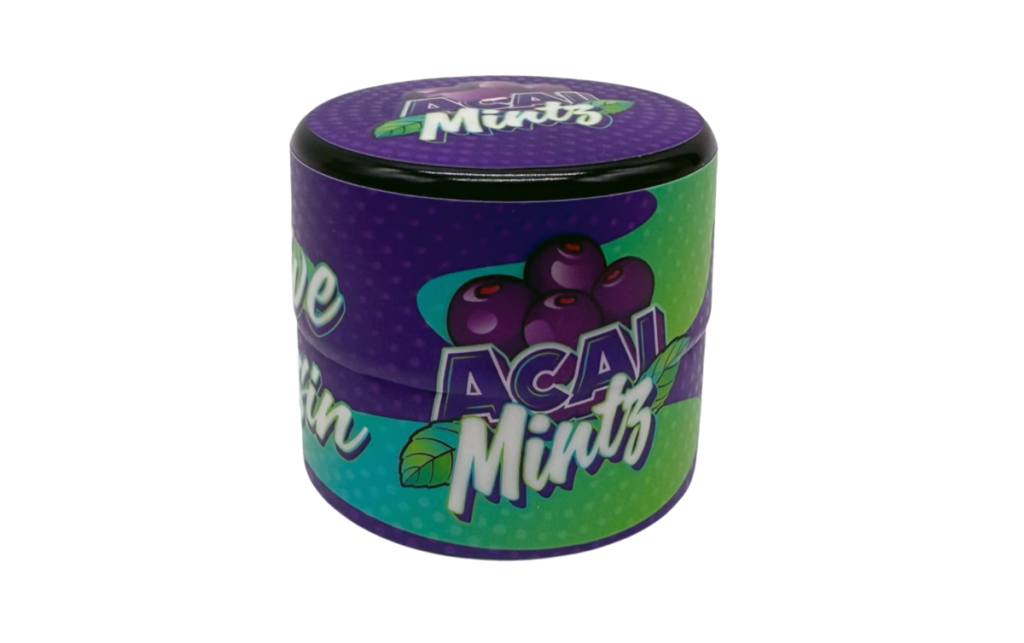
Rosin jar labels are adhesive labels that fit concentrate containers, usually glass jars. These labels serve both branding and compliance purposes. Common types include:
Side-wrap labels that go around the jar for easy branding.
Lid-top stickers that show strain names or product type at a glance.
Tamper-evident seals that show if the jar has been opened.
Bottom or base labels that list batch numbers, weight, and lab test results.
Using the right mix of these rosin label jars makes your product look more professional, helps buyers find information quickly, and builds trust with your customers. It also supports compliance with industry packaging rules.
The Business Case for Branded Rosin Packaging
In cannabis sales, how your product looks matters. Branded rosin packaging is often the first thing a customer sees, and it can be the reason they choose your product over another. A clear, strong label builds trust fast. It also encourages people to share photos online and helps them remember your brand for future purchases.
Still, good packaging does more than look nice. It helps you meet dispensary label requirements and keeps your business in line with regulations. Labels should clearly show cannabinoid content, terpene details, and required disclaimers. This keeps your product compliant and gives customers the information they need to buy with confidence.
Label Styles and Why They Matter
Different types of rosin jar labels serve different purposes. Using more than one label can help you keep your design clean while sharing all the details customers and regulators need.
Side-wrap labels – These wrap around the jar and offer space for your logo, strain name, QR codes, and other branding elements. Perforated options can also act as tamper-evident rosin jar labels, giving customers added peace of mind.
Lid-top labels – These sit on the top of the jar, making it easy to see what’s inside at a glance. They work well for strain-specific designs and are great for storage.
Bottom labels – These are used to include test results, batch data, weights, and other required details, without taking up space on your main branding area.
Using a mix of these label types keeps your product visually appealing while covering all the key points for compliance, safety, and brand recognition.
Pairing the Right Jar with the Right Label
Your label should work with your jar, not against it. Choosing the right jar helps your rosin container branding feel complete and professional. Here are some common jar options:
Miron UV glass jar – Helps protect terpene quality and keep your concentrates fresher for longer.
Pop-Vac jars – Known for their airtight seal and signature “pop” sound when opened.
Standard CR (child-resistant) jars – Cost-effective, compliant, and widely used across the cannabis industry.
For the best results, use tamper-evident rosin jars with built-in child safety features. Choose label material that matches the texture and finish of the jar. For example, matte labels look clean on UV glass, while glossy or foil labels pop on clear jars.
If you’re using clear jars, remember that your product becomes part of the visual experience. Use that transparency to your advantage without overwhelming it with heavy branding.
How to Create Rosin Jar Labels (Step-by-Step)
Collect Brand Assets Gather all your brand elements: logo, fonts, color palette, product tiers, and any unique icons that represent your brand’s style.
Choose a Labeling Strategy Decide if you want a separate label for each strain or a universal template where you can update strain and batch details easily.
Design with Purpose Focus on clear, easy-to-read labels. Organize information by importance and make sure your design looks appealing. You can find ideas and inspiration from popular rosin packaging designs on Instagram or Behance.
Ensure Compliance Add all required information, like tetrahydrocannabinol (THC)/cannabidiol (CBD) percentages, manufacturing dates, health warnings, and legal disclaimers. This keeps your labels compliant with cannabis concentrate regulations.
Choose the Right Vendor Pick suppliers who know the cannabis industry well and offer quality options. If you’re looking for a supplier, Custom 420 Supply can provide you with compliant and brand-enticing labels!
Budgeting and Return on Investment (ROI)
Custom rosin jar labels can cost more upfront, but they serve as a smart investment for your brand. Here are some ways to save money without losing quality:
Print in bulk to lower the cost per label.
Use a universal design template for multiple strains to simplify production.
Focus on high-quality labels for your premium product lines where presentation matters most.
Well-made labels add value in customers’ eyes, help products sell faster, and improve your overall presentation. Using smart, custom rosin labels positions your brand as a premium choice in a competitive market.
Common Mistakes to Avoid
Choosing the wrong material – Avoid cheap adhesives, thermal, and home-printed labels that peel off or smudge easily. Quality materials keep your labels looking sharp and durable.
Overcomplicating design – Too much information or clutter makes your label hard to read and looks unprofessional. Keep it clear and focused.
Ignoring compliance – Leaving out required details can lead to legal problems or lost sales. Always include mandated info to stay safe.
Hiding the product – Don’t cover the jar so much that customers can’t see the quality of your rosin. Clear packaging builds trust and shows off your product.
Sustainability and Future Trends
Today’s buyers expect sustainability, so your rosin concentrate packaging should reflect that. More brands now use labels and containers that are biodegradable, recyclable, or reusable to reduce environmental impact.
Another growing trend is smart packaging. Labels with QR codes can link to certificates of analysis (CoAs), interactive strain details, and serialized tracking. This tech-savvy approach keeps products compliant while adding a modern, polished look.
Final Word
Your rosin might be fire, but if your label falls flat, you leave value on the table. Labels that are clear, compliant, and on-brand will always stand out.
Maybe you’re launching your first drop. Or you’re revamping your brand identity. In either case, Custom 420 can help you with your rosin jar labeling. We invite you to fill out the form on our contact page to learn more.
Frequently Asked Questions (FAQs)
What information is required on rosin jar labels for dispensary sales?
Label requirements vary by state, but most dispensaries require THC/CBD content, net weight, batch ID, production/manufacture date, and legal disclaimers. Some states also require universal cannabis symbols and testing information.
Can you use custom labels on cannabis concentrate jars?
Absolutely! In fact, weed concentrate jar labels should be custom-designed so they can be both compliant and brand-enhancing. Just ensure they meet local regulations for content and visibility.
What material is best for labeling rosin jars?
For durability and a professional look, opt for laminated vinyl or BOPP (biaxially-oriented polypropylene). These materials are oil-resistant, moisture-proof, and perfect for waterproof concentrate labels that hold up in cold storage and handling.