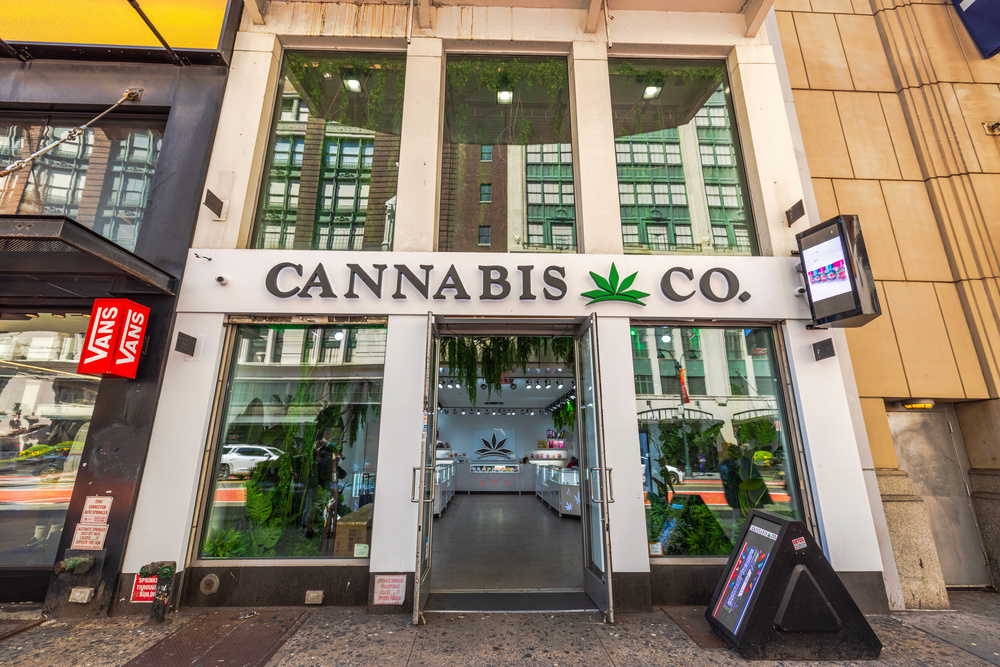
The cannabis industry has moved far past the familiar green-leaf icon. As legalization accelerates and more businesses enter the market, brands need a cannabis logo design that feels credible, modern, and easy to recognize. Consumers look for clarity and professionalism, especially on shelves where packaging space is tight, and state compliance rules limit what you can display.
A strong cannabis brand logo does more than look clean. It communicates identity, adapts to different packaging formats, and meets labeling rules that shift from one state to the next. In a saturated market, your logo becomes one of the most reliable ways to build trust and long-term recognition.
This guide explains what makes an effective, compliant cannabis logo, with clear steps and examples to help you develop branding that stands out for the right reasons.
Why Logo Strategy Matters in Today’s Cannabis Market
The cannabis industry now spans mature operators, craft producers, wellness-driven brands, luxury labels, and tech-forward retailers. As the market expands, branding trends are shifting away from gimmicky designs toward visuals more common in the beauty, wellness, lifestyle, and premium beverage sectors.
A strong logo influences:
Perceived quality – A thoughtful cannabis logo can signal luxury, medicinal trustworthiness, artisanal craft, or lifestyle appeal, depending on your brand.
Shelf presence – With many products vying for attention, a distinct logo helps your packaging catch a shopper’s eye on dispensary shelves.
Retailer trust – Retail partners often give priority to brands that look professional and use consistent, clean branding. This can influence whether your product gets prime shelf placement or reorder priority.
Scalability across products – As you add new lines (e.g., edibles, tinctures, topicals), a flexible logo/system ensures brand consistency across formats and keeps your identity recognizable.
Regulatory and compliance readiness – Because cannabis packaging must include mandatory symbols, warnings, and THC/CBD disclosures, your logo must integrate into designs that leave space for required labeling.
Regulations, packaging requirements, and consumer expectations make generic or stereotypical branding risky. Without a strong logo strategy and clear brand identity, a company may blend in with dozens of competitors.
On the other hand, brands that invest in thoughtful logo design can build trust, differentiate themselves, and adapt across products and regulations. That often results in stronger consumer loyalty and better positioning long-term.
Common Cannabis Logo Clichés to Avoid
Before you create a strong cannabis company logo design, it helps to know which visuals can weaken your brand or limit how people see your products.
The Overused Cannabis Leaf
The leaf isn’t harmful on its own, but relying on it as the entire logo often signals a generic or low-effort identity. In wellness, medical, or luxury categories, it can reduce the sense of quality or professionalism. If you use the leaf, make sure it supports the design instead of becoming the whole concept.
Rasta/Green-Only Color Palettes
Green is still useful, but brands that limit themselves to only green tones blend into a crowded visual landscape. Color systems inspired by skincare, cosmetics, craft beverages, or boutique wellness brands help you stand out and reach broader audiences.
Cartoonish, Childlike Illustrations
Many states restrict any packaging that could appeal to children. Logos with bright, candy-like colors or cartoon mascots fall into that category and can put you at compliance risk. A clean, adult-focused style keeps you safer and presents your brand in a more credible way.
Hyper-Literal Imagery
Icons like buds, smoke trails, bongs, or pipes can limit how far your brand can grow. They lock you into a narrow category and make it harder to expand into wellness, medical, or premium product lines. A more symbolic or abstract approach gives you room to evolve.
Five Design Principles for Strong Cannabis Logos
A strong cannabis logo design relies on timeless principles rather than short-lived trends. These fundamentals help your brand stay recognizable, compliant, and consistent as you expand.
1. Simplicity and Scalability
Your logo should stay clear and easy to identify, whether it appears on a billboard, a website header, a small vape pen label, or a compliance-heavy package. Simple marks reduce printing issues and keep your identity sharp at any size.
2. Distinctive Concepting
Instead of defaulting to leaf imagery, explore options such as abstract geometric shapes, symbols tied to your brand story, typography-driven marks, regional motifs, or minimalist monograms. Premium brands succeed because they think beyond the plant and build meaning into their visuals.
3. Legibility Across Packaging
Cannabis packaging must include:
THC symbols
Government warnings
Batch numbers
Potency details
Ingredient lists
Your logo has to remain readable around these elements and maintain its strength even when scaled down.
4. Versatility
A complete logo system often includes a primary lockup, a horizontal layout, a stacked version, a single-color option, and a small icon or favicon. These variations make your branding functional across social media, packaging, websites, merchandise, retail displays, and small-format print.
5. Emotionally Appropriate Tone
Different cannabis segments call for different aesthetics.
Fruity or edible brands – bright but mature tones with modern, compliant designs.
When your logo reflects the tone of your brand, it attracts the right audience and sets the right expectations from the first impression.
Compliance-First Design: What You Must Know
Compliance is where many cannabis logo designs run into problems. The issue usually isn’t the logo itself; it’s how the logo functions once it’s placed on packaging filled with required symbols, warnings, and testing details. A logo that can’t coexist with these elements becomes difficult or even impossible to use.
Required Label Elements
Most states require several items on every cannabis package, including:
These elements influence where your logo can sit on the label and how much space it can reasonably take up.
Forbidden Imagery
Regulations in many states restrict imagery that could appeal to minors. This means avoiding:
Cartoons or illustrated characters
Mascots
Candy-inspired visuals
Youth-oriented colors or shapes
Immitations of well-known non-cannabis brands
If your logo leans even slightly playful or resembles mainstream snack branding, regulators may flag it.
Logo Placement Rules
Some states also set rules for how design elements appear on packaging, such as:
Minimum contrast ratios
Minimum spacing around the universal cannabis symbol
No overlapping or crowding the THC badge
No covering mandatory language
Your logo has to adapt to these constraints, not overpower the legal elements on the label.
Practical Compliance Design Tips
DO:
Leave generous clear space around required symbols
Use high contrast for small text
Provide a clean, single-color version for packaging engineers
DON’T:
Force the logo into tight corners
Use thin lines that disappear when printed at small sizes
Use gradients that cause printing inconsistencies on child-resistant bags
Compliance isn’t a restriction; it’s a chance to show consistency, clarity, and professionalism across every product you release.
Packaging-First Examples
The strongest cannabis logos are designed with packaging in mind from day one. Here’s how different types of brands translate their identity into marks that remain compliant, readable, and premium across real-world formats.
Premium Minimalist Brands
Luxury cannabis brands often rely on subtlety and restraint. Their logos typically feature:
Refined, high-end typography
Clean monograms or symbolic initials
Black, gold, white, or muted earth tones
Minimalistic line work or abstract motifs
These designs excel on matte pouches, frosted glass jars, foil-stamped boxes, and other premium materials where simplicity amplifies sophistication.
Medicinal/Wellness Brands
Medical and wellness-focused companies prioritize trust and clarity. Their logos often include:
Clean sans-serif fonts for clinical readability
Blue, white, green, or calming tonal palettes
Wellness-inspired geometric shapes or cross-like symbols
This style helps reinforce safety, legitimacy, and purpose, especially important in markets where medical credibility is essential.
Craft or Heritage Brands
Craft growers and heritage-focused brands use design to communicate authenticity and tradition. Their logo styles frequently include:
Rustic or nature-inspired color palettes
Heritage or vintage-style typography
Iconic badges, seals, or crest-like structures
Regional cues or natural motifs
These marks tend to feel established, story-driven, and rooted in culture, making them ideal for brands built around legacy or locality.
How to Create and Test a Compliance-Friendly Cannabis Logo
Creating a cannabis logo that looks great and passes compliance checks isn’t luck; it’s a structured process. Here’s a step-by-step workflow used by top cannabis designers and brand teams.
Step 1: Research Your Market
Start by mapping the landscape:
State regulations (THC icons, font sizes, warning language, color limitations)
This prevents guesswork and aligns stakeholders before design begins.
Step 3: Sketch and Iterate
Start rough. Create multiple symbol, lettering, and composition ideas. Prioritize simplicity, scalability, and clarity. The three traits that consistently survive compliance review.
Step 4: Vectorize and Build Variants
Once your strongest concepts emerge, develop digital versions and create essential logo variants:
Full-color
Monochrome
Reverse (white or dark)
Standalone icon or badge
Horizontal and stacked versions
Flexibility is crucial since cannabis packaging varies widely in size and orientation.
Step 5: Packaging Mockups
Before finalizing, test your logo across the formats you’ll actually use:
Mylar bags
Glass jars
Concentrate containers
Vape carts
Pre-roll tubes
Shipper boxes and display trays
Mockups reveal issues like cramped spacing, unreadable small text, or color conflicts with warning panels.
Step 6: Compliance Review
Run the logo through a compliance filter:
THC warning placement
Required icons
Minimum type sizes
Child-appeal restrictions
Contrast ratios
Local retailer or distributor guidelines
Catching problems now prevents costly redesigns after thousands of labels are printed.
Step 7: Finalize Brand Guidelines
Wrap the process by creating a brand guideline package that includes:
Logo versions and spacing rules
Approved colors
Typography choices
Packaging do’s and don’ts
Placement rules for warnings and THC symbols
Examples of correct and incorrect usage
This ensures printers, designers, partners, and future team members maintain consistency.
Essential Logo Assets Every Cannabis Brand Should Have
A strong cannabis logo design isn’t just the main mark. It comes with a suite of assets that keep your branding consistent, readable, and compliant across all applications. Every cannabis brand should prepare:
AI/PDF master vector files for scalable, high-resolution use
Horizontal and vertical variants to fit different layouts
Single-color and reversed versions for flexible printing and digital use
Clear-space rules to maintain logo visibility
Packaging-safe color palette that works with mandatory icons and warnings
Icon or symbol mark for small-format use like labels, social media, or favicons
Compliance overview page for packaging and design teams
Having these assets ready saves design and production teams hours, prevents mistakes, and protects your brand’s professional appearance on every product and marketing channel.
Final Word
Cannabis logo design is no longer just about showing what you sell. It’s about communicating who you are, building trust, and navigating one of the most regulated packaging environments in consumer goods.
A strong cannabis logo stands out without relying on clichés, scales cleanly across packaging types, and remains compliant with state-specific rules. When done right, it becomes the cornerstone of a brand that grows, adapts, and thrives in a competitive market.
Ready to elevate your brand with a compliant, standout logo? Custom 420 Supply’s in-house design team specializes in cannabis logo design that balances creativity, compliance, and market impact. Contact us today to create a logo that builds trust, supports your products, and positions your brand for long-term success.
Frequently Asked Questions
What elements should you include when designing a cannabis logo?
A strong cannabis logo typically includes a clear, recognizable mark, typography that reflects your brand personality, and a color palette that aligns with your category (premium, medicinal, craft, or lifestyle). You should also prepare logo variants (horizontal, vertical, single-color, reversed) and establish clear-space and minimum-size guidelines to ensure readability across packaging, digital, and retail formats.
How do regulatory and compliance factors influence cannabis logo design?
State regulations affect what imagery, colors, and text can appear on cannabis packaging. Your logo must work alongside mandatory elements like THC symbols, health warnings, and potency information. Compliance also means avoiding child-appealing graphics, cartoons, or candy-inspired visuals. Designing with these rules in mind ensures your logo remains usable, legally safe, and professional across all products.
What are the latest logo design trends for cannabis brands?
Modern cannabis logos are moving away from overused leaf imagery and stereotypical visuals. Current trends include minimalist typography, abstract geometric marks, wellness-inspired symbols, monograms, and earthy or premium color palettes. Brands are also prioritizing versatility, ensuring logos work across small packaging, social media, and large-format displays while maintaining a professional, compliant look.
Washington, D.C. cannabis packaging laws set a clear standard for how cannabis products must be packaged, labeled, and sold within the District. These rules exist to protect public safety, prevent youth access, and bring transparency to D.C.’s regulated medical cannabis market. For cannabis businesses, knowing what the law requires is essential for staying compliant.
Here’s a comprehensive overview of what D.C. packaging regulations cover, what the law requires, and why it matters.
Regulatory Framework for Cannabis Laws in Washington, D.C.
Washington, D.C. cannabis packaging laws exist within a regulatory framework unlike any other U.S. state. Initiative 71, approved by D.C. voters in 2014, legalized the possession and gifting of small amounts of cannabis but not commercial sales. That distinction matters for licensed operators, because all regulated cannabis sales in the District run exclusively through the medical cannabis program.
Enforcement of the medical cannabis program was shifted to the Alcoholic Beverage and Cannabis Administration (ABCA). It oversees licensing, compliance, and rulemaking for all licensed operators, including cultivators, manufacturers, retailers, internet retailers, and couriers. All packaging and labeling requirements apply specifically to these licensed businesses.
It’s also worth noting that the Medical Cannabis Amendment Act of 2022, effective March 2023, overhauled D.C.’s medical cannabis program. This removed license caps and expanded the regulatory framework, setting the stage for the more detailed packaging and labeling rules that followed.
ABCA has continued issuing updated rulemakings through 2024 and into 2025, meaning compliance requirements for licensed operators are still actively evolving.
Core Washington, D.C. Cannabis Packaging Laws
Washington, D.C. cannabis packaging regulations establish a clear set of standards that all licensed operators must meet before products can be sold or distributed.
Child-Resistant Packaging
Medical cannabis products must be packaged in child-resistant packaging in accordance with 16 C.F.R. Part 1700. This is the federal standard requiring packaging that’s significantly difficult for children under five to open. This requirement applies across all product categories, including flower, concentrates, and infused products.
Tamper-Evident Packaging
Cannabis packaging must also be tamper-evident. Licensed operators are required to use seals, tear strips, or similar indicators so that anyone handling the product can immediately identify whether it has been opened or altered prior to sale. This protects product integrity throughout the supply chain.
Restrictions on Appealing to Minors
Packaging and labeling on medical cannabis products shall not contain any content, image, or labeling that specifically targets individuals under the age of 21. This includes cartoon characters or similar images, or resembles packaging that is appealing to children.
Under the Medical Cannabis Clarification and Program Enforcement Amendment Act of 2024, this prohibition was further reinforced and includes:
Images of cartoon characters, toys, or animals
Symbols or celebrities that are commonly used to market products to persons under the age of 21 (see § 7-1671.06)
Language that mimics non-cannabis products, such as candy or snack branding
Bright or playful designs that could appeal to minors
These restrictions carry particular weight for edible and infused product manufacturers, where the risk of appeal to minors is highest.
Required Label Information
Every medical cannabis product distributed through a licensed D.C. retailer or internet retailer must carry a complete, legible label. If any part of the label is illegible, the product may not be distributed. Required disclosures generally include:
The name of the licensed cultivation center or manufacturer
The name of the licensed retailer or internet retailer
Product identity and form (e.g., flower, edible, concentrate)
Cannabinoid content, including tetrahydrocannabinol (THC) levels
Required health and safety warnings
Incomplete or inaccurate labeling can trigger enforcement action by ABCA, even when the product itself meets all other compliance standards. The ABC Board has issued multiple rounds of emergency rulemaking throughout 2024. Therefore, licensed operators should monitor ABCA’s rulemaking page regularly to stay current.
What These Laws Are Designed to Prevent
Washington, D.C. cannabis packaging laws address specific, documented public health risks that have grown alongside the medical cannabis market. The regulations are designed to prevent:
Accidental ingestion by children – Edibles that resemble food or candy pose a real risk. The FDA has flagged incidents of children accidentally ingesting cannabis edibles mistaken for common foods like cereal, candy, and cookies.
Potency and dosage confusion – Unclear THC labeling can lead to overconsumption. Cannabinoid disclosure requirements help licensed operators communicate dosage accurately.
Products being mistaken for conventional food – Packaging that mimics snack or candy branding blurs the line between cannabis and non-cannabis products.
Underage exposure – Restrictions on youth-appealing imagery ensure licensed operators aren’t inadvertently marketing to minors through their packaging.
For licensed operators, meeting these standards is both a legal obligation and a clear differentiator from the illicit market.
Enforcement and Penalties for Non-Compliance
ABCA has broad authority to inspect licensed facilities and review product packaging at any time. ABCA investigators are required to examine the premises and records of each licensed establishment at least once per year. Licensed operators found out of compliance may face:
Monetary fines and escalating penalties for repeat violations
Product seizure or destruction
License suspension or revocation
Mandatory remediation plans are subject to Board approval
Enforcement extends beyond licensed businesses, too. ABCA and MPD have closed 100 illegal cannabis businesses since the Emergency Amendment Act of 2024 took effect. For licensed operators, staying current with ABCA’s rulemaking updates is a core part of maintaining your license.
The Future of Washington, D.C. Cannabis Packaging Laws
The District’s regulatory framework is still evolving. The Harris Rider (a Congressional restriction prohibiting D.C. from legalizing commercial adult-use cannabis sales) remains in place as of 2025, keeping the licensed market medical-only for now. But enforcement and rulemaking haven’t slowed.
As of March 31, 2025, all cannabis establishments without a valid license became subject to search, seizure, closure, or fines. A growing licensed market will likely bring more detailed packaging requirements with it. For licensed operators, the practical move is to monitor ABCA’s rulemaking updates consistently and build compliance flexibility into packaging workflows before changes take effect.
Final Word
Washington, D.C. cannabis packaging laws play a critical role in balancing legal market access with public safety. For licensed operators compliance isn’t just a legal obligation. It’s a mark of credibility in a market that’s still establishing its standards.
As ABCA continues refining its regulatory framework, staying ahead of packaging requirements is one of the clearest ways licensed businesses can protect their operations and stand out from the illicit market.
If you want to stay ahead of Washington, D.C. packaging requirements, Custom 420 Supply can help. We invite you to reach out through out contact page to learn more.
Frequently Asked Questions
Who oversees cannabis packaging compliance in Washington, D.C.?
The Alcoholic Beverage and Cannabis Administration (ABCA) enforces all packaging and labeling requirements for licensed cultivators, manufacturers, and retailers in the District.
Can cannabis packaging in D.C. use cartoon characters or bright designs?
No. Washington, D.C. cannabis packaging laws prohibit any imagery, language, or design that could appeal to minors, including cartoon characters, candy-like branding, or packaging that resembles conventional food products.
Do cannabis edibles have stricter packaging rules in Washington, D.C.?
Yes. Edibles cannot resemble candy, use terms like “gummies” or “candy,” or feature brightly colored packaging that appeals to minors. Allergen disclosures and federal food labeling standards also apply.
Cannabis brand fonts play a direct role in how quickly people recognize and trust your products, especially in a market that grows more competitive every year. Brands are fighting for attention on dispensary shelves, online stores, and social feeds, and typography is one of the fastest ways to communicate who you are.
The right fonts help customers understand your personality at a glance, shape how “premium” or approachable your products feel, and build the kind of familiarity that brings people back.
In this guide, we’ll walk through how typography shapes brand identity, what different font families signal to consumers, how to choose pairings that support your identity, and how to stay compliant and accessible in a regulated industry.
Why Typography Matters for Cannabis Brands
Typography is one of the first cues consumers use to read your brand. At a glance, fonts show whether you’re premium or fun, medical or lifestyle-focused, minimalist or artisanal. Clear typography improves perceived quality, enhances readability, and supports the trustworthiness of your packaging.
In the cannabis industry, where label rules vary by state, typography also performs a crucial legal role. Required details (like dosage, warnings, ingredients, potency, and regulatory symbols) must remain readable even at small sizes. For example, some regions mandate a minimum label font size (often no smaller than 6-point) to ensure compliance.
That means the best fonts for cannabis branding need to balance style, clarity, and regulatory compliance at the same time.
Typography is Your Brand Voice: What Fonts Communicate
Typography in cannabis branding works the same way your verbal tone does. Each font category sends emotional signals that shape how people interpret your products before they read a single line. Here’s a clear breakdown of what each style communicates and when it works best.
Serif Fonts
Vibe: heritage, artisanal, premium, trustworthy
Best for: craft flower brands, CBD wellness lines, medical-leaning products
Serif fonts add a sense of history and care. Their small strokes and details create a feeling of quality, which helps customers associate your brand with consistency and reliability.
Sans-Serif Fonts
Vibe: modern, clean, transparent, tech-forward
Best for: recreational brands, contemporary edibles, vaporizer, and device companies
Sans-serifs feel open and straightforward. They’re a strong fit for brands that want to appear honest, friendly, or youth-oriented. These fonts often scale well in digital environments, which is helpful for e-commerce and mobile menus.
Display and Script Fonts
Vibe: expressive, handcrafted, bold
Best for: logos, headers, small-batch microbrands, legacy or counterculture lines
Display and script fonts create a strong personality fast, but they lose clarity if used for long text or compliance details. Keep them in headline roles where you need energy or a crafted feel without risking readability.
Geometric, Monospaced, or Technical Fonts
Vibe: clinical, scientific, precise
Best for: medical cannabis brands, lab-driven companies, product lines emphasizing purity and testing
These font styles signal structure and accuracy. They’re often associated with science, which helps reinforce credibility for brands focused on lab testing, extraction, or pharmaceutical-style product lines.
Readability and Legibility: The Non-Negotiables
Before you focus on creative flair, clarity must come first.
Why Legibility Matters:
Regulatory text on cannabis packages must meet minimum size standards. For example, in many jurisdictions required label text must use a “typed, legible font… at least 1/16th of an inch in height” (measured on an uppercase letter) to be compliant.
Consumers depend on easily readable dosage, warning, and ingredient information to use products safely. If fonts are too small or decorative, it can create confusion or even legal risk.
On a crowded dispensary shelf, clear, legible labels help products stand out and be recognized quickly.
Best Practices For Legibility:
Use simple sans-serif fonts (like Inter, Roboto, or Helvetica-style faces) for body text or regulatory information. These tend to stay readable even at small sizes.
Keep strong contrast between text and background, avoiding light gray text on colorful or patterned backgrounds. A high contrast assures readability under various lighting.
Maintain generous spacing: appropriate line height (for example, 120–150% of the font size) and enough padding around text blocks improve readability and reduce visual clutter.
Test every font at actual packaging size. A typeface might look clear on a large screen or billboard, but become unreadable on a small container, vape pen, or edible pouch. Many label-source guides recommend real-world testing for size, contrast, and durability.
If your font looks crisp on a poster but scrunched on a 1-inch label (especially under low or bright dispensary lighting) it’s not the right choice.
Font Categories and When to Use Them (With Cannabis Examples)
Choosing the right font category helps your cannabis brand stay clear, memorable, and emotionally consistent. Here’s how each type functions and when it’s most effective.
Serif Workhorses
Use serif fonts when you want to communicate premium, earthy, timeless, or medicinal qualities. They’re a strong fit for craft-grown flower lines and therapeutic cannabidiol (CBD) products. A tall, elegant serif on a tincture label signals trust, care, and a grounded brand personality.
Clean Sans-Serifs
Modern cannabis brands (especially those in edibles, beverages, wellness, or tech-driven products) often lean on clean sans-serifs. These fonts stay readable at small sizes, scale well across formats, and support a friendly, transparent tone.
Display and Script Fonts
Display and script styles work well for brand names, logos, or standout elements on packaging. They’re popular among microbrands and legacy-inspired lines that want a bold, expressive, or retro energy. The key is balance: they belong in headlines, not in dosage or compliance text.
Handwritten and Retro Fonts
These fonts can support brands that tap into nostalgia, 70s-style visuals, or classic “stoner culture” cues. They add warmth and personality, but should stay limited to accents. Heavy use can make a brand feel unclear or inconsistent.
Custom and Variable Fonts
Some cannabis companies invest in custom typefaces to build a distinct visual identity. Variable fonts are especially useful because their flexible weight and width settings allow consistent readability across packaging sizes, websites, and digital menus without losing clarity.
Practical Font Pairings for Cannabis Brands
Smart font pairing helps your packaging stay expressive while still meeting compliance and readability needs. Here are reliable combinations that work well across cannabis categories.
1. Modern Premium
Headline: DM Serif Display
Body: Inter
Why it works: This blend offers an elevated serif voice with clean, modern readability. It’s ideal for premium flower, tinctures, and wellness-forward lines that want to feel refined without looking old-fashioned.
2. Clean Recreational
Headline: Montserrat
Body: Roboto
Why it works: Both fonts are approachable, youthful, and strong on digital screens. This duo is great for recreational brands, edibles, infused drinks, or lifestyle-driven products.
3. Medical / Clinical
Headline: Helvetica Neue or a similar geometric sans
Body: Open Sans
Why it works: These fonts remain highly legible at small sizes and project trust, safety, and professionalism; crucial traits for medical cannabis brands and lab-forward companies.
4. Boutique / Craft
Headline: Playfair Display
Body: Lora or Georgia
Why it works: These pairings evoke artisanal quality and organic roots. They fit well with small-batch flower lines, farm-grown brands, and premium CBD products.
5. Legacy / Counterculture
Headline: Custom display font
Body: A simple sans-serif
Why it works: You get a bold personality up top while keeping compliance text clean and easy to read. This combo protects legibility without losing the rebellious energy of legacy or counterculture brands.
Web and Digital Considerations
A font that works well on packaging won’t always behave the same way on your website or mobile shop. Digital environments add new requirements that influence clarity, load time, and accessibility. Here’s what to prioritize when choosing cannabis brand fonts for online use.
Use variable fonts to improve performance. They reduce file requests and help pages load faster, especially on mobile.
Choose web fonts with broad browser support. This prevents layout shifts or fallback fonts that can weaken your brand identity.
Build a scalable type system. Make sure headlines, body text, and dosage numbers stay readable on small screens.
Check numeric clarity. Dosage values and product strengths must be unmistakable at any size.
Follow WCAG contrast standards. High contrast improves accessibility and supports customers who rely on screen readers or low-vision settings.
Your digital typography should stay consistent with your packaging type choices. This creates a unified identity across e-commerce, social platforms, and physical products.
Licensing, Trademarks, and Legal Checklist
Typography choices aren’t purely creative decisions; they also carry legal and operational weight. Using the wrong font can delay packaging approvals or create trademark issues later. Here’s what to verify before finalizing any cannabis brand fonts.
Confirm commercial licensing for every use case, including packaging, web, digital ads, print materials, and merchandise.
Avoid fonts labeled “free for personal use.” These are not permitted for commercial branding and can lead to legal disputes.
Store all license files and receipts in your brand asset folder so your team can access them during audits or redesigns.
Check whether your logo font allows derivative works. Some licenses restrict modification, which can impact logo design or custom wordmarks.
For custom typefaces, document ownership and rights in writing. This ensures you control the font long-term and can use it across future product lines.
Packaging and Regulatory Constraints
In regulated markets, your typography choices must meet more than style goals. Label design must satisfy state rules, and that includes how text, symbols, and warnings appear. No matter how creative your cannabis brand fonts are, packaging must stay compliant.
What the Rules Typically Require
In many places, required warnings must be printed in at least 6-point font (or equivalent legibility) and be clearly visible.
Required symbols (such as the universal cannabis/THC symbol or child-safety icons) must be present, clearly visible, and of a minimum size.
Text and symbols must stand out with good contrast and unobscured placement to ensure readability and regulatory compliance.
Many states forbid overly decorative or misleading typography on regulated labels (especially for medical or edible products). Labels must not use designs that could appeal to minors or obscure mandatory information.
How to Stay Compliant
Build a clear typographic hierarchy: e.g., brand name → strain or product name → dosage/THC content → required warnings and symbols. This order helps make sure compliance info is legible and prioritized.
Use a “compliance typeface,” such as a plain, highly legible font (serif or sans-serif) for warnings, dosage, and regulatory data. That keeps the required information separate from decorative branding elements.
Always mock up packaging at true size before printing. A font that looks fine on screen might be too small, blurry, or illegible on a real package.
Avoid blending decorative/expressive fonts with critical info. Decorative fonts can harm legibility and may run afoul of state regulations if warnings or symbols are obscured.
Final Word
Typography isn’t just decoration; it’s your brand’s personality, voice, and first impression.
The right cannabis brand fonts can elevate your identity, build trust, enhance compliance, and help your products stand out in an increasingly saturated market. By pairing expressive, on-brand type choices with legible, compliance-focused typography, you’ll build a design system that looks great, performs even better, and helps your customers feel confident choosing your products.
Need help getting it right?
At Custom 420 Supply, our in-house design team specializes in creating compliant, premium cannabis labels that meet state regulations and elevate your brand. Whether you need a full typography system, a refreshed wordmark, or packaging-ready label files, we ensure every detail is both beautifully crafted and fully compliant. Contact us today!
Frequently Asked Questions
How do you choose typography that reflects a cannabis brand’s personality?
Choose typography based on the tone and emotion you want your brand to communicate. Modern sans-serifs work well for clean, wellness-focused brands, while bold serifs or display fonts can signal heritage, luxury, or creativity. Look for fonts that match your brand values, speak to your target audience, and stay readable across packaging, digital, and print.
Which font styles help a cannabis product stand out on-shelf?
High-contrast serif fonts, modern geometric sans-serifs, and custom display fonts can help cannabis products stand out. Pair an expressive headline font with a clean, readable body font. Strong hierarchy, consistent spacing, and clear labeling also make your packaging more eye-catching and easier for shoppers to navigate.
What are the legal and readability considerations when selecting fonts for cannabis packaging?
Cannabis packaging must meet state-specific rules for minimum font sizes, contrast, warnings, and legibility. Avoid overly decorative or hard-to-read fonts for required information. Use a clear compliance typeface for warnings and drug facts, ensure symbols and labels meet size requirements, and verify that all fonts have proper commercial licensing for packaging use.
Maryland cannabis packaging regulations govern one of the most scrutinized aspects of the state’s legal cannabis market. Whether you’re a cultivator, processor, manufacturer, or dispensary, failing to meet these requirements can result in product seizures, fines, or even license suspension.
This guide breaks down everything Maryland requires for cannabis packaging and labeling. You’ll learn about child-resistant standards, edible-specific rules, prohibited designs, and enforcement practices, so you can stay compliant and protect your business.
COMAR 14.17.18 – Cannabis Packaging, Labeling, and Advertising: This regulation outlines specific requirements for child-resistant packaging, required label information, prohibited marketing claims, and advertising restrictions for all cannabis products.
Title 36 of the Alcoholic Beverages and Cannabis Article: This statute establishes the legal framework for cannabis operations in Maryland, including licensing requirements, operational standards, and penalties for non-compliance.
These regulations apply to all adult-use and medical cannabis products sold in the state. They prioritize consumer safety, prevent youth exposure, and ensure transparency.
General Cannabis Packaging Requirements
All cannabis products sold in Maryland must meet baseline packaging standards, regardless of product type. Here’s what you need to know.
Remain child-resistant after multiple openings (if resealable)
This requirement applies to all finished cannabis products, including flower, concentrates, edibles, and topicals.
Tamper-Evident Features
Maryland requires cannabis packaging to be tamper-evident. The package must clearly show if it’s been opened or altered before purchase. Acceptable features include:
Heat seals
Breakable tabs
Security stickers or bands
If the tamper-evident feature is compromised, the product may be deemed non-compliant and subject to removal from sale.
Opaque and Plain Packaging
Cannabis packaging must be fully opaque. You can’t use transparent windows or cutouts that reveal the product inside. Additionally, packaging must be plain: free from excessive decoration or promotional imagery that could attract minors.
Resealable Packaging for Multi-Serving Products
Any cannabis product containing multiple servings must use a resealable, child-resistant container. The container must maintain its safety features after opening.
Cannabis Labeling Requirements
In addition to packaging standards, Maryland cannabis packaging regulations require detailed labeling disclosures. These labels ensure consumer awareness and product traceability.
Each cannabis product must include:
Product name
Finished product lot number
Expiration date (if applicable)
Name, address, and phone number of the dispensary
Universal cannabis symbol clearly displayed
Government warning statements, including:
“This product contains cannabis”
Impairment and operating machinery warnings
Pregnancy and breastfeeding warnings
“Keep out of reach of children”
Labels must also disclose:
Total tetrahydrocannabinol (THC) and cannabidiol (CBD) content in milligrams
A breakdown of cannabinoids and terpenes, where applicable
All non-cannabis ingredients, listed clearly and accurately
Misrepresenting potency or ingredients is a serious compliance violation. The MCA can issue fines, order product recalls, or suspend licenses for inaccurate labeling.
Edible Cannabis Packaging Requirements in Maryland
Edible cannabis products face additional restrictions due to ingestion risks and their potential appeal to minors.
Maryland caps edible cannabis products at:
10mg THC per serving
100mg THC per package
Each serving must be clearly defined and labeled. This means products containing multiple servings need visible score marks, perforations, or individual wrapping to distinguish each 10 mg dose.
Edible labels must also include a warning stating:
“The intoxicating effects of this product may be delayed.”
This warning must be prominent and easy to read.
Furthermore, edible packaging must disclose:
Ingredient lists in descending order by weight
Allergen information (when applicable)
Nutritional information, which may be provided via:
A traditional nutrition panel, or
A QR code linking to the required information
QR codes offer flexibility for smaller packages where space is limited, but the information must remain accessible and accurate.
Prohibited Cannabis Packaging and Labeling in Maryland
Maryland strictly prohibits packaging designs that could mislead consumers or appeal to underage individuals.
Cannabis packaging may not include:
Cartoons, mascots, or animated characters
Candy-like imagery or branding
Neon colors or designs resembling non-cannabis consumer products
Any imagery or language that targets or appeals to minors
These restrictions apply to all product categories, including edibles that might otherwise use playful branding common in the food industry.
Furthermore, packaging must not:
Suggest government approval or endorsement
Imitate official seals or insignias
Make false health or therapeutic claims
Misrepresent potency, effects, or contents
Even truthful health statements can trigger violations if they’re not supported by FDA-approved research or imply medical benefits beyond what’s legally permitted. When in doubt, stick to factual cannabinoid content and avoid wellness language.
Packaging Rules for Cannabis Seeds and Home Cultivation Products
Cannabis seeds sold in Maryland must comply with separate packaging standards, including:
Secure, dry packaging that prevents premature germination
Clear labeling of:
Licensee name
Seed count or weight
“For use by adults 21 and over” warning
These requirements ensure seeds remain viable until the consumer is ready to cultivate and prevent accidental exposure to minors who might mistake them for food or novelty items.
Enforcement and Penalties for Non-Compliance
The MCA and ATCC have the authority to inspect cannabis products and enforce packaging rules. Violations of Maryland cannabis packaging regulations may result in:
Product recalls or seizures
Civil penalties and fines
License suspension or revocation
Criminal penalties for egregious or repeated violations
Packaging compliance isn’t optional; it’s a foundational requirement for operating legally in Maryland’s cannabis market. Regular internal audits and staff training can help you catch issues before regulators do, protecting both your license and your revenue.
Best Practices for Staying Compliant
To reduce risk and streamline approvals:
Use pre-certified child-resistant containers
Work with packaging vendors experienced in Maryland compliance
Conduct internal label audits before product launches
Monitor COMAR updates and MCA guidance regularly
When in doubt, consult compliance counsel before printing packaging
Building these practices into your standard operating procedures saves time and money by preventing costly redesigns, product holds, and regulatory delays.
Final Word
Maryland cannabis packaging regulations protect consumers while holding operators to clear, enforceable standards. By understanding and implementing these requirements (from child-resistant packaging to edible-specific labeling), you can avoid costly compliance issues and build trust with both regulators and customers.
Staying compliant doesn’t have to be complicated. Custom 420 Supply offers packaging and labeling services specifically designed for cannabis brands operating in Maryland. We ensure your products meet 100% of the state’s requirements, so you can focus on growing your business instead of worrying about regulatory details.
Contact us today to learn how we can simplify your compliance process.
Frequently Asked Questions
Do Maryland cannabis packaging regulations apply to medical and adult-use products?
Yes, Maryland cannabis packaging regulations apply to both medical and adult-use cannabis products. All licensed operators must follow the same packaging and labeling standards, regardless of the product’s intended market.
Can Maryland cannabis packaging include QR codes?
Yes, Maryland allows QR codes on cannabis packaging, provided they link to compliant information such as certificates of analysis, nutritional details for edibles, or additional product disclosures. QR codes may not link to prohibited advertising or misleading claims.
Are custom cannabis packaging designs allowed in Maryland?
Custom cannabis packaging designs are permitted in Maryland as long as they meet all regulatory requirements. Designs must remain opaque, avoid imagery appealing to minors, and include all required warning statements and symbols.
Do Maryland cannabis packaging regulations change often?
Maryland cannabis packaging regulations can change as the market evolves and agencies update compliance standards. Licensed operators are encouraged to monitor COMAR updates and guidance from the Maryland Cannabis Administration regularly.
Cannabis packaging has changed a lot over the past century. Today, brands use sleek glass jars, bold graphics, and QR-coded labels to attract customers. Before this modern approach, cannabis was sold in hand-crafted jars featuring antique marijuana ad jar labels.
These labels caught the eye, built trust, and reflected the brand’s identity. Beyond nostalgia, these historic designs offer valuable inspiration for today’s cannabis businesses looking to stand out in a competitive market.
The History of Antique Marijuana Jar Labels
At the turn of the 20th century, cannabis was mostly sold as a medicinal product. Apothecaries and early retailers used decorative labels to convey professionalism and quality.
These labels often featured detailed illustrations, elegant typography, and vibrant colors, helping to establish trust and authenticity. They were more than just packaging; they created the brand’s first impression.
Early designs included botanical drawings of the cannabis plant, hand-lettered brand names, and claims of medicinal benefits. Labels were made from paper glued directly to jars or embossed tin lids with colorful decals.
While they feel vintage today, their purpose was the same as modern cannabis packaging: building consumer trust and brand recognition.
Key Design Elements of Antique Labels
Examining antique marijuana ad jar labels highlights several recurring design elements:
Typography – Bold, decorative fonts that emphasized the brand name.
Illustrations – Botanical drawings or ornate borders that made the product visually striking.
Colors – Rich, contrasting colors to improve visibility and memorability.
Materials – Paper, tin, or glass-based labels designed to withstand storage and shipping.
These choices were deliberate, communicating quality and reliability to consumers. Today, cannabis brands can draw inspiration from these elements to create packaging that feels artisanal, premium, or nostalgic, while meeting modern safety and compliance standards.
Lessons for Modern Cannabis Packaging
What can today’s cannabis businesses learn from antique labels? Here are key takeaways:
Make Your Brand Memorable – Use bold visuals and clear branding to stand out on shelves, just like vintage labels did.
Tell a Story – Include elements that reflect your brand’s history, values, or craftsmanship. Authenticity resonates with consumers.
Combine Style with Compliance – Antique labels prioritized aesthetics, but modern packaging must also meet legal standards. Smart design balances both.
Use Premium Materials – High-quality jars and labels elevate perceived value, echoing the care seen in historic packaging.
By applying these lessons alongside modern branding trends, cannabis businesses can create packaging that attracts attention, builds trust, and drives sales.
Custom Label Solutions for Cannabis Businesses
Modern cannabis brands don’t need to recreate antique designs from scratch. Custom jar labels let businesses integrate vintage-inspired aesthetics while ensuring durability, accurate color reproduction, and compliance with state regulations.
Options like full-color wraps, embossed decals, or matte-finish designs allow brands to honor the artistry of historic labels while meeting today’s business and legal requirements.
Final Word
Antique marijuana ad jar labels offer more than a glimpse into cannabis history; they provide a roadmap for innovative, eye-catching packaging today. By learning from these vintage designs and investing in high-quality, custom labeling, cannabis brands can create products that are both visually striking and commercially effective.
Do you want to add a vintage spin to your product and aren’t sure where to begin? Why not get customized antique labels for your marijuana packaging? Custom 420 Supply can help you create this design while ensuring all labels are compliant with your state.
Want to learn more? We invite you to reach out through our contact page today!