Colorado Marijuana Packaging Requirements: A Complete Guide
If you run a cannabis business in the Centennial State, understanding Colorado marijuana packaging requirements is essential. The state has strict regulations to ensure consumer safety, product transparency, and legal compliance. This guide breaks down the key requirements so your business can stay on the right side of the law.
These packaging regulations serve several important purposes:
- Brand and Product Recognition – Clear labeling helps consumers identify trusted brands and differentiate between products.
- Consumer Awareness – Packaging must provide essential details, including potency, ingredients, and usage warnings, so buyers can make informed choices.
- Legal Compliance and Safety – Strict guidelines prevent underage access, reduce health risks, and align with state laws to keep businesses legally protected.
As one of the most developed cannabis markets in the U.S., Colorado enforces detailed packaging requirements. Whether you’re launching a new product or updating existing packaging, following these rules is critical to maintaining compliance. Below, we outline everything you need to know to keep your business in line with state regulations.
General Packaging Requirements in Colorado
The Colorado Marijuana Enforcement Division (MED) requires comprehensive packaging standards to ensure safety and compliance with state laws. These rules are specifically designed to prevent accidental ingestion, particularly by children, and to maintain the integrity of cannabis products. Such requirements include the following:
Child-Resistant Cannabis Packaging
All cannabis products must be sold in child-resistant packaging that meets the guidelines set by the Consumer Product Safety Commission (CPSC). This ensures that the packaging is secure and minimizes the risk of children accessing it. The packaging must be tested and proven effective at preventing children under five years old from opening it.
Opaque and Tamper-Evident Packaging
Cannabis packaging must be non-transparent, meaning it should not allow the product inside to be visible. This helps reduce the risk of appealing to children and helps maintain privacy for consumers.
Furthermore, all packaging must include tamper-evident features, such as seals or breakable closures. This indicates whether it’s been opened or altered, ensuring the consumer receives a safe, untainted product.
Resealable Containers
Multi-use cannabis products (i.e. edibles or concentrates) must be sold in resealable packaging. This feature helps preserve the freshness of the product, preventing contamination or degradation over time. It also minimizes the chances of accidental consumption by allowing consumers to securely close the packaging after each use.
Colorado THC Warning Label Requirements
Proper labeling is crucial for both consumer awareness and legal compliance. Every marijuana product in Colorado must have a clearly visible THC warning label that includes the following essential information:
- THC Content Statement – The label must clearly state that the product contains THC, ensuring consumers are fully informed about the presence of the psychoactive compound.
- Health Risk Warning – A warning must be included regarding potential health risks, such as the dangers of using cannabis during pregnancy or while operating machinery. This helps consumers make informed choices about when and how to use the product safely.
- Age Restriction Notice – The label must indicate that the product is intended for individuals 21 years of age or older, in line with Colorado’s legal age requirement for marijuana use.
- FDA Disclaimer – A disclaimer must be included stating that cannabis products are not approved by the Food and Drug Administration (FDA), making it clear that these products are not intended to diagnose, treat, cure, or prevent any diseases.
These labeling requirements are in place to protect consumers and ensure transparency. They help individuals make safe, informed decisions while staying within the bounds of the law.
Colorado Marijuana Universal Symbol Guidelines
Since January 1st, 2020, Colorado has mandated that all cannabis product packaging display a universal symbol for THC recognition. This symbol ensures that consumers can easily identify products containing THC, promoting safety and awareness.
The key elements of this requirement include the following:
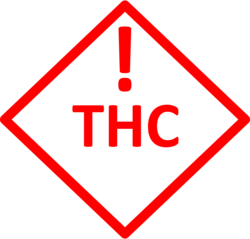
- Red Diamond with “THC” – The symbol of the red diamond with the letters “THC” clearly displayed inside, making it easy for consumers to recognize at a glance that the product is psychoactive.
- Size Specifications – The universal symbol must be at least 6mm by 6mm in size to ensure visibility and clarity.
- Applies to All Cannabis-Infused Packaging – This symbol requirement applies to all cannabis-infused products, including edibles, concentrates, and topicals. It helps to ensure consistent identification across a wide range of cannabis products.
This symbol helps protect consumers by clearly signaling the presence of THC. It ensures that the product is easily identifiable and that users are fully aware of what they’re purchasing.
Cannabis Product Labeling Compliance in Colorado
To ensure compliance with Colorado’s cannabis product labeling regulations, all cannabis product packages must include the following information:
- License Numbers – The license number of both the cultivation facility and the retail outlet where the product was sold must be clearly stated. This confirms that the product has been legally produced and distributed.
- Harvest Batch Number and Net Weight – Each product must include the harvest batch number, which allows for traceability, and the net weight of the product to provide consumers with accurate details about the amount they’re purchasing.
- Ingredient List – A complete list of ingredients must be included, including any potential allergens. This helps consumers make informed choices, especially those with allergies or dietary restrictions.
- THC and CBD Content – The total tetrahydrocannabinol (THC) and cannabidiol (CBD) content must be listed in milligrams, both per serving and per package. This ensures that consumers know exactly how much of each compound they’re consuming.
- Storage Instructions and Expiration Dates – For perishable products, clear storage instructions and an expiration or “use-by” date must be included. This helps maintain product quality and ensures the product is consumed within its safe and effective timeframe.
Colorado Cannabis Packaging Font Size Standards
Colorado regulations also specify minimum font size requirements for cannabis product labels to ensure readability:
- Warning statements must be in an 8-point font.
- The universal THC symbol must be clearly distinguishable from other elements.
- Product names and descriptions should be printed in a way that does not mislead consumers.
Prohibited Terms on Colorado Marijuana Packaging
Colorado enforces strict rules on what can and cannot appear on marijuana product packaging to prevent misleading claims and protect consumers. The following terms and imagery are strictly prohibited:
- Appealing to Minors – Packaging cannot include any references or imagery that may appeal to children (i.e. cartoons, toys, or child-friendly designs). This rule ensures that cannabis products are marketed appropriately for adults and do not attract underage consumers.
- False or Misleading Health Claims – Packaging must not make unverified or misleading health claims, such as “cures cancer” or “safe for all ages.” These types of statements can mislead consumers and promote unsafe use.
- Exaggerated Potency Claims – Terms like “high potency” or “best on the market” are not allowed. These claims suggest the product is superior in potency or quality without supporting evidence, potentially misleading consumers.
These regulations help maintain the integrity of cannabis marketing in Colorado, ensuring that products are advertised honestly and safely.
Recent Updates and Compliance Considerations
- Use-By Dates – As of January 2024, all cannabis products must include a “use-by” date and recommended storage conditions.
- Edible Serving Sizes – Since July 2019, marijuana edibles must be pre-portioned into servings of no more than 10mg THC, with each serving individually marked or wrapped.
- Exit Packaging – All dispensaries must place purchased cannabis products in opaque, child-resistant exit bags before customers leave the store.
Final Word
Colorado’s cannabis packaging laws are strictly enforced to promote consumer safety and regulatory integrity. Dispensaries and manufacturers must stay updated with any changes to avoid legal penalties and ensure responsible marketing.
By following these Colorado marijuana packaging requirements, businesses can maintain compliance, protect consumers, and contribute to the responsible growth of the cannabis industry. Not sure where to begin? That’s where Custom 420 Supply comes in.
Our team ensures that you receive packaging 100% compliant with Colorado’s guidelines. If you want to learn more, we invite you to reach out through our contact page.
Colorado Marijuana Packaging Requirements FAQs
Cannabis products in Colorado must include the license numbers of the cultivation and retail facilities, the harvest batch number, ingredient list, THC and CBD content, and storage instructions, along with expiration dates for perishable products.
Yes, Colorado requires that certain labeling information, including the THC content and health warnings, be displayed in a font size that ensures readability, but specific font sizes may vary depending on the label’s size and space.
All cannabis products must be sold in child-resistant packaging that meets the standards set by the Consumer Product Safety Commission (CPSC) to prevent children under five from opening that container.