We delve deep into the Chinese New Year, an event rich in tradition/cultural significance and tangible impacts on global supply chains. The festival is celebrated in China and by Chinese communities worldwide. It’s synonymous with family gatherings, delectable cuisines, and vibrant displays. Yet, beneath the surface of celebrations, lies a pivotal influence on the flow of goods and services internationally.
The Essence of Chinese New Year
We must immerse ourselves to understand the very essence of the Chinese New Year. And to appreciate its overarching influence on production and supply facets.
Stemming from lunar calendar observances, the festival typically occurs between January 21 and February 20, engulfing the nation in weeks of preparation and celebration. The festival encompasses far more than a single day of celebration; it’s an approximately 15-day affair, culminating in the Lantern Festival. This extended period is a time of halted operations, ceased production, and a palpable slowdown across various industrial sectors.
Impact on Manufacturing
Our focus shifts towards the substantive impacts on manufacturing sectors during the festival period. With factories and production units shutting down or operating at minimized capacities, a ripple effect permeates through global supply chains. More specifically affecting industries highly involved with Chinese manufacturing, such as packaging, electronics, textiles, and more.
The pause in manufacturing output does not merely span the official holiday duration. It extends for weeks (if not months) on either side due to preparatory and recovery periods.
Pre-Emptive Strategies and Preparations by Businesses
Proactive businesses, acutely aware of the impending manufacturing hiatus, often engage in strategic planning, such as stockpiling inventory to mitigate potential shortages. The anticipatory strategies may include advancing production schedules, establishing alternative supplier relationships, and augmenting inventory levels. These tactical moves aim to ensure continuity in supply chains, safeguarding against production disruptions emanating from the festive cessation.
Post-Festival Recovery and Reinitiation
The post-festival period is no less critical, embodying a phase of recovery and reinitiation for industries and supply chains alike. The reactivation of manufacturing units, reinstating labor forces, and re-establishing production rhythms collectively delineate a period that demands meticulous management to regain pre-festival operational levels. This recovery phase frequently witnesses a surge in production to compensate for the preceding dormant period, aiming to stabilize supply chains and fulfill pent-up demand.
Global Supply Chain Disruptions
The Chinese New Year’s monumental effect is not confined to localized regions but infiltrates global supply chain mechanisms. International businesses, particularly those reliant on Chinese-produced components, inevitably encounter disruptions, manifesting as delayed shipments, inventory shortages, and cascading effects on production schedules elsewhere.
These ramifications underline the necessity of understanding and strategically planning around the Chinese New Year to navigate through the inevitable turbulence effectively.
Final Word
In conclusion, the Chinese New Year transcends its cultural and festive significance. It embeds substantive influences on manufacturing and global supply chains. The festival’s timeline, enveloping preparatory, celebratory, and recovery phases, necessitates astute strategic planning and adaptive mechanisms from businesses worldwide.
Many manufacturing facilities rely on components from China even if they produce elsewhere. Here at Custom 420 Supply, we can help you prepare ahead of time and forecast your packaging needs to work around supply chain disruptions. Do not get caught behind the curve by under-preparing!
The cannabis industry has grown exponentially. Its diversifying its market and stretching its tentacles into various sectors, from recreational use to medicinal applications. Amidst this boom emerges a pivotal aspect that demands our collective attention and conscientiousness: child-resistant cannabis packaging.
Undoubtedly, the importance of integrating robust and practical child resistance into cannabis packaging cannot be overstated. It weaves a secure thread that intertwines consumer safety with responsible distribution and usage.
A Confluence of Safety and Compliance
In a sphere where the consumer base is as diverse as the product offerings, it’s paramount to ensure that cannabis products are packaged in a manner that is safe and compliant with regulatory standards. This not only substantiates the industry’s commitment to safeguarding the younger demographic but also fortifies its standing in terms of legal adherence and social responsibility.
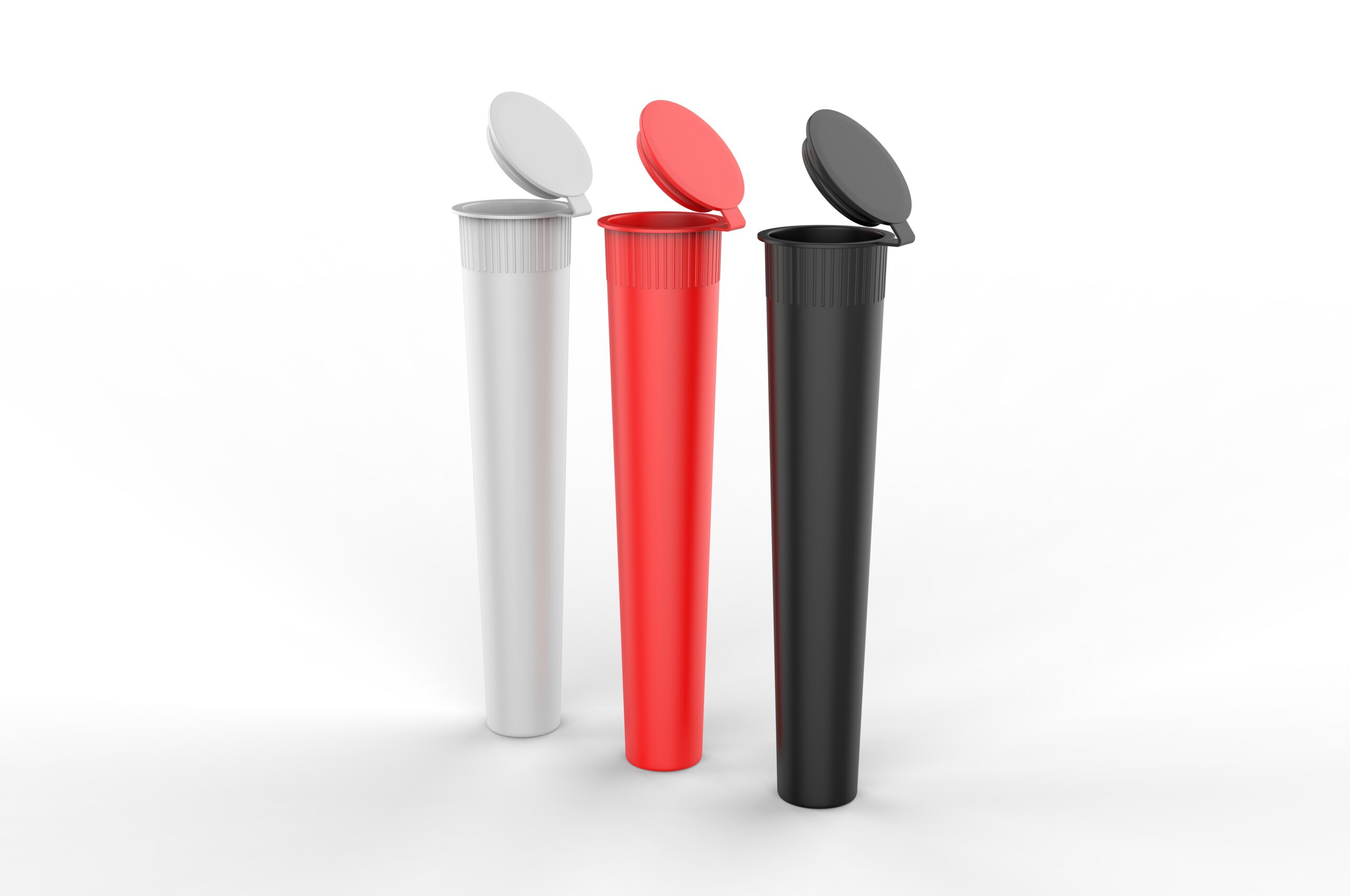
Children are inherently curious and explorative. They often navigate through items that may pose significant risks if consumed or handled improperly. CR packaging stands as a formidable barrier. Its meticulously designed to be effortlessly managed by adults while remaining notably challenging for children to open.
Nurturing a Responsible Image
The incorporation of child-resistant mechanisms in packaging strategies meets the statutory prerequisites and broadcasts a potent message regarding ethical stance. This consideration not only en-shields the vulnerable but also mitigates the potential reputational risks associated with accidental ingestion by minors.
Moreover, an industry that’s presented as being innately responsible and considerate of societal well-being inherently garners a favorable public and market perception. It advances the narrative of a sector. Showing that it’s not solely profit-driven but is deeply embedded in cultivating a positive and responsible image.
Investing in Innovative CR Solutions
Investing in innovative CR packaging solutions promises a sustainable trajectory that reflects an aware and conscious market presence. These solutions amalgamate cutting-edge technology and user-friendly design. They ensure that packaging is compliant with safety norms and convenient/accessible for adult users.
An effective CR packaging solution reconciles sturdiness with ease of use. It employs mechanisms that are intuitive to adults while persistently deterring access by children. The cannabis industry, thereby, embeds itself with a dynamic that serves its compliance/safety agenda and propagates a user-oriented approach.
Encapsulating Sustainability and Safety
Integrating sustainability with safety, the canvas of CR packaging can be painted with environmentally friendly materials. These processes serve to protect children and conscientiously contribute to environmental conservation.
Biodegradable materials, recycling-oriented packaging designs, and resource-efficient manufacturing processes stitch together a strategy that serves dual purposes. It projects the cannabis industry as a realm that is attentive to the immediate social/ethical responsibilities and foresees/addresses long-term environmental challenges.
A Consistent Path Towards Educational Initiatives
The amalgamation of CR packaging with consistent educational initiatives forms a holistic approach towards safe cannabis use. Educating the adult consumer base about the paramount importance of CR packaging and providing clear instructions regarding its usage and safe storage practices amplifies the effectiveness of the packaging itself.
Moreover, aligning CR packaging with educational materials that underscore the potential risks and safety protocols ensures that messages are coherent and reinforced at every consumer interaction point.
Final Word
The architecture of CR packaging in the cannabis industry lays down a foundation that’s deeply rooted in safeguarding the young and vulnerable, while concurrently scaffolding an image that’s responsible, compliant, and user-centric. From adhering to legal paradigms to nurturing a societal image that is ethically and environmentally attuned, child-resistant packaging emerges not just as a regulatory mandate but as a principle and strategic choice.
In entwining safety, compliance, innovation, sustainability, and education into its tapestry, the cannabis industry fortifies its stance, projecting a future that is as secure and stable as it is pioneering and prosperous. If you need child-resistant packaging, you can contact us to learn more!
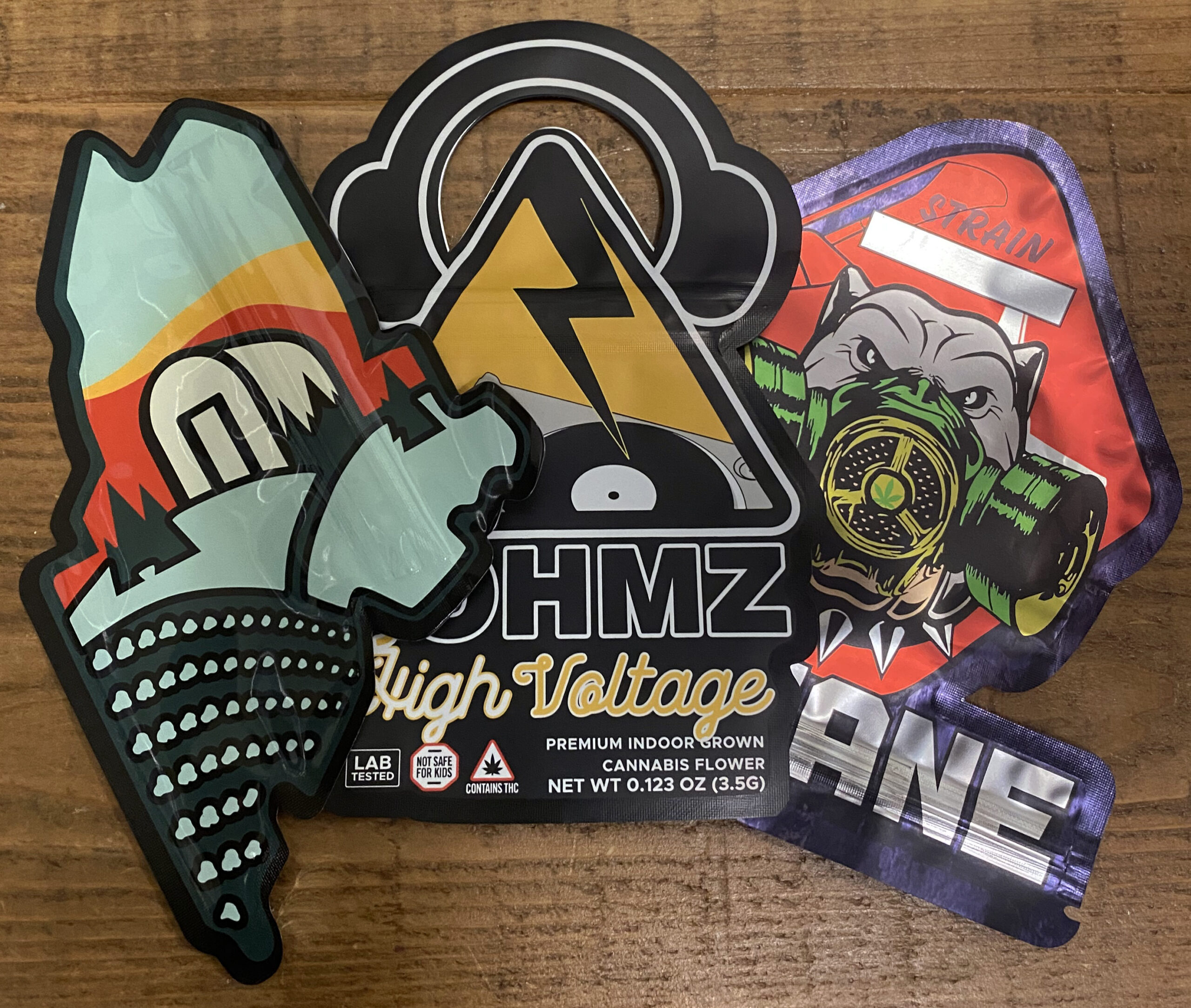
A die-cut mylar bag is a specific type of packaging bag made from mylar – a polyester film known for its strength, flexibility, and resistance to moisture and oxygen. The “die-cut” part refers to a process where the material is cut into specific shapes using a die (a specialized cutting tool).
These bags appear similar to a die-cut sticker. However, they work as a functional double-sided bag with or without a child-resistant/smell-proof zipper. Furthermore, they are currently most often used for storing cannabis flower or edibles.
How are Die-Cut Mylar Bags Created?
To create a die-cut mylar bag, it must go through the following steps:
Design Blueprint – Every Mylar bag begins with a carefully crafted design, the blueprint that defines its shape and pattern. Need some inspiration? Check out our top cannabis design trends.
Die Crafting – A custom metal die is created with precision, serving as the essential tool to transform the design into reality.
Precision Cutting – The Mylar film is sliced into the desired shape in a die-cutting machine.
Featured Integration – After cutting, functional features (i.e. zippers, tear notches, clear windows, etc.) are added to enhance the bag’s usability.
What Makes Custom Die-Cut Mylar Bags Stand Out?
If you choose a die-cut mylar bag for your cannabis products, you want your design to stand out. So, how can you make that happen? Here are a few things to consider:
Customized Shapes and Sizes – Die cutting gives you the liberty to customize your Mylar bags into any shape and size. Consider what your customers desire, what’s convenient to carry around, and what allows your brand identity to shine.
Visual Impact – With a die-cut, your cannabis products are bound to stand out from the competition. As with other custom Mylar bags, you also have the option to ensure bold visuals and intricate designs.
Since die-cut packaging is primarily used for marketing appeal, it’s important to consider these factors before your purchase.
Benefits of Custom-Shaped Die-Cut Mylar Bags
We’ve laid out eight essential reasons why so many cannabis businesses turn to custom die-cut mylar bags:
1.) Barrier Properties
Mylar provides an excellent barrier against moisture, light, and oxygen. All of these can degrade the quality of cannabis. By preventing these elements from reaching your product, mylar bags help maintain the product’s potency, aroma, and flavor.
2.) Child-Resistant Options
Many jurisdictions have regulations around child-resistant packaging for cannabis products. Some mylar bags meet these standards, ensuring children can’t easily access the product.
3.) Tamper Evidence
Some mylar bags have features that show if the bag has been opened or tampered with. This is important to ensure product safety and integrity. It’s also easy to heat seal or add a tamper-evident label.
4.) Customization
The die-cut process allows customization in various shapes and sizes, suitable for different products. Additionally, you can print custom designs, and information, making them ideal for branding and marketing.
5.) UV Protection
Ultraviolet light can degrade cannabis, reducing its potency and altering its effects. Mylar bags often have a UV protective layer that shields the product from harmful rays.
6.) Durability
Mylar bags are tough and puncture-resistant, protecting the cannabis buds from damage.
7.) Cost-Effective
Mylar bags can be more cost-effective than other packaging options, especially when purchased in bulk.
8.) Odor Containment
One of the distinct characteristics of cannabis is its strong aroma. Mylar bags effectively contain these odors. This ensures discretion for the end user and also prevents the scent from permeating other items nearby.
Final Word
Due to these beneficial properties, many cannabis businesses opt for die-cut mylar bags. They ensure the product’s safety, freshness, and market appeal. The unique shapes also allow them to be exclusive to your brand.
Still, it can be difficult to source quality cut-out mylar bags. That’s where we come in! If you want to customize your cannabis brand’s experience, we invite you to reach out through our contact form.
Custom Die-Cut Mylar Bags FAQs
Why is Mylar expensive?
Mylar is expensive because of its unique abilities. The material can prevent oxygen and other gases from contaminating what’s inside. This is an essential feature for products that need to stay fresh.
Can you DTF Mylar bags?
Direct and thermal transfer printing is preferred if you have a high-quality and detailed design. You can opt for labeling and handwriting for simpler designs or smaller operations.
What type of printer can print out Mylar bags?
To effectively custom-print Mylar bags, you need a printer that can handle its material. Two types are most effective: inkjet printers and toner-based printers.
The world of cannabis consumption is rapidly evolving. With the ever-increasing demand for cleaner and safer methods, ceramic vapes have emerged as the future.
Throughout our comprehensive guide, we’ll provide an overview of ceramic vape coils, from their advantages to why they’re the pinnacle of modern cannabis technology. Furthermore, we’ll provide insight as to why this is a safer option compared to metal vape coils.
What are Ceramic Vapes?
Regarding vape technology, we usually talk about the differences between heating wires. However, ceramic incorporates metal (usually kanthal or a similar alloy) like other coils.
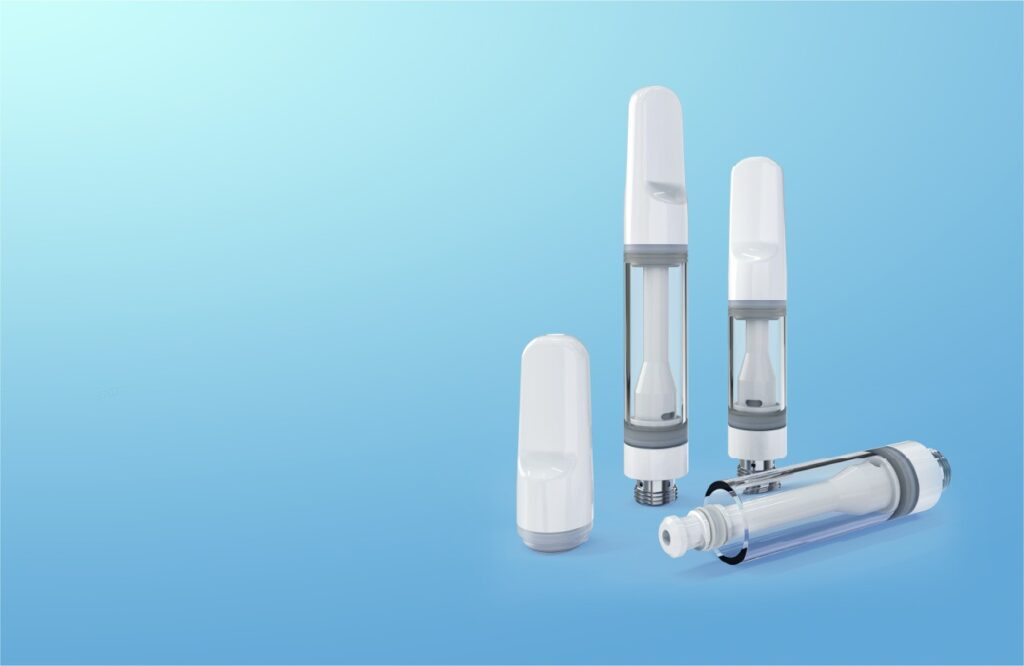
The key difference with ceramic is the wick – instead of a cotton wick, these vaporizers incorporate a ceramic wick.
Such a wick possesses significant thermal endurance. In other words, it can endure high temperatures while remaining completely heat resistant.
Previously, most vapes incorporated cotton wicks. However, these cannot withstand the high temperatures common in long-term vaping. As such, many products have made the switch.
Mesh vs. Ceramic: What’s the Difference?
Naturally, you have a lot of options outside of ceramic coils when it comes to vaping. One of the most popular are mesh coils.
These are frequently used in vape pens and are very similar to ceramic in their design. The key difference is mesh uses a wick coil and ceramic does not.
Pros of Ceramic Vapes
Now that you understand ceramic coils, you may wonder what the pros of these products are. Here are the most notable:
Inherent Purity
The ceramic material boasts a unique combination of purity and robustness. Traditional materials like metals or plastics often suffer from the potential release of harmful chemicals, especially under the intense heat required for vaporization.
On the other hand, ceramic vape pens are inherently inert. This means that when you vape using a ceramic coil or chamber, you ensure a pure experience, devoid of foreign contaminants.
Optimal Heat Distribution
One of the primary concerns with vaporizers is the even distribution of heat. Uneven heating can waste cannabis and produce an inconsistent vaping experience.
Ceramic’s ability to evenly distribute heat ensures that your cannabis is vaporized uniformly. This results in:
Smoother hits
Better flavor retention
Maximized utilization of cannabis material
Longevity and Durability
Ceramic vape components are renowned for their durability. Metal coils may degrade or corrode over time, leading to a subpar vaping experience. However, ceramic can withstand repeated use without significant wear and tear.
This ensures a consistent experience over time and translates to savings (as users don’t need frequent replacements). Ceramic disposables currently comprise the most durable vape option on the market.
Eco-Friendly and Sustainable
In the era of conscious consumption, sustainability is not just an added benefit – it’s a necessity. Being a natural material, ceramic poses less of an environmental burden in its production and disposal (compared to plastics or metals).
By choosing ceramic cannabis vaporizers, users make an eco-friendly choice, aligning with the broader global movement towards sustainability.
Flavor Preservation
For the connoisseur, cannabis’s flavor profile is as important as its potency. With ceramic vaporizers, there’s minimal interference with the natural terpenes and flavonoids present in cannabis. This ensures that users can savor true, nuanced flavors of their chosen strains, elevating the entire vaping experience to gourmet levels.
Industry and User Verdict
Leading players in the cannabis industry have already recognized the unmatched benefits of ceramic vaporizers. This is evident from the surge in research and development geared toward ceramic technology.
Furthermore, user testimonials concerning ceramics have been overwhelmingly positive. Users across forums, social media, and feedback platforms laud ceramic vape coils for their unmatched:
Purity
Flavor
Preservation
Longevity
This collective approval from thousands of users worldwide further consolidates ceramic’s position as the future of cannabis vaporization.
Final Word
Ceramic cannabis vaporizers stand head and shoulders above alternative materials because of their multitude of advantages. Their ability to deliver a pure, flavorful, and consistent experience, coupled with their inherent durability and eco-friendliness, positions them at the forefront of modern cannabis technology.
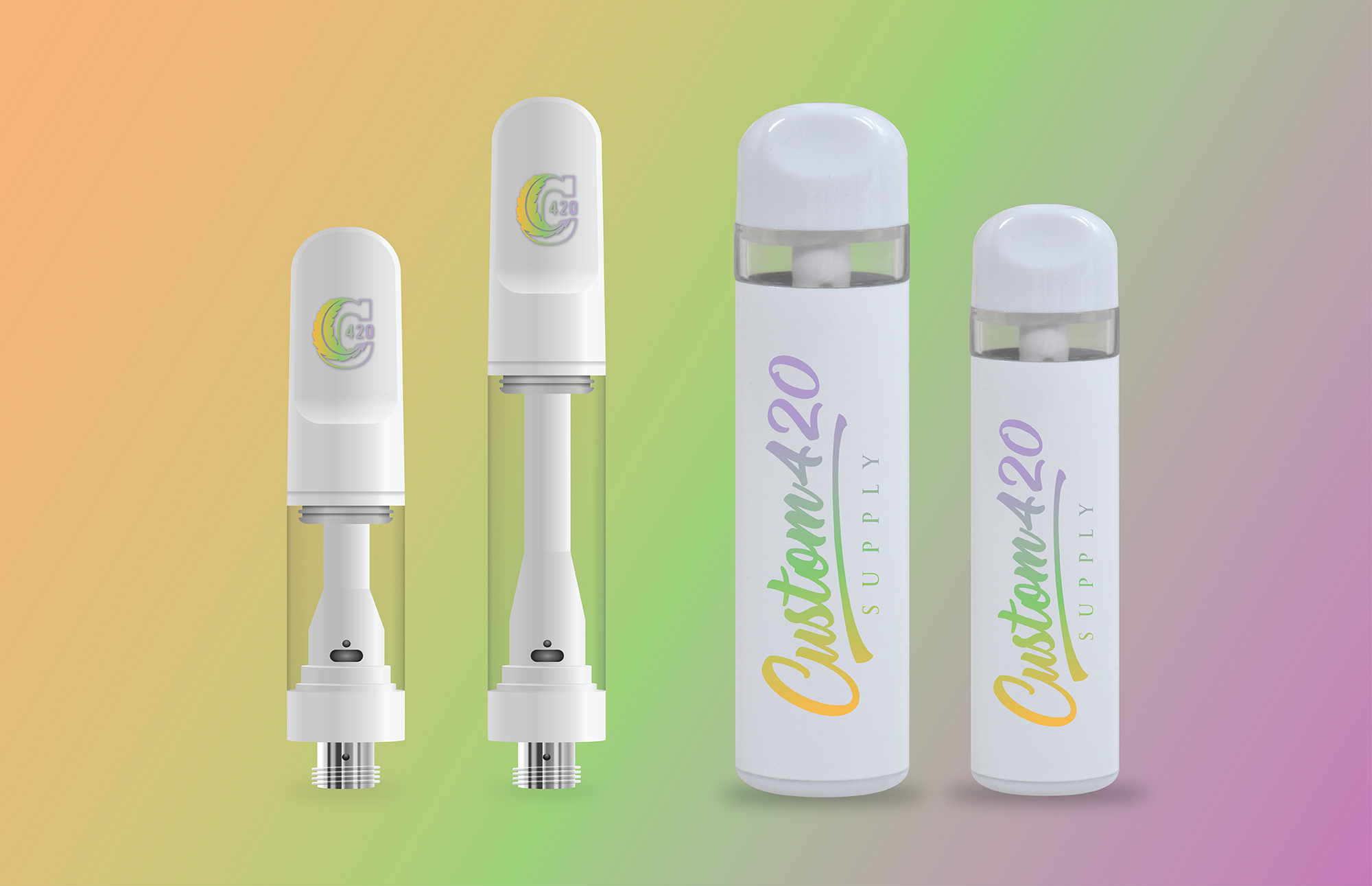
As the cannabis industry continues its trajectory of growth and innovation, ceramic vaporizers will undoubtedly play a central role, heralding a new era of safe and refined cannabis consumption. Test out our stock ceramic disposable vape pens before going custom!
Ceramic Vapes FAQs
Are ceramic vape coils better?
Generally speaking, ceramic vape coils are a better option for their even heat distribution, increased lifespan, and eco-friendliness.
Are ceramic coil vapes safe?
Ceramic coils provide fewer health risks compared to low-quality cartridges that utilize metal coils or cotton-wicking agents.
Are ceramic tips on vape cartridges best?
Some will find a ceramic vape cartridge is best as it provides a cleaner vaping experience packed with more flavor.
The cannabis industry has exploded in popularity, bringing forth an urgent need for standardized packaging and labeling. If you’re in the business of these products, mastering cannabis compliance labels isn’t just about following the rules. It’s about building customer trust and protecting your brand from cost penalties. Let’s break it down.
Key Regulations for Cannabis Labeling Compliance
Regulations may vary based on your jurisdiction, but some essential elements apply almost everywhere. Here’s what you need to include to ensure cannabis labeling compliance:
Product Information – Clearly state the product name, strain, and type.
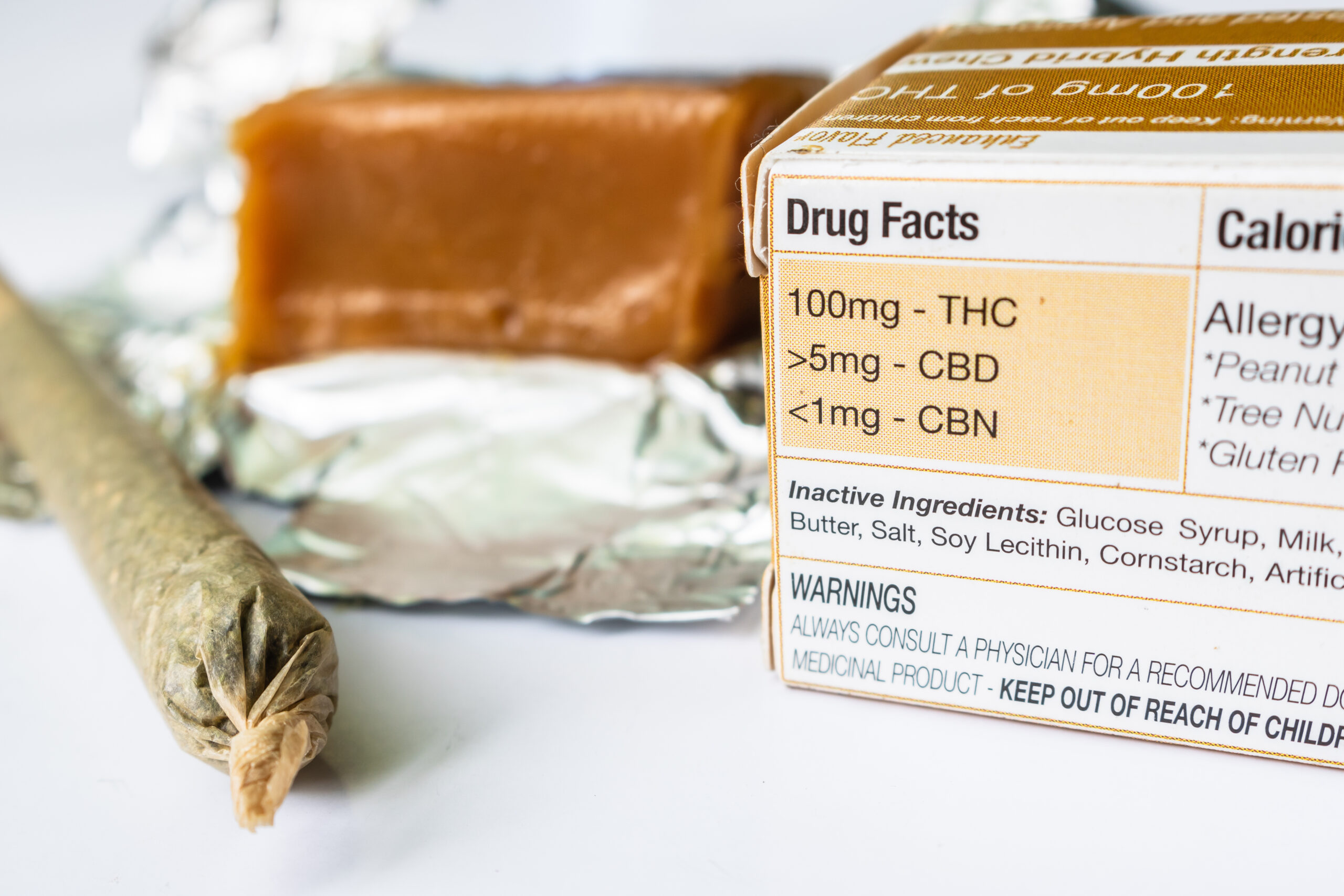
THC and CBD Content – Accurately list percentages of tetrahydrocannabinol (THC) and cannabidiol (CBD) to keep consumers informed.
Safety Warnings – Include potential side effects, proper usage instructions, and legally required warning symbols.
CA Prop 65 Warning – If your cannabis products are sold in California, a CA Prop 65 warning may be required to notify consumers about potential exposure to harmful chemicals.
How to Ensure Compliance for Cannabis Labels
Staying compliant with cannabis label regulations requires a proactive approach. Consider the following steps:
Stay Up to Date on Regulations – Laws change frequently, so it’s essential to monitor federal and state regulations. Each state has a unique set of rules regarding cannabis packaging and labels. Therefore, you’ll want to check with local regulatory agencies.
Consult with Compliance Experts – If you’re unsure whether labels meet all the requirements, work with professionals who specialize in cannabis compliance. A legal expert can help you avoid costly mistakes.
Regularly Audit and Update Labels – Schedule periodic reviews of your labels to ensure they still align with the latest laws. Compliance isn’t a one-time effort, it’s an ongoing process.
Best Practices for Cannabis Compliance Labels
Beyond meeting legal requirements, well-designed labels can enhance your brand and improve customer trust. To create labels that are compliant and effective, consider the following:
Use Clear, Readable Typography – Your labels should be easy to read, especially important details like THC and CBD content.
Include Symbols that Matter – Regulatory bodies require specific symbols, such as the universal cannabis warning icon. Make sure yours are accurate and properly placed.
Add QR Codes – These can link to additional information, such as lab results, ingredient details, or safety guidelines, enhancing transparency.
Choose Durable Materials – Labels should withstand handling, moisture, and temperature changes to prevent fading and peeling.
Common Cannabis Labeling Mistakes to Avoid
Even small errors on a label can result in hefty fines or recalls. Here are some pitfalls to watch out for:
Misprinting THC/CBD Content – Even minor discrepancies can lead to regulatory action.
Using Misleading Imagery – Avoid cartoonish designs or anything that might appeal to children.
Ignoring Font Size Requirements – Regulations may specify minimum font sizes crucial for information. Double-check your local jurisdiction.
Final Word: Stay Ahead in Cannabis Label Compliance
The cannabis industry is evolving rapidly, and staying in line with cannabis compliance labels is essential for success. By keeping up with regulations, designing clear and informative labels, and avoiding common pitfalls, your brand can stand out for the right reasons.
Cannabis compliance refers to adhering to state and federal laws regarding the cultivation, sale, packaging, and labeling of cannabis products. This ensures customer safety and regulatory adherence.
Can you put your own label on CBD products for retail?
Yes, but only if the product meets all cannabis labeling compliance regulations. Private labeling is common, but retailers must ensure their labels meet legal requirements before selling.