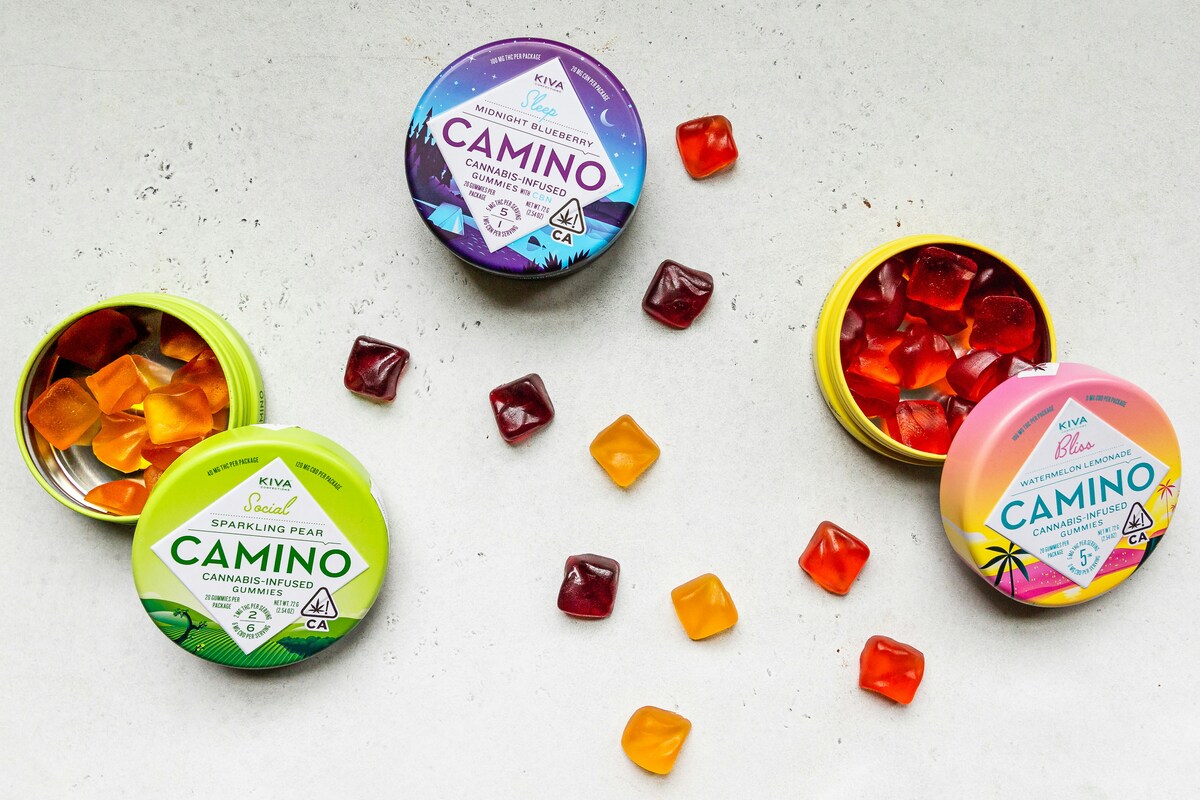
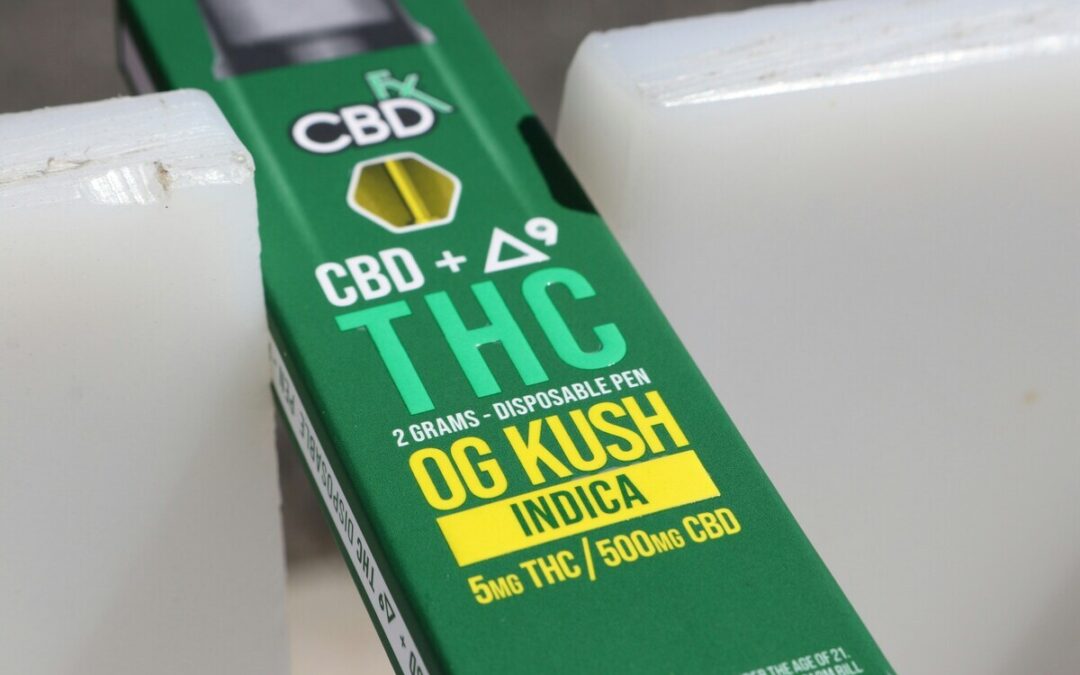
The cannabis industry is booming, and entrepreneurs are taking notice. If you’re wondering how to start a cannabis brand, you’re stepping into a market full of opportunity.
However, it’s not as simple as growing a plant or selling a product. Successful cannabis brands require careful planning, compliance with local or national regulations, strategic branding, and smart business operations.
This guide will walk you through how to start a cannabis brand from scratch. You’ll learn how to:
Even if you’re new to the cannabis industry, by the end, you’ll have a clear roadmap to create and grow your own cannabis brand.
Before you dive in, grab our free Cannabis Brand Launch Checklist, a complete, step-by-step guide designed to help new founders launch their cannabis brand the right way and avoid costly mistakes.
The legal cannabis market has grown rapidly over the last decade. If you’re learning cannabis brand strategy, understanding the industry landscape is essential.
Globally, legal cannabis sales totaled $30.1 billion in 2024, driven by recreational, medical, and wellness segments. Consumers are shifting beyond traditional flower to value-added products like edibles, concentrates, vapes, topicals, and functional wellness products.
Regulations vary widely by region. In the U.S., each state sets its own rules for cultivation, processing, distribution, and retail. There is no uniform federal standard, so a strategy that works in California may not apply in New York or other states. In Canada, provincial laws govern distribution and retail, while international markets may have completely different frameworks for medical or CBD products.
Knowing the market landscape helps you identify where your brand can operate legally, which products are in demand, and how consumer preferences are evolving. This knowledge is critical to building a compliant, competitive, and profitable cannabis brand.
Step 1: Decide What Kind of Cannabis Brand You’ll Build
The first major decision you’ll make for your cannabis business is choosing your business model and product focus. This choice will shape your operations, licensing needs, startup costs, and marketing strategy.
Product Types
Cannabis brands can focus on one or more of the following:
Flower & Pre-Rolls –Traditional cannabis products, often high in tetrahydrocannabinol (THC) for recreational use or high in cannabidiol (CBD) for wellness and therapeutic purposes.
Vapes & Concentrates – Oils, distillates, shatter, or cartridges for inhalation. Popular among experienced consumers.
Edibles & Beverages – Gummies, chocolates, drinks, or infused foods that provide discreet and convenient consumption options.
Topicals & Wellness Products – Lotions, balms, tinctures, or non-intoxicating CBD products targeting health and wellness markets.
CBD or Hemp Products – Often legal across state lines, making them suitable for e-commerce, supplements, and wellness-focused brands.
Business Models
Your business model determines how you operate and generate revenue. Common approaches include:
Vertically Integrated – You handle cultivation, manufacturing, and retail. Offers higher margins but requires significant capital and regulatory compliance.
White-Label / Co-Packing – You brand and market products manufactured by another licensed company. Lower upfront costs and faster time-to-market.
Brand-Only / Licensing – Focus solely on marketing and sales, licensing your brand to manufacturers while minimizing operational responsibilities.
Retail or Delivery Brand – Operates dispensaries or delivery services and sells branded products directly to consumers.
Choosing the right model depends on your startup capital, desired control, regulatory feasibility, and target market. Many first-time entrepreneurs start with white-label or co-packing models because they reduce operational risk while still allowing strong brand-building.
Step 2: Research and Market Validation
Before investing time and money, it’s essential to validate your idea. Market research ensures there’s demand for your products and that your business can operate legally and competitively.
Identify Your Target Customers and Use Cases
Understanding your customers is critical. Ask who will buy your products and why:
Medical patients – Seek therapeutic benefits, strain-specific effects, and consistent dosing.
Recreational users – Look for convenience, flavor, potency, and an engaging brand experience.
Wellness enthusiasts – Interested in CBD, functional formulations, or adaptogenic products for daily health and relaxation.
Conduct Competitive Research
Analyze existing products, pricing, and packaging in your target market. Look for gaps or opportunities:
Are certain effects, flavors, or formats underrepresented?
Which distribution channels (retail, delivery, or e-commerce) are underserved?
What packaging or branding trends are resonating with consumers?
Understand Regulatory Requirements
Compliance is non-negotiable in the cannabis industry. Research your local rules:
Check licensing windows and application requirements for cultivation, manufacturing, or retail.
Understand zoning laws for dispensaries, cultivation sites, or processing facilities.
Learn advertising restrictions, labeling rules, and what health claims are allowed.
Tip: Most states provide starter kits or official guidance online detailing compliance requirements. Start with your local government resources to save time and avoid costly mistakes.
Step 3: Build a Cannabis-Specific Business Plan
A solid business plan is essential when learning the best practices for cannabis business strategy. It helps you outline your strategy, secure funding, and ensure compliance in a highly regulated industry. Your plan should include the following components:
Core Sections of Your Business Plan
Executive Summary – Your vision, target market, and growth strategy.
Market Analysis – Key trends, consumer behavior, and competitive landscape.
Product Mix – The products you’ll sell, formulations, and branding approach.
Operations Plan – Production processes, supply chain management, and staffing.
Compliance Plan – Licensing requirements, product testing, and standard operating procedures (SOPs).
Security Plan – Surveillance, access control, and recordkeeping measures.
Financial Model – Startup costs, projected revenue, and unit economics.
Exit Strategy – Plans for acquisition, licensing, or scaling your brand.
Costs vary depending on your business model, product type, and local regulations, so plan accordingly.
Key Performance Indicators (KPIs) to Track
Monitoring KPIs before and after launch helps ensure your cannabis brand stays on track:
License approval timelines
Product testing pass rates
Marketing engagement metrics
Sales conversions and profit margins
Step 4: Licensing, Permits, and Compliance
Understanding cannabis branding for startups means knowing that licensing and compliance are non-negotiable. Requirements vary widely by state, province, or country, so it’s critical to follow your local regulations carefully.
Common Licensing and Permit Requirements
Most jurisdictions require some combination of the following:
State or provincial cannabis license for cultivation, manufacturing, or retail
Local zoning approval for your facility or dispensary
Facility plans with security protocols
Standard operating procedures (SOPs) for production and safety
Supply-chain records and batch tracking
Owner background checks and proof of financial stability
Ongoing Compliance Obligations
After licensing, maintaining compliance is an ongoing responsibility:
Seed-to-sale reporting to track all products
Product testing and quality assurance for safety and potency
Packaging and labeling standards, including child-resistant and regulated labeling
Advertising restrictions, including social media and online promotions
Expert Guidance
Hiring a cannabis attorney or compliance consultant is strongly recommended, especially for vertically integrated or white-label operations. Mistakes in licensing or compliance can be costly, and in some cases, they can shut your business down entirely.
Step 5: Operations and Tech Stack
A robust operations setup and technology stack are essential when learning the cannabis industry, helping you stay compliant, efficient, and ready to scale:
POS & Inventory Systems – Use seed-to-sale compliant platforms to track products from production through retail. These systems streamline inventory management, reporting, and regulatory audits.
Security & Surveillance – Implement cameras, alarms, access control, and data retention policies. Many jurisdictions require these measures to protect your products and comply with regulations.
Facilities – Define the purpose of your space (cultivation, manufacturing, or distribution), as this affects equipment, licensing, and workflow design.
Vendors – Carefully evaluate co-packers, processors, and testing labs for reliability, regulatory compliance, quality standards, and turnaround times. Strong vendor relationships support consistent product quality and operational efficiency.
Step 6: Supply Chain, Sourcing, and Manufacturing
Building a reliable supply chain is critical when learning how to start a cannabis brand. Every decision impacts product quality, compliance, and brand reputation:
Grow vs. Contract vs. Third-Party Manufacturing – Decide whether to cultivate in-house, work with a contract grower, or use third-party manufacturers. Consider the trade-offs between control, cost, and scalability.
Quality Control – Mandatory testing ensures potency, consistency, and safety by checking for contaminants and verifying product specifications. Strong quality control builds consumer trust and protects your brand.
Packaging & Child-Resistant Compliance – All products must meet labeling requirements, include THC warnings, and use tamper-evident packaging. Sustainable packaging can also enhance your brand image and appeal to environmentally conscious consumers.
Step 7: Brand, Packaging, and Marketing
Brand Positioning
Your positioning should focus on trust, compliance, and clarity. Key elements include:
Compliance-first messaging that aligns with regulations
Educating consumers on product benefits and safe usage
Clearly communicating product advantages and differentiators
Packaging Pitfalls
Packaging must meet regulatory requirements while supporting your brand image:
Wholesale and retail outreach to expand your distribution network
Go-To-Market Options
Determine the best distribution methods for your products:
Retail dispensaries
Direct-to-consumer sales (where legal)
E-commerce platforms
Delivery services to reach local customers efficiently
Step 8: Sales Channels and Distribution Strategy
Choosing the right sales channels and distribution methods is a key step in your cannabis business. Your approach affects revenue, brand visibility, and compliance.
Retail Partnerships
Work with dispensaries or retail partners to expand your reach:
Negotiate margins, slotting fees, and demo or sample policies
Build relationships that increase product placement and brand awareness
Own Retail / Delivery
Direct-to-consumer channels help strengthen your brand:
Selling through your own retail store or delivery service creates closer customer relationships
Increases brand loyalty and control over the customer experience
B2B Distribution
Expand your reach through business-to-business agreements:
Sell products to other brands or dispensaries under white-label arrangements
Enables faster growth without owning all production or retail operations
Step 9: Finance, Fundraising, and Unit Economics
Understanding the financial side is critical when learning how to get into the cannabis industry. Proper funding, cost management, and unit economics determine whether your business can grow sustainably.
Startup Costs and Funding Sources
Cannabis businesses often require significant upfront investment. Common funding sources include:
Personal capital from savings or existing assets
Friends, family, or angel investors for early-stage funding
Specialized cannabis lenders who understand the industry’s regulatory risks
Strong financial management protects your brand and ensures long-term success:
Track costs, cash flow, and profit margins carefully
Banking can be challenging in regions where cannabis remains federally restricted, so plan accordingly
Tax planning is essential, particularly in the U.S., where Section 280E limits deductions for cannabis businesses
Step 10: Risk Management and Social Responsibility
Managing risk and prioritizing social responsibility are essential for this business. These practices protect your business, customers, and reputation.
Risk Mitigation
Product liability insurance to cover accidents or claims
Recall procedures and SOPs to respond quickly to quality or safety issues
Regulatory compliance monitoring to ensure ongoing adherence to local, state, and national rules
Social Responsibility
Ethical partnerships and transparency in sourcing and operations
Community engagement through education, events, or sponsorships
Harm reduction and responsible use messaging to promote safe consumption
Brands that prioritize safety, transparency, and ethical practices earn consumer trust and loyalty, laying the foundation for long-term success.
Final Word
Launching a cannabis brand is challenging, but with careful planning, compliance, and strategic branding, it’s entirely achievable. Success depends on thorough market research, efficient operations, reliable supply chain management, and building a trustworthy, recognizable brand.
If you need help selecting sustainable, child-resistant, and fully compliant cannabis packaging, Custom 420 Supply can support your launch. Our expertise ensures your products meet regulatory standards while looking professional and appealing on shelves.
Contact us today to get started with packaging solutions that help your cannabis brand shine and stand out in the market.
What budget and resources are required to build a compliant cannabis brand?
Building a compliant cannabis brand typically requires significant capital, depending on your business model. Startup costs can range from $50,000 for a white-label or co-packing operation to over $500,000 for vertically integrated cultivation and retail. Key resources include licensing, legal support, facilities, POS and seed-to-sale systems, testing labs, packaging, marketing, and trained staff. Budgeting for regulatory compliance and quality control is essential.
How do you measure the success of a cannabis branding strategy?
Success can be measured by multiple metrics, including brand awareness, consumer trust, sales conversions, repeat purchase rates, and engagement on marketing channels like social media, email, and events. Compliance and consistent product quality also reflect branding effectiveness, as a trusted, transparent brand builds long-term loyalty.
What are common mistakes to avoid when launching a cannabis brand?
Common pitfalls include ignoring licensing and compliance requirements, underestimating startup costs, failing to conduct market research, overcomplicating supply chains, using non-compliant packaging, and neglecting branding or marketing strategy. Partnering with experienced vendors and staying informed about local regulations helps mitigate these risks.
THC packaging does more than hold a product. For THC products, packaging has three essential roles: safety, compliance, and branding. It prevents accidental use by children or adults, helps regulators track items across the supply chain, and gives businesses a chance to stand out in a crowded market.
But packaging is also one of the most challenging parts of cannabis regulation. Rules change from state to state, updates happen often, and penalties for mistakes can be costly. Whether you are introducing a new edible or updating THC carts packaging, understanding the rules (and applying them in a way that supports your brand) is vital.
This guide explains the core cannabis packaging rules, state differences, product-specific standards, design tips, and enforcement trends that every operator should know.
Key Highlights
Regulatory Compliance is Critical – THC packaging must meet child-resistant, tamper-evident, and labeling requirements, which vary by state and product type.
Design Balances Safety and Branding – Effective packaging combines clear warnings, strategic branding, and accessibility while avoiding designs that appeal to children.
Traceability and Consumer Trust Matter – QR codes, Certificates of Analysis, and sustainable packaging build confidence with regulators and consumers alike.
What “THC Packaging” Really Means
In cannabis, THC packaging refers to consumer-facing packaging for marijuana products with more than 0.3% delta-9 THC. It does not include hemp-derived CBD packaging, which usually follows different and less strict rules.
This packaging falls into three main categories:
Primary packaging – The container that touches the product directly, such as edible pouches or tincture bottles.
Secondary or outer packaging – External wraps or boxes that hold one or more units.
Non-consumer or wholesale packaging – Bulk containers for transport. These face fewer branding rules but must still include tracking and labeling.
The key point: THC packaging is always subject to stricter oversight because it holds products with psychoactive effects.
Core Legal Requirements Across States
While the rules differ by state, most regulators require the same basic standards for marijuana packaging. These standards focus on safety, labeling, youth protection, and material quality.
Child-Resistant and Tamper-Evident Packaging
All THC products must use containers certified as child-resistant, often under ASTM D3475 or the Poison Prevention Packaging Act. Packaging must also be tamper-evident so consumers can see if a product has been opened or altered before purchase.
Product identity and type (example: “Cannabis Infused Chocolate Bar”)
THC content per serving and per package
Ingredient list and allergen warnings for edibles
Batch or lot number for tracking
Manufacturer or distributor name, license number, and contact details
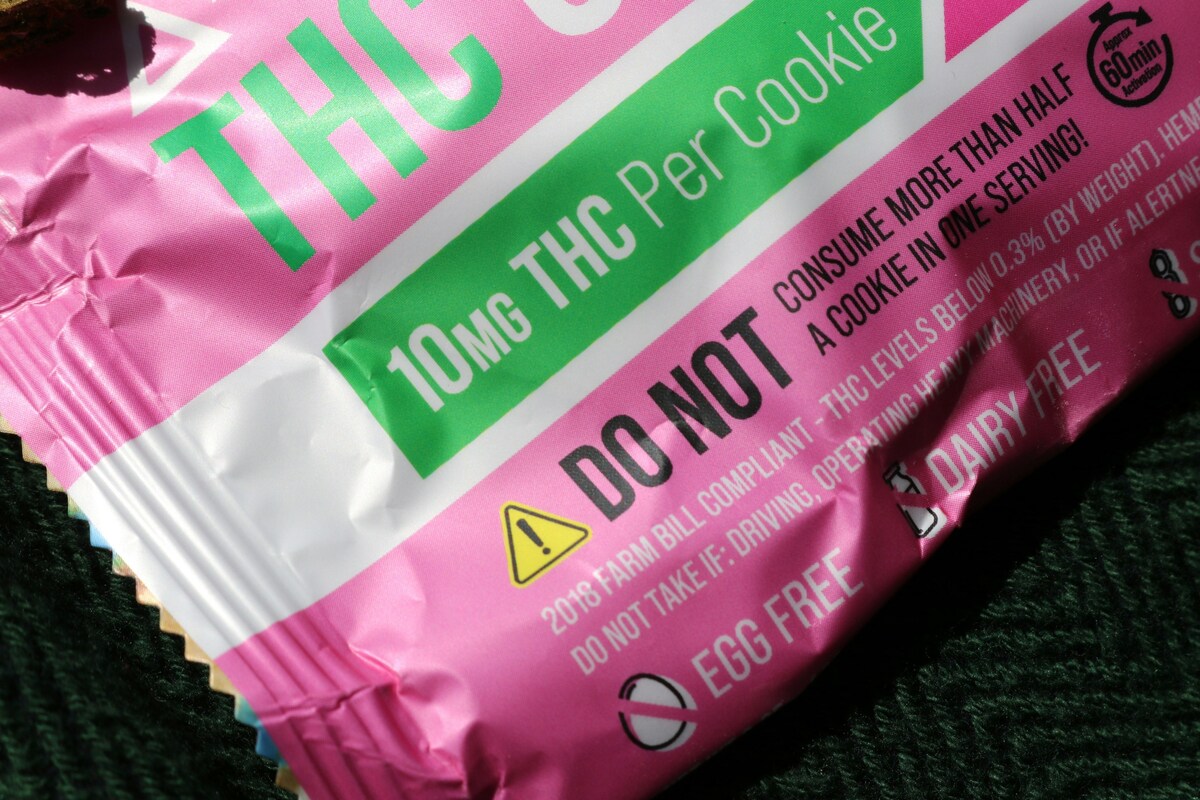
Health and safety warnings (such as “For use by adults 21+ only. Keep out of reach of children.”)
QR code or link to a Certificate of Analysis (CoA)
Restrictions on Youth-Appealing Packaging
Cannabis packaging cannot look like snacks or candy marketed to kids. States ban designs with cartoons, copycat logos, or bright branding that imitates popular foods. Recent enforcement has targeted THC edible packaging that mimics gummy bears, chips, or candy, labeling it “dangerously misleading.”
Material and Food-Contact Safety
Edible packaging must use FDA-approved food-contact materials. For tinctures, concentrates, and topicals, containers must not release harmful chemicals and must protect product quality for its full shelf life.
How State Rules Vary
Each state adds unique requirements on top of the core standards, which makes compliance challenging. For example
California – Requires opaque, resealable packaging for edibles. A universal cannabis symbol must appear on the front panel. THC limits are set at 10mg per serving and 100mg per package.
New York – Requires packaging that is child-resistant, tamper-evident, and sustainable. Bright neon colors and metallic finishes are banned due to youth appeal.
Missouri – Requires FDA-compliant food-grade materials. Edibles must be sold in plain, single-color packaging without images of fruit, candy, or cartoons.
Colorado – Requires the diamond THC symbol on both the outer package and each edible serving. Packaging must also be opaque and resealable.
Because these standards differ so widely, many brands use a compliance matrix (a chart that tracks state-specific rules) before releasing new products.
Packaging Requirements by Product Type
Different product categories come with their own packaging rules and safety considerations.
Flower and Pre-Rolls
Must use resealable, child-resistant, opaque containers such as jars or mylar pouches.
Testing and batch labels must be placed clearly on the package.
Packaging materials need a moisture barrier to preserve freshness.
Edibles
Most states limit a single serving to 10mg THC.
Packages are usually capped at 100mg THC total.
Labels must include a nutrition facts panel and allergen statements.
Packaging cannot look like candy, gummies, or chips meant for children.
Individual wrapping inside the main package is often required.
Concentrates and Vape Cartridges
Cartridges must be child-resistant and sold in tamper-evident blister packs.
Labels must show potency per unit and per gram.
Packaging must include warnings about vaporization health risks.
Topicals and Tinctures
Lotions and creams must state they are for external use only.
Tinctures require measured droppers for accurate dosing.
Tamper-proof caps and storage instructions are mandatory.
Design Best Practices That Stay Compliant and Sell
Compliance does not have to mean dull packaging. Many brands have found ways to meet regulations while creating designs that connect with consumers.
Best practices include:
Clear hierarchy of information – Place THC content and warning statements in visible, easy-to-read fonts.
Strategic branding – Use color and typography to highlight brand identity without copying candy or soda packaging.
Consumer trust cues – Add QR codes that link directly to third-party lab results.
Accessibility – Improve legibility with large fonts, tactile printing, and matte finishes.
Sustainability – Choose recyclable or compostable materials that still meet child-resistant standards.
Studies also show that simple or plain packaging draws more attention to safety warnings and lowers the risk of accidental use.
Traceability, QR Codes, and Lab Result Integration
Regulators increasingly expect digital traceability, and QR codes are the most common solution. A quick scan can link consumers and inspectors to:
Certificates of Analysis (CoAs)
Batch numbers and testing dates
Chain-of-custody or seed-to-sale records
Tip: Host CoAs on a permanent, non-editable URL to strengthen trust and meet regulatory expectations.
Enforcement Trends and Crackdowns
Recent enforcement actions point to two major risk areas:
Child-appealing edibles – Regulators and the FTC have issued fines and warnings against companies selling gummies or cookies in packaging that imitates candy.
Hemp-derived THC products – Items like delta-8 are being seized for missing labels, warnings, or age restrictions.
Brands that stay proactive with compliant packaging can avoid product recalls, fines, and damage to their reputation.
Sustainability and Consumer Perception
Regulators focus on safety, but many consumers also want eco-friendly packaging. The challenge is combining recyclability with child-resistant standards.
Current solutions include:
Compostable alternatives to mylar pouches
Paperboard cartons with child-resistant mechanisms
Recyclable glass jars with tamper-proof lids
Brands that highlight their sustainability efforts can strengthen consumer trust and stand out in a competitive market.
Final Word
THC packaging requires balancing regulatory compliance, consumer safety, and effective brand design. With rules changing frequently by state, the best approach is to prioritize compliance first and then layer in creative branding that avoids enforcement risks.
Are you struggling to properly package your THC products? Custom 420 Supply is here to help! Our in-house team of experts and designers is here to provide you with 100% compliant and shelf-appealing packaging.
Want to learn more? We invite you to reach out through our contact page.
Frequently Asked Questions (FAQs)
Do THC packaging rules differ from CBD packaging?
Yes. CBD products are federally legal (≤0.3% THC) and regulated differently. THC packaging is subject to stricter state rules, especially around child resistance and labeling.
Are transparent windows allowed on THC packaging?
Some states prohibit transparent windows for edibles, requiring fully opaque packaging. Flower packaging may allow small windows if child-resistant.
Can THC edibles look like candy?
No. Packaging must not imitate common snack or candy brands. Most states prohibit any design that appeals to children.
How do I link a CoA to my THC packaging?
Use a QR code that resolves to a permanent webpage with the lab report PDF. Don’t rely on QR codes that expire or redirect.
Can I use mascots or characters in my branding?
Not if they appeal to children. Mascots resembling cartoons or toy characters are often banned.
Delta-8 packaging is more than a design choice; it’s a legal and safety requirement. Businesses must meet strict rules that cover child-resistant features, accurate labeling, and product protection.
Effective packaging does four key things. It protects the product’s potency, ensures consumer safety, meets state and federal regulations, and reflects the brand’s identity. In today’s growing delta-8 market, packaging is both a compliance necessity and a way to stand out with customers.
Regulatory and Safety Considerations
Federal and state regulators are paying closer attention to Delta-8 packaging, especially around safety and how products are marketed.
The Food and Drug Administration (FDA) has issued warnings about edible packaging that looks too much like popular children’s snacks. This has led to accidental ingestions, with poison control centers reporting nearly an 80% increase in Delta-8-related cases involving children between 2021 and 2022.
To lower these risks and stay compliant, Delta-8 packaging should meet the following standards:
Child-resistant – Packaging must be difficult for children to open.
Tamper-evident – Clear indicators should show if a package has been opened or altered.
Clearly labeled – Labels must make it obvious that the product is not regular food or candy.
As oversight continues to increase, brands that follow safety-first packaging rules not only avoid penalties but also build stronger trust with consumers.
Core Packaging Requirements
Protection and Preservation
Delta-8 packaging must protect products from elements that can weaken quality.
Light, oxygen, and heat can reduce potency and shorten shelf life. Packaging should act as a shield against moisture and UV rays.
Advanced options, such as oxygen absorbers and temperature indicators, add another layer of protection.
This applies to all product types, from delta-8 gummy packaging to delta-8 flower packaging, where freshness and potency are key to consumer satisfaction.
Child-Resistance and Tamper-Evidence
Child-resistant packaging is a legal requirement and a safety priority. Common solutions include push-and-slide closures, locking caps, and tamper-evident seals. These features prevent accidental access and show customers that the product is safe and trustworthy.
Labeling and Informational Clarity
Clear labeling helps prevent confusion between Delta-8 products and everyday snacks. Strong labeling should:
Make it clear that the product is not standard food.
Provide dosage guidance, cannabinoid potency, and safety warnings.
List manufacturer details and compliance information.
Labeling is more than a box to check for regulators. It’s also a way to educate consumers and build confidence in the brand.
Material and Structural Design
The choice of materials and structure in Delta-8 packaging affects product safety, consumer trust, and environmental impact. Popular formats include rigid paperboard boxes, folding cartons, tins, jars, bags, and resealable pouches.
Protective design features (such as windowed tins, custom inserts, and foam supports) help secure fragile or premium items like delta-8 cartridge packaging. At the same time, sustainability is a growing priority. Options like recyclable materials, FSC-certified paper, eco-friendly inks, and biodegradable films allow brands to reduce waste while staying compliant.
Customization is also a major factor. Unique sizes, shapes, laminations, spot UV finishes, embossing, and foil stamping help products stand out on the shelf.
Flexible options, including low minimum order quantities (MOQs) and fast turnaround times, make it easier for new businesses to test strategies.
Aesthetic and Branding Considerations
Packaging acts as a silent representative of the brand. In the Delta-8 packaging market, where consumer trust is still growing, design plays an important role in building credibility.
Bold shapes, vibrant colors, and luxury foiling signal a premium product. Matte finishes, clean layouts, and minimal designs highlight wellness and transparency. Both approaches communicate brand values and help position products in the marketplace.
The objective goes beyond compliance. Effective packaging stands out on crowded shelves, reinforces brand identity, and leaves a lasting impression on consumers.
Emerging Trends and Innovations
Delta-8 packaging is shifting with new technology and changing consumer expectations. Current trends include:
Unified compliance systems – Packaging that adapts to different state regulations.
Advanced preservation materials – Stronger barriers against light, heat, and oxygen to protect potency.
Consumer education features – Designs that explain dosing and safe use.
Supply-chain transparency – QR codes linking to Certificates of Analysis (COAs) or lab reports.
Smart packaging technologies – Built-in indicators that confirm product integrity during shipping or storage.
These innovations show a move toward packaging that combines compliance, safety, and consumer trust while improving the overall buying experience.
Best Practices and Takeaways
Strong Delta-8 packaging balances safety, compliance, and brand identity. The most effective strategies include:
Balance aesthetics with compliance – Packaging can be safe and still look professional.
Prioritize clarity – Avoid designs that resemble snacks or attract children.
Collaborate with experts – Work with packaging specialists to confirm compliance and maintain quality.
Stay agile – Update packaging strategies to align with changing laws and consumer trends.
By following these practices, brands protect both their products and their reputation in a competitive market.
Final Word
Effective Delta-8 packaging is more than meeting regulations; it’s a tool for long-term success. The right packaging preserves potency, protects consumers, confirms compliance, and strengthens brand visibility on store shelves.
Is your Delta-8 brand in need of the right packaging? Custom 420 Supply is here to help! We invite you to reach out through our contact page for more information.
Frequently Asked Questions (FAQs)
Why is Delta-8 packaging so important?
Delta-8 packaging is crucial for compliance, consumer safety, and product preservation. It prevents accidental ingestion, maintains potency, and strengthens brand credibility.
What are the legal requirements for Delta-8 packaging?
Most states require child-resistant, tamper-evident designs and clear labeling that distinguishes Delta-8 products from common foods. Some states may have additional packaging rules depending on the product type.
What materials are best for Delta-8 packaging?
Materials vary by product, but common choices include resealable mylar pouches, rigid paperboard cartons, glass jars, and recyclable plastics. Packaging should block UV light, oxygen, and moisture.
How can Delta-8 brands stand out with packaging?
Brands can differentiate with custom shapes, embossing, foils, spot UV coatings, and sustainable materials. The key is balancing creativity with compliance.
Are there eco-friendly options for Delta-8 packaging?
Yes. Many suppliers now offer recyclable cartons, biodegradable pouches, hemp-based materials, and soy-based inks, helping brands meet consumer demand for sustainable solutions.
In such a crowded market, CBD packaging is more than a container; it’s the first impression of your brand. The right packaging builds trust, protects product quality, meets compliance rules, and helps your products stand out on the shelf or online.
This article explains what makes effective CBD packaging, including current design trends, sustainability practices, and regulatory requirements. You will also see how leading brands use packaging to grow sales and strengthen customer loyalty.
If you are looking for a reliable partner to create packaging that fits your brand and complies with industry standards, contact us today for a free consultation.
With hundreds of CBD brands competing for attention, packaging is often the first and most lasting impression a customer has of your product.
High-quality custom CBD packaging communicates professionalism and builds trust from the start. It shows that your brand values safety, quality, and consistency.
Beyond function, packaging also reflects your brand’s identity. Well-designed boxes, bottles, or pouches help create a strong identity that customers remember and return to.
Compliance and Safety
CBD packaging is not only about appearance. It must also follow strict industry regulations to protect consumers and reduce business risk.
This includes child-resistant closures, tamper-evident seals, and clear labeling. Accurate dosage information, ingredients, and health disclaimers make customers feel safe and informed while also helping your brand avoid legal issues.
Market Drivers
Today’s consumers demand more than just effective products. They want clean ingredients, sustainable packaging, and honest practices from the brands they choose.
As premium CBD products gain popularity, buyers expect packaging that reflects these values. The strongest brands are those that balance compliance, sustainability, and innovation. They offer packaging that protects the product, communicates quality, and aligns with consumer expectations.
Types of CBD Packaging and Their Functional Use
Oils and Tinctures
CBD oils are usually sold in amber glass bottles with droppers. This protects the formula from light degradation and allows accurate dosing.
To improve safety and shelf appeal, many companies now use custom CBD oil boxes with premium finishes and branded designs that highlight product quality.
Edibles and Gummies
CBD edibles and gummies need packaging that locks in freshness and prevents sticking. Resealable pouches, blister packs, and sturdy CBD packaging boxes are the most common solutions.
Tamper-evident seals add protection, while features like resealable closures in CBD gummy packaging make these products easy to carry and enjoy on the go.
Flower, Pre-Rolls, and Concentrates
CBD flower, pre-rolls, and concentrates require packaging that preserves aroma, potency, and freshness.
Mylar bags, joint tubes, vials, and folding cartons are widely used. These formats also help brands comply with odor-control rules and clear labeling requirements.
Durable packaging not only safeguards the product but also strengthens customer trust.
Emerging Trends in Materials and Sustainability
Sustainability has become a driving force in CBD packaging. Consumers now expect brands to choose eco-friendly options and show transparency in their practices. Key trends include:
Eco-Friendly Materials – Recycled cardboard, compostable plastics, and biodegradable films are gaining popularity for reducing environmental impact.
Minimalist Design – Clean typography, natural color palettes, and eco-conscious messaging resonate with wellness-focused buyers.
Premium Finishes – Foil stamping, spot UV coating, and textured papers add luxury appeal while remaining recyclable.
Smart Technology – QR codes and NFC tags give instant access to lab results, product details, and educational content.
Together, these innovations show how packaging is no longer just protective; it’s a tool for sustainability, trust, and stronger customer engagement.
Design Features That Drive Functionality and Experience
Effective CBD packaging balances safety, usability, and branding. The following design features are currently leading the way:
Child-Resistant and Tamper-Evident Mechanisms – Regulations require these safeguards, and customers expect them. Secure closures and tamper seals protect consumers while reducing liability for brands.
Functional Enhancements – Features such as measured droppers, spray nozzles, and resealable closures improve convenience. These elements make products easier to use and reinforce trust in product quality.
Brand Storytelling – Every design choice (from color palette and typography to materials) shapes how a product is perceived. Brands that highlight natural materials, clean design, and transparency often see stronger loyalty. Using custom CBD boxes with branded finishes creates packaging that feels both professional and memorable.
Regulatory and Market Considerations
CBD packaging must meet strict legal and safety standards, which can differ by state and country. Common requirements include:
Mandatory Labeling – Clear and accurate ingredient lists, dosage details, usage instructions, and disclaimers are required to protect consumers and reduce liability.
Child-Resistance and Tamper Evidence – Ingestible and smokable CBD products must use packaging that prevents children from accessing them and shows if a package has been opened.
Transparency Through COAs – QR codes or batch numbers that link to Certificates of Analysis (COAs) are now a standard feature. They give customers proof of product quality and testing.
Many cannabis packaging companies now focus on compliance-first design solutions. This allows brands to stay creative with materials and finishes while ensuring they meet every regulation.
Selecting the Right Packaging Partner
Choosing the right partner is one of the most important steps in creating effective packaging. The best vendors provide:
Fast Turnaround Times – Flexible order quantities and quick production ensure your products reach the market without delay.
Custom Design and Prototyping Support – Testing packaging concepts before full production helps brands refine designs and avoid costly mistakes.
Compliance Expertise – Experienced partners understand regulations and help brands avoid legal issues by ensuring packaging meets every requirement.
Sustainable Material Options – Eco-friendly materials like recycled cardboard, compostable plastics, and biodegradable films align with consumer demand for greener packaging.
A strong partner will balance compliance and creativity. The right choice can streamline production, strengthen your brand, and improve customer trust.
Future Innovations in CBD Packaging
The next wave of CBD packaging will combine technology, functionality, and creativity to give brands an edge. Emerging innovations include:
Active Packaging – Materials that track freshness, temperature, or humidity during transit to ensure product quality and extend shelf life.
Smart Consumer Engagement – NFC-enabled packaging that connects customers to loyalty programs, educational content, or exclusive offers with a simple tap.
Personalized and Limited-Edition Runs – Custom packaging designed for seasonal launches, regional promotions, or special events. These short-run designs create urgency and increase brand engagement.
As these innovations become more accessible, brands that adopt them early will strengthen consumer trust and stand out in the competitive CBD market.
Final Word
CBD packaging is more than a container; it is a direct extension of your brand. The right approach protects your products, meets compliance standards, and sends a clear message of trust and quality to consumers.
Do you need help designing and producing compliant CBD packaging? Custom 420 Supply is here to help! Our in-house team of experts ensures quality finishes that meet federal and state guidelines.
Interested in learning more? We invite you to reach out through our contact page.
Frequently Asked Questions (FAQs)
What makes CBD packaging compliant?
Compliant CBD packaging includes child-resistant features, tamper-evident seals, and accurate labeling with dosage, ingredients, and disclaimers. Many states also require QR codes that link to a product’s Certificate of Analysis (CoA).
Why is packaging important for CBD products?
Packaging not only protects CBD products from light, moisture, and contamination but also builds consumer trust. It serves as a branding tool that communicates quality, safety, and transparency.
What types of packaging are best for CBD oils and tinctures?
Most CBD oils are packaged in amber glass bottles with droppers. However, many brands also incorporate CBD tincture boxes with premium finishes to enhance customer appeal.
How can I make my CBD packaging sustainable?
Brands can opt for recyclable cardboard, biodegradable plastics, compostable films, and minimalist designs. Highlighting eco-conscious choices on your packaging can also attract environmentally aware consumers.
Where can I find reliable CBD packaging suppliers?
Trusted suppliers and cannabis packaging companies specialize in compliance-ready, custom solutions for oils, edibles, flower, and topicals. Look for partners who provide design support, fast turnaround times, and sustainable material options.
The cannabis market is crowded and standing out is everything. One creative and cost-effective way to boost your brand’s visibility is by including marijuana stickers in your custom packaging.
Unlike compliance labels, these fun, promotional stickers can leave a lasting impression and encourage customers to showcase your brand. But is this strategy worth it? Let’s explore how branded stickers can enhance your marketing efforts.
Why Include Marijuana Stickers Inside Cannabis Packaging?
Many cannabis brands already incorporate these stickers into their packaging for the following reasons:
Free Promotion
Branded weed stickers turn your customers into walking billboards. When someone slaps your sticker on their laptop or water bottle, they’re advertising your brand wherever they go.
Not to mention, people love free merch! Stickers can quickly become a collector’s item, driving repeat sales as customers look to grab every design.
Enhance the Unboxing Experience
While the unboxing experience isn’t a customer’s first impression of your product, it leaves just as much of a lasting impression. In fact, according to Radial, 61% of consumers get more excited about a parcel arriving when it has a strong brand identity.
Customers may even share their unboxing experience on social media, boosting organic reach.
Cost-Effective Marketing
Compared to other promotional tactics, stoner stickers are incredibly affordable. They’re cheap to product and can have a long-lasting impact. Stickers often end up on personal items and stay visible for years, ensuring your brand image is always out there.
How to Get Creative with Marijuana Stickers
Still, you want to do more than throw a few marijuana leaf die-cut stickers into a box and call it a day. Get creative with your sticker branding and you’ll be surprised how much of an effect it can have on your marketing.
Not sure where to begin? Consider the following:
Brand Logos and Mascots
Simple logo designs are a classic choice with these types of stickers. They help build brand recognition and allow you to stand out from your competition.
However, it’s important to remain careful with your mascot. You want to avoid imagery that’s attractive to children (i.e. cartoon characters).
Limited Editions and Collectibles
Create a sticker series that can be collected with each purchase. This can be based on popular strains or a themed collection. Either way, customers may purchase repeatedly just to collect the full set.
QR Code Stickers
If your cannabis business has any special offers, loyalty programs, or education content, you can promote this with a QR code sticker. This allows you to take your stickers and turn them into a tool for engagement.
Design and Materials
You have a few options when it comes to the materials you use for your 420 stickers. The important thing is to remain consistent and ensure durability.
Off that last point, you want waterproof and weatherproof materials to ensure your stickers are still around years from now.Matte or glossy finishes are a great choice for this.
If you have an eco-friendly brand, you’ll want to consider materials that are biodegradable or recyclable. This helps to ensure that all “extras” in your packaging meet with the trends your brand is known to follow.
Finally, you want to make sure stickers fit easily within your product packaging, avoiding any extra bulk. Simultaneously, these designs should easily fit onto any surface. Don’t go too crazy with size—sometimes the smaller, the better!
Marketing Impact of Stickers
If you find sales start to improve after you incorporate marijuana stickers, you may want to start using them for marketing purposes. But how can you go about this? Consider the following:
Social Media Engagement – Encourage customers to share their stickers on social platforms, using branded hashtags. Reposting user-generated content can foster a community around your brand.
Customer Retention – Use stickers as part of a loyalty program or giveaway incentive. For example, customers who collect a certain number of sticker designs can receive a discount or exclusive product.
Track Collectible Campaigns – If you release limited edition stickers, track how they impact repeat purchases and customer engagement.
Challenges with Marijuana Stickers
If you’ve used stickers in your cannabis packaging for some time and don’t believe they’re having a positive return on investment, there could be a few reasons for this.
The most notable is that your stickers may need to be redesigned to maintain a fresh and relevant appeal. If you’ve used the same old stickers for years on end, chances are customers are bored. Consider working with local artists or incorporating customer feedback.
Another challenge that often goes unnoticed is how the stickers are displayed in the packaging. Most brands just throw them on top of their products and call it a day. If you want to stand out, consider using creative solutions, like placing stickers in a branded envelope or pocket within the packaging.
Final Word
Including promotional marijuana stickers in your cannabis packaging is a small investment that can yield big returns. However, maybe you’re not sure where to begin.
No problem! Custom 420 can provide you with wholesale custom stickers. And if you need help with your sticker design, we have an in-house team for that too. Want to get started? Reach out through our contact page today!
Marijuana Stickers FAQs
Can you put stickers in marijuana packaging?
Yes! Including promotional stickers inside cannabis packaging is a popular marketing strategy. Just ensure that the stickers do not cover any legally required compliance labels.
Where to order state medical marijuana stickers for Arkansas?
For Arkansas-compliant medical marijuana stickers, check with licensed cannabis packaging suppliers or companies specializing in dispensary packaging solutions, such as Custom 420. Always confirm that the designs meet state labeling requirements.