by Scott Katz | Oct 25, 2023 | Cannabis Branding, Cannabis Packaging
Marijuana packaging types (or cannabis packaging) have witnessed tremendous transformations over the years. Beyond its growth, use, and legal status, an often overlooked but pivotal facet of its journey has been the evolution of marijuana packaging.
As industries mature, the sophistication and functionality of their packaging evolve, and the cannabis industry is no exception. Let’s journey to understand this evolution from then to now!
Historical Roots: Simple and Stealthy
Historically, marijuana packaging types were rudimentary, often prioritizing stealth and discretion. During the times when cannabis was frowned upon or illegal in many regions, the primary objective was to mask its scent and make its transport and storage inconspicuous. The most common forms were:
- Brown paper packages
- Glass jars
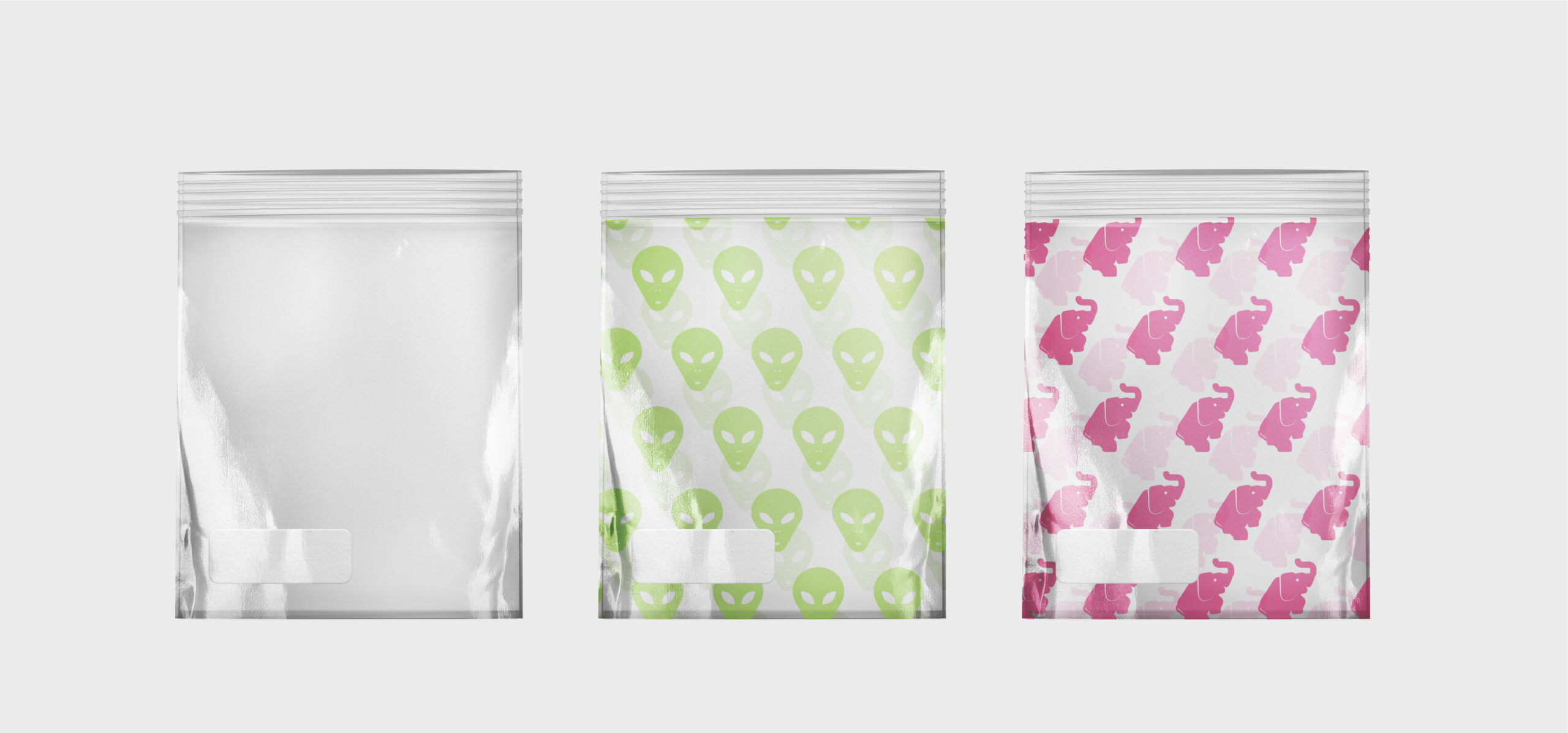
- Zip-lock bags
These methods were efficient in keeping the herb dry. However, they did little to preserve its potency or aroma over time.
Rise of Legalization: Emphasis on Compliance and Safety
As countries and states began legalizing medicinal and recreational marijuana, a surge in demand led to the industry scaling rapidly. With legalization came the need for regulation and standardization.
Packaging evolved to meet stringent guidelines that require child-resistant containers, opaque materials, and clear labeling indicating tetrahydrocannabinol (THC) content and other relevant information. The days of packaging in dime baggies were officially over.
Moreover, as marijuana products diversified (with edibles, tinctures, and concentrates), specialized packaging solutions arose. For instance, edibles require a package that keeps products fresh and communicates dosage.
Branding and Market Differentiation
In recent years, as the stigma surrounding marijuana continues to wane and the market becomes saturated, brands have recognized the need to differentiate themselves from competitors. This brought about a new era in marijuana packaging design, where aesthetic appeal, branding, and user experience became paramount.
Now, brands vie for consumer attention with innovative packaging designs that convey their ethos, story, and product quality. From eco-friendly materials to intricate designs and luxury finishes, marijuana packaging has become an art form in and of itself.
Sustainability: A Shift Towards Eco-Friendly Packaging
The global push towards sustainability has also made its mark on marijuana packaging. Brands now opt for biodegradable, recyclable, or compostable materials to reduce their carbon footprint. This shift caters to environmentally conscious consumers and aligns with many regulatory bodies advocating for sustainable packaging solutions.
The Future: Smart Packaging and Tech Integration
Looking ahead, marijuana packaging is set to embrace technology integration. With the advent of smart packaging, brands can include QR codes for consumers to verify product authenticity, access strain-specific information, or even get personalized consumption recommendations.
Additionally, tech-driven solutions like humidity control and UV protection promise to keep marijuana products fresh for longer. This enhances the overall consumer experience.
Conclusion: A Reflection of Broader Industry Trends
The evolution of marijuana packaging mirrors the broader shifts in the cannabis industry and society at large. From simple, clandestine methods to sophisticated, branded, and sustainable solutions, marijuana packaging has come a long way.
As the industry grows and matures, we can anticipate further innovations that prioritize user experience and environmental responsibility. If you have needs for specific packaging types or need help staying compliant, contact us today!
by Scott Katz | Oct 3, 2023 | Child Resistant Cannabis Packaging, Compliant Cannabis Packaging
The cannabis industry has grown exponentially. Its diversifying its market and stretching its tentacles into various sectors, from recreational use to medicinal applications. Amidst this boom emerges a pivotal aspect that demands our collective attention and conscientiousness: child-resistant cannabis packaging.
Undoubtedly, the importance of integrating robust and practical child resistance into cannabis packaging cannot be overstated. It weaves a secure thread that intertwines consumer safety with responsible distribution and usage.
A Confluence of Safety and Compliance
In a sphere where the consumer base is as diverse as the product offerings, it’s paramount to ensure that cannabis products are packaged in a manner that is safe and compliant with regulatory standards. This not only substantiates the industry’s commitment to safeguarding the younger demographic but also fortifies its standing in terms of legal adherence and social responsibility.
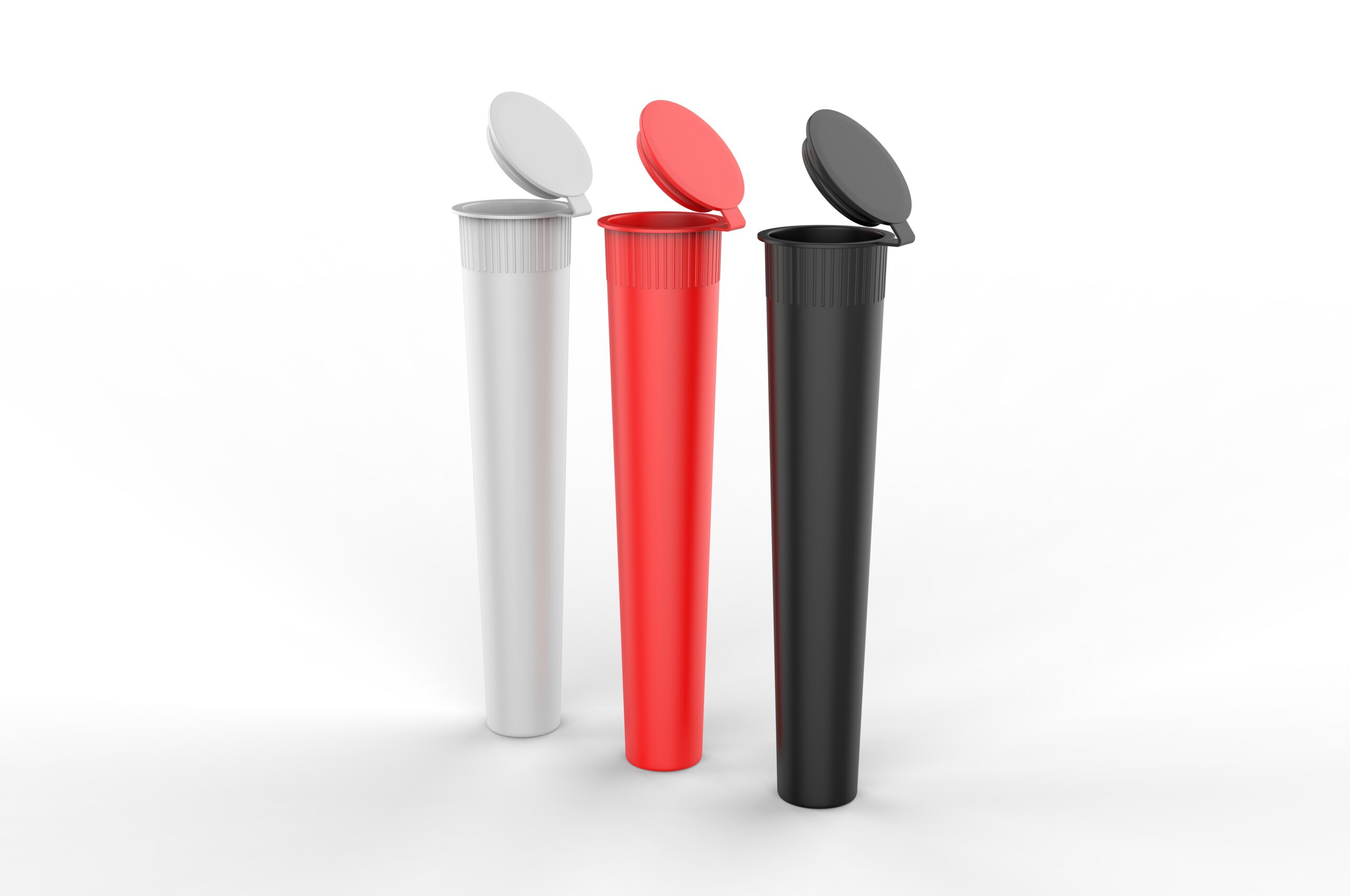
Children are inherently curious and explorative. They often navigate through items that may pose significant risks if consumed or handled improperly. CR packaging stands as a formidable barrier. Its meticulously designed to be effortlessly managed by adults while remaining notably challenging for children to open.
Nurturing a Responsible Image
The incorporation of child-resistant mechanisms in packaging strategies meets the statutory prerequisites and broadcasts a potent message regarding ethical stance. This consideration not only en-shields the vulnerable but also mitigates the potential reputational risks associated with accidental ingestion by minors.
Moreover, an industry that’s presented as being innately responsible and considerate of societal well-being inherently garners a favorable public and market perception. It advances the narrative of a sector. Showing that it’s not solely profit-driven but is deeply embedded in cultivating a positive and responsible image.
Investing in Innovative CR Solutions
Investing in innovative CR packaging solutions promises a sustainable trajectory that reflects an aware and conscious market presence. These solutions amalgamate cutting-edge technology and user-friendly design. They ensure that packaging is compliant with safety norms and convenient/accessible for adult users.
An effective CR packaging solution reconciles sturdiness with ease of use. It employs mechanisms that are intuitive to adults while persistently deterring access by children. The cannabis industry, thereby, embeds itself with a dynamic that serves its compliance/safety agenda and propagates a user-oriented approach.
Encapsulating Sustainability and Safety
Integrating sustainability with safety, the canvas of CR packaging can be painted with environmentally friendly materials. These processes serve to protect children and conscientiously contribute to environmental conservation.
Biodegradable materials, recycling-oriented packaging designs, and resource-efficient manufacturing processes stitch together a strategy that serves dual purposes. It projects the cannabis industry as a realm that is attentive to the immediate social/ethical responsibilities and foresees/addresses long-term environmental challenges.
A Consistent Path Towards Educational Initiatives
The amalgamation of CR packaging with consistent educational initiatives forms a holistic approach towards safe cannabis use. Educating the adult consumer base about the paramount importance of CR packaging and providing clear instructions regarding its usage and safe storage practices amplifies the effectiveness of the packaging itself.
Moreover, aligning CR packaging with educational materials that underscore the potential risks and safety protocols ensures that messages are coherent and reinforced at every consumer interaction point.
Final Word
The architecture of CR packaging in the cannabis industry lays down a foundation that’s deeply rooted in safeguarding the young and vulnerable, while concurrently scaffolding an image that’s responsible, compliant, and user-centric. From adhering to legal paradigms to nurturing a societal image that is ethically and environmentally attuned, child-resistant packaging emerges not just as a regulatory mandate but as a principle and strategic choice.
In entwining safety, compliance, innovation, sustainability, and education into its tapestry, the cannabis industry fortifies its stance, projecting a future that is as secure and stable as it is pioneering and prosperous. If you need child-resistant packaging, you can contact us to learn more!
by Scott Katz | Aug 8, 2023 | Cannabis Packaging Design, Compliant Cannabis Packaging, Custom Cannabis Labels
The cannabis industry has exploded in popularity, bringing forth an urgent need for standardized packaging and labeling. If you’re in the business of these products, mastering cannabis compliance labels isn’t just about following the rules. It’s about building customer trust and protecting your brand from cost penalties. Let’s break it down.
Key Regulations for Cannabis Labeling Compliance
Regulations may vary based on your jurisdiction, but some essential elements apply almost everywhere. Here’s what you need to include to ensure cannabis labeling compliance:
- Product Information – Clearly state the product name, strain, and type.
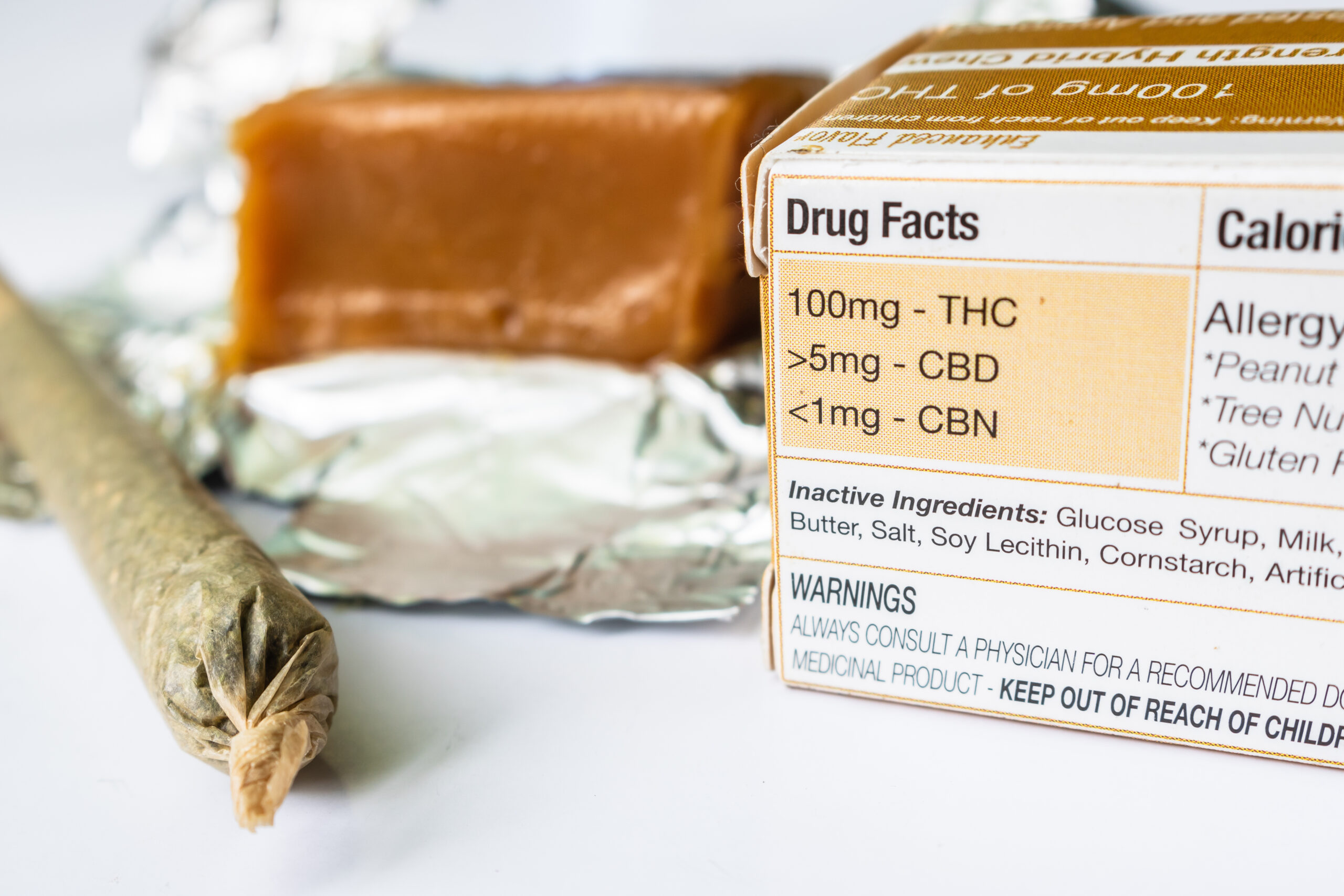
- THC and CBD Content – Accurately list percentages of tetrahydrocannabinol (THC) and cannabidiol (CBD) to keep consumers informed.
- Safety Warnings – Include potential side effects, proper usage instructions, and legally required warning symbols.
- CA Prop 65 Warning – If your cannabis products are sold in California, a CA Prop 65 warning may be required to notify consumers about potential exposure to harmful chemicals.
How to Ensure Compliance for Cannabis Labels
Staying compliant with cannabis label regulations requires a proactive approach. Consider the following steps:
- Stay Up to Date on Regulations – Laws change frequently, so it’s essential to monitor federal and state regulations. Each state has a unique set of rules regarding cannabis packaging and labels. Therefore, you’ll want to check with local regulatory agencies.
- Consult with Compliance Experts – If you’re unsure whether labels meet all the requirements, work with professionals who specialize in cannabis compliance. A legal expert can help you avoid costly mistakes.
- Regularly Audit and Update Labels – Schedule periodic reviews of your labels to ensure they still align with the latest laws. Compliance isn’t a one-time effort, it’s an ongoing process.
Best Practices for Cannabis Compliance Labels
Beyond meeting legal requirements, well-designed labels can enhance your brand and improve customer trust. To create labels that are compliant and effective, consider the following:
- Use Clear, Readable Typography – Your labels should be easy to read, especially important details like THC and CBD content.
- Include Symbols that Matter – Regulatory bodies require specific symbols, such as the universal cannabis warning icon. Make sure yours are accurate and properly placed.
- Add QR Codes – These can link to additional information, such as lab results, ingredient details, or safety guidelines, enhancing transparency.
- Choose Durable Materials – Labels should withstand handling, moisture, and temperature changes to prevent fading and peeling.
Common Cannabis Labeling Mistakes to Avoid
Even small errors on a label can result in hefty fines or recalls. Here are some pitfalls to watch out for:
- Misprinting THC/CBD Content – Even minor discrepancies can lead to regulatory action.
- Using Misleading Imagery – Avoid cartoonish designs or anything that might appeal to children.
- Ignoring Font Size Requirements – Regulations may specify minimum font sizes crucial for information. Double-check your local jurisdiction.
Final Word: Stay Ahead in Cannabis Label Compliance
The cannabis industry is evolving rapidly, and staying in line with cannabis compliance labels is essential for success. By keeping up with regulations, designing clear and informative labels, and avoiding common pitfalls, your brand can stand out for the right reasons.
Ready to upgrade your labels? Get a free quote on our custom cannabis labels page!
Cannabis Compliance Labels FAQs
What is cannabis compliance? Cannabis compliance refers to adhering to state and federal laws regarding the cultivation, sale, packaging, and labeling of cannabis products. This ensures customer safety and regulatory adherence.
What are the requirements for CBD labels? CBD product labels must include the following:
– Cannabinoid content
– Ingredient lists
– Manufacturer details
– State-specific disclosures
– Warning statements
Can you put your own label on CBD products for retail? Yes, but only if the product meets all cannabis labeling compliance regulations. Private labeling is common, but retailers must ensure their labels meet legal requirements before selling.
by Scott Katz | Jun 26, 2023 | Compliant Cannabis Packaging, Sustainable Cannabis Packaging
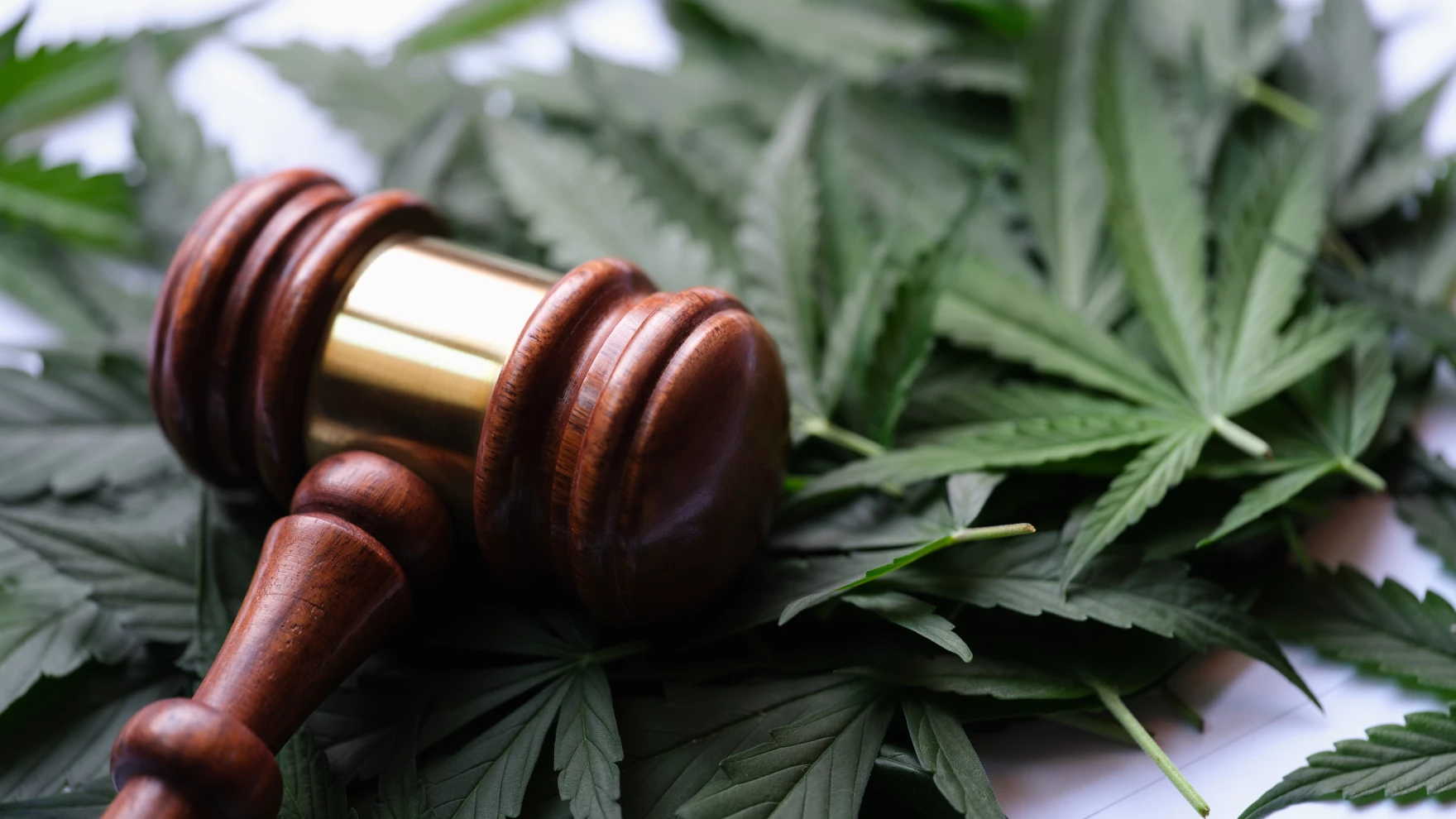
As the cannabis industry expands, businesses must understand the importance of compliant packaging. Ensuring compliance with state and local regulations is crucial to avoid fines and protect your brand’s reputation.
In this article, we’ll explore the key factors to consider when selecting cannabis packaging to remain compliant and safeguard your business. We will cover the various types of packaging, child-resistant packaging requirements, labeling requirements, and environmental considerations.
Types of Cannabis Packaging
There are several types of packaging available for cannabis products. Understanding the differences between these options is essential for selecting the appropriate packaging to meet regulatory requirements. Here are some of the most common options:
- Barrier Bags: Barrier bags are a popular choice due to their low cost and ability to keep products fresh. These bags are made from various materials, including Mylar and polyethylene. They can also be heat-sealed to create an airtight container.
- Plastic Containers: Plastic jars are another common choice. They offer a sturdy and durable container for various products, such as edibles and concentrates. Many plastic jars come with child-resistant lids to meet regulatory requirements.
- Glass Jars: Glass jars provide an upscale, high-quality appearance for cannabis products. They’re often for premium flower products and incorporate child-resistant lids.
- Pre-Roll Tubes: Pre-roll tubes are specifically for cannabis pre-rolls, providing an airtight container to maintain product freshness. These tubes can be made from various materials, including plastic and glass, and may feature child-resistant caps.
Child-Resistant Packaging Requirements
One of the most critical factors to consider when selecting cannabis packaging is ensuring it meets child-resistant (CR) packaging requirements. These regulations are designed to prevent children from accessing cannabis products accidentally.
CR packaging must meet specific standards set by the Consumer Product Safety Commission (CPSC), including being difficult for children under five years old to open but easily accessible for adults. Some common CR packaging solutions include:
- Push-and-Turn Caps: These caps require users to push down and turn the cap simultaneously to open the container, making it difficult for children to access the contents.
- Squeeze-and-Turn Caps: Similar to push-and-turn caps, squeeze-and-turn caps require users to apply pressure to the sides of the cap while turning it to open the container.
- CR Zipper Bags: These bags feature a specialty zipper that must be engaged from the inside to open the bag, providing a child-resistant solution for barrier bags.
Labeling Requirements
Properly labeling cannabis products is essential to ensure compliance with state and local regulations. Labeling requirements can vary by jurisdiction, but some common elements include:
- Product Identification: The product’s name, strain, and type should be displayed on the label.
- Cannabinoid Content: Labels must indicate the product’s THC and CBD content, typically expressed as a percentage or in milligrams.
- Warning Statements: Most jurisdictions require specific warning statements to be included on cannabis product labels, such as “For use by adults 21 and older” or “Keep out of reach of children.” And the state-specific warning icons.
- Batch and Lot Numbers: Including batch and lot numbers on labels allows for traceability and product recall if necessary. Some states will also require state licensing numbers.
- Manufacturing and Expiration Dates: Listing the manufacturing and expiration dates on labels helps consumers determine the product’s freshness and shelf life.
Environmental Considerations
As the cannabis industry grows, so does its impact on the environment. Many businesses are choosing eco-friendly packaging options to reduce their environmental footprint. Some sustainable cannabis packaging solutions include:
- Biodegradable and Compostable Packaging: Some packaging materials, such as PLA (polylactic acid), are biodegradable and compostable, breaking down naturally over time and reducing the impact on landfills.
- Recyclable Packaging: Packaging made from recyclable materials, such as PET (polyethylene terephthalate) plastic, can help reduce waste and promote a circular economy.
- Reusable Packaging: Encouraging customers to reuse packaging, such as glass jars, can help reduce the amount of single-use packaging waste.
- Sustainable Sourcing: Selecting packaging materials from sustainably managed resources, such as paper or hemp-based plastics, can reduce the environmental impact of cannabis packaging.
Final Word
In conclusion, selecting compliant cannabis packaging involves considering various factors, including the type of packaging, child-resistant packaging requirements, labeling requirements, and environmental considerations. By carefully evaluating these factors, cannabis businesses can ensure that their cannabis packaging meets state regulations while also reducing their environmental impact and promoting a sustainable industry.
by Scott Katz | Jun 8, 2023 | Custom Mylar Bags, Sustainable Cannabis Packaging
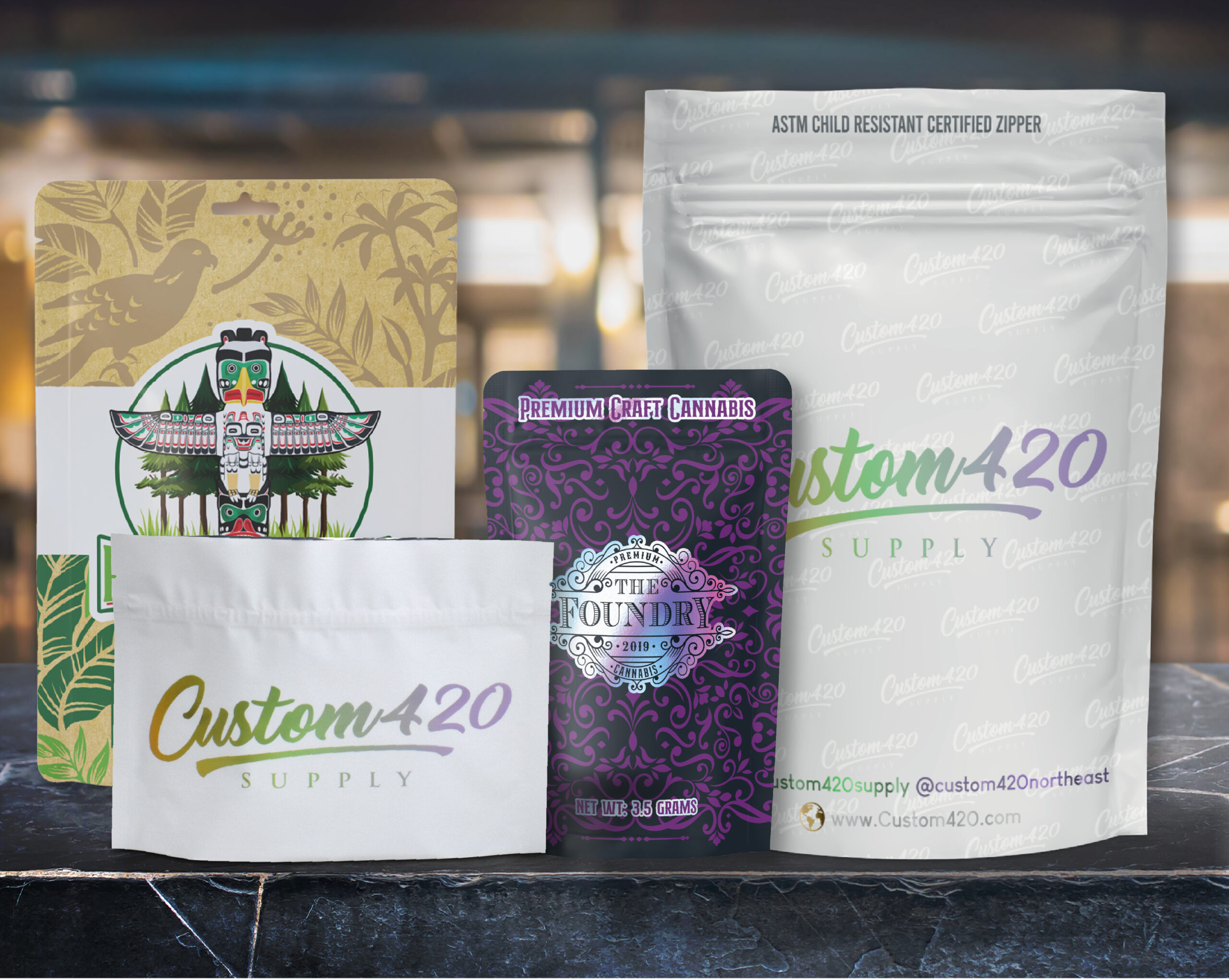
Custom mylar bags have gained immense popularity in the cannabis industry for packaging purposes. This article explores the reasons behind using custom mylar bags for wholesale and highlights their benefits, from preserving freshness to maintaining the quality of cannabis products.
While the concept of using Mylar bags for cannabis flower is not for everyone, there are a multitude of reasons businesses seek them out as a wholesale option. Overall, custom mylar bags have proven to be one of the most cost-effective packaging options. Easy to store, ship, and sell – they’ve proved they’re not going anywhere anytime soon.
With the introduction of trays to prevent crushing and biodegradable options, a Mylar resurgence has begun. Or did it ever leave? Let’s see why so many companies have built their packaging around Mylar bags.
Benefits of Using Mylar Bags for Cannabis Packaging
When you incorporate wholesale custom Mylar bags into your cannabis business, you get a few benefits:
1.) Preserve Freshness
Mylar bags provide an excellent barrier against external factors, such as moisture, oxygen, and light. This helps to keep cannabis products fresh for extended periods.
2.) Moisture and Oxygen Protection
Mylar bags prevent mold, mildew, and degradation by sealing out moisture and oxygen. This ensures the longevity of products, especially when healed above the zipper.
3.) Light Resistance
Mylar bags are opaque, preventing harmful UV rays from degrading the quality of cannabis flower and other light-sensitive products.
4.) Odor Containment
These bags offer airtight seals and effectively contain the distinct aroma of cannabis. This also prevents it from permeating the environment.
How to Implement Mylar Bags for Cannabis Packaging
If you want to use Mylar bags for your cannabis operation, you’ll need to consider the following:
1.) Choose the Right Size
Select Mylar bags that accommodate your specific product sizes. This ensures a snug fit without excess air. Even add a plastic tray inside to prevent potential crushing.
2.) Consider Additional Features
You may come across custom Mylar ziplock bags wholesale. Or, those with child-resistant locks or tamper-evident seals. Assess your packaging requirements and state compliance regulations. Make sure you follow local laws and opt for suitable options.
3.) Labeling and Branding
Direct print is ideal for Mylar. However, if direct printing isn’t in your budget, you can design custom labels for your Mylar bags in other ways. These are essential as they enhance brand visibility and compliance with legal requirements.
4.) Proper Sealing
Utilize heat sealing equipment for more secure Mylar bags. This maintains their airtight properties and increases the shelf life of the cannabis inside.
5.) Storage Conditions
Store filled Mylar bags in a cool, dry place away from direct sunlight to further extend the shelf life of the cannabis products.
6.) Compliance with Regulations
Ensure your chosen Mylar bags comply with local regulations for cannabis packaging. Beyond maintaining legal standards, it will also improve customer trust. A standard child-resistant zipper is a common requirement for most legal cannabis brands.
Final Word
In conclusion, Mylar bags have become highly popular for cannabis packaging because they preserve freshness, protect against moisture and oxygen, resist light, and contain odors.
By following the recommended steps for implementing Mylar bags effectively, businesses can maintain the quality and integrity of their products while meeting regulatory requirements.
Not sure where to purchase custom Mylar bags for wholesale? Custom 420 has you covered with a variety of options. For more information, reach out to us through our contact form.
Custom Mylar Bags for Wholesale FAQs
Is Amazon discontinuing Mylar bags? As of August 5th, 2022, Amazon removed all Mylar bags that are not clear or single-colored due to changes in regulatory requirements.
Can any printer print on Mylar bags? In short, no. You cannot use any printer to print on a Mylar bag. You need a printer that can incorporate non-porous and thicker material.
What cannot be stored in Mylar bags? Food high in moisture (i.e. fruits and vegetables) and in fat (i.e. meats, nuts, legumes) should not be stored in Mylar bags as they will go bad quicker.