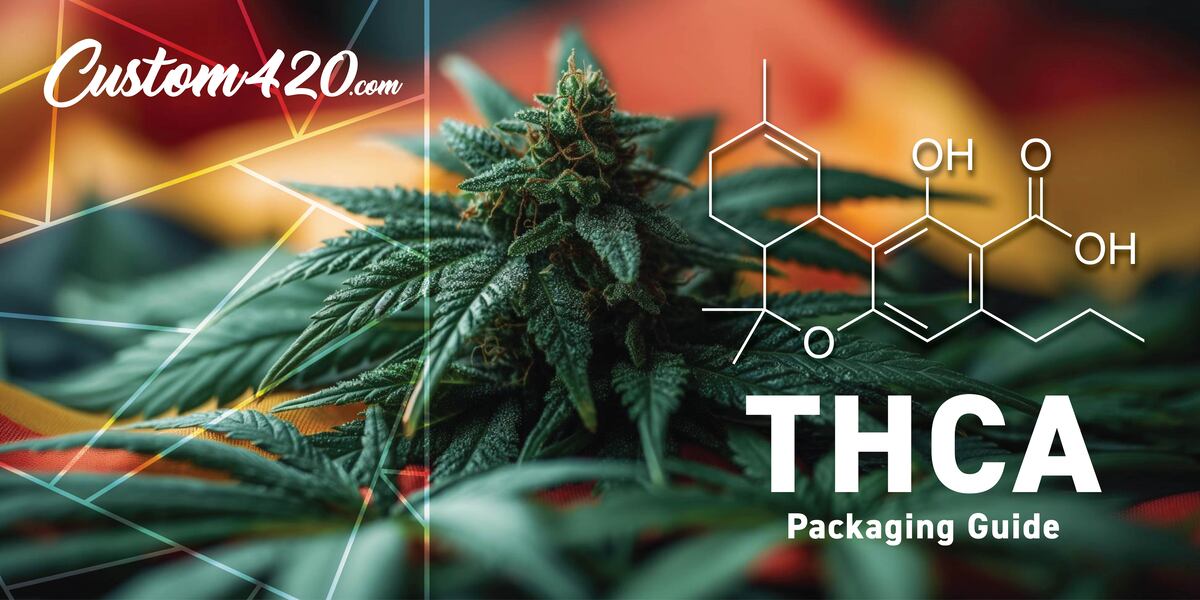
THCA packaging is becoming a top priority as demand for such products grows across the cannabis market.
THCA (tetrahydrocannabinolic acid) is non-psychoactive in its raw form but delivers strong effects once heated, making it popular in concentrates, prerolls, vapes, and flower. As more brands enter this space, packaging must protect the product, meet legal standards, and support brand recognition.
This guide explains the key points to consider when packaging THCA products, so you can stay compliant, keep your product fresh, and stand out in a crowded market.
What is THCA Packaging?
THCA packaging includes containers and labels made to protect THCA products, keep them legal, and help them sell. Because THCA can change into THC (tetrahydrocannabinol) when exposed to heat or time, packaging must prevent that shift to keep the product stable and effective.
Whether you’re selling concentrates, prerolls, or flower, your packaging needs to follow current laws and also catch attention on store shelves.
Since THCA is often marketed for its purity and potency, packaging plays a key role in preserving its quality from production to point-of-sale. This includes using airtight seals, UV-blocking materials, and clear labeling that informs customers while meeting state and federal guidelines.
Strong packaging supports both product safety and customer trust.
Key Requirements for THCA Packaging
To keep THCA products safe, legal, and shelf-ready, packaging must meet a few key standards. Below are the three most important areas to focus on:
1. Preservation and Product Protection
THCA breaks down when exposed to heat, light, air, or moisture. The right packaging keeps the product stable by using:
Airtight, odor-proof materials
UV-blocking layers like opaque mylar or amber glass
Seals that reduce air exposure and help prevent early decarboxylation
Protecting the chemical makeup of THCA ensures customers get the potency they expect.
2. Child-Resistant and Tamper-Evident Features
Legal cannabis markets require child-safe packaging. THCA products must be sealed in ways that keep kids out and show if tampering has occurred. Common options include:
Certified child-resistant closures (CRCs)
Resealable mylar bags with heat seals or tear strips
Pop-top drams, snap-lock tubes, or press-and-turn caps
These features help you stay compliant and build trust with both regulators and customers.
Packaging cannot include imagery appealing to minors or fruit shapes; requires CRC and potency labeling; test results and limits are strictly enforced
Key Compliance Tips
Assume “Total THC” testing applies – In most states, THCA must be reported and THC calculated from decarboxylation, even if marketed as raw or hemp-derived.
Prioritize packaging quality – Include child-resistant closures, tamper-evident seals, opaque and resealable materials.
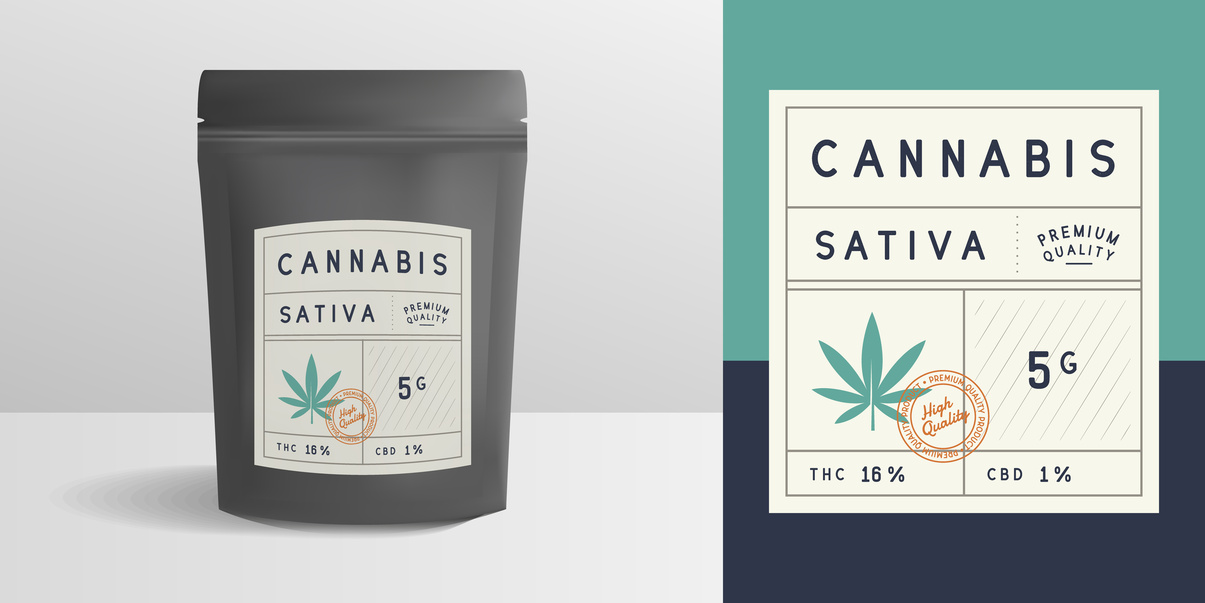
Label with detail – List THCA, THC, CBD content, batch/lot, CoA QR, universal cannabis symbol (IICPS), and state-specific warnings.
Align with the strictest state if you distribute across multiple jurisdictions. Packaging rules vary widely, but you want to meet the toughest standard to stay compliant everywhere.
Materials and Formats for THCA Products
The right packaging format depends on your product type and how you want to present your brand. Each option offers different advantages in terms of cost, protection, and shelf appeal.
They also work well with child-resistant features and are simple to store and ship.
Glass or Plastic Jars
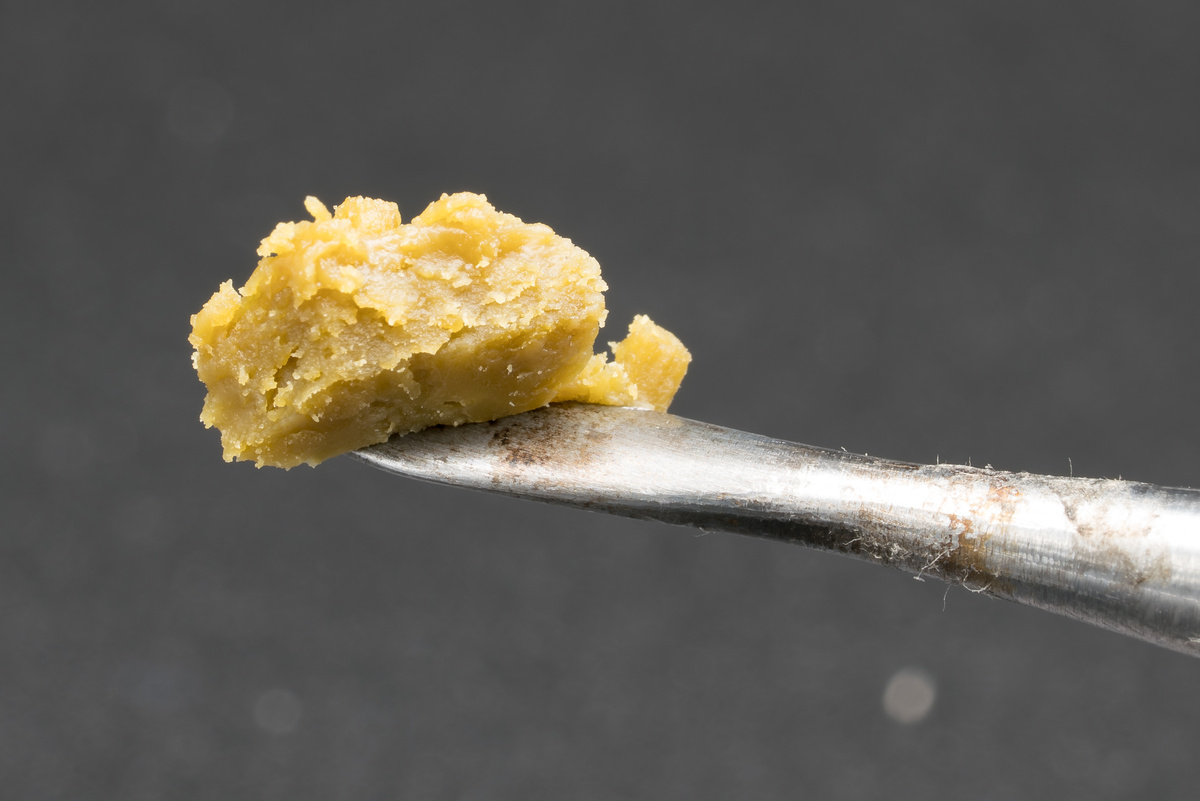
Ideal for concentrates like THCA diamonds, isolates, or live resin. These containers offer:
Airtight seals to protect freshness
A premium look that signals quality
Compatibility with tamper-evident bands and branded labels
Glass adds a luxury feel, while plastic is lightweight and less fragile.
Pre-Roll Tubes and Boxes
Used mainly for THCA prerolls and infused joints, these formats are:
Slim and portable
Secure with odor-proof and tamper-evident designs
Easy to label and brand for retail visibility
They offer strong protection during transport while keeping the product fresh and compliant.
Branding and Design: Standing Out While Staying Compliant
Packaging is more than just a legal requirement, it shapes how customers see your product. Your design should follow cannabis regulations while making your brand memorable.
Work with a partner who knows the rules and can help you:
Add premium touches like foil stamping, embossing, or soft-touch finishes
Print clear, compliant labels that include batch numbers and cannabis symbols
Develop unique shapes or cutouts that reflect your brand style
Pro Tip: Simple, clean designs with bold highlights and clear THCA content tend to attract more attention on dispensary shelves.
Sustainability in THCA Packaging
More consumers expect eco-friendly packaging, so sustainability matters now more than ever. Consider using:
Compostable alternatives to traditional mylar bags
These choices lower your environmental impact and improve your brand’s appeal, especially with Gen Z and Millennial buyers.
Fulfillment, Customization, and Warehousing
Partnering with a full-service packaging provider offers several advantages:
Low minimum order quantities (MOQs) to fit your budget
Fast turnaround for seasonal releases or product tests
Warehousing and distribution support for multi-state operators (MSOs)
Custom label application and secure shrink-wrapping
We handle your packaging supply chain, so you can focus on growing your brand and reaching customers.
Shipping THCA Products: Do It Right
THCA is federally legal under the 2018 Farm Bill if it comes from hemp and contains less than 0.3% Delta-9 THC. Still, shipping must be handled carefully.
To ship THCA products safely:
Use vacuum-sealed or tamper-evident packaging
Include lab results or a Certificate of Analysis (CoA) with every order
Avoid language that suggests the product causes psychoactivity (a “high”)
Monitor USPS, UPS, and FedEx rules, as carrier policies can change
Taking these steps helps protect your business and ensures smooth delivery.
Common Mistakes to Avoid
One of the most frequent mistakes is using packaging without proper seals. Without airtight protection, THCA products are exposed to oxygen, which can cause early degradation and lower potency.
Another common issue is mislabeling. If your packaging lists the wrong THCA content or fails to include a clear link or QR code to the Certificate of Analysis (CoA), it can lead to compliance problems and customer distrust.
It’s also risky to assume your product qualifies as “hemp” without verified lab results. Failing to confirm Delta-9 THC levels through testing can result in legal trouble, especially when shipping across state lines.
Finally, don’t overlook your design. Poorly designed packaging (whether it’s non-compliant or just unattractive) can hurt your sales and weaken your brand’s position in a competitive market.
How to Choose a THCA Packaging Partner
Selecting the right packaging partner can make a big difference in your product’s success. Start by choosing a vendor with proven cannabis compliance knowledge. They should understand current regulations and help you avoid costly mistakes.
Look for companies that offer a wide range of child-resistant, certified packaging formats. In-house design services are another plus as they can help you create packaging that’s both eye-catching and compliant.
Flexibility also matters. Choose a partner with low minimum order quantities and fast turnaround times, especially if you’re testing new products or running limited drops. Domestic warehousing is another benefit, as it speeds up fulfillment and reduces shipping costs.
Finally, check their reputation in the cannabis industry. A trusted name often means reliable service and consistent quality.
Final Word
THCA packaging requires careful attention to detail. As rules tighten and more brands enter the market, your packaging must do more than protect; it must help your product stand out.
At Custom 420 Supply, we use high-quality materials, smart design, and up-to-date compliance knowledge to create packaging that performs on every level. We help you stay legal, look sharp, and build trust with your customers.
Want to learn more? We invite you to reach out through our contact page.
Frequently Asked Questions (FAQs)
Why is THCA labeling more complex than THC labeling?
Because THCA can convert to THC with heat, regulations often require both values (“total THC” and “raw THCA”) to be displayed for transparency.
Can I reuse packaging from flower for THCA products?
Not always. THCA concentrates often need higher barrier protection and more accurate dosing labels.
Are clear containers allowed for THCA?
In many states, no. Most require opaque or child-resistant packaging that conceals the product.
When it comes to premium cannabis concentrates like rosin, quality matters. However, presentation seals the deal. And in an increasingly competitive extract market, rosin jar labels have emerged as a powerful tool for buildingbrand identity, boosting shelf appeal, and meeting regulatory standards.
Whether you’re a boutique hashmaker or an established brand looking to elevate your packaging, dialing in your labels is essential. In this guide, we’ll walk you through everything you need to know to brand your concentrates like a pro.
What are Rosin Jar Labels?
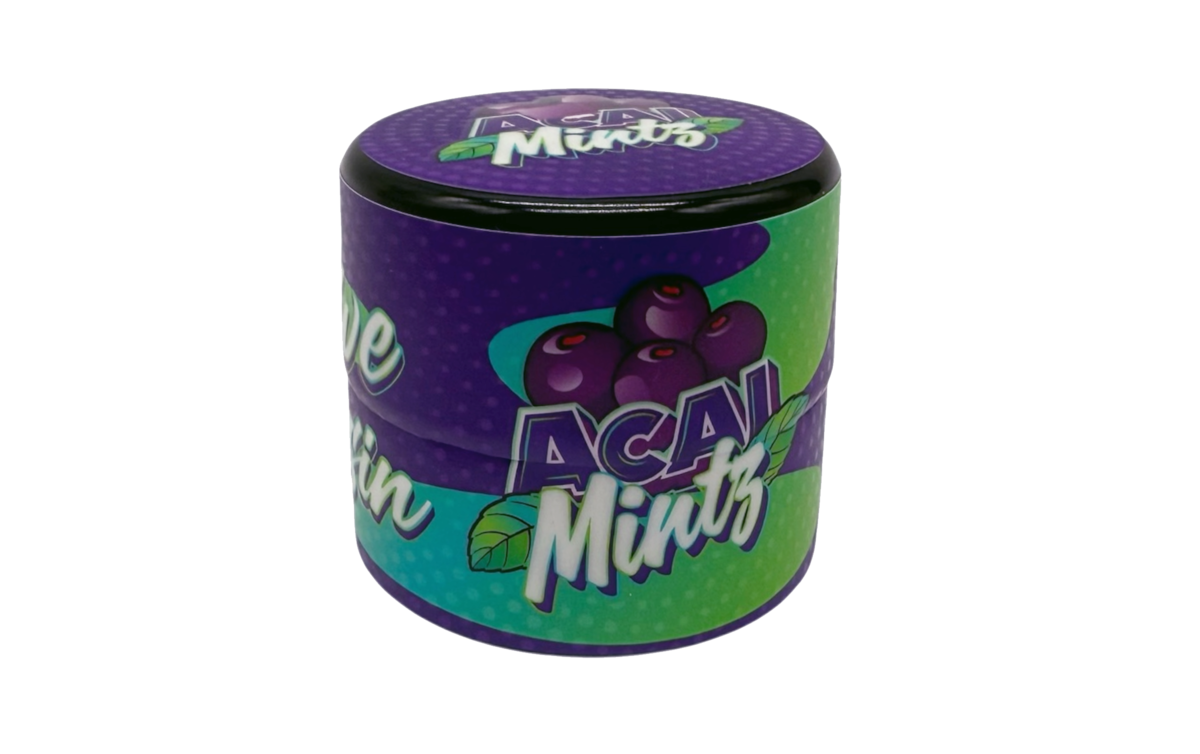
Rosin jar labels are adhesive labels that fitconcentrate containers, usually glass jars. These labels serve both branding and compliance purposes. Common types include:
Side-wrap labelsthat go around the jar for easy branding.
Lid-top stickersthat show strain names or product type at a glance.
Tamper-evident sealsthat show if the jar has been opened.
Bottom or base labelsthat list batch numbers, weight, and lab test results.
Using the right mix of these rosin label jars makes your product look more professional, helps buyers find information quickly, and builds trust with your customers. It also supportscompliance with industry packaging rules.
The Business Case for Branded Rosin Packaging
In cannabis sales, how your product looks matters. Branded rosin packaging is often the first thing a customer sees, and it can be the reason they choose your product over another. A clear, strong label builds trust fast. It also encourages people to share photos online and helps them remember your brand for future purchases.
Still, good packaging does more than look nice. It helps you meet dispensary label requirements and keeps your business in line with regulations. Labels should clearly show cannabinoid content, terpene details, and required disclaimers. This keeps your product compliant and gives customers the information they need to buy with confidence.
Label Styles and Why They Matter
Different types of rosin jar labels serve different purposes. Using more than one label can help you keep your design clean while sharing all the details customers and regulators need.
Side-wrap labels– These wrap around the jar and offer space for your logo, strain name, QR codes, and other branding elements. Perforated options can also act as tamper-evident rosin jar labels, giving customers added peace of mind.
Lid-top labels– These sit on the top of the jar, making it easy to see what’s inside at a glance. They work well for strain-specific designs and are great for storage.
Bottom labels– These are used to include test results, batch data, weights, and other required details, without taking up space on your main branding area.
Using a mix of these label types keeps your product visually appealing while covering all the key points for compliance, safety, and brand recognition.
Pairing the Right Jar with the Right Label
Your label should work with your jar, not against it. Choosing the right jar helps your rosin container branding feel complete and professional. Here are some common jar options:
Miron UV glass jar– Helps protect terpene quality and keep your concentrates fresher for longer.
Pop-Vac jars– Known for their airtight seal and signature “pop” sound when opened.
Standard CR (child-resistant) jars– Cost-effective, compliant, and widely used across the cannabis industry.
For the best results, use tamper-evident rosin jars with built-in child safety features. Choose label material that matches the texture and finish of the jar. For example, matte labels look clean on UV glass, while glossy or foil labels pop on clear jars.
If you’re using clear jars, remember that your product becomes part of the visual experience. Use that transparency to your advantage without overwhelming it with heavy branding.
How to Create Rosin Jar Labels (Step-by-Step)
Collect Brand Assets Gather all your brand elements: logo, fonts,color palette, product tiers, and any unique icons that represent your brand’s style.
Choose a Labeling Strategy Decide if you want a separate label for each strain or a universal template where you can update strain and batch details easily.
Design with Purpose Focus on clear, easy-to-read labels. Organize information by importance and make sure your design looks appealing. You can find ideas and inspiration from popular rosin packaging designs on Instagram or Behance.
Ensure Compliance Add all required information, like tetrahydrocannabinol (THC)/cannabidiol (CBD) percentages, manufacturing dates, health warnings, and legal disclaimers. This keeps your labels compliant with cannabis concentrate regulations.
Choose the Right Vendor Pick suppliers who know the cannabis industry well and offer quality options. If you’re looking for a supplier, Custom 420 Supply can provide you with compliant and brand-enticing labels!
Budgeting and Return on Investment (ROI)
Custom rosin jar labels can cost more upfront, but they serve as a smart investment for your brand. Here are some ways to save money without losing quality:
Print in bulk to lower the cost per label.
Use a universal design template for multiple strains to simplify production.
Focus on high-quality labels for your premium product lines where presentation matters most.
Well-made labels add value in customers’ eyes, help products sell faster, and improve your overall presentation. Using smart, custom rosin labels positions your brand as a premium choice in a competitive market.
Common Mistakes to Avoid
Choosing the wrong material– Avoid cheap adhesives, thermal, and home-printed labels that peel off or smudge easily. Quality materials keep your labels looking sharp and durable.
Overcomplicating design– Too much information or clutter makes your label hard to read and looks unprofessional. Keep it clear and focused.
Ignoring compliance– Leaving out required details can lead to legal problems or lost sales. Always include mandated info to stay safe.
Hiding the product– Don’t cover the jar so much that customers can’t see the quality of your rosin. Clear packaging builds trust and shows off your product.
Sustainability and Future Trends
Today’s buyers expect sustainability, so your rosin concentrate packaging should reflect that. More brands now use labels and containers that are biodegradable, recyclable, or reusable to reduce environmental impact.
Another growing trend is smart packaging. Labels with QR codes can link to certificates of analysis (CoAs), interactive strain details, and serialized tracking. This tech-savvy approach keeps products compliant while adding a modern, polished look.
Final Word
Your rosin might be fire, but if your label falls flat, you leave value on the table. Labels that are clear, compliant, and on-brand will always stand out.
Maybe you’re launching your first drop. Or you’re revamping your brand identity. In either case, Custom 420 can help you with your rosin jar labeling. We invite you to fill out the form on ourcontact pageto learn more.
Frequently Asked Questions
What information is required on rosin jar labels for dispensary sales?
Label requirements vary by state, but most dispensaries require THC/CBD content, net weight, batch ID, production/manufacture date, and legal disclaimers. Some states also require universal cannabis symbols and testing information.
Can you use custom labels on cannabis concentrate jars?
Absolutely! In fact, weed concentrate jar labels should be custom-designed so they can be both compliant and brand-enhancing. Just ensure they meet local regulations for content and visibility.
What material is best for labeling rosin jars?
For durability and a professional look, opt for laminated vinyl or BOPP (biaxially-oriented polypropylene). These materials are oil-resistant, moisture-proof, and perfect for waterproof concentrate labels that hold up in cold storage and handling.
In the competitive cannabis market, standing out is essential. One powerful way to differentiate your products from others is through custom label stickers.
What are these? In short, these labels reflect your brand’s identity, values, and quality. When produced effectively, they can captivate customers, tell your brand story, and create loyalty.
Want to learn more? We invite you to follow along in our custom label stickers guide!
What’s the Role of Custom Label Stickers in Branding?
Custom stickers have a few different roles when it comes to your cannabis brand. One of the most notable is that they enhance brand recognition.
More specifically, the unique designs, logos, and colors on your custom labels make your products instantly recognizable. Consistency in branding, from packaging to promotional materials, helps your image stick out in customer’s minds.
On top of that, custom label stickers communicate your brand values. Think about it this way: your labels are a canvas to share your mission. Whether you want to highlight organic sourcing or eco-friendly practices, they’re a way to express what your brand stands for.
Sticker Design Elements
If you want to develop custom stickers for your products, you’ll need to consider the following:
Material Selection – Choose materials that suit your cannabis products, such as moisture-resistant or eco-friendly options. High-quality custom sticker printing ensures your labels are durable and vibrant.
Aesthetic Features – Use unique finishes (i.e. foil stamping, embossing, or matte/gloss coatings) to enhance appeal. Modern label and printing techniques offer endless creative possibilities.
Typography and Imagery – Select readable fonts and visuals that align with your brand identity and ensure your message is clear.
Other Customization Options
While you can opt for a standardized sticker, you have some options to help you further stand out. These include:
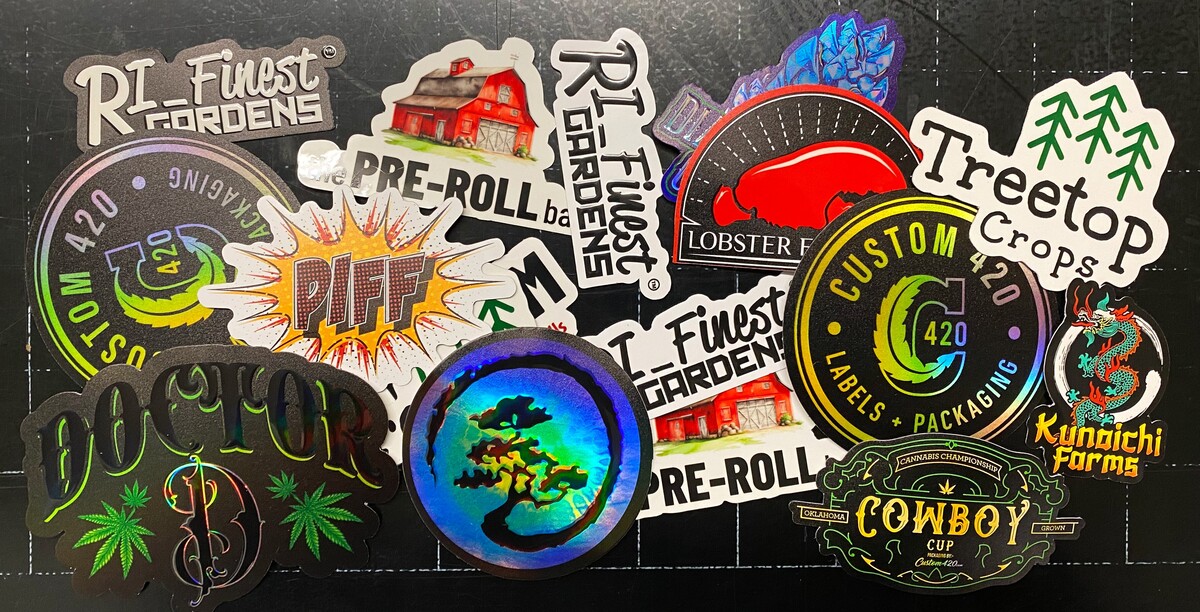
Die-Cut Stickers – Custom shapes and sizes tailored to your sticker’s design, these are a great way to give your image a pop from the packaging.
Personalized Branding – You can showcase your unique style with custom colors, patterns, and designs. High-quality custom sticker printing will allow you to bring your brand’s image to life.
Compliance and Regulatory Considerations
Still, when it comes to anything placed on cannabis packaging, your state’s regulations are always something you need to consider.
Naturally, different states have varying laws when it comes to what’s allowed on a cannabis sticker. Still, when it comes to label compliance, there are some universal regulations, including:
Batch number
Dosage
Ingredients
Standardized warnings
Strain details
Tetrahydrocannabinol (THC) and cannabidiol (CBD) content
One area you may want to consider is most states do not allow marketing that appeals to children (i.e. cartoon characters). Therefore, you’ll want to ensure your sticker labels are strictly for the appeal of adults 21 and over.
Final Word
Need a custom label sticker, but unsure where to begin? We’re here to help! At Custom 420 Supply, our in-house design team can guide you along the journey of creating the perfect labels for your brand.
Want to learn more? We invite you to reach out through our contact page!
Custom Label Stickers FAQs
How to print stickers?
Use professional label and printing services or online platforms specializing in custom sticker printing for high-quality results.
Where can I print stickers?
You can print your stickers through an online print shop or at a local printing service that offers custom labels and bulk ordering options.
How do I create a label?
Design your label using graphic design software or online design tools. Pay close attention to dimensions, colors, and brand messaging, then send the design to a custom sticker printer. If you’re not sure how to properly create a label for the cannabis industry, Custom 420 Supply can help you in this process.
Simply put, “die-cut” means a sticker that is cut around the shape of your design. In other words, most stickers come in standard shapes (i.e. circle, square, or rectangle), whereas die-cut stickers are completely customizable to your artwork.
Brands use “die-cut” for various purposes. In most instances, it’s to show off brand identity (i.e. through a logo sticker). However, packaging can also come in these customizable cuts (i.e. die-cut boxes).
Origins of Die-Cut
Die-cutting began in the shoe industry in the mid-1800s. More specifically, it allowed holes to be punched into shoes manually to create individual sole patterns. Most were made using leather and die-cutting allowed shoemakers cost-effective mass production.
Today, die-cutting has found a variety of uses across many industries. However, in regards to cannabis, it’s often used to create unique packaging and stickers. As you’ll see, these customization elements are a great way to get customers more involved in your brand.
What are the Benefits of Die-Cut Stickers?
On the surface, die-cut stickers give more emphasis to your brand. Whether you die-cut a logo or a mascot, these stickers effectively allow brand elements to stand out to customers.
However, on a deeper level, die-cut stickers can be used for customer retention. One of the elements customers take away from cannabis products is the unboxing experience. Naturally, you need high-quality packaging that gives customers an interactive feeling. But if you match this interaction with free stickers representing your brand, you’re taking the unboxing experience one step further.
61% of shoppers feel greater excitement about receiving a package when the packaging features branded designs.
In 2022, 59% of packaging included branding elements.
52% of buyers state that high-quality premium packaging motivates them to make repeat purchases.
Personalized packaging can boost consumer loyalty by up to 40%.
Naturally, you’ll want to place more of your efforts on the packaging design itself. However, if you throw in some personalized die-cut stickers to match, it will only elevate you amongst the competition.
Difference Between Die-Cut vs Kiss-Cut Stickers
In short, kiss-cut stickers are only cut through the vinyl. However, the paper backing stays in a standard shape (i.e. a square). Some brands use this to add an extra style to the sticker design. Still, such efforts aren’t 100% necessary as the main feature of both die-cut and kiss-cut is the sticker itself.
How to Order Custom Die-Cut Stickers
If you’re a business and want to outsource these stickers, the process is super simple. At Custom 420, we offer wholesale stickers at an exceptional value in various materials (such as matte, gloss, and specialty foil). On top of that, we can print die-cut stickers with Raised Spot UV.
Furthermore, we have an in-house design team that can assist in your sticker design if you’re not sure of the direction you want to take.
We invite you to check out our Cannabis Packaging Design Services page to learn more about this process. If you decide to work with us, we will print all stickers in-house and ship them directly to you. If you have questions about the process, please reach out to us through our contact forum.
Frequently Asked Questions
How to make die-cut stickers in Canva?
If you want to use Canva to design a die-cut sticker, you’ll want to take the following steps:
1. Design your sticker directly on the application. 2. Export the design, ensuring you follow the border and bleed requirements of your cutting machine. 3. Upload the design to your cutting machine. 4. Load the printable vinyl sheets. 5. Start the machine to cut your stickers.
Are die-cut stickers waterproof?
A die-cut sticker can be waterproof, depending on the material used. Vinyl is one of the most commonly used materials for stickers and is water-proof.
Can you make die-cut stickers with Cricut?
Yes, you can use a Cricut machine to make a die-cut sticker. In fact, this is one of its primary functions. Simply look for the “die cut” option in Cricut Design Space to develop your sticker design.
In the cannabis industry, blister packaging can be an effective option, depending on your product. However, this may not fit your brand or product selection best. We invite you to follow along as we lay out everything you need to know about blister packs.
What is Blister Packaging?
Blister pack packaging is created by heating a plastic sheet and shaping it into a bubble or pocket, known as the “blister.” This encases the entirety of your product, allowing customers to see what they’re purchasing visually.
Traditionally, blister packaging has a cardboard back, known as “face seal blister.” The plastic blister sits in front of the cardboard and contains the product. On the cardboard are elements of your brand identity and other important information.
If your product has a consistent shape, you can uniformly shape the blister to match the product’s outline. However, if your product doesn’t have consistency, you can opt for other shapes (e.g., rectangular, oval, etc.).
Can You Use Blister Packs for Cannabis Products?
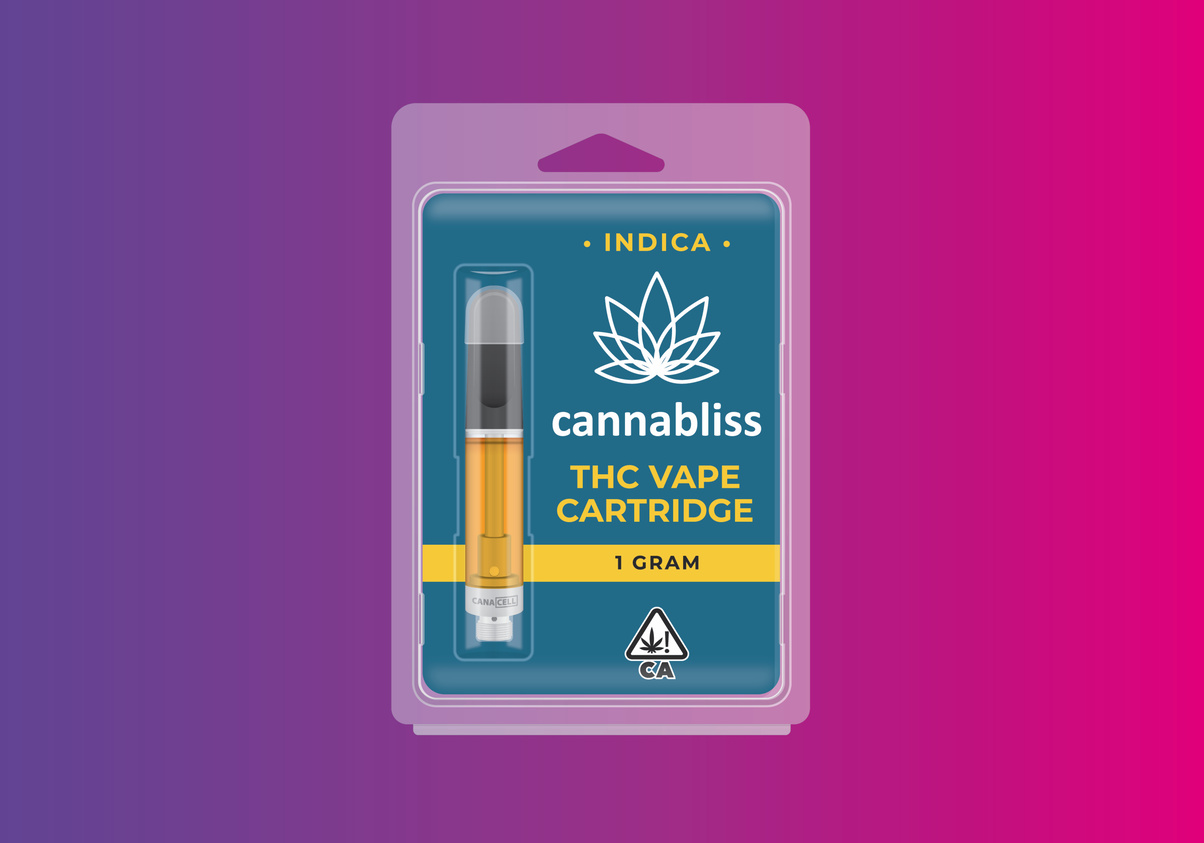
Some cannabis products incorporate blister card packaging. The most popular are vaping products, where the blister is made in the shape of a disposable vape pen or cartridge.
Some brands also incorporate blisters for concentrate items. Usually, the concentrate is in a transparent jar which is then blistered onto cardboard.
While you can get creative with your custom blister box, not all products will benefit from this type of packaging. For example, customers prefer flower and edibles in other packaging types, such as Mylar bags.
What are the Types of Blister Packaging?
Blister packaging can appear in the following ways:
Face Seal Blister
The plastic blister is shaped to fit around the product and then heat-sealed to a cardboard backing. This form of blister packaging is relatively cost-effective, making it ideal for high-volume products.
Full-Face Seal Blister
The blister encases both the product and the card backing entirely. The plastic is secured to the card either by heat sealing or by sliding it through extra plastic reinforcements on the sides.
This design enhances the packaging’s durability, by making the corners more resistant to bending while also improving their appearance.
Full Card Blister
Similar to a full-face seal blister, this packaging covers the entire card. However, instead of being heat-sealed, it features flanges that wrap around the edges of the card. The card is slid into position and occasionally secured with staples.
Trapped Blister
A trapped blister is similar to a traditional blister pack, but with an added layer of cardboard in front of the plastic, shaped to fit around the blister. This design secures the plastic between the two pieces of cardboard, with the top layer die-cut to hold the product snugly.
Since it doesn’t rely on heat-sealing, this method is more cost-effective. It also enhances tamper resistance, as any attempt to remove the product visibly damages the outer cardboard. Additionally, it offers a more polished appearance by minimizing exposure to plastic.
Clamshell
Clamshell packaging, also known as clam packaging or clam packs, replaces the cardboard backing with a hinged plastic design, connected at the side or the base. Some clamshells are crafted to stand upright on store shelves, while others include a hole for hanging on racks.
They can feature a snap-close button or be heat-sealed for added security. The plastic bubble may have a uniform shape on both sides or vary in size and form to accommodate the product inside.
Pros and Cons of Blister Packaging
If you run a cannabis business and are considering blister packs for your products, here are some things to consider:
Pros
Eco-friendly – All blister packs are made with plastic and cardboard, both recyclable materials.
Lightweight – Blister and clam packaging are very lightweight, reducing transportation costs.
Protection – Blister packs protect the product from damage and keep it clean. They also reveal tampering, unlike boxes that can be opened and reclosed unnoticed.
Theft Protection – Designed in unique shapes, making it difficult for shoplifters to conceal.
Visually Appealing – Blister packs showcase the product directly, catching the customer’s eye and making it stand out compared to boxed items.
Cons
Plastic Waste – While plastic is recyclable, if consumers are not mindful, blister packs can create a lot of waste.
Time-Intensive Production – Takes longer to manufacture than other packaging options.
Final Word
Blister packaging is a very effective option for certain cannabis products, such as vape pens and cartridges. This is thanks to the fact that it gives your product transparency other brands may not offer.
Interested in using blister packs for your next product? Not sure where to begin? Custom 420 is here to help! We invite you to reach out through our contact form to learn more.
Frequently Asked Questions
What is the problem with blister packaging?
The only problems with blister packaging are they can be pricier and require more time for production than other packaging options.
Is blister packaging cheap?
Blister packs are considered one of the most cost-effective packaging options. This is thanks to the fact that they’re made from paperboard and plastic, two inexpensive materials.
What is the point of a blister pack?
Since the plastic blister allows transparency for customers, it tends to leave a solid first impression. Furthermore, blister packaging allows you to get creative with your customization and showcase your brand identity.