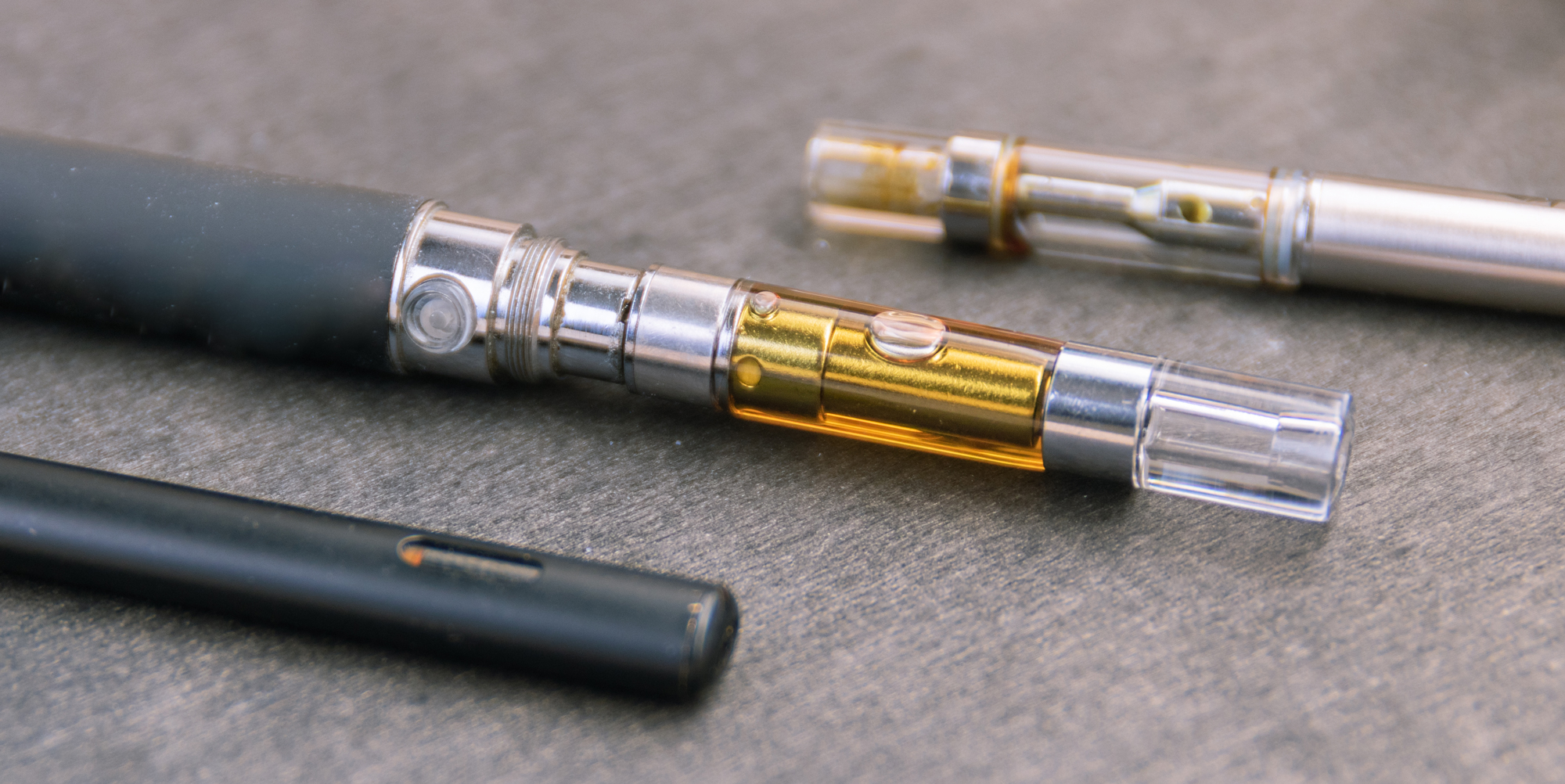
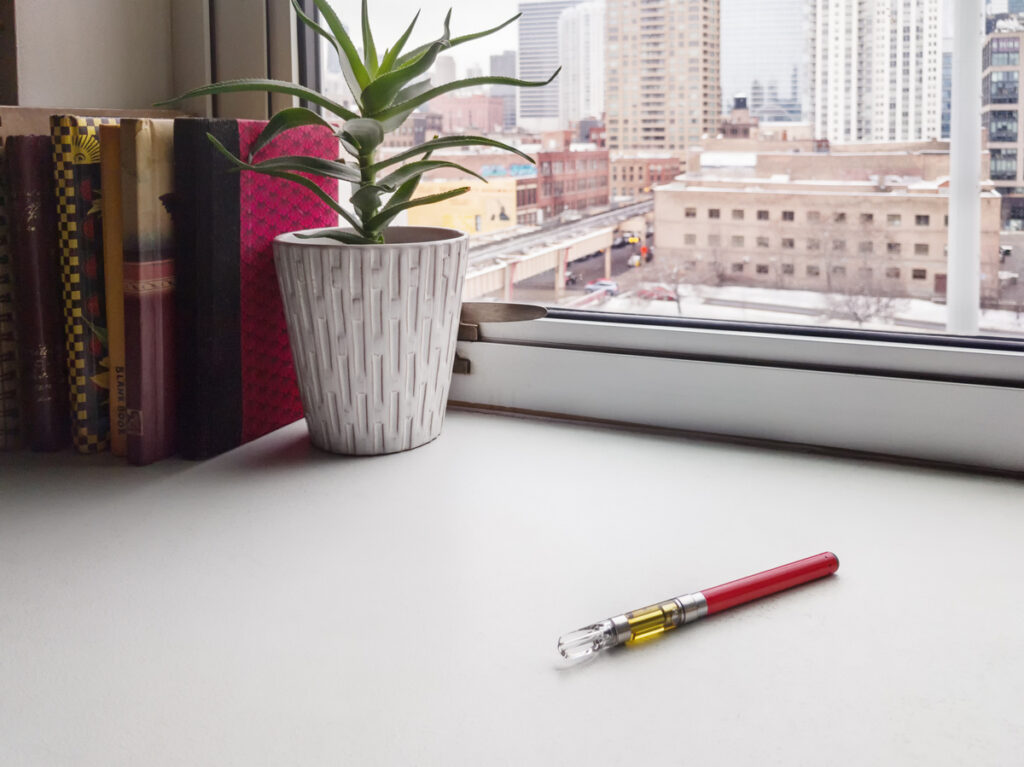
When it comes to understanding the ins and outs of cannabis vape hardware, there can be a lot of terms that seem unfamiliar. From “ceramic” to “vape tips.” As a dispensary owner and manufacturer, you and your staff must understand the types of vape terminology.
Misunderstanding important terms could lead to customers feeling misinformed and potentially hurt your brand’s reputation. This guide will break down important hardware features, such as Ohms, Volts, mAh, 510 thread, and aperture holes.
Ohms
Ohms refer to the electrical resistance of the vape coil. This concept is crucial for vapers, especially in a business-to-business context, where knowledge directly influences product selection and customer satisfaction.
Ohms measure the resistance in the vape coil. The lower the ohms, the more power the coil will draw from the battery, resulting in higher temperatures. This affects the vapor production and flavor.
Importance for Vapors
For businesses in the vaping industry, understanding ohms is vital for providing suitable products to customers. High-ohm coils produce less vapor but preserve flavor, while low-ohm coils are preferred for larger vapor production.
What Ohms Resistance Should My Cartridges Be?
The most common cartridges on the market typically come with a resistance of 1.5 ohms. As vape cartridge manufacturing continues, you’ll see a range in ohms resistance. This threshold is ideal for most vape batteries, which typically range from 2.8 to 3.8 volts.
Volts
In cannabis vape terminology, volts refer to the electrical potential that powers the vape device or battery. This concept is fundamental to understanding ohm resistance and determining the overall vaping experience.
Voltage in cannabis vape hardware (i.e. a disposable pen) is the force that drives the electrical current through the coil. It directly influences the heat generated, which in turn affects the vaporization of the cannabis product.
The Voltage and Heat Relationship
Higher voltage results in more heat, leading to increased vapor production and sometimes a more intense flavor. However, too high a voltage can lead to burning and negatively impact the flavor. Furthermore, this may damage the device.
Coil
The coil of a vape allows electricity to pass through and cause a resistance that creates heat vaporization. They can be made in different types, including:
Mesh
Standard
Sub-ohms
Twisted
There are different coil designs for various resistances. Just note that your coil design will affect how much power you need to heat the coil.
Milliampere-Hour (mAh)
The milliampere-hour (mAh) serves as an indicator of the battery’s energy storage capacity. A higher mAh rating means the battery can sustain a device’s operation for longer, assuming the constant usage rate.
Impact on Vaping Duration
The mAh rating directly influences how long a vaping device can be used between charges. Devices with higher mAh ratings offer longer vaping times and reduce the frequency of recharges needed. In essence, mAh refers to how powerful the battery is and how long it lasts.
510 Threads
The 510 thread specification denotes the type of threading that is 5mm long and consists of 10 screw threads. This standardization has led to widespread compatibility among vaping devices, making it easier for consumers to mix and match components from different manufacturers. When selecting compatible hardware, choosing from the best 510 thread batteries ensures optimal performance and reliability for your cartridges. The majority of vape carts and batteries use 510 threading.
Aperture Holes
Aperture holes in vape cartridges are small openings at the base of the cartridge’s tank. These holes play a crucial role in regulating the flow of oil to the heating element, directly impacting the vaping experience.
Consideration of Viscosity
The viscosity of the oil or contents plays a significant role in determining the ideal aperture hole size. Thicker oils require larger holes for efficient wicking. On the other hand, thinner liquids can be adequately serviced by small holes.
Impact on Vaping Experience
Vapor Production – Larger aperture holes facilitate faster wicking, potentially leading to increased vapor production.
Flavor Delivery – The size of the aperture hole can also affect the flavor delivery. Optimal wicking ensures a consistent and rich flavor profile.
Prevention of Dry Hits – Adequately sized aperture holes help prevent dry hits by ensuring the wick remains saturated with oil.
Final Word
In conclusion, navigating the world of cannabis vape terminology can prove to be confusing. These terms are typically standardized throughout the industry. Learning them once should be all you need. Hopefully, this guide can help you and your team offer better guidance and communication with customers!
If you’re a business owner and need assistance with your vape cartridge or packaging supply chain, Custom 420 can help! We invite you to reach out through our contact form to learn more.
Vape Terminology FAQs
What chemicals are in vapes?
The chemicals in vapes depend on the product type. For example, e-cigarettes are nicotine vape, whereas tetrahydrocannabinol (THC) cartridges/disposables are a weed vape.
Where were vapes invented?
The modern vape was invented by Hon Lik in Beijing, China in 2003.
Is vaping the same as e-cigarettes?
Yes, “e-cigarettes” is just another term for a vape pen that contains nicotine. However, not all vape products contain nicotine – for example, some contain cannabidiol (CBD) or tetrahydrocannabinol (THC).
In this fast-growing industry, cannabis branding has become just as important as product quality. With thousands of strains, edibles, and lifestyle products competing for attention, your brand identity determines whether customers remember you or move on. Effective branding captures emotion, builds trust, and communicates your mission in a single glance.
This guide walks you through every step of developing a cannabis brand that stands out. From defining your foundation to activating your identity across digital channels and retail environments. Whether you’re launching a new product or rebranding an established business, these insights will help you build a strong, lasting presence in a competitive market.
The Modern Cannabis Market: Why Branding is Critical
The legal cannabis market has exploded over the past decade. It’s created an environment where the right branding is no longer optional; it’s essential.
With competition intensifying year after year, brands must do more than comply with regulations; they need to connect with consumers on an emotional and cultural level.
Today’s audience associates cannabis with wellness, creativity, lifestyle, and even luxury. That shift means your brand must represent more than just a product; it has to reflect a story and a set of values people can relate to.
Consumer education gaps between experienced users and those new to legal cannabis.
Market saturation, especially in mature markets like California, Colorado, and Canada.
A well-defined cannabis brand strategy helps cut through the noise. It’s not just about eye-catching design; it’s about building meaning, consistency, and trust across every customer touchpoint.
Building a Strategic Branding Foundation
Every lasting brand starts with a clear purpose and a deep understanding of its audience. Before you design a logo or choose colors, you need to define what your business stands for and who you’re trying to reach.
Define Your Mission and Values
Ask yourself:
Why does your company exist beyond selling cannabis?
Are you promoting wellness, sustainability, creativity, or accessibility?
Your mission and vision should capture the bigger reason behind your brand and help customers connect with your purpose.
Identify Your Core Values
Values like transparency, quality, and community should guide everything, from cultivation practices to customer engagement. Authenticity builds loyalty, especially in a space where consumers care about ethical sourcing and brand integrity.
Know Your Audience
Your tone, visuals, and messaging should align with your audience’s mindset. Medical patients, casual consumers, and wellness seekers all expect different experiences. Build data-backed buyer personas that reflect your real customers’ motivations and pain points.
Find Your Unique Selling Proposition (USP)
What makes your cannabis brand stand out?
Maybe it’s small-batch cultivation, innovative extraction methods, or deep local roots. Own that difference and make it the core of your story.
Naming, Trademark, and Compliance
Your cannabis branding begins with a name and visual identity that not only resonates with your audience but also meets strict legal standards. A brand that looks great but violates state or federal guidelines can quickly run into setbacks. So, compliance should be built into your creative process from day one.
Choose a Compliant, Protectable Name
Avoid using slang, medical claims, or restricted terminology. Instead, focus on creating a name that’s memorable, pronounceable, and distinctive. Check for conflicts with existing brands, and make sure the name aligns with your overall positioning and tone of voice.
Trademark Protection
Before investing in cannabis packaging design, consult a trademark attorney who specializes in law. Because cannabis trademarks are limited under federal law, protection often happens at the state level. Taking proactive steps here can prevent expensive rebranding and legal disputes later.
Understand Regulations
Packaging and marketing rules differ by state; colors, fonts, imagery, and even wording may be restricted. Always research every market where your products will appear, and build compliance into your design process from the start.
While Custom 420 Supply is highly familiar with cannabis packaging laws and best practices, we’re not compliance lawyers. Before finalizing or mass-producing any design, it’s wise to consult a qualified compliance attorney to ensure your packaging fully meets local and state requirements.
This step is especially important for large production runs, helping you avoid costly redesigns or delays while keeping your brand scalable and legally sound.
Crafting a Visual Identity
Your visual identity is the face of your brand; it tells your story before a single word is read. Every design choice, from your logo to your packaging, shapes how customers perceive your products and values. A cohesive visual system builds recognition and trust, setting your brand apart in a crowded marketplace.
Logo Design
Keep it simple, scalable, and memorable. A great logo should look clean on everything, from a glass jar to a social media post or billboard. Avoid overly intricate details that don’t translate across different formats and sizes.
Color Palette and Typography
Your color palette and fonts should reflect your positioning. For example:
Earth tones evoke wellness and nature
Metallics suggest luxury
Bold contrasts appeal to younger, trend-driven audiences
Pair your color palette with modern, legible typography that feels consistent across all brand materials.
Imagery and Iconography
Steer clear of overused visuals like cannabis leaves unless used in a subtle or stylized way. Instead, choose imagery that reflects your brand’s personality: natural, minimalist, or futuristic. Authentic visuals help consumers connect emotionally with your product.
Packaging Design
Packaging is often your first brand touchpoint. Make it compliant, protective, and instantly recognizable. Incorporate elements that reinforce your values, whether that’s eco-friendly materials, premium finishes, or child-resistant designs.
Create a Brand Style Guide
Document your logo usage, color codes, font hierarchy, and messaging guidelines in a clear style guide. This ensures brand consistency across your website, marketing campaigns, and retail displays as your cannabis branding scales.
Messaging, Voice, and Storytelling
Cannabis branding goes beyond visuals; it’s also about how your brand speaks and connects. Your words carry the same weight as your logo or packaging. A clear, consistent voice helps shape customer perception, build trust, and turn casual buyers into loyal advocates.
Define Your Tone of Voice
Decide how you want your brand to sound. Are you friendly and educational, or bold and rebellious?
Consistency across email, web, packaging, and social media builds recognition and reliability. Your tone should reflect your mission and resonate with your audience’s lifestyle and values.
Craft Your Brand Story
Your origin story is one of your most powerful assets. Share how your brand started, the challenges you’ve faced, and the mission driving you forward. Authentic storytelling helps consumers connect emotionally and builds long-term loyalty.
Develop Messaging Pillars
Outline three to five key messages that bridge your values and your customers’ priorities, such as:
“Sustainably grown”
“Craft-extracted purity”
“Rooted in wellness”
These pillars create structure for your communications and keep your messaging aligned across every channel.
Avoid Stereotypes
Modern cannabis consumers expect professionalism and purpose. Move beyond “stoner culture” tropes and highlight sophistication, wellness, innovation, and empowerment instead. Your message should reflect the evolving perception of cannabis in mainstream culture.
Launching and Activating Your Brand
Once your foundation and identity are solid, it’s time to bring your brand to market. Launching successfully isn’t just about going live; it’s about building anticipation, showing up consistently, and learning from real-world engagement. Strategic activation helps your cannabis branding connect meaningfully with your audience from day one.
Build Anticipation
Start building buzz before launch. Use social media teasers, behind-the-scenes videos, and storytelling to introduce your mission and values. Partner with credible influencers, cannabis publications, or local dispensaries to expand your reach and credibility.
Leveraging Digital Channels
Because paid cannabis ads are restricted on major platforms, focus on organic growth. Invest in Search Engine Optimization (SEO), email marketing, and educational content to attract and nurture your audience. Public relations and thought leadership pieces can also position your brand as an industry authority.
Retail Activation
If your products appear in dispensaries, create an immersive, consistent in-store experience. Align your product displays, signage, and staff training with your brand message. When customers recognize your brand instantly on the shelf, you build trust and repeat purchases.
Track Performance
Use analytics tools to measure how your audience responds. Track website traffic, engagement, and conversion metrics like repeat purchases or email signups. These insights help refine your cannabis branding strategy over time.
Long-Term Brand Growth and Evolution
Branding doesn’t end once your products hit the market; it’s an ongoing process of refinement and growth. The strongest brands evolve with their audience while staying true to their core identity. Long-term success comes from listening, adapting, and staying consistent.
Stay consistent Consistency builds recognition and trust. As you expand into new product lines or markets, maintain visual and verbal cohesion. Every touchpoint (from packaging to social content) should feel unmistakably “you.”
Listen to your customers Consumer feedback is one of your most valuable growth tools. Monitor reviews, social comments, and direct feedback to identify what’s resonating and where adjustments may be needed. Use these insights to refine your tone, packaging, and messaging over time.
Stay agile The cannabis industry moves fast. New regulations, product trends, and consumer preferences can shift quickly. Evolve with the market, but don’t lose the essence of what defines your cannabis brand. Agility keeps you relevant without sacrificing authenticity.
Measure your impact Track performance beyond sales. Monitor key brand metrics like awareness, recall, engagement, and loyalty. These data points show how your cannabis branding efforts translate into real connections and long-term equity.
The Ultimate Cannabis Branding Checklist
Use this cannabis branding checklist to audit or build your brand identity from the ground up. Each step helps ensure your brand is strategic, compliant, and built for long-term success:
Define your mission, vision, and values – Clarify what your brand stands for and why it exists.
Understand your audience and unique selling proposition (USP) – Know who you’re speaking to and what sets you apart.
Choose a compliant, protectable name – Select a name that’s legally sound, memorable, and reflective of your identity.
Develop your visual identity system – Build cohesive logo, color, and typography standards that communicate your message at a glance.
Write your brand story and messaging pillars – Share your origin and values through authentic storytelling.
Create a brand style guide for consistency – Keep your team aligned across design, copy, and marketing.
Launch with a strategic marketing plan – Activate your cannabis brand through digital, retail, and PR channels.
Monitor feedback and evolve – Track customer insights, refine your approach, and adapt to market trends.
Final Word
In this industry, cannabis branding is your most powerful differentiator. It bridges compliance and creativity, turning your products from something customers see into something they remember.
Whether you’re launching a new line or refreshing an existing brand, an intentional and authentic identity builds recognition, trust, and long-term loyalty.
Looking to bring your cannabis brand to life? Custom 420 Supply provides end-to-end design and packaging solutions that help your brand stand out, both creatively and compliantly.
If you’d like to learn more, we invite you to reach out through our contact page.
Frequently Asked Questions (FAQs)
What are the key elements of effective cannabis branding?
A strong cannabis brand combines a clear mission, consistent visuals, authentic storytelling, and a defined voice. Together, these build recognition, trust, and long-term loyalty.
How do cannabis branding regulations affect your business strategy?
Regulations limit how cannabis products can be named, packaged, and advertised. Smart brands design within compliance, focusing on education, storytelling, and transparency to earn trust.
What makes a cannabis brand stand out in a saturated market?
Authenticity, consistency, and innovation. The best cannabis brands know who they are, speak clearly to their audience, and deliver a memorable experience across every touchpoint.
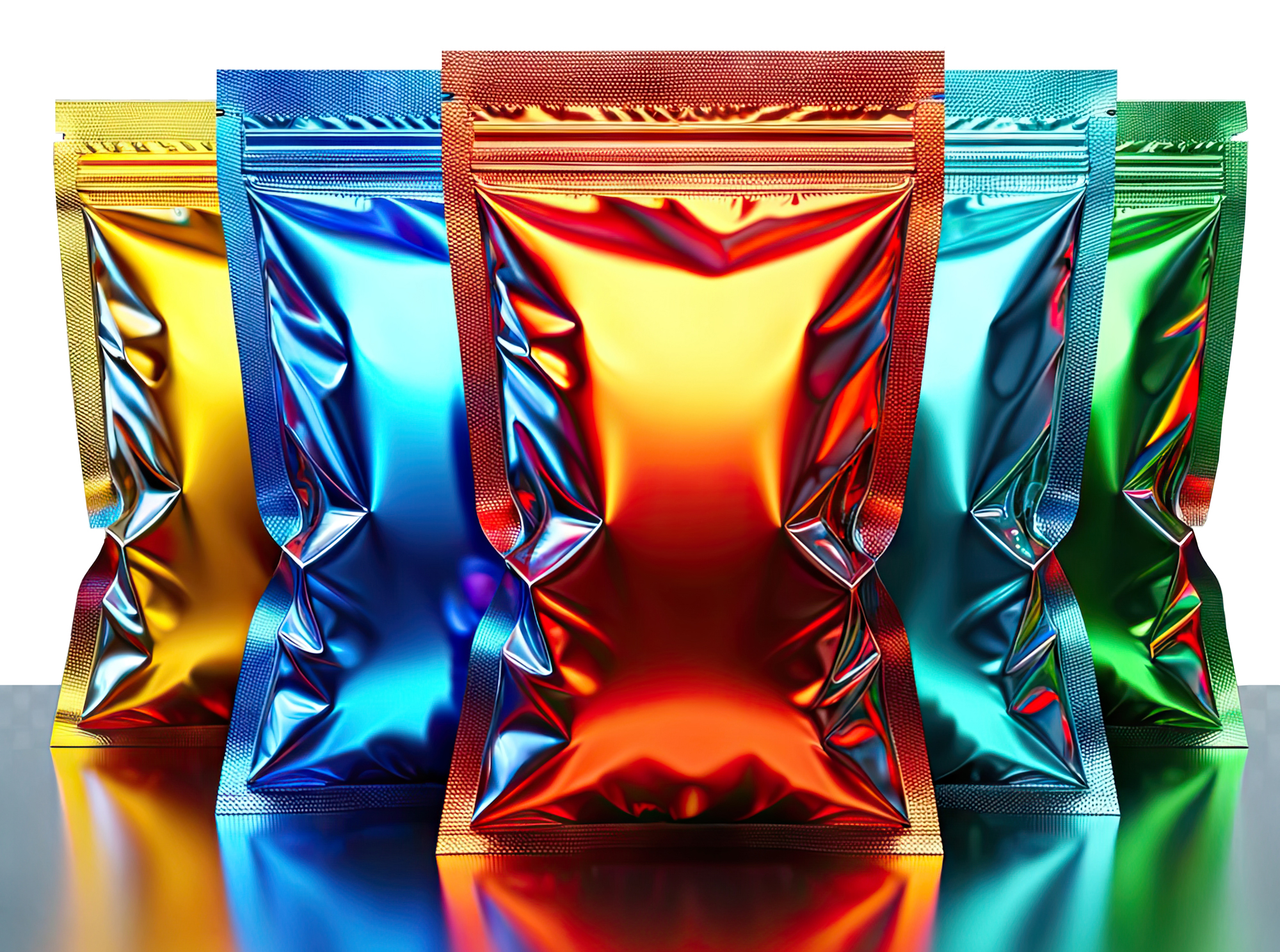
In the ever-evolving landscape of the cannabis industry, “Mylar” has become a catch-all term for the variety of bags used to package everything from flower to edibles. Despite ongoing discussions to reduce plastic waste, this widespread use underscores Mylar’s flexibility and the industry’s reliance on it, despite ongoing discussions about reducing plastic waste. Mylar bag design, known for its myriad benefits, is here to stay in the cannabis sector.
Advantages of Mylar Bag Design
Mylar bags are favored in the cannabis industry and beyond due to their numerous advantages. These include:
Airtight sealing
Cost-effectiveness
Customizable packaging sizes and shapes
Diverse printing and embellishment options
Lightweight design
Recyclability and compostability
Tear resistance and child safety features
Such benefits make Mylar bag design ideal for brands aiming to distinguish themselves in the competitive cannabis market. Not only do these bags help products stand out on dispensary shelves, but they also meet regulatory requirements and appeal to consumers seeking convenient, long-lasting packaging.
Choosing the Right Mylar Bag Design Partner
It’s critical to partner with a mylar bag packaging company that offers a range of customization and embellishment options. This ensures that you receive the best quality at competitive prices.
Top Five Strategies for Leveraging Mylar Bag Design in Cannabis Branding
1.) Custom Sizes for Distinctive Branding
The manufacturing process of mylar bags allows for a variety of sizes, catering to different product needs. From small pouches for a gram of product to larger sizes for bulk purchases, these custom sizes help your brand stand out.
2.) Unique Shapes for Brand Recognition
To differentiate your brand, consider custom-shaped die-cut mylar bags. A unique shape can become synonymous with your brand, similar to the iconic Coca-Cola bottle shape. Balancing creativity and practicality in your bag design can result in a memorable packaging experience.
3.) Child-Resistant Features for Safety and Compliance
Incorporating child-resistant features into your mylar bags is often a regulatory necessity and a consumer preference. Options range from child-resistant zippers to designs that require a sharp tool to open, suitable for one-time-use products.
4.) Distinctive Materials and Embellishments for Brand Enhancement
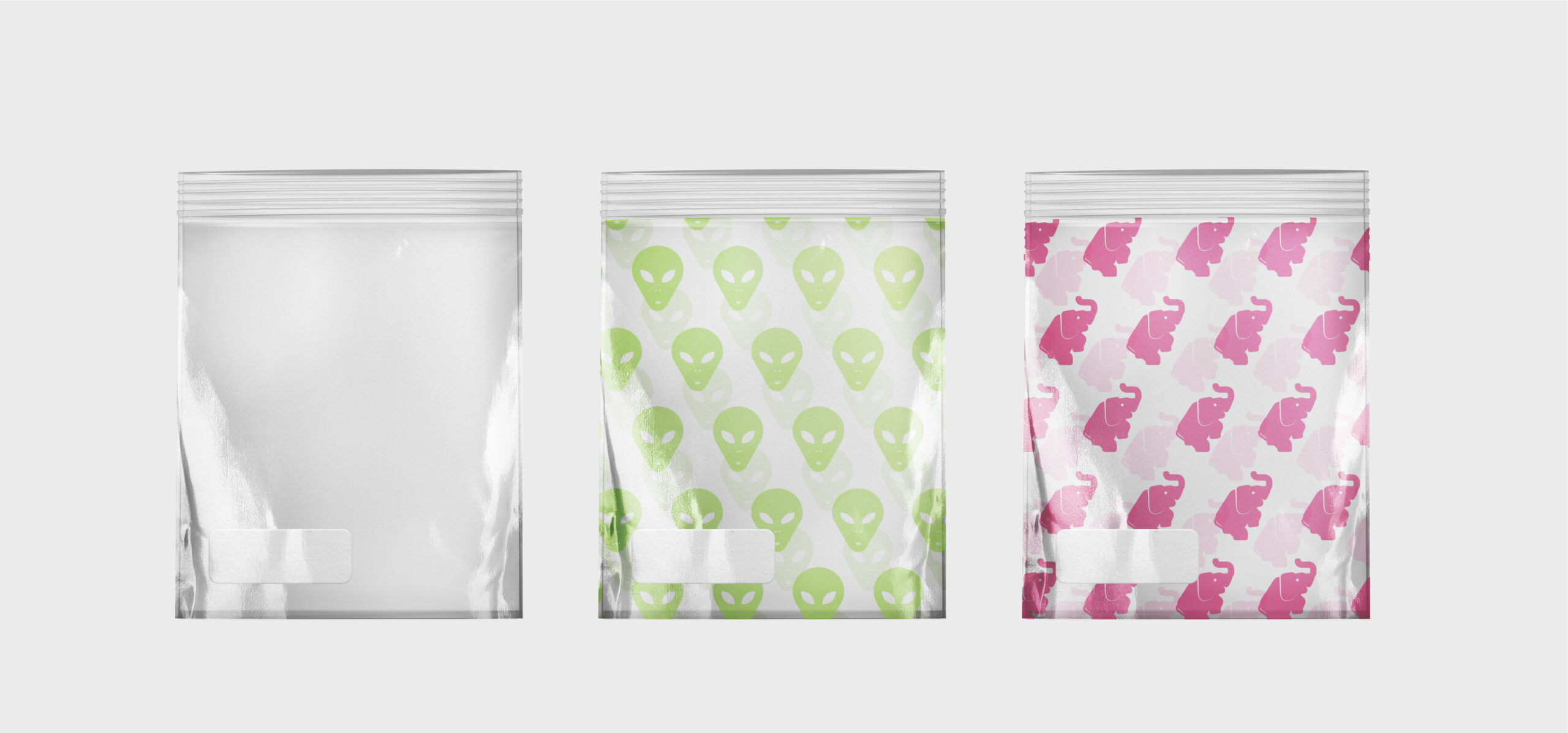
Mylar bags offer a plethora of material and print options. The choices are vast, from gloss and metallic finishes to holographic and soft-touch materials. Matching these options with your brand’s identity can elevate the consumer experience.
5.) Eco-Friendly Options for Sustainable Branding
Responding to the increase in demand for environmentally-friendly packaging, mylar bags are now available in compostable materials, balancing eco-friendliness with durability and child safety.
Conclusion: Mylar Bags as a Marketing Tool
Mylar bags offer a versatile and innovative solution for cannabis packaging. They allow brands to make a statement and cater to consumer preferences. From customization in size and shape to sustainable options, mylar bags are an indispensable tool in the cannabis industry’s branding arsenal. Learn more about custom mylar bags.
The cannabis industry is booming, and with more brands entering the market, standing out is more crucial than ever. With that, custom cannabis label services are more important than ever.
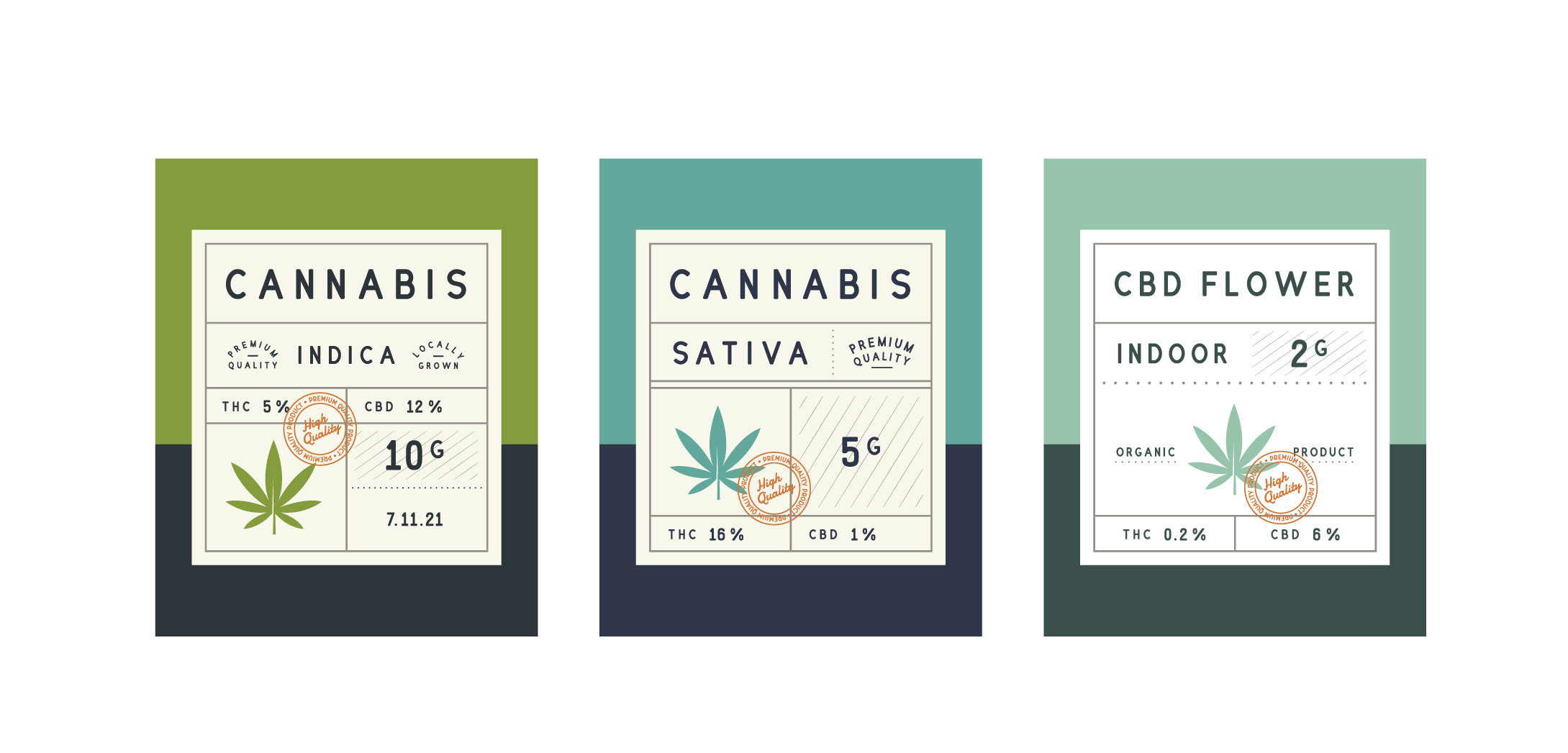
Custom cannabis labels are your key to market distinction and safety, serving a dual purpose. They’re not merely vessels for compliance but a canvas for your brand’s story.
Why Custom Cannabis Labels Matter
Brand Distinction in a Saturated Market
With so many options available, how do you ensure consumers choose your products over others?
Custom dispensary packaging lets you showcase your brand identity. Whether it’s bold colors, sleek finishes, or unique textures, the right cannabis packaging labels create an eye-catching look and your product will become instantly recognizable.
Navigating the Legal Landscape
Cannabis regulations vary by state, making compliance a moving target. Investing in custom cannabis label services ensures your packaging meets all necessary guidelines while keeping your branding strong.
Proper labeling protects your business from fines and recalls while informing consumers about elements such as:
Dosage
Ingredients
Safety precautions
Consumer Confidence and Loyalty
Customers today want transparency. A well-designed weed label doesn’t just look good—it reassures buyers that your product is safe, legal, and high quality.
Clear and informative 420 packaging boosts consumer confidence, which leads to repeat purchases and strong brand loyalty.
Sustainability: A Silent Salesman
Eco-friendly packaging is more than just a trend—it’s a statement. Using sustainable packaging materials in your custom dispensary packaging shows that your brand cares about the planet.
Many consumers actively seek out brands that prioritize green packaging. This makes it a great way to align with customer values and differentiate your business.
Why Choose Custom 420 for Your Cannabis Labels?
At Custom 420 Supply, we specialize in high-quality custom cannabis label services tailored to the unique needs of cannabis businesses. We understand the industry’s challenges and offer various labeling solutions. These include vibrant customizable designs and eco-friendly options.
Whether you need compliant cannabis packaging labels, unique 420 supply solutions, or standout weed labels, we’ve got you covered. Let’s create packaging that not only meets regulations but also helps your brand thrive.
Ready to Upgrade Your Cannabis Packaging?
Investing in custom cannabis label services is a game-changer for your brand. Don’t settle for generic—let your packaging work for you. Contact us today to explore options and give your products the standout branding they deserve.
Custom Cannabis Label Services FAQs
What is the biggest problem with cannabis labeling?
The biggest issue with cannabis labeling is compliance with ever-changing regulations. Each state or country has different requirements regarding product information, warnings, and branding restrictions.
Failing to meet these regulations can result in fines, product recalls, or even legal action. Custom cannabis label services help ensure compliance while maintaining strong branding.
What is the TAC on a cannabis label?
TAC stands for Total Active Cannabinoids. It represents the sum of all active cannabinoids in a product, such as tetrahydrocannabinol (THC) and cannabidiol (CBD). This metric helps consumers understand the potency and effects of a cannabis product.
What is the government warning on cannabis packaging?
Cannabis packaging must include a government-mandated warning to inform consumers about potential health risks. The exact wording of this warning varies by location, but common statements are about age restrictions, health risks, impairment, keeping products out of reach of children.
Marijuana packaging types (or cannabis packaging) have witnessed tremendous transformations over the years. Beyond its growth, use, and legal status, an often overlooked but pivotal facet of its journey has been the evolution of marijuana packaging.
As industries mature, the sophistication and functionality of their packaging evolve, and the cannabis industry is no exception. Let’s journey to understand this evolution from then to now!
Historical Roots: Simple and Stealthy
Historically, marijuana packaging types were rudimentary, often prioritizing stealth and discretion. During the times when cannabis was frowned upon or illegal in many regions, the primary objective was to mask its scent and make its transport and storage inconspicuous. The most common forms were:
Brown paper packages
Glass jars
Zip-lock bags
These methods were efficient in keeping the herb dry. However, they did little to preserve its potency or aroma over time.
Rise of Legalization: Emphasis on Compliance and Safety
As countries and states began legalizing medicinal and recreational marijuana, a surge in demand led to the industry scaling rapidly. With legalization came the need for regulation and standardization.
Packaging evolved to meet stringent guidelines that require child-resistant containers, opaque materials, and clear labeling indicating tetrahydrocannabinol (THC) content and other relevant information. The days of packaging in dime baggies were officially over.
Moreover, as marijuana products diversified (with edibles, tinctures, and concentrates), specialized packaging solutions arose. For instance, edibles require a package that keeps products fresh and communicates dosage.
Branding and Market Differentiation
In recent years, as the stigma surrounding marijuana continues to wane and the market becomes saturated, brands have recognized the need to differentiate themselves from competitors. This brought about a new era in marijuana packaging design, where aesthetic appeal, branding, and user experience became paramount.
Now, brands vie for consumer attention with innovative packaging designs that convey their ethos, story, and product quality. From eco-friendly materials to intricate designs and luxury finishes, marijuana packaging has become an art form in and of itself.
Sustainability: A Shift Towards Eco-Friendly Packaging
The global push towards sustainability has also made its mark on marijuana packaging. Brands now opt for biodegradable, recyclable, or compostable materials to reduce their carbon footprint. This shift caters to environmentally conscious consumers and aligns with many regulatory bodies advocating for sustainable packaging solutions.
The Future: Smart Packaging and Tech Integration
Looking ahead, marijuana packaging is set to embrace technology integration. With the advent of smart packaging, brands can include QR codes for consumers to verify product authenticity, access strain-specific information, or even get personalized consumption recommendations.
Additionally, tech-driven solutions like humidity control and UV protection promise to keep marijuana products fresh for longer. This enhances the overall consumer experience.
Conclusion: A Reflection of Broader Industry Trends
The evolution of marijuana packaging mirrors the broader shifts in the cannabis industry and society at large. From simple, clandestine methods to sophisticated, branded, and sustainable solutions, marijuana packaging has come a long way.
As the industry grows and matures, we can anticipate further innovations that prioritize user experience and environmental responsibility. If you have needs for specific packaging types or need help staying compliant, contact us today!