by Scott Katz | Jan 1, 2025 | Cannabis Jars
Child-resistant jars have become a popular option for cannabis flower packaging. However, if your brand plans to incorporate these, you need to be aware of federal and state regulations for packaging.
Child-Resistant Jar Packaging Requirements
On a federal level, the Poison Prevention Packaging Act (PPPA) offers standard guidelines for child-resistant packaging (CRP) in the United States.
However, different states have additional guidelines for the cannabis industry. For this reason, businesses need to be aware of state and federal regulations.
CRP Laws and Regulations
Beyond the PPPA, there are three main bodies of law business owners need to keep in mind:
- The Consumer Product Safety Improvement Act (CPSIA) – safeguards consumers from injuries and fatalities caused by hazardous substances and unsafe household items (i.e. toys and appliances). It oversees the safety standards for a broad array of consumer products.
- The Federal Hazardous Substances Act (FHSA) – covers hazardous substances (i.e. poisons, corrosives, and flammable materials). It mandates clear warning labels and instructions on such products, bans the sale of certain dangerous substances, and requires CRP to enhance safety.
- The U.S. Environmental Protection Agency (EPA) – specifies the requirements for utilizing CRP for household pesticide products or devices.
CRP Requirements
For a glass jar to be considered child-resistant, the packaging must meet the following criteria:
- Child Testing – Packaging must undergo testing with a panel of children aged 4 to 10 years, with at least 80% unable to open it within 10 minutes.
- Adult Testing – A panel of adults must also test the packaging, with at least 80% successfully opening it within the same 10-minute timeframe.
- Repeatability – The testing process must yield consistent results when repeated, ensuring reliability.
Differences Between Child-Resistant and Non-Child-Resistant Jars
Simply put, a non-child-resistant jar is unable to pass PPPA testing. In other words, children can easily open it and access the contents inside.
Naturally, when it comes to marijuana products, this poses a threat to the child’s safety. As a result, all legalized states require cannabis products in child-resistant packaging.
So, what are the requirements for child-resistant glass jars? Your packaging should include the following:
- A closure designed to prevent children under five from easily opening it.
- A leak-proof, airtight, and spill-resistant design.
- Tamper-resistant caps often feature a push-and-turn mechanism that is challenging for children to open.
Why You Should Choose Glass Cannabis Jars Over Other Packaging Options
Of course, you have other child-resistant packaging options when it comes to preparing a cannabis product (i.e. Mylar bags). Still, some glass jars’ benefits may pique your interest over these other options.
1.) Preserves Freshness
Glass is non-porous and inert, meaning it doesn’t interact with the contents, preserving product quality over time. This ensures your cannabis products stay fresh and potent when stored properly.
2.) Visible to Customers
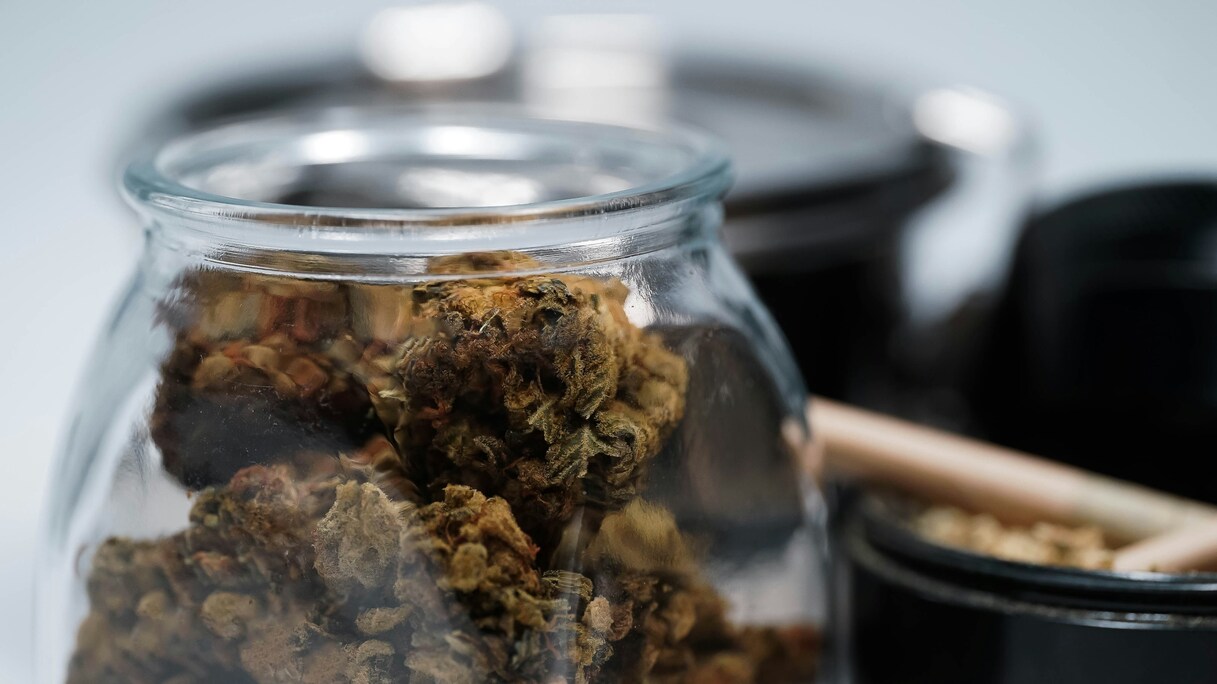
Glass allows customers to see your product. Naturally, this can leave a better first impression than well-designed packaging and become a significant selling point. Furthermore, transparency may build consumer trust and showcase your product’s quality.
3.) Recyclability
Glass is an eco-friendly solution as it’s 100% recyclable. Within the cannabis industry, more customers have become concerned with sustainable packaging. This makes glass a great option to stand out among the competition.
4.) Versatility
Glass jars give you the ability for full customization, from coloring to shaping to sizing. This allows you to replicate your brand identity directly with your product.
Final Word
While it’s not difficult to meet your state’s requirements for child-resistant jars, it’s understandable if you want to ensure effective packaging. That’s where Custom 420 comes in!
Our team has studied the ins and outs of the cannabis industry, ensuring our packaging options meet state and federal regulations. Furthermore, we offer many customization options so your products match your brand.
Want to learn more? We invite you to reach out through our contact form.
Child-Resistant Jars FAQs
What is an example of a child-resistant container? The most common example of a child-resistant container is a medicine bottle with a “push-down and turn” cap.
What are child-proof containers? “Child-proof” containers technically don’t exist, as no container can completely prevent children’s access. However, a “child-resistant” container is designed to be difficult for a child to open.
Are dispensary jars smell-proof? Since child-resistant glass jars are airtight, they’re also smell-proof when properly closed.
by Scott Katz | Nov 19, 2024 | Cannabis Packaging, Child Resistant Cannabis Packaging
Child-resistant packaging is an essential feature of the cannabis industry. But as you go about your packaging design, you may wonder about the importance of child-resistant boxes. Here’s everything you need to know.
What are Child-Resistant Boxes?
Since cannabis is harmful to children, all manufacturers are required to place products in child-resistant packaging. Simply put, child-resistant boxes are packaging that reduces the risk of accidental consumption in children under 5 years old.
In other words, this packaging type makes it more difficult for children to access the contents. Children lack finely tuned motor skills and dexterity. These deficiencies make it difficult for them to complete multiple movements and varying pressures at once, all of which are features of child-resistant packaging.
History Behind Child-Resistant Boxes
Child-resistant packaging was introduced as a reaction to reports of child poisonings from accidental ingestion. More specifically, in 1970, the Poison Prevention Packaging Act (PPPA) was written to reduce child risk to harmful substances.
Since then, the U.S. Consumer Product Safety Commission (CPSC) has regulated child-resistant packaging. This organization establishes all the standards, rules, and regulations.
While “child-proof” packaging doesn’t exist, child-resistant packaging is real and has saved lives. It’s estimated the rate of death by poisoning in children under 5 has been reduced by 1.4 per million since the PPPA was introduced.
Why Child-Resistant Packaging is Required in the Cannabis Industry
Cannabis manufacturers need to incorporate child-resistant packaging for a few reasons, and these include the following:
Safety
In the cannabis industry, child safety is a top priority. Cannabis packaging can sometimes appeal to children, having colorful patterns or cartoon characters. Ensuring children can’t access the product inside is essential to avoid them mistaking such products for their favorite candy or snack.
Compliance
Within the cannabis industry, child-resistant packaging is a requirement in all states. In other words, by not using child-resistant packaging, you’re breaking the law and can be subjected to heavy fines or even jail time
It’s important to remember that such packaging goes beyond child-resistant packaging. In the cannabis industry, you must also have state-compliant labels (these vary depending on the state you operate from).
Consumer Trust
Since the cannabis industry is so new, gaining consumer trust has been a staple for all businesses. Most do this through various practices, such as third-party lab testing.
However, creating high-quality child-resistant packaging is another way to ensure customers that your products meet industry standards. This may lead to increased sales and further customer loyalty.
Quality Maintenance
While child-resistant packaging helps protect children, it also preserves cannabis. The multiple seals found in such packaging are a great way to prevent exposure to degrading elements, such as oxygen and moisture.
How to Determine if Your Box is Child-Resistant
If you’re not sure whether or not your cannabis packaging is child-resistant, some independent third-party companies can run lab-certified tests. These companies follow CPSC standards for child resistance and ensure whether or not your packaging meets these guidelines.
As mentioned above, consumer trust is an essential element of the cannabis industry. If you can receive a lab certification for your child-resistant boxes, this will only further consumer trust.
These tests will have children between 42 to 51 months of age participate in an attempt to open your packaging. If 85% of the children are unable to open the packaging within five minutes and 80% still can’t even after a demonstration, your packaging is considered to pass.
Can You Customize Child-Resistant Boxes?
Yes! While you need to ensure that your boxes meet child-resistant standards, this isn’t to say you’re not allowed to develop unique packaging. In fact, it’s encouraged you to get creative with your packaging to ensure brand identity and customer satisfaction.
If you’re unsure how to make your brand stand out, Custom 420 can help. Our in-house team of designers is keen on the cannabis industry and which types of products stand out to customers.
Final Word
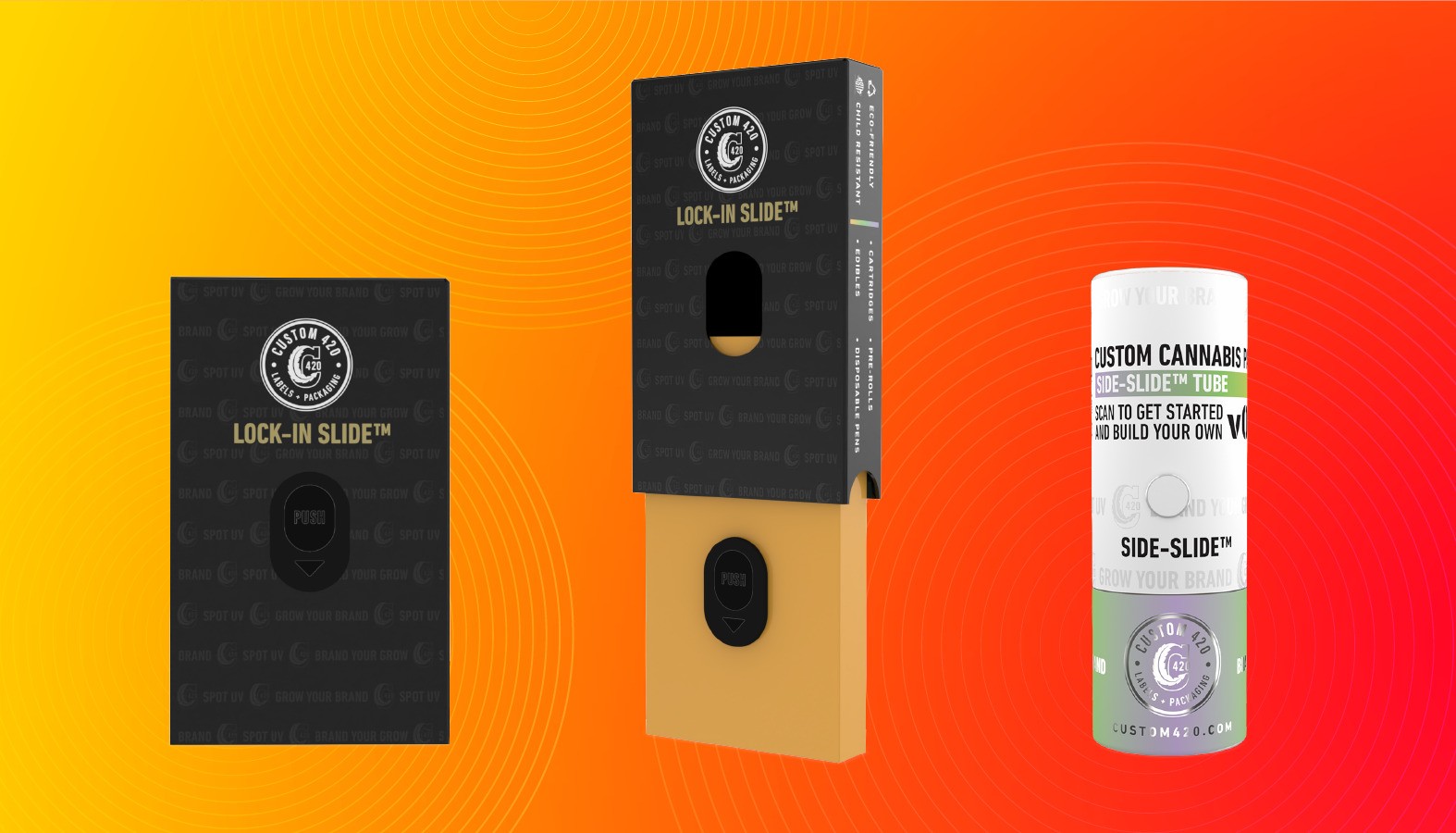
Not sure where to source child-resistant boxes? Custom 420 offers various options, from child-resistant slide-tin boxes to 1-inch square child-resistant boxes. In other words, we have a box size for any of your needs!
We invite you to reach out through our contact form to get started.
Child-Resistant Boxes FAQs
What’s the difference between child-resistant and child-proof? There’s no such thing as “child-proof” packaging. In other words, no packaging can 100% prevent a child from opening it. However, child-resistant packaging refers to Mylar bags, boxes, and other containers that are extremely difficult for children to open.
What is the Child-Resistant Cap Act? This is a law that requires certain items (i.e. prescription drugs, over-the-counter drugs, household chemicals, etc.) to be placed in child-resistant packaging.
What is considered child-resistant packaging? As discussed above, there are certificate programs that run tests to see if your packaging is child-resistant. If 85% of children are unable to open a package and 80% are unable to open it after being shown a demonstration, then your packaging is considered child-resistant.